
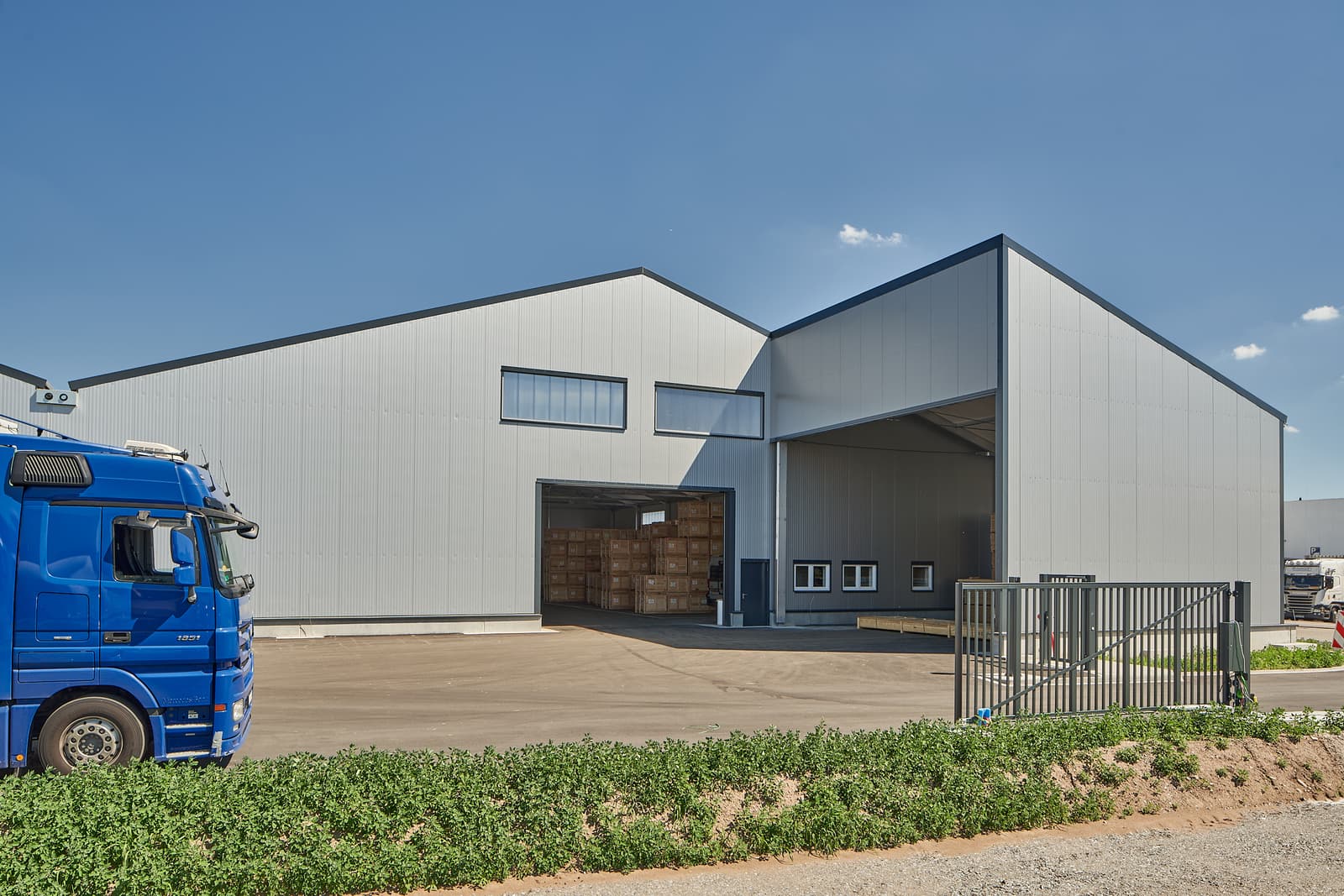
How to choose the right industrial building to make the best version of your business
When choosing the right industrial building for your business, you have two basic options: buy or rent an existing building or have a new one built. While each of these possibilities have their advantages and disadvantages, your choice must be based on your needs and requirements in order for your business to thrive.
Nowadays, there is a broad range of different types of buildings with endless features and various materials. If you decide to have your industrial business site built, you have almost limitless options. But no matter if you prefer to lease, buy or build, there are many aspects to consider. Before you settle on the right building, a thorough thought, and strategy process to define necessities and priorities is inevitable. The more time that is spent on knowing what a business and its employees need, the better the outcome.
Next to the building, the most significant criteria to be regarded are timing, accessibility and, of course, the finances. Whether you are looking to find a long- or short-term solution, these criteria play a huge role in choosing the industrial building that optimizes your company’s workflow. Because the right building will improve your way of working, incorporating all aspects from workforce to production steps and efficient logistics, resulting in motivated employees, satisfied customers and, last but not least, higher profit.
Table of contents
Timing
No matter how perfect a building might seem, when the timing is not right, it disqualifies itself. To not get your hopes up only to have them crashed when you find out about a building’s availability, ask yourself these questions when looking for the right property:
- How fast do I need the building? Can I manage in case the new building is not ready before my existing lease runs out?
- How much time will it take for the building to be ready to be used for my purposes?
- Am I looking to rent short- or long-term? What does the owner offer?
The property could still be rented by another company and, therefore, not be ready for quite a while. In case your current lease ends before the new building is available, there must be a way of overcoming the time and money issue during the waiting period. Holdover costs might be significantly high, making it possibly smarter to invest them in another property that is available sooner. And even if the desired building can be leased at the right time, what does the property look like? Is it in dire need of renovation? How much money and time must be invested in adapting the building to meet your company’s requirements? Analyzing these points might result in the decision to find a different building with less need for renovation. Because renovating or even rebuilding parts of a property is not only costly but also takes time during which your business cannot operate.
When you are only looking to rent for a couple of years before the next move to another building site, building shortages can be overcome by a certain amount of flexibility and adaptability of everyone involved. Long-term leases must be reviewed more carefully. If you are going to invest money in renovating and adapting the building to your business requirements, you are probably looking to rent long-term, which should be reflected in the lease agreement. It might even be smart to think about buying instead of renting.
Another option is to have a new building put up. In that case there are even more choices to be made, resulting in a, hopefully, perfect building to optimize your company’s productivity. But even when you decide to have a brand-new industrial building put up, it could make sense to settle on a temporary building, depending on your long-term strategy for the company. Is the company meant to grow? Would that implicate a new of a bigger storage building? Within what time period would the need for a bigger industrial building come into effect? Answering these questions will help you make the right decision.
Accessibility: Location & Workforce Availability
Almost as important as the building itself is its location and accessibility. Even the seemingly most perfect building could turn out to be the wrong choice if it is located in a remote area without close access to a highway, public transport and maybe even the most basic utilities such as water and electricity. Depending on your company’s type of work and production processes there might even be special requirements you need to take into consideration.
Transport needs
Transportation could become a big issue when choosing the wrong location. Industrial buildings must be easily accessible by both big and small trucks and have enough parking spaces for employees and possibly customers. There should be a connection to public transport as well. Transportation is always a key factor, no matter if you are looking to rent or build, short-term or long-term.
The main criteria to consider are:
- Road access and condition: Large trucks going to and from an industrial building require a certain road size and sturdiness. To limit transport costs and time, a highway access close by is a big plus and possibly justifies a higher rent.
- Utilities: Depending on your company’s production requirements you might need a lot of water, big amounts of energy or gas, etc.
- Public transport: Another big plus is access to public transport, not only for employees but possibly also for the distribution of goods.
- Form of distribution: Cargo ships, air transportation, railways – there are many different types of distribution of goods. Whichever form is the right one for your company, make sure to have a port, airport or railway station close by to minimize transportation costs.
- Surrounding area: A company without employees cannot operate. Therefore, a location must be chosen where the surrounding area is populated by potential workers.
Employee satisfaction
Every entrepreneur knows that a company is only as good as its staff. Employees do their best work when satisfied. Employee satisfaction does not only mean paying the right salary, but also providing an enticing work environment. To be considered an attractive workplace, the location, and the building itself play a significant role. As mentioned above, the industrial building must be located close enough to where potential employees live.
A long commute means massive costs in terms of cars and gasoline, but also in time and patience. The existence of public transport close by widens the choice of workers as well. A big enough parking lot for everyone to park without any problems is a must. And, finally, a good location also means places for employees to spend their lunch break.
Our configurator tool allows you to design your structure to suit your needs. Design your ideal structure and see how it will look in less than 3 minutes! Receive an estimate and copy of your configuration.
Financial Criteria: The Cost-effectiveness
In the end, it all comes down to the finances. It is worth it to compare different locations and buildings and analyze them in terms of their cost-effectiveness. That means, comparing the costs of rent or construction, location and utilities to your possible revenue. It might make sense to invest in a seemingly more expensive industrial building, if the productivity and workforce availability is considerably higher.
Net Effective Rate
When talking about the costs of a lease, professionals refer to the so-called net effective rate. It is a practical tool to calculate costs and compare different building sites. The net effective rate is calculated by summarizing the total gross rent for the entire term of a lease including free months or any other type of promotion divided by every month period. It gives you a basic number to make an informed and fact-based choice of your industrial building and calculate your monthly expense.
Tenant improvements
Another part of the net effective rate are tenant improvements. Basically, tenant improvements refer to the renovating costs, the money you need to invest in order for the building to meet your needs. When calculating these costs, the first step is to divide renovations into what is necessary for the company to run and what would be an improvement but not a requirement. When renting a property, the landlord possibly offers a tenant improvement allowance. The size of this allowance depends on different factors, one of which are your negotiation and calculation skills. But be careful, what might seem like a generous allowance could turn out to raise monthly rent significantly.
Renting or buying
The big question of renting or buying usually depends on the following factors:
- Personal preferences: When owing, you might be more prone to investments, as you would be investing in your property and not someone else’s. When renting, you have less responsibility and the possibility to move out at almost any given time.
- Finances: Comparing costs of renting or buying is not always easy, as they are very different concepts. Sometimes, buying might seem like a big step, but when considering investments that need to be made, monthly expenditures and limited lease agreements that need to be renegotiated every few years, it could be the right choice for you.
- Real estate market: Obviously, you have to work with what is available. As the real estate market is constantly changing, you have to bring a certain flexibility to the table. Talk to a professional to consider all options and make an informed decision.
- Timing: Whether you are looking for a short- or long-term solution can also determine your choice of renting or buying. If you are only looking for an industrial building to be used for a short period of time before you move on to something bigger or better, renting could be the easier choice with less responsibility.
Operational considerations
What might be the perfect industrial building for one company, does not necessarily have to be the right building for you. As every company operates differently and has unique requirements, the choice of the optimal building must include a broad range of criteria. Next to location and finances, the operational considerations are key for choosing the perfect building.
They refer to the way the building can contribute to and improve your company’s productivity and workflow. Already mentioned factors such as transportation and accessibility are part of these considerations, but also the shape and dimensions of the building, the loading area and possible loading types and even specifics such as column spacing. All these factors must be identified and compared to the costs of an industrial building. For example, a storage building differs greatly from an industrial building that is used to manufacture goods, not only in size, but also in terms of safety, utilities, and, of course, infrastructure.
Adaptiveness: Size & Layout
We keep talking about the “right” and “perfect” industrial building, but what is it that makes an industrial building perfect and right? Basically, you need to choose a building that serves your purposes in the best possible way. That means, the building needs to be the right size and provide an ideal layout for a fluid workflow.
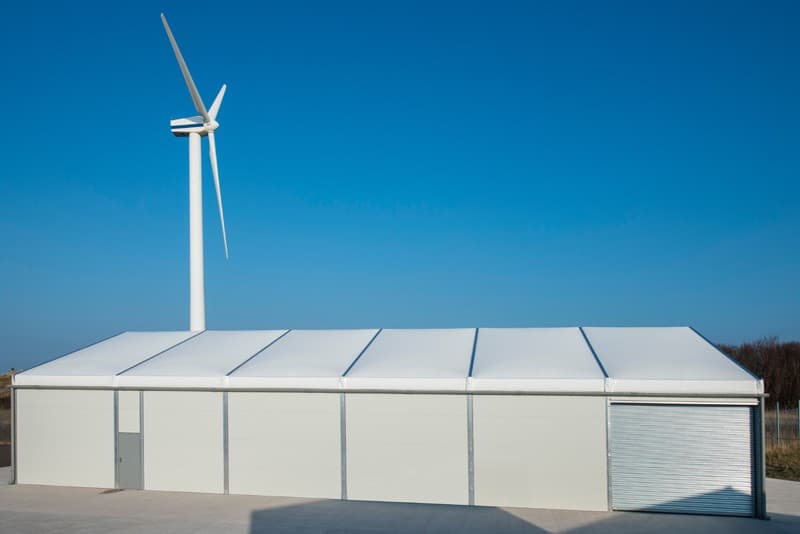
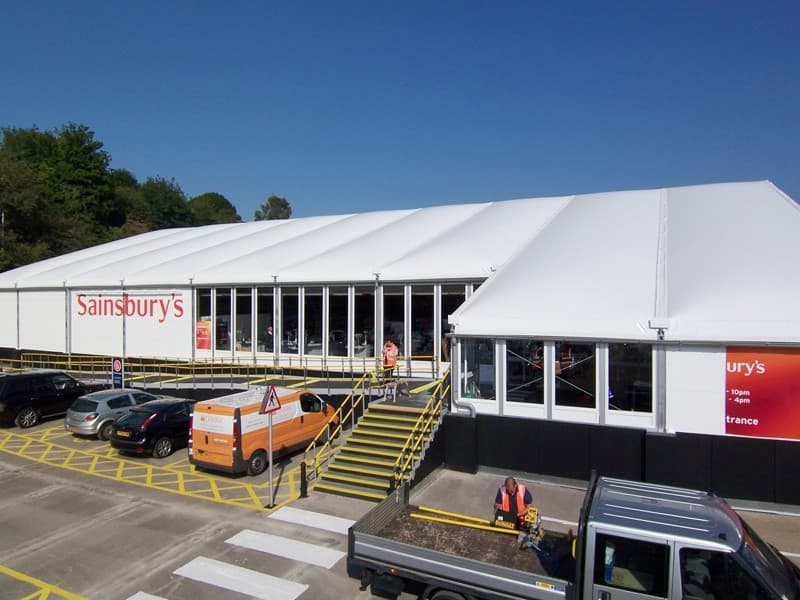
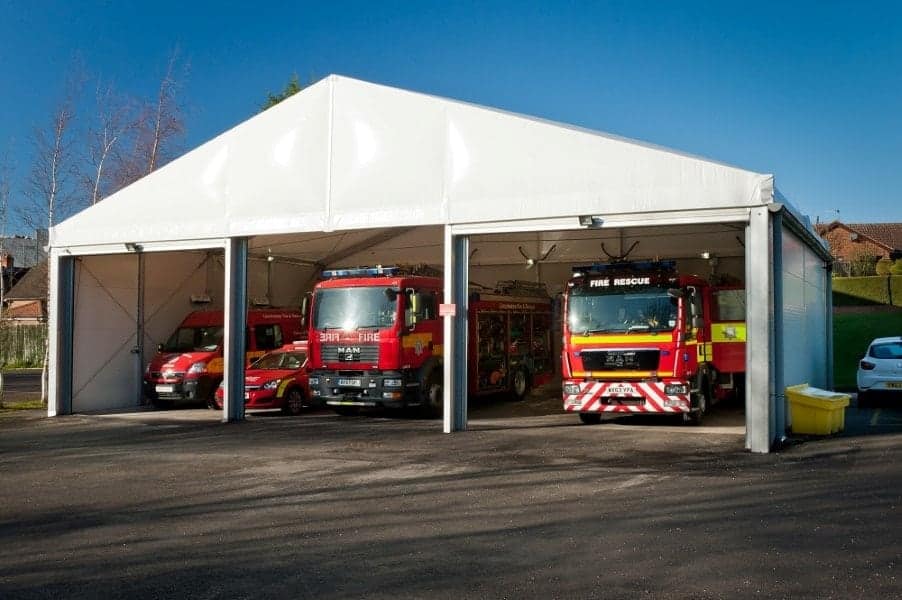
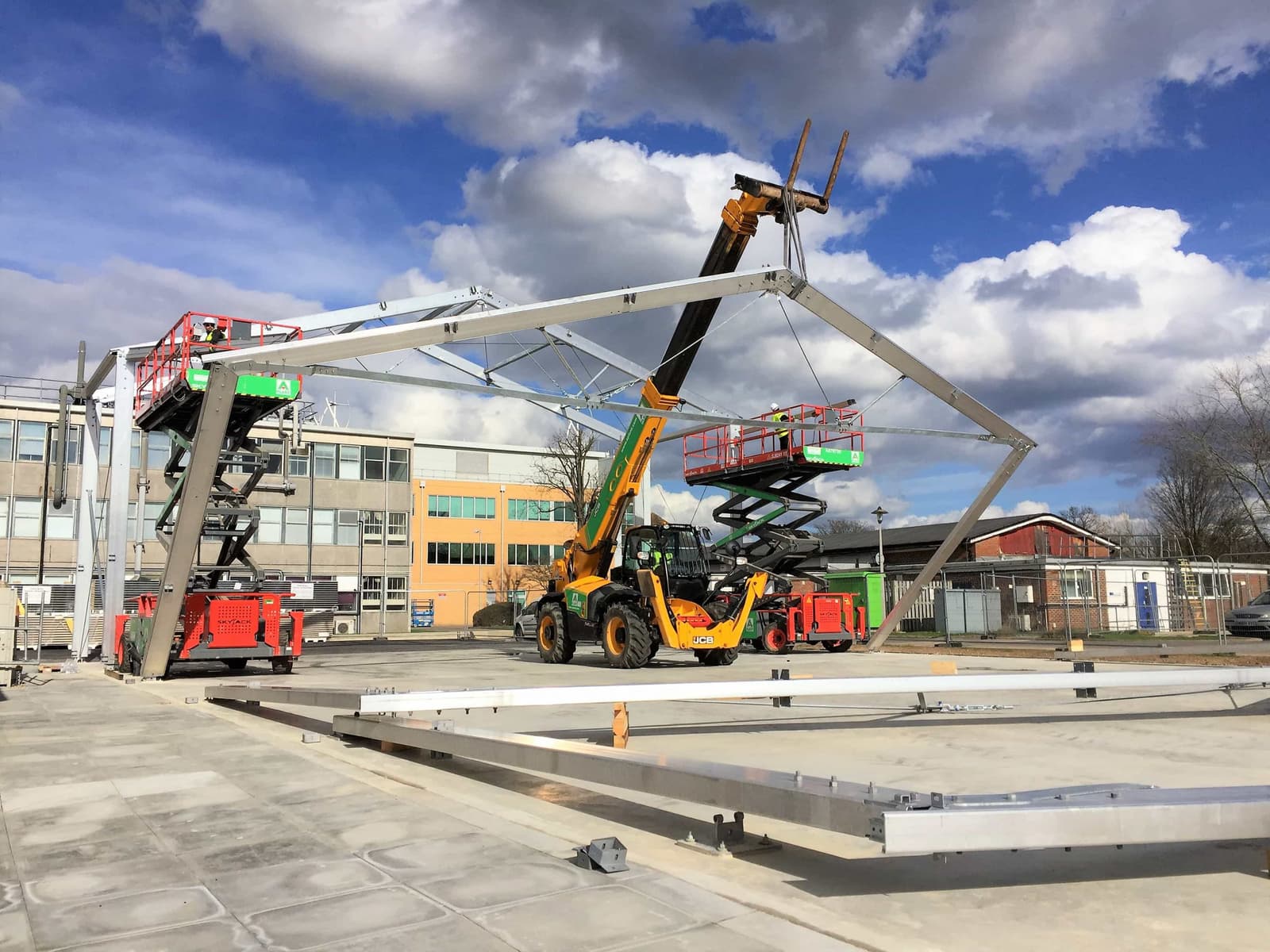
First, ask yourself how much space you really need. You want to choose a building that is neither too small nor too big. Too small is bad for obvious reasons, but too big can be a disadvantage as well, for example in terms of heating/cooling costs. Some spaces might even be adaptable to your needs and provide the possibility of growing together with your business. There are temporary buildings or permanent structures to give you the right amount of flexibility. Industrial tents for example give you a certain amount of liberty in terms of size, material and adaptiveness at a reasonable price.
The right size goes hand in hand with the right layout. Your building’s infrastructure greatly influences the efficiency of a company’s work. Considering what kind of goods you work with or store, their size, volume and weight, and the machines you need in order to manufacture, transfer and ship them, a building needs to have a certain ceiling height and column spacing. It is smart to plan at least roughly what would go where in terms of storage, machines, offices, etc., before you sign a lease, to make sure that the size and layout of the industrial building fit your needs.
Our Industrial and Commercial buildings
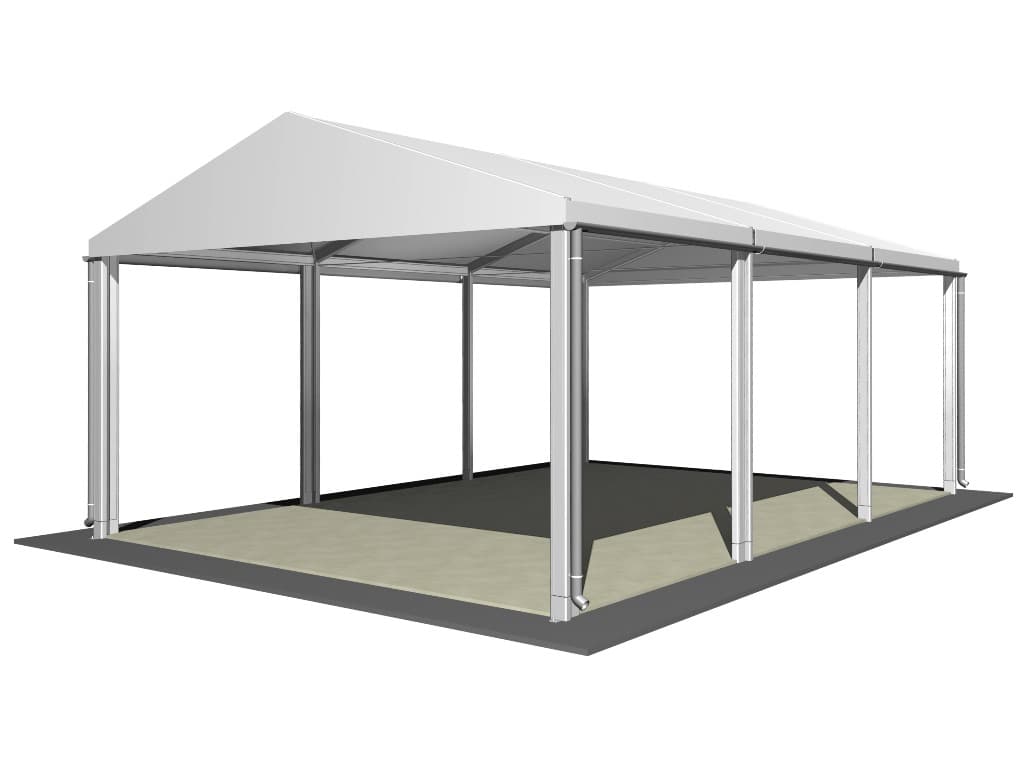
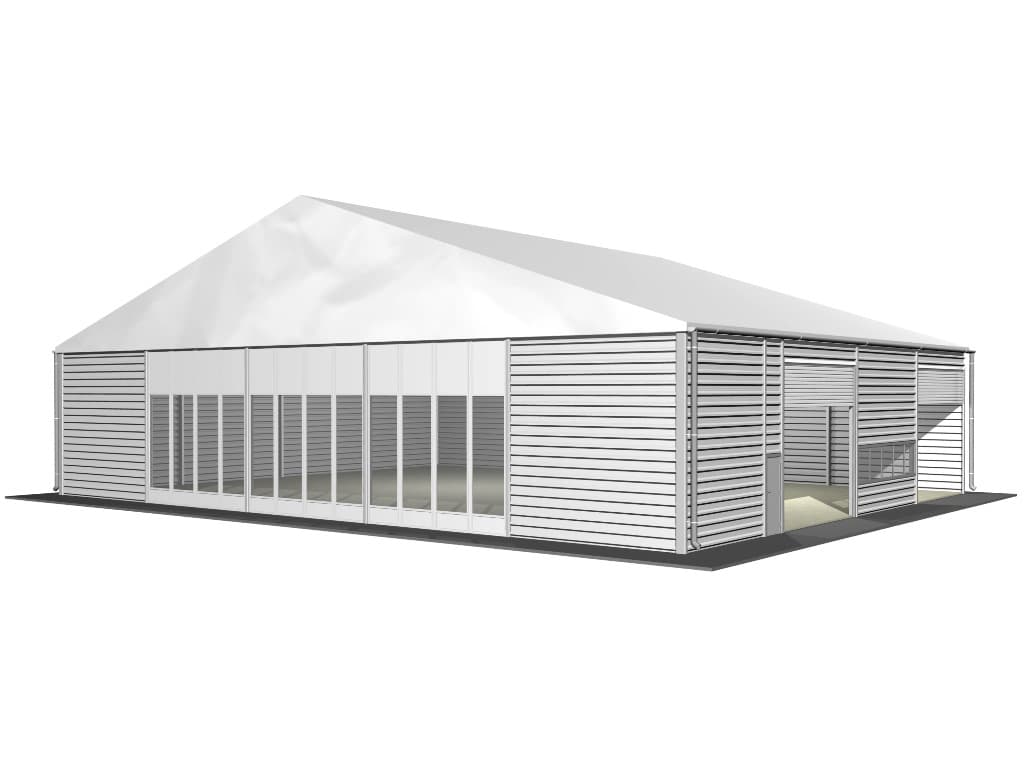
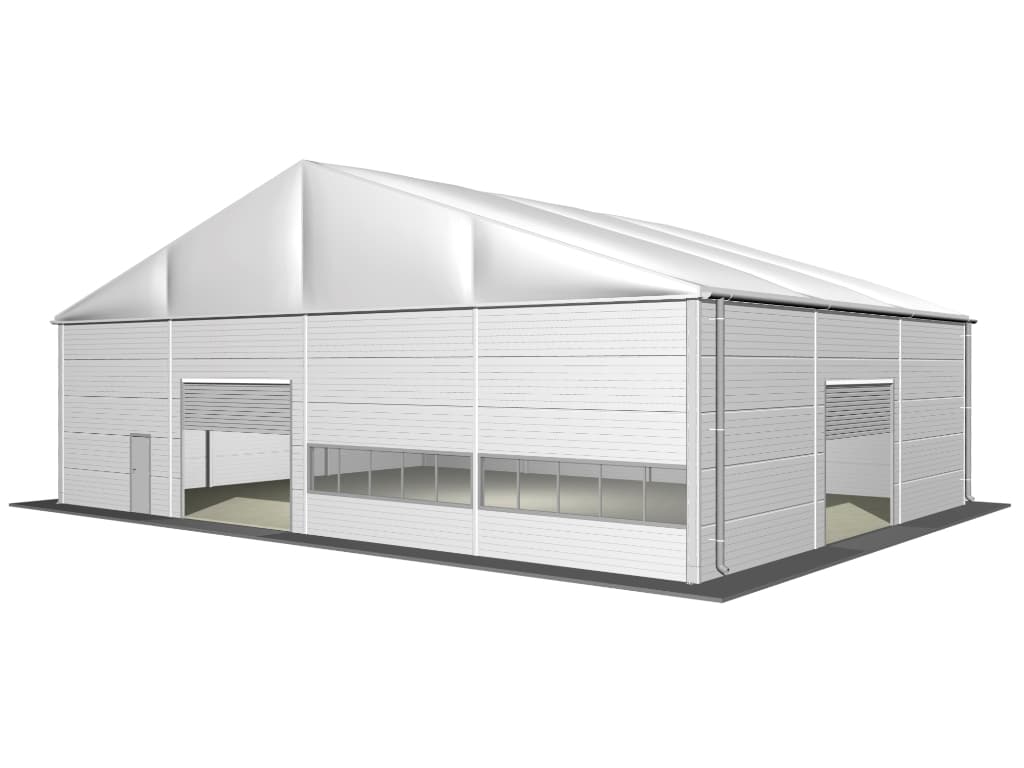
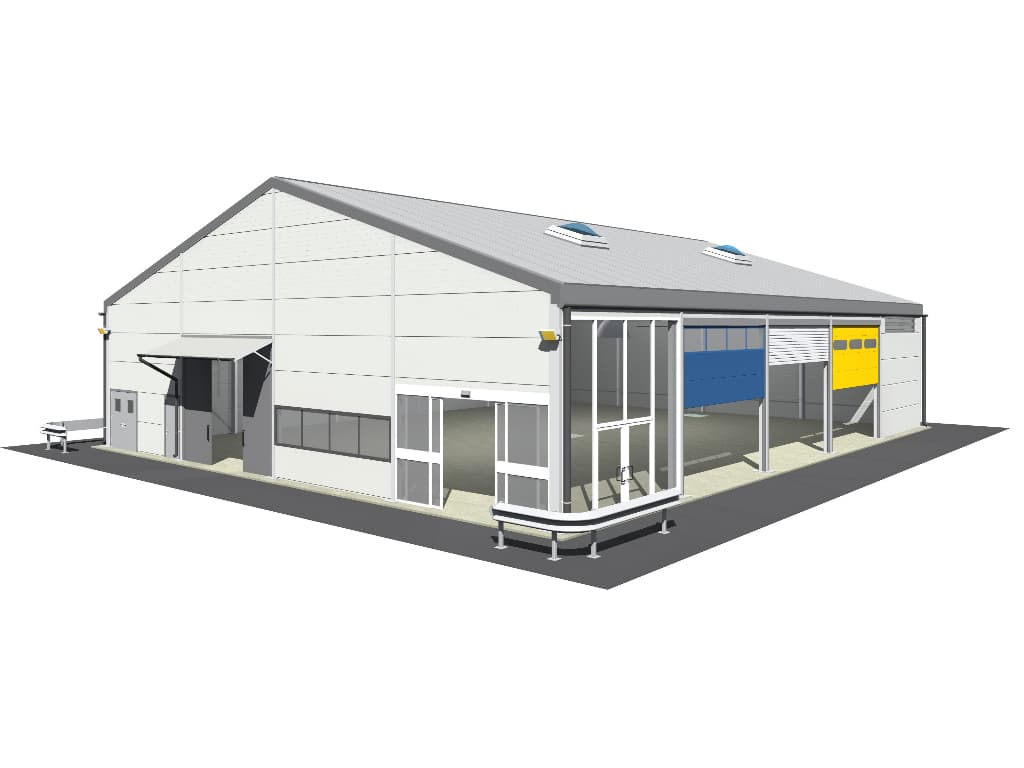
Our configurator tool allows you to design your structure to suit your needs. Design your ideal structure and see how it will look in less than 3 minutes! Receive an estimate and copy of your configuration.