Refugee camps: central emergency accommodation for people in need
Refugee camps are an essential initial reception facility for those affected, providing immediate protection, basic care and a safe refuge in extreme emergencies. Such a refugee camp must be able to be erected quickly and flexibly; only in this way does it meet the requirements of humanitarian aid.
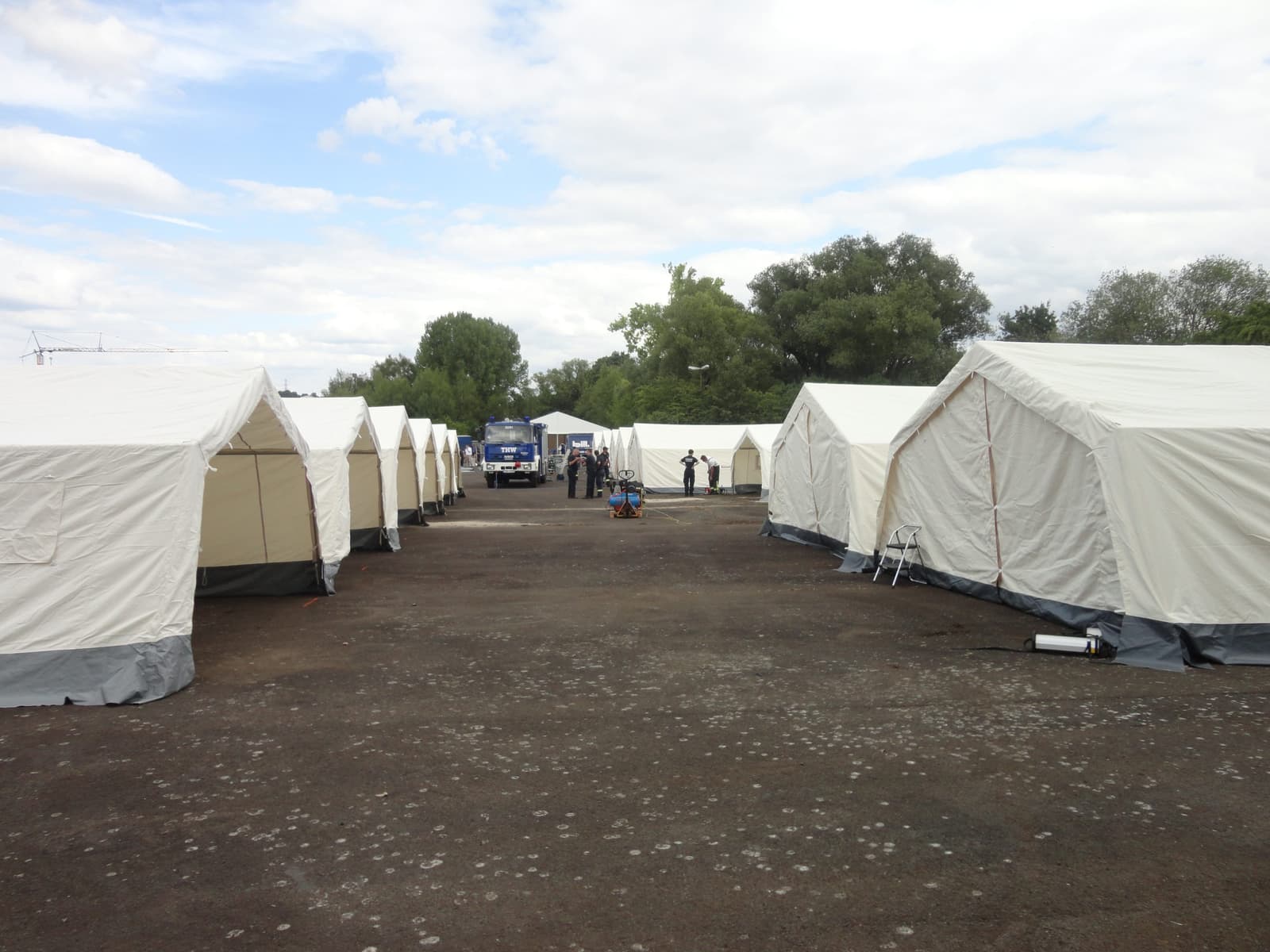
To provide emergency accommodation for thousands of people as immediate assistance, refugee tents are the ideal solution – for longer-term accommodation with improved living conditions, temporary buildings are the ideal choice.
Definition refugee accommodation: What is a refugee camp?
A refugee accommodation is a temporary facility for people who are forced to leave their home due to conflicts, natural disasters or other crises. In order to provide those affected with the fastest possible protection, tents or temporary buildings are used for a refugee camp as emergency accommodation. In addition to a safe sleeping facility, a refugee camp also provides sanitary facilities and areas for medical care.
Problems in refugee camps: What are the greatest challenges?
Refugee camps are an important initial reception facility for affected people, providing protection and safety. In practice, refugee camps also repeatedly face many challenges:
- Overcrowding: Refugee camps are often burdened beyond their capacity. Reasons for this can include ongoing conflicts and crises, causing more people to flee and remain in the camps for longer periods. This overcrowding of refugee camps can increase the risk of diseases and conflicts.
- Lack of infrastructure: Many refugee camps do not have the necessary infrastructure. This includes insufficient water supply, inadequate sanitation facilities, and no privacy for those affected.
- Medical care: Medical care in refugee camps is often inadequate. There is a lack of sufficient medical staff and medical facilities to meet the health needs of residents. This leads to a high rate of illness and a lack of basic medical care.
The aim of a refugee camp is to provide refugees with a dignified place and protection. The following examples show the kinds of problems refugee camps can face in practice:
Case study 1: On the Greek island of Lesbos, the Moria refugee camp was established in 2014 for the registration and provision of migrants and asylum seekers. However, the camp was permanently overcrowded – it was built for around 3,000 people, but at times housed more than 20,000. This overcrowding led to catastrophic conditions and violence. In September 2020, a fire in the Moria camp destroyed the entire refugee camp. The fire brought attention to the poor living conditions under which many migrants and asylum seekers live in Europe.
Case study 2: Since 1991, the Kutupalong refugee camp has existed in the south of Bangladesh. Near the border with Myanmar, many Rohingya Muslims from Myanmar have found refuge there due to conflict and persecution. Following the major refugee wave in 2017, caused by a violent military offensive in Myanmar against the Rohingya population, hundreds of thousands of people fled to Bangladesh. The main problems in the camp are overcrowding, poor sanitary conditions, limited access to healthcare, violence, and a general uncertainty about the future of the refugees.
These examples show that refugee tents provide essential immediate assistance. However, for long-term and sustainable support, they must be complemented by more suitable constructions and solutions.
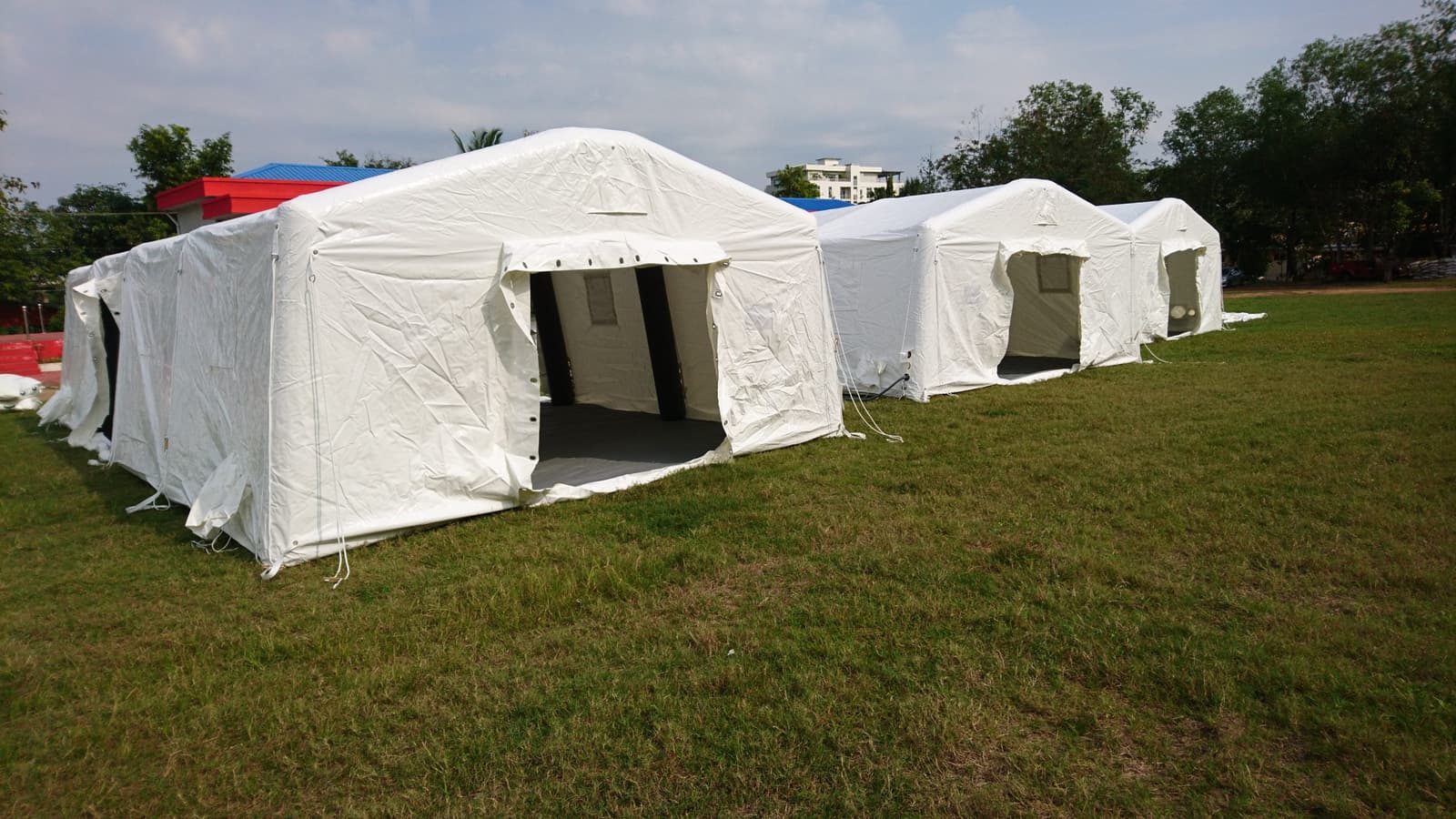
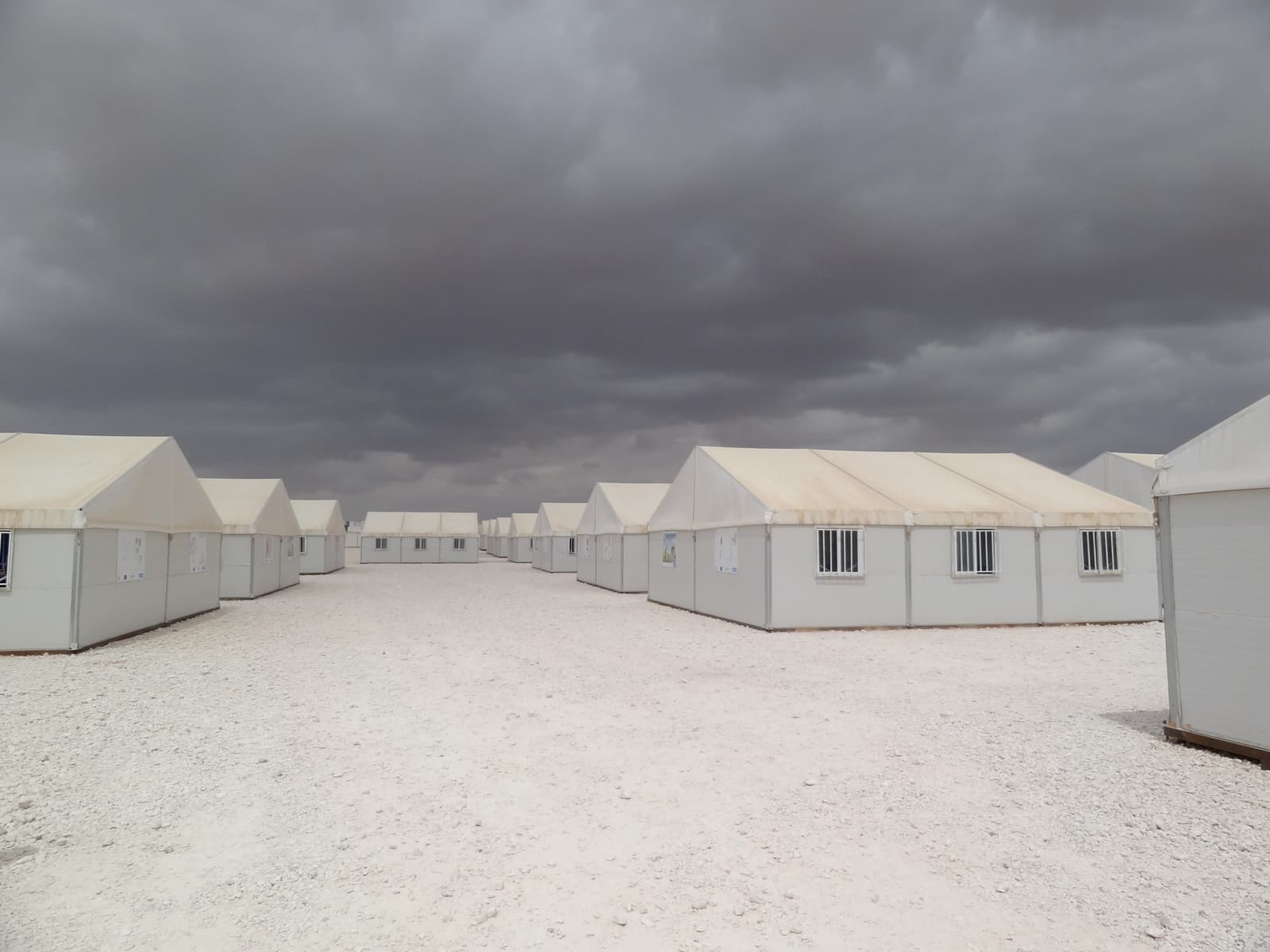
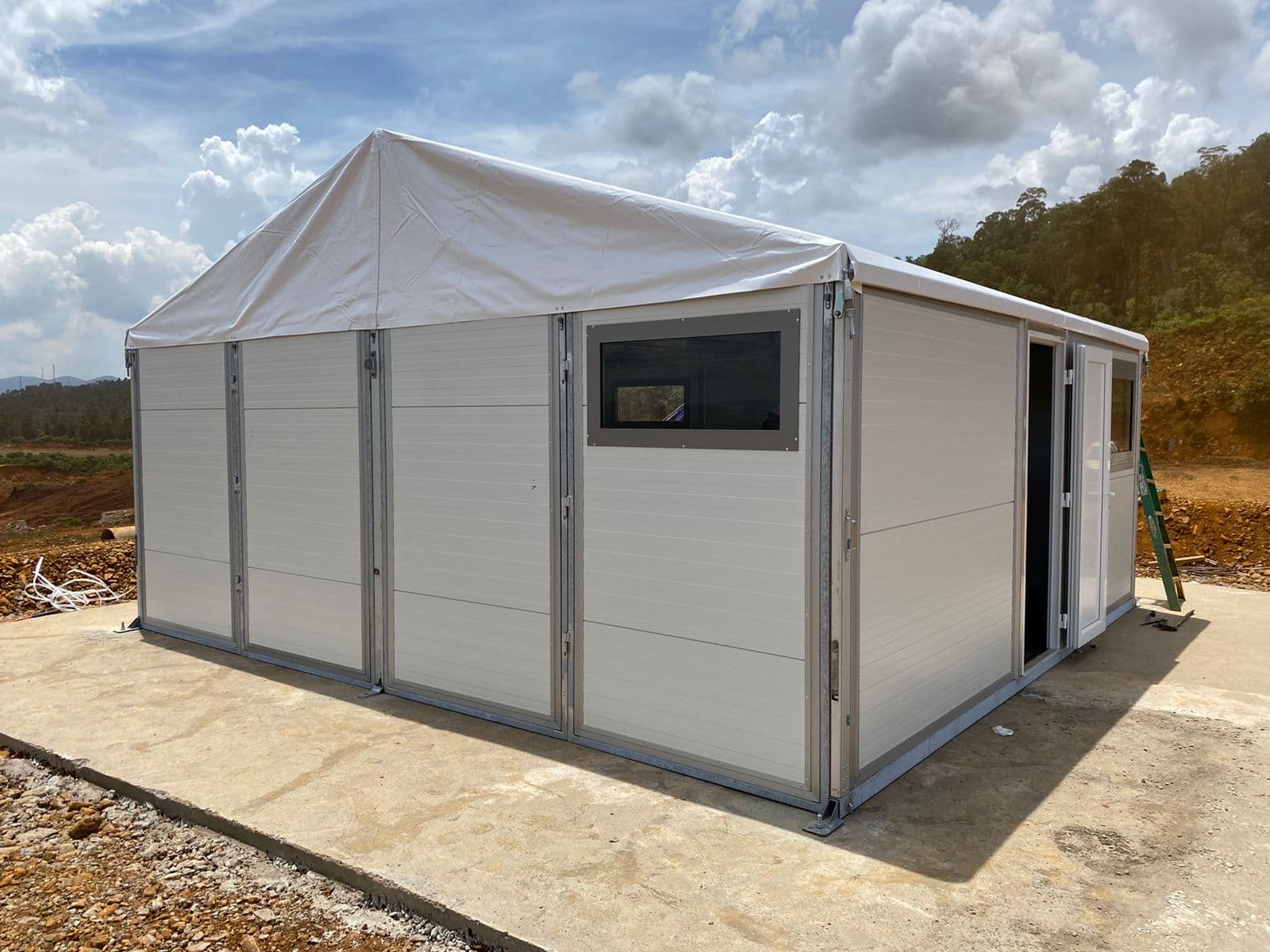
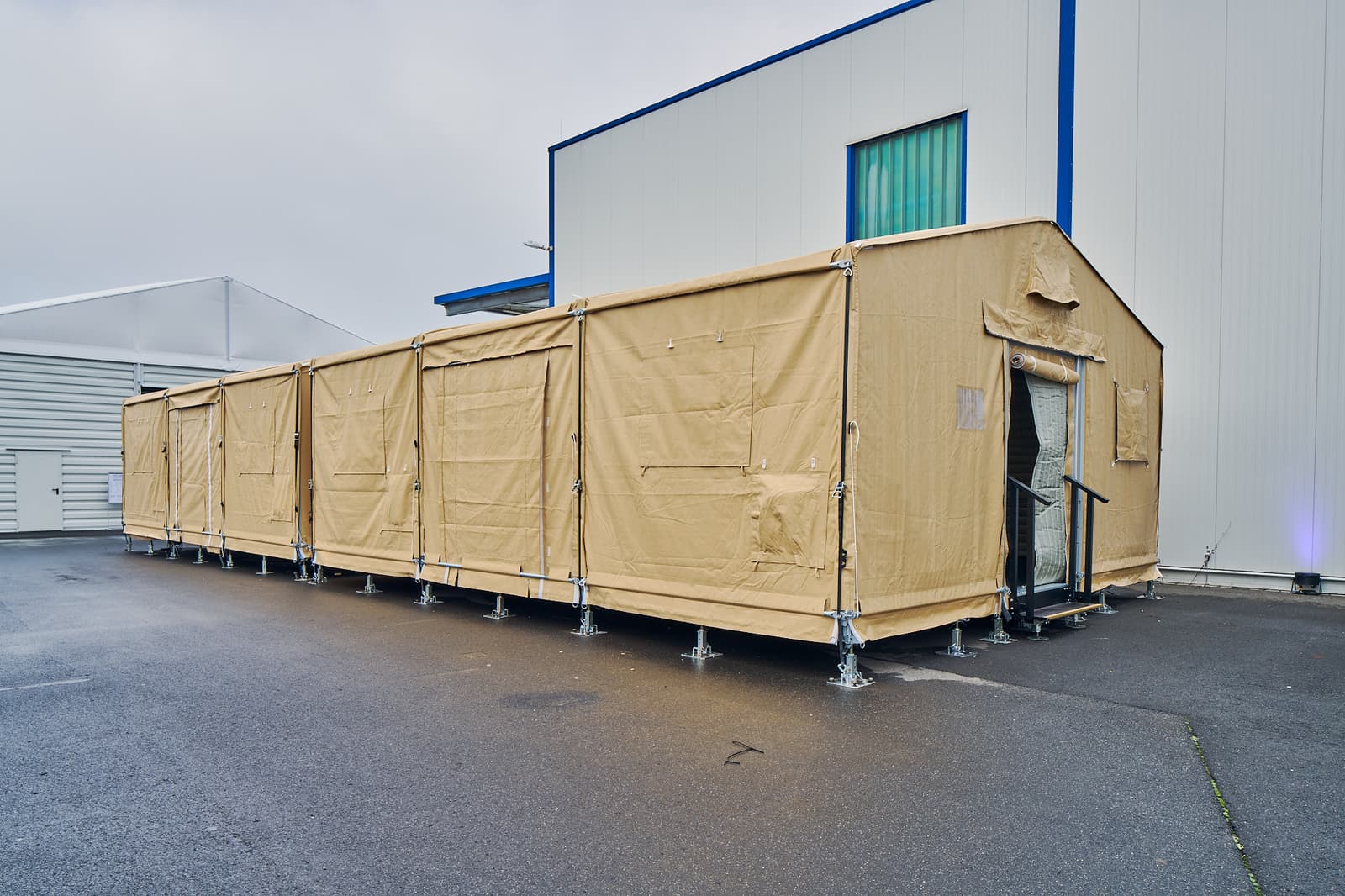
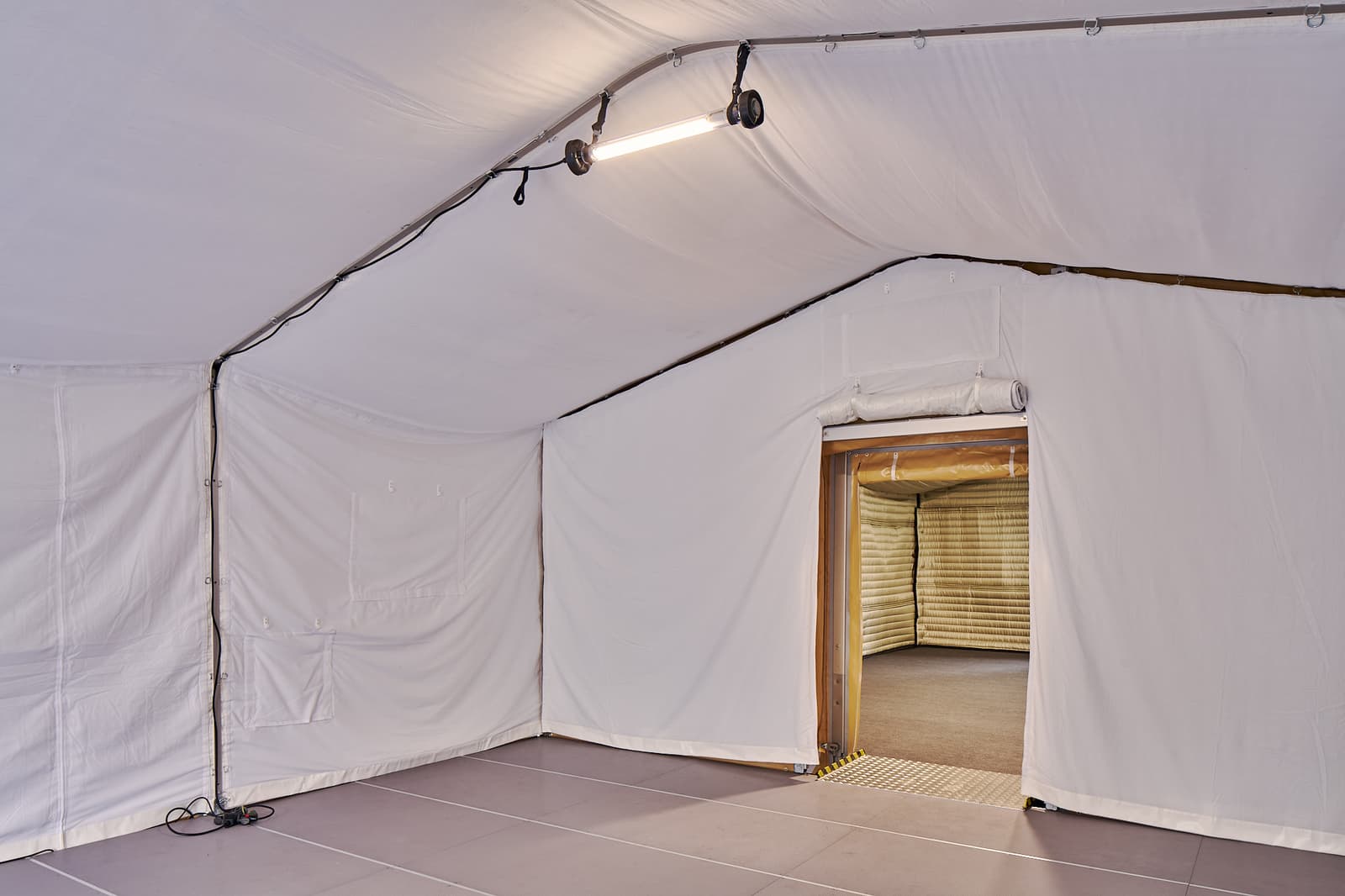
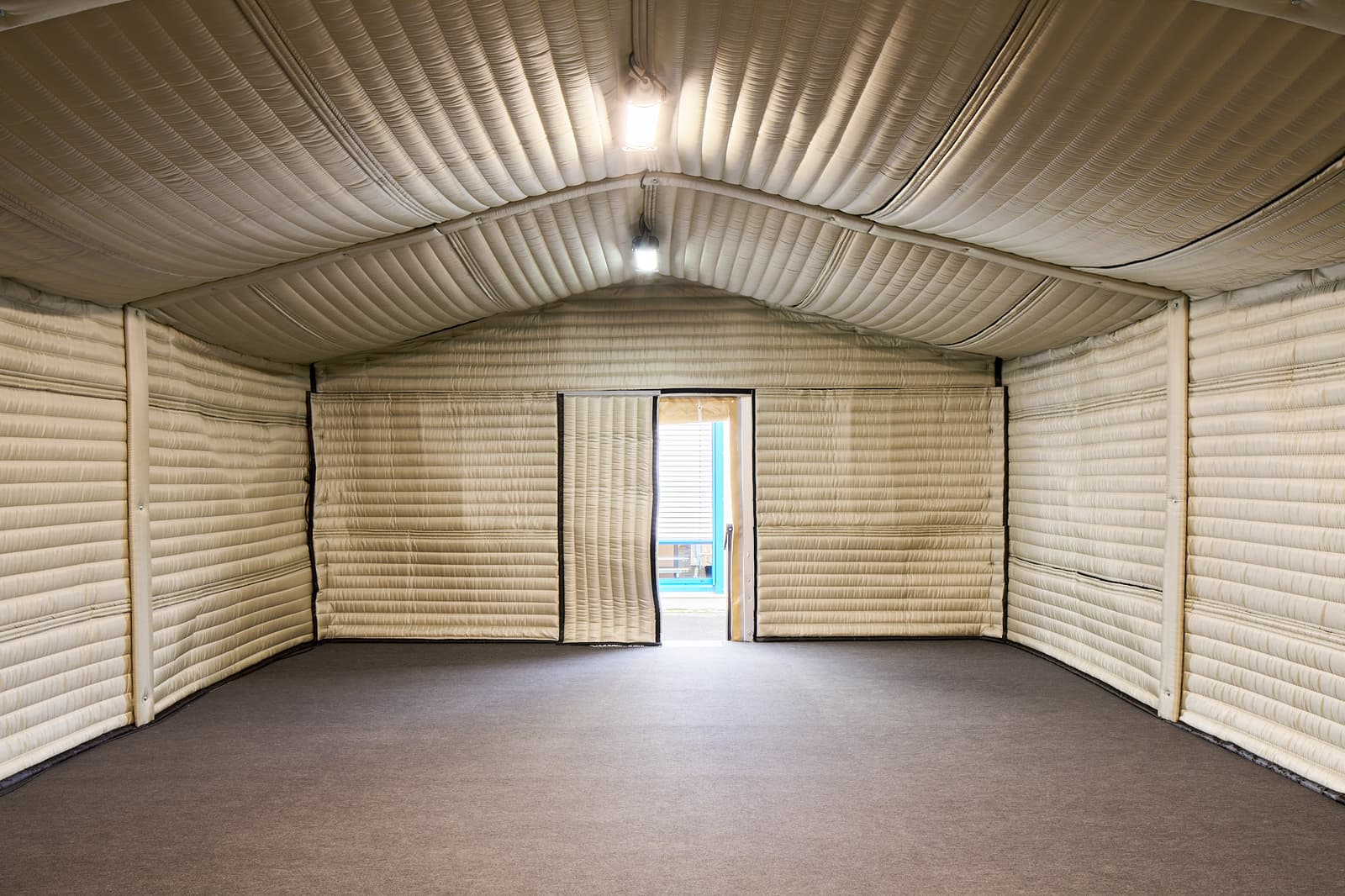
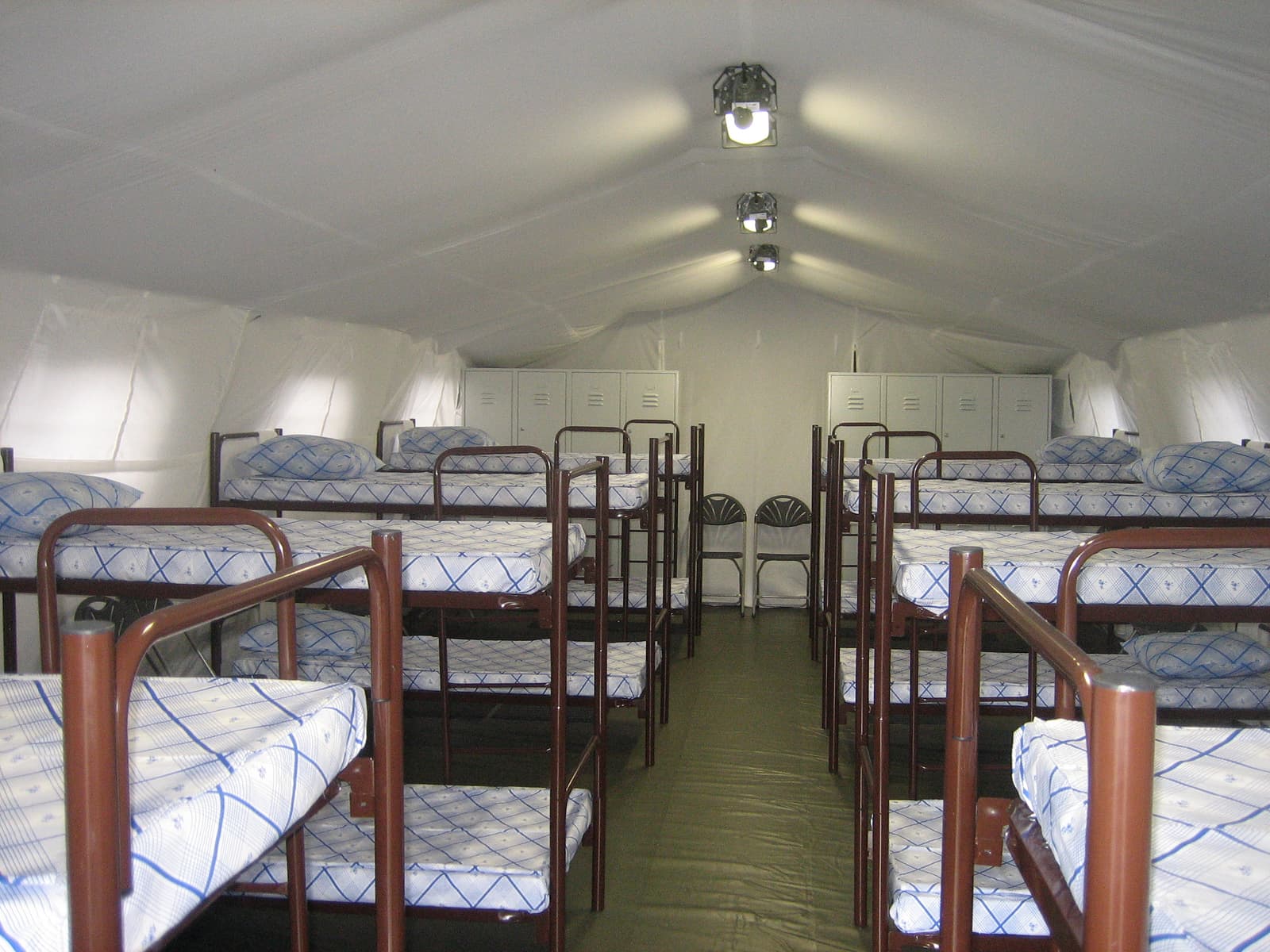
Temporary accommodation in refugee camps: tents and temporary buildings
Temporary accommodation in refugee camps: tents and temporary buildings
Emergency accommodation for refugees: when tents are the best choice
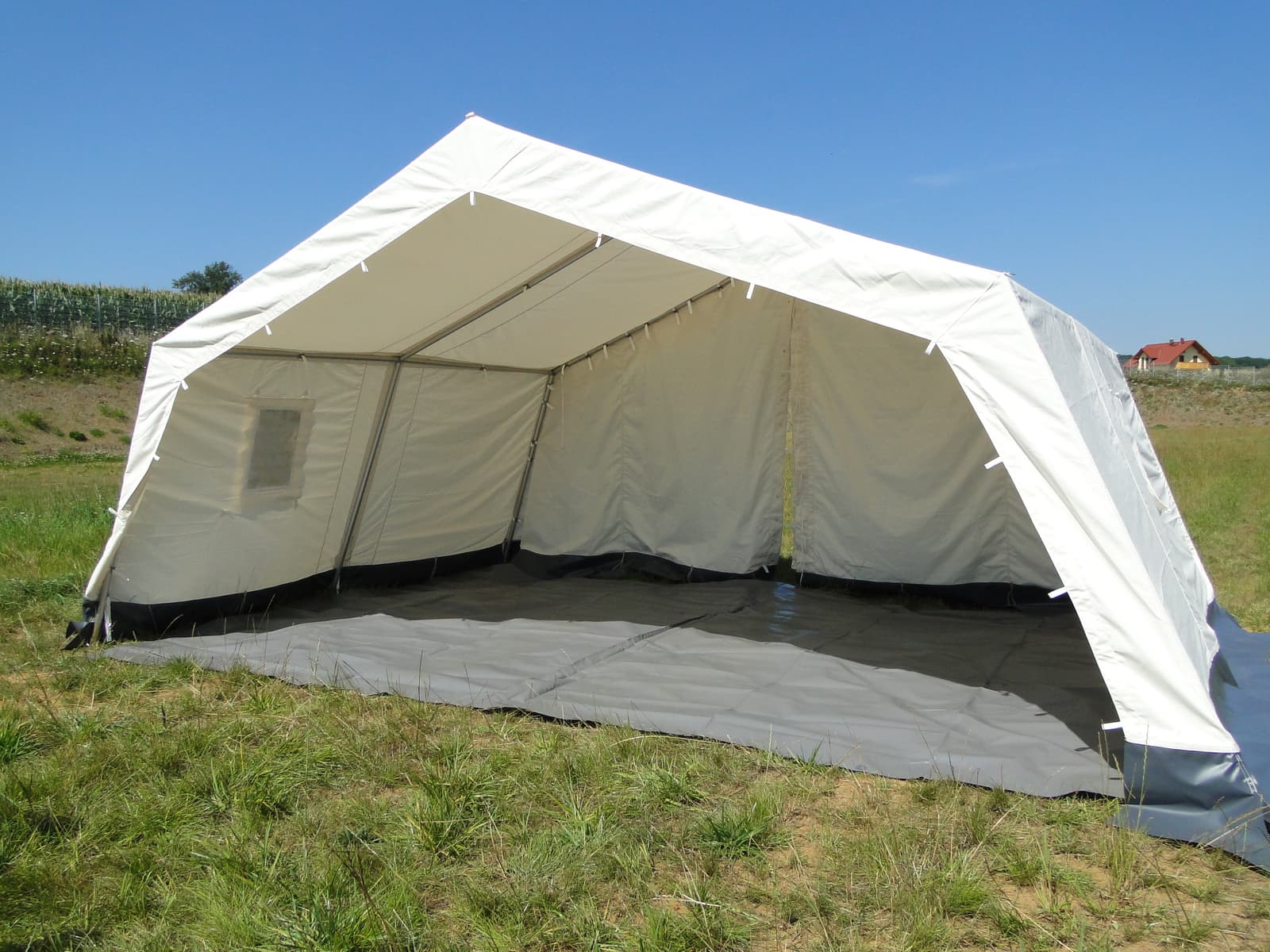
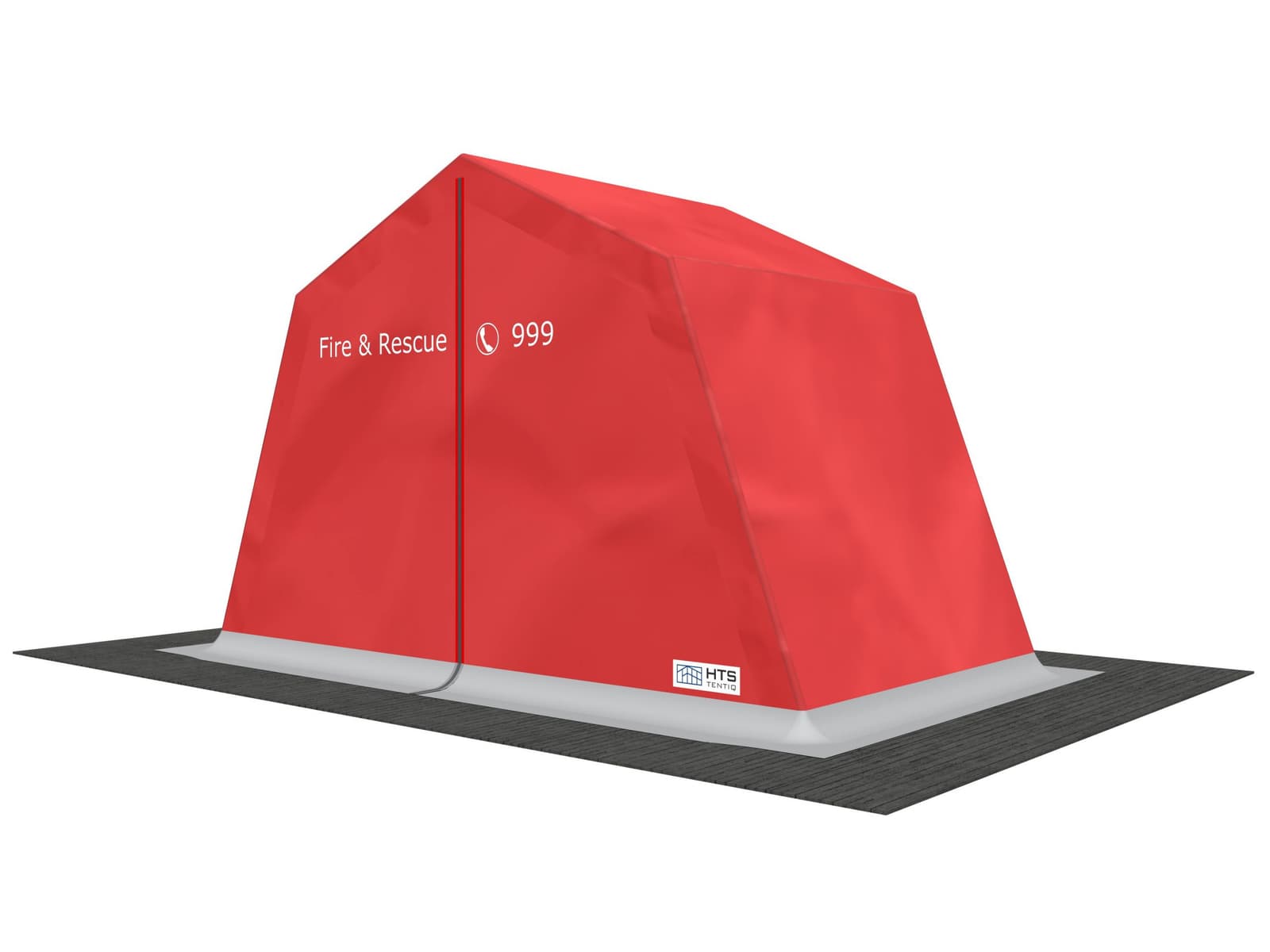
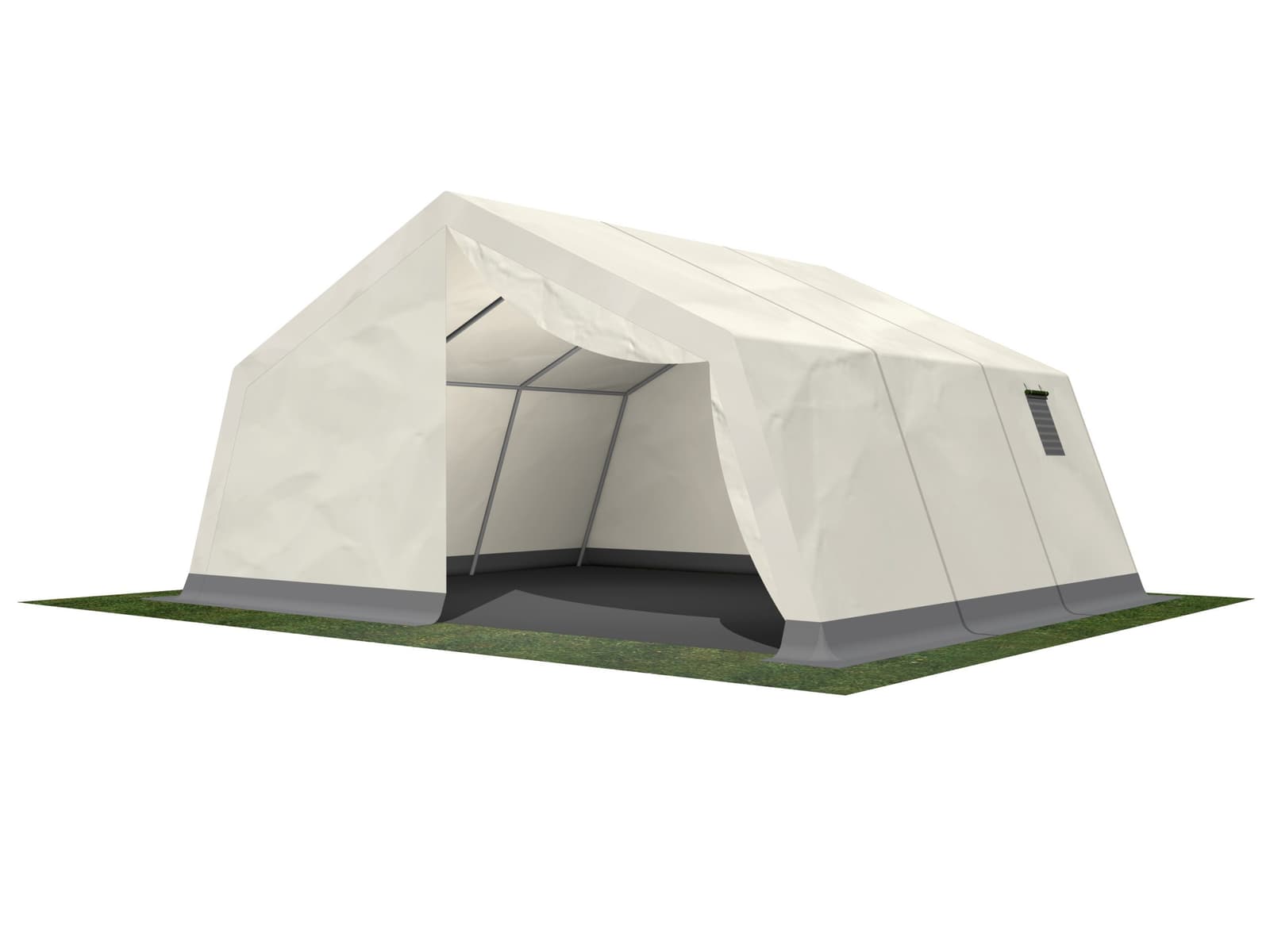
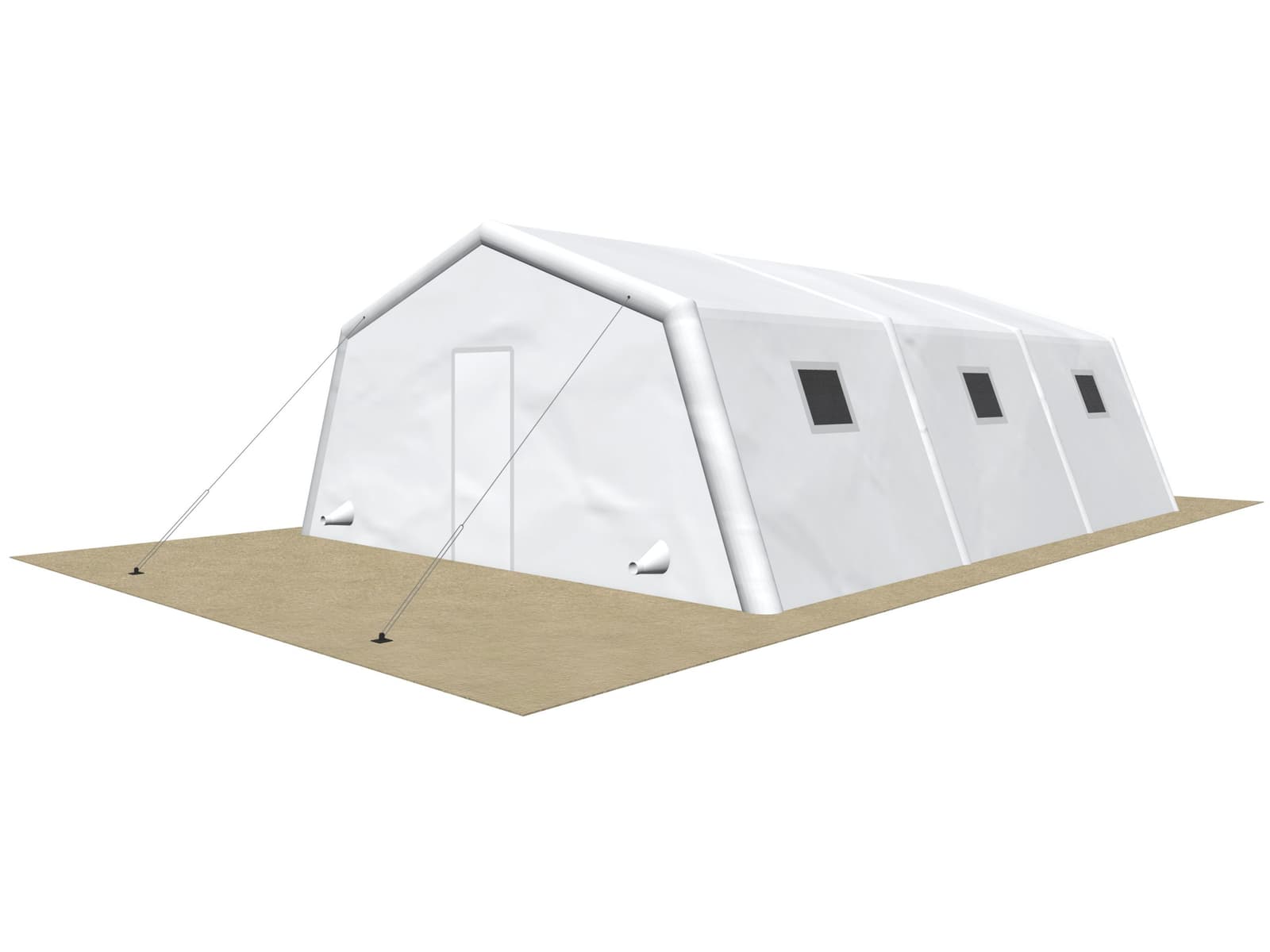
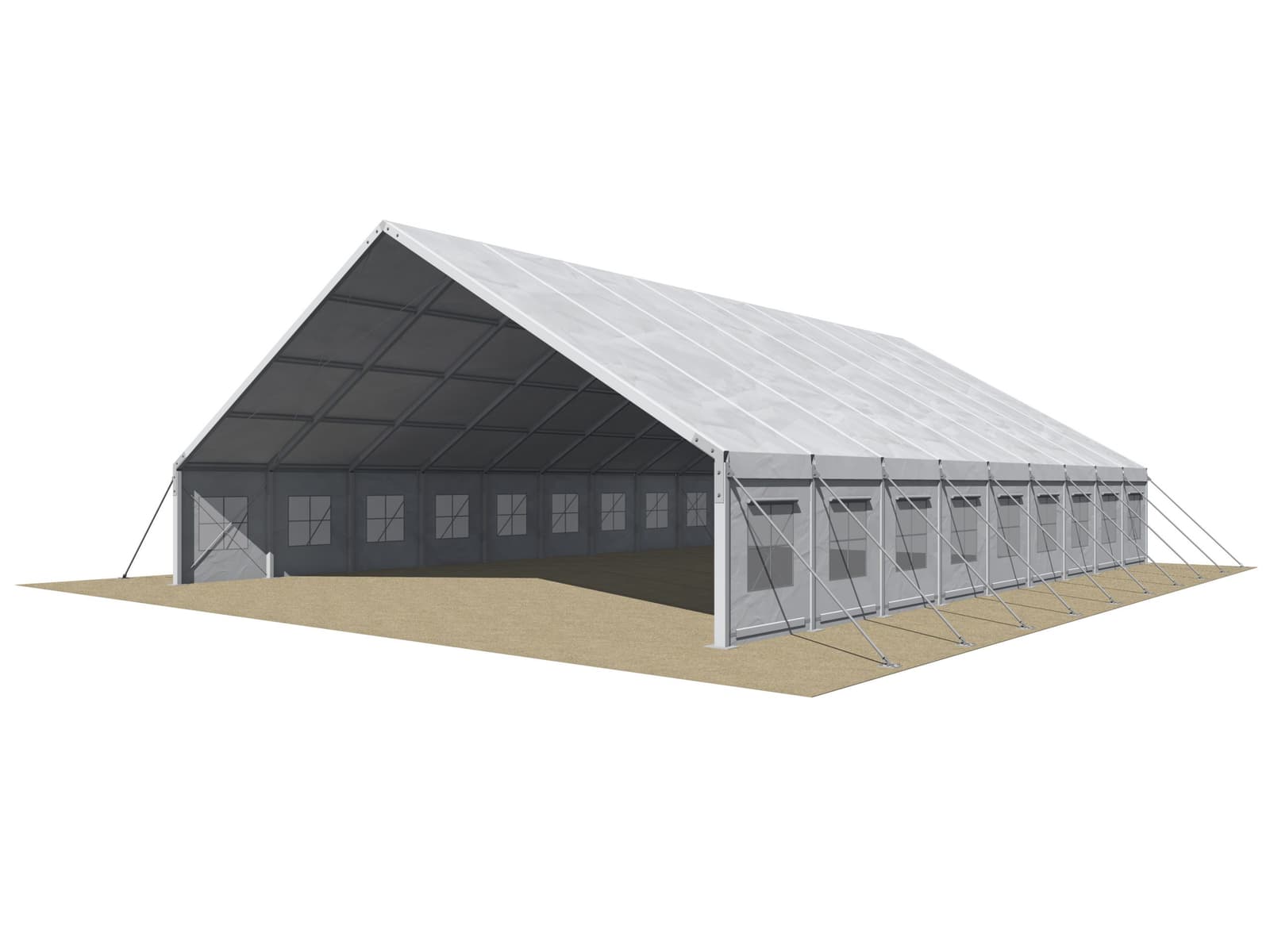
Refugee tents are the ideal choice for the initial phase of humanitarian aid. In the first days and weeks after the outbreak of a crisis, refugee tents are simply indispensable. They provide immediate protection and safety for those affected. In addition, they offer several other advantages:
- Low costs: The procurement costs for refugee tents are lower compared to those for permanent accommodation. This is particularly important, as resources in crisis situations are often limited.
- Rapid production and availability: Tents can be produced and deployed in large quantities quickly. This is crucial in order to meet immediate demand in emergency situations.
- Easy transport: Tents are lightweight and can be efficiently transported to affected areas, whether by lorry, aircraft or ship.
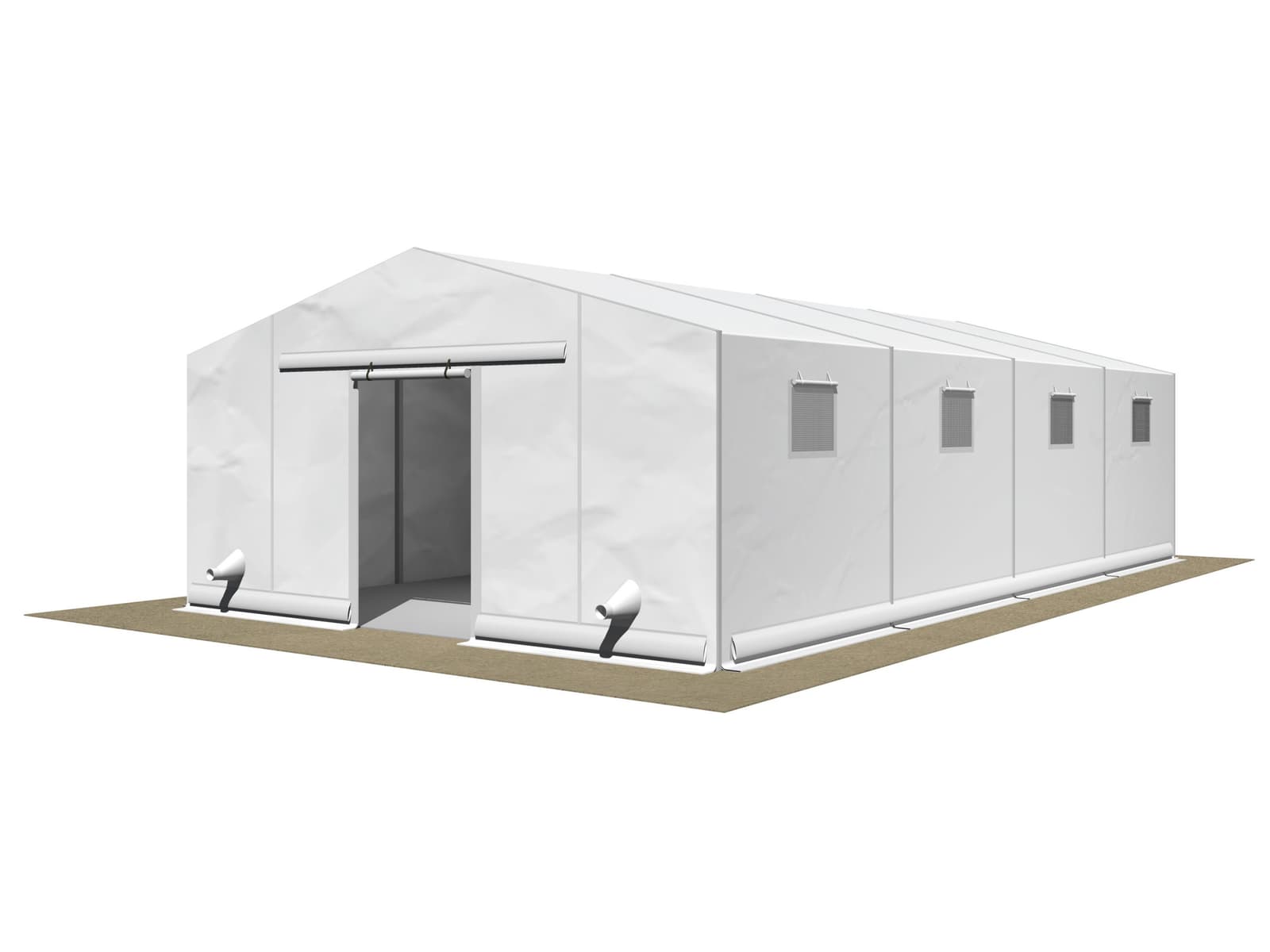
Long-term solutions: temporary buildings in refugee camps
Refugee camps are usually protective facilities that exist for many years. According to the United Nations High Commissioner for Refugees, a refugee camp exists on average for 12 years.
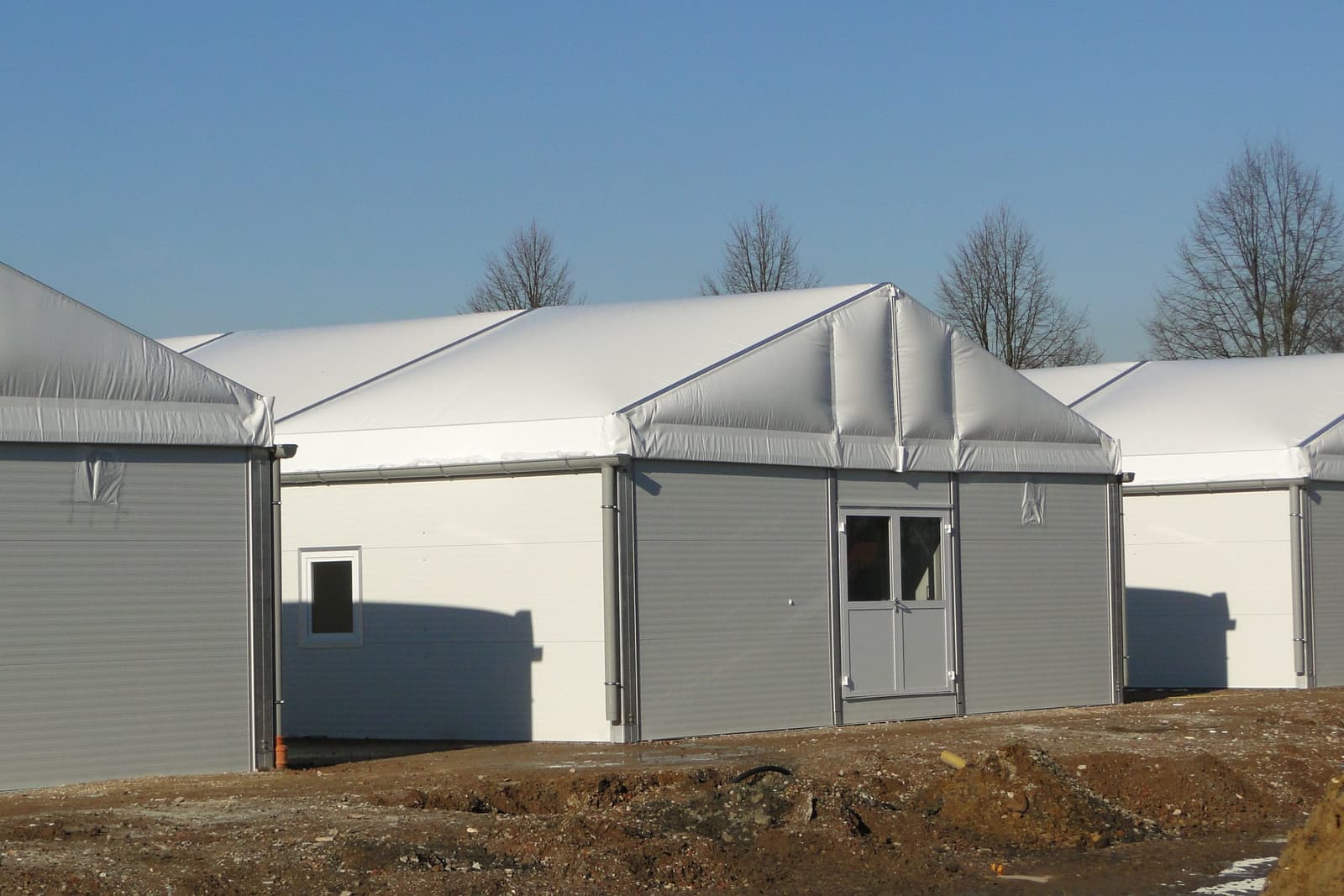
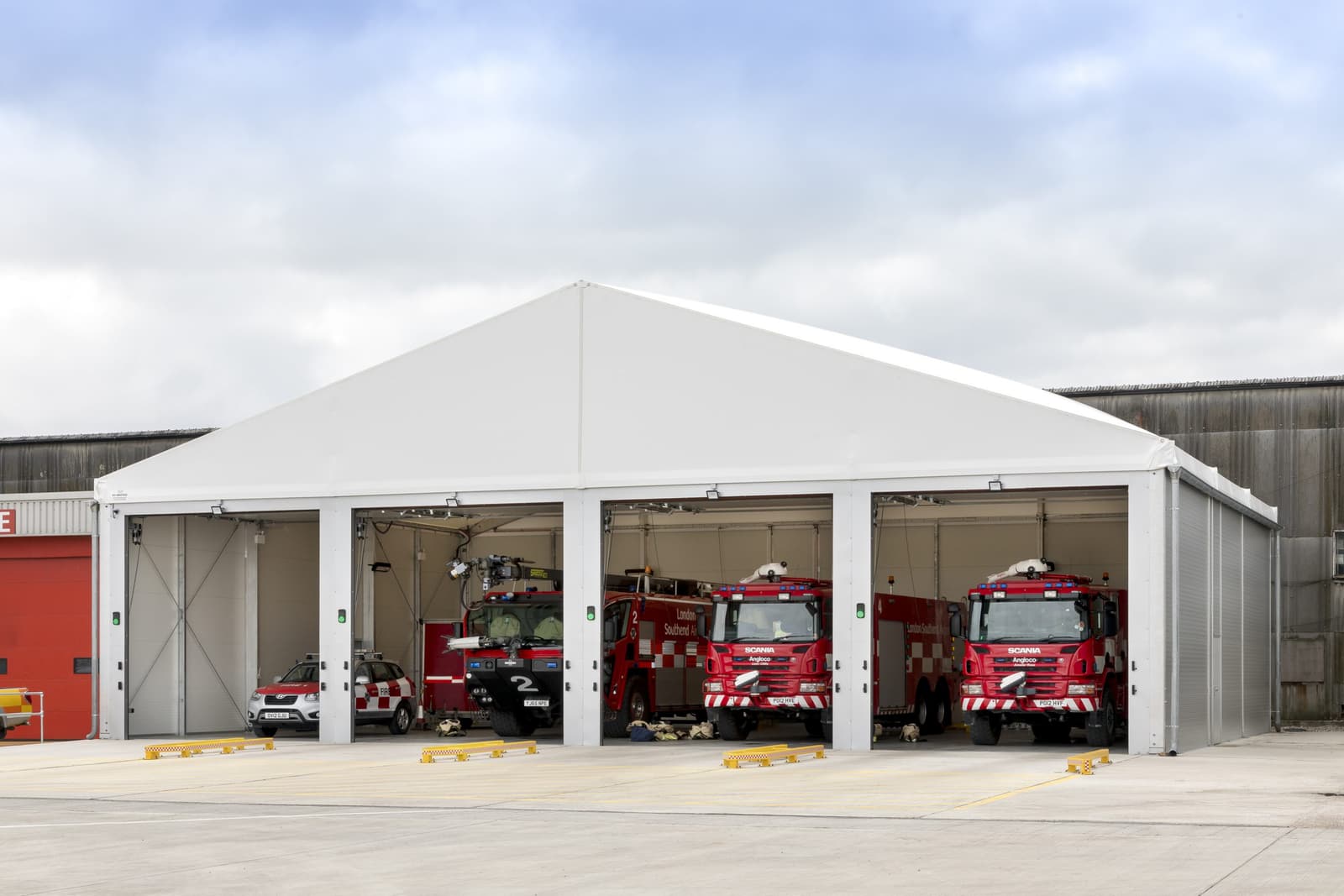
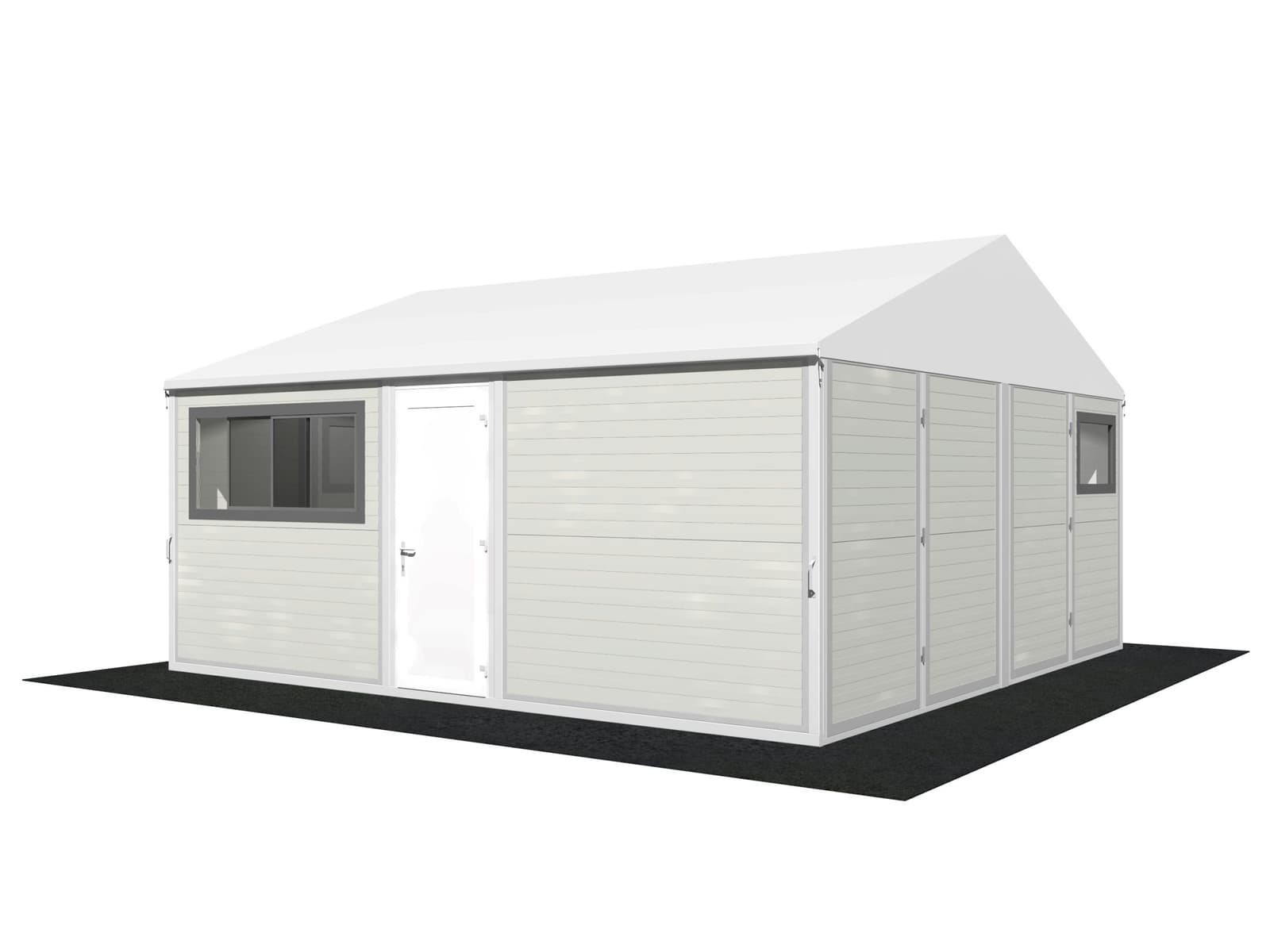
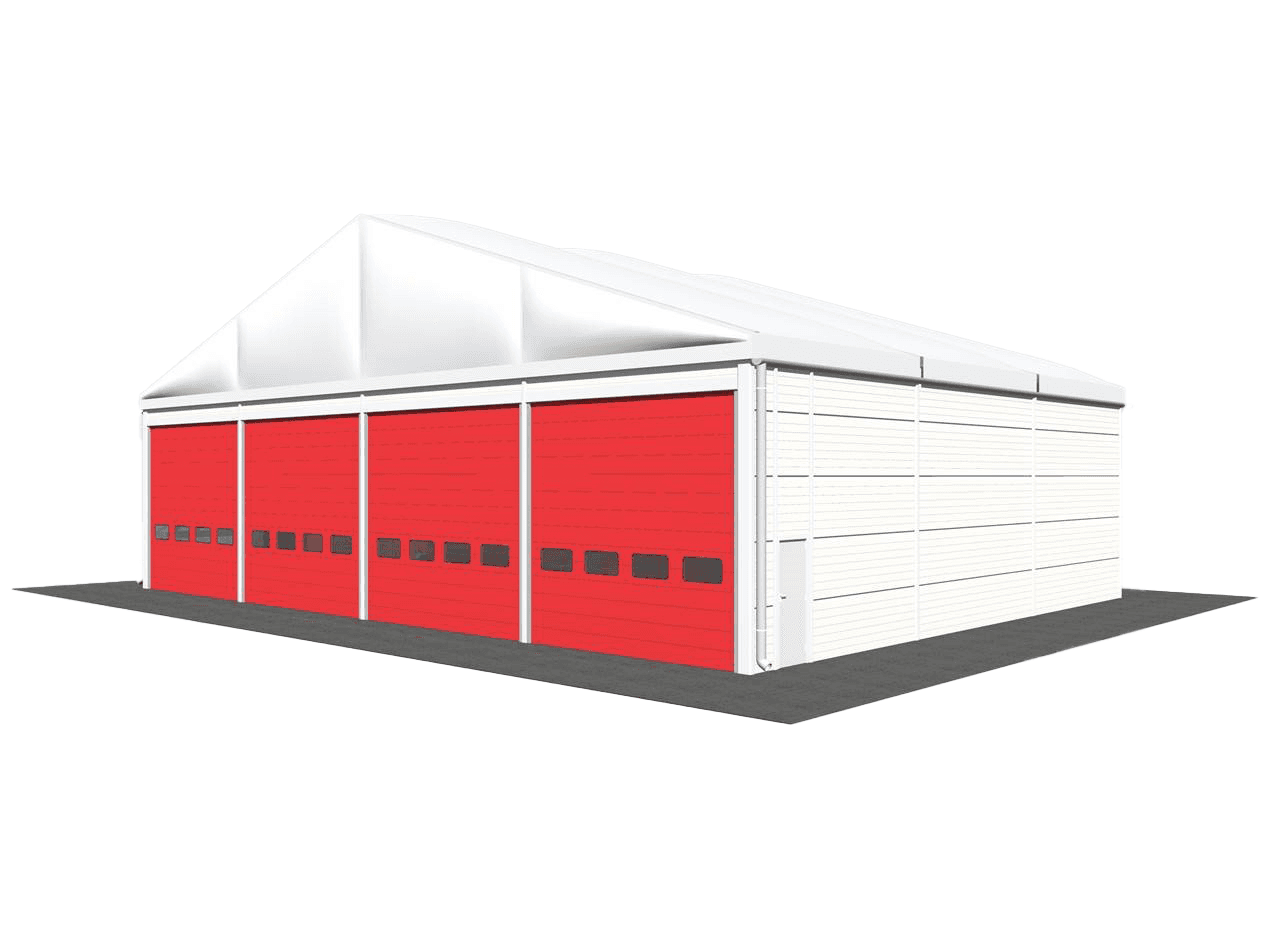
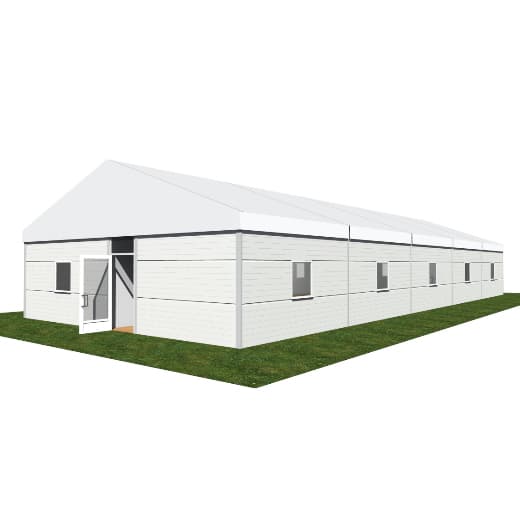
After the initial emergency phase in refugee camps, temporary buildings are therefore often erected. These constructions offer those affected better and more durable protection, as they are suitable for both temporary and long-term use. Temporary buildings for humanitarian purposes can be used as accommodation, community centres, medical stations or educational facilities.
Just like tents, temporary buildings can be quickly assembled and dismantled and rebuilt at another location. In addition, the fittings can be adapted to local conditions, whether with insulation for protection against extreme weather conditions, heating or air conditioning. Due to their modular construction and high level of prefabrication, temporary buildings are quickly available. They can also be expanded repeatedly depending on requirements. This flexibility makes them ideal for long-term use in humanitarian crisis areas and enables greater comfort and improved living conditions.
Planning of refugee camps: what needs to be considered
When establishing refugee camps, numerous criteria must be taken into account in order to ensure the safety and well-being of those affected. Here are some of the most important aspects:
- Safety: Ensure that the refugee camp is established at a safe distance from conflict zones or sources of danger.
- Size of the refugee camp: The number and layout of emergency accommodation should be carefully planned in order to reduce the risk of fire and prevent the outbreak of diseases.
- Location and stability of the ground: The site should provide firm ground and have shaded areas.
- Access to water: A reliable water supply is an essential criterion for a refugee camp. Ensure that a water source is located nearby.
- Accessibility for vehicles: The refugee camp should be easily accessible for vehicles in order to enable the delivery of aid supplies and medical goods.
- Infrastructure: Sanitation facilities, cooking areas, communal spaces and waste disposal areas should be carefully planned to make living conditions in the camp as comfortable as possible.
- Healthcare: Temporary facilities for medical emergencies and care may be essential depending on the operation.
Case studies of successful refugee camps and temporary accommodation
In humanitarian crises, refugee camps ensure survival conditions for those affected. HTS TENTIQ has developed special tents and temporary buildings for humanitarian purposes, which are characterised by particularly rapid assembly and easy transport. HTS TENTIQ has extensive experience in providing refugee tents and emergency accommodation:
Refugee camp in Greece: After a fire in September 2020 in the refugee camp on Lesbos left thousands of refugees homeless, HTS TENTIQ was commissioned to deliver 99 emergency accommodation units for refugees. Due to the extremely urgent situation, the required tents were delivered within one day of the order being placed. This enabled those affected to be provided quickly with the urgently needed protection.
Pandemic camp in Spain: During the COVID-19 pandemic, HTS TENTIQ provided 100 emergency tents to a Spanish military supplier. These tents were used to set up field camps for crisis management and to provide people with temporary accommodation. The aim was to prevent the spread of the virus and to care for and isolate infected individuals.
Are you interested in a temporary building or a shelter tent for humanitarian operations? Then simply use our contact form – this is the quickest way to reach our experts.
Alternatives to refugee camps: innovative solutions and developments
In order to organise refugee assistance for those affected in a more targeted and sustainable way, new approaches are being developed; these include:
- Sustainable building materials: The use of environmentally friendly and durable materials for the construction of accommodation can improve living conditions. This includes, for example, modular buildings made from recycled materials such as temporary buildings made from aluminium or from locally available resources.
- Renewable energy: Solar energy, wind power or small biogas systems are intended to reduce dependence on external energy sources in refugee camps and ensure access to energy. This increases the independence of refugee camps.
- Technological developments: Technologies such as mobile apps for resource distribution, telemedicine services or digital education solutions can significantly improve the quality of life of refugees and enable access to essential services.
- Partnerships: Cooperation between aid organisations, governments and manufacturers of emergency accommodation can be crucial in developing more efficient solutions for refugee assistance. These partnerships play a particularly important role in the provision of infrastructure, medical care and other resources.
Conclusion: The role of refugee camps and temporary accommodation in humanitarian aid
Refugee camps provide immediate protection during crises and conflicts by offering those affected a safe refuge and basic supplies. However, refugee camps play a much larger role than is often assumed. In addition to protection and safety, a refugee camp aims to promote family cohesion and strengthen community life. While they serve as a short-term solution, refugee camps provide a platform to plan long-term solutions such as resettlement, integration into local society or return to the countries of origin. Through this comprehensive humanitarian assistance, a foundation for the future lives of those affected in refugee camps is created.
Temporary accommodation in the form of refugee tents or temporary buildings makes it possible to respond quickly to humanitarian emergencies with the necessary spatial solutions, while at the same time improving the living conditions of refugees. Both refugee tents and temporary buildings are robust and durable. They can be supplied in various sizes and configurations to meet the specific requirements of humanitarian operations. While tents are used as an immediate solution in humanitarian crises, temporary buildings serve for long-term provision.