Safety in the warehouse: important measures and regulations for safe operation
In warehouse buildings, many potential hazards lurk, from forklift trucks and heavy machinery to high racking and chemical substances. To prevent accidents and protect employees’ health, clear safety measures and compliance with statutory regulations are essential.
We show you which measures and safety briefings are essential for safe and efficient warehouse operations and why the optimal space solution makes a significant contribution to greater safety in the warehouse.
Why safety in the warehouse is essential for your operation
One in ten workplace accidents in Germany occurs during storage, loading or unloading.
In total, this amounts to around 89,000 warehouse accidents annually. These include, for example, crush injuries during loading or unloading, collisions with warehouse vehicles, as well as injuries caused by falling goods or from racking edges. These workplace accidents can have serious consequences for employees’ health as well as for the operation itself.
Workplace accidents are subject to mandatory reporting in Germany if the insured person is unable to work for more than three days due to the accident. Employers or their authorised representatives must report the accident to the relevant employers’ liability insurance association within three calendar days. Based on information about the work activity and the machinery or technical equipment involved, risks and hazards are identified and necessary measures for accident prevention are developed. The report also ensures that the affected person receives the benefits to which they are entitled, such as injury benefit and rehabilitation. Proper and safe storage reduces the likelihood of accidents and is therefore a key aspect for companies in storage and logistics.
There are numerous sources of danger in warehouse buildings. The most common hazards in relation to health and safety in warehouse buildings are shown in the table below:
Type of hazard source | Examples of risks |
|---|---|
Electricity |
|
Chemicals and other substances |
|
Forklift trucks and industrial trucks, and work equipment |
|
Workplace |
|
Stored goods and type of storage |
|
Personal risks |
|
Hazard analysis and risk assessment in the warehouse building: what needs to be considered
In order to be able to take measures that reduce the likelihood of accidents and improve warehouse safety, the various risks must first be identified and assessed. This is the responsibility of the respective operation.
We show you how a risk assessment is carried out in practice:
- Identification of hazards: all workplaces, machines, vehicles and traffic routes are examined for potential sources of danger.
- Impact of the work and the risks on employees: this includes possible injuries, ergonomic strain and effects on mental health.
- Development of protective measures: based on the risk assessment, suitable protective measures are developed:
- Technical measures: are there alternatives to the planned machines that are less hazardous?
- Structural measures: can structural changes reduce or eliminate the risks?
- Process-related measures: can a change in operational procedures and workflows reduce or eliminate the risks?
- Personal measures: does protective equipment provide the necessary protection for employees? Do regular employee training sessions reduce the likelihood of risk?
In addition to the risk assessment, operational emergency planning is another important aspect of occupational health and safety. Emergency planning includes preparation for all risks affecting a company, such as fires and explosions, declining sales figures, staff shortages or software failure. The aim of operational emergency planning is to ensure the safety of employees and to minimise damage to infrastructure.
Safety in the warehouse: 8 tips for minimising hazards in the warehouse
Accidents and injuries in warehouse operations can be avoided. We show you which tips improve warehouse safety while also increasing efficiency and productivity.
1. Regular maintenance and inspection of work equipment
Regular maintenance of machines, industrial trucks and equipment is mandatory in order to ensure ongoing warehouse safety. This is because repeated loading and unloading can often cause damage to racking that is not visible, thereby increasing the risk of injury and collapse. Under the German Industrial Safety Ordinance (BetrSichV), employers are obliged to have the safe condition of systems requiring monitoring checked regularly. Through racking inspections in accordance with DIN EN 15635, damage to racking can also be identified and rectified at an early stage.
2. Optimal warehouse planning and organisation
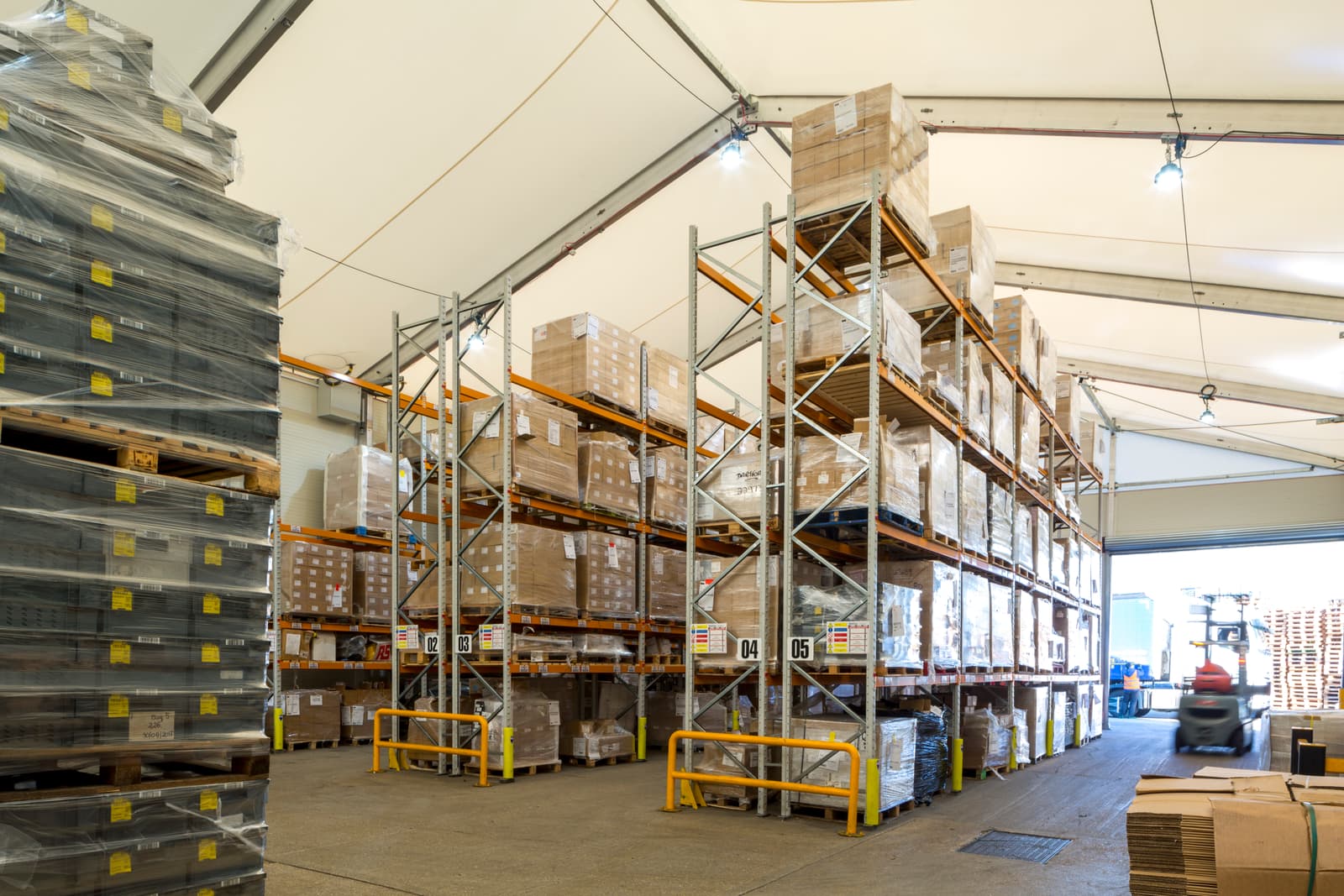
Careful warehouse planning and organisation are essential in order to prevent accidents. A well-structured warehouse reduces the risk of tripping hazards and improves material flow. A key factor in this is also selecting suitable racking systems and introducing an optimised racking system.
Traffic routes adapted to operational processes and industrial trucks, as well as clearly marked storage areas, make a significant contribution to safety in the warehouse. In addition, safety barriers provide optimal safety and protection.
3. Training and instruction for employees
For occupational and warehouse safety, employees should receive regular training and safety instruction. The content and frequency of this training must be documented. A large proportion of workplace accidents occur in connection with industrial trucks. Therefore, specific training on the operation of industrial trucks and driving techniques must be carried out.
4. Ergonomics and personal protective equipment
Ergonomic workplaces and the correct personal protective equipment (PPE), such as safety goggles, helmets and gloves, make a significant contribution to safety and protect against many injury risks. However, they cannot prevent incorrect lifting or uneven strain – for this, targeted training and ergonomic working practices are essential. It is also crucial that protective equipment is regularly inspected and maintained.
5. Handling hazardous substances
Proper handling of hazardous substances includes the safe storage, labelling and disposal of chemicals and other dangerous materials. To protect employees who work with hazardous substances, the regulations and protective measures in accordance with the Hazardous Substances Ordinance (GefStoff) must be observed.
6. Protection against falls and falling objects
To prevent falls and injuries caused by falling objects, storage racking must be stable and properly loaded. Correct stacking technique is therefore essential. Protective devices such as fall protection systems and safety grilles can additionally contribute to safety.
7. Documentation of goods issues
To increase theft protection in the warehouse, all goods movements are precisely documented. This includes the recording of goods issues, returns, and supply chains.
8. Installation of safety signage and emergency exit lighting
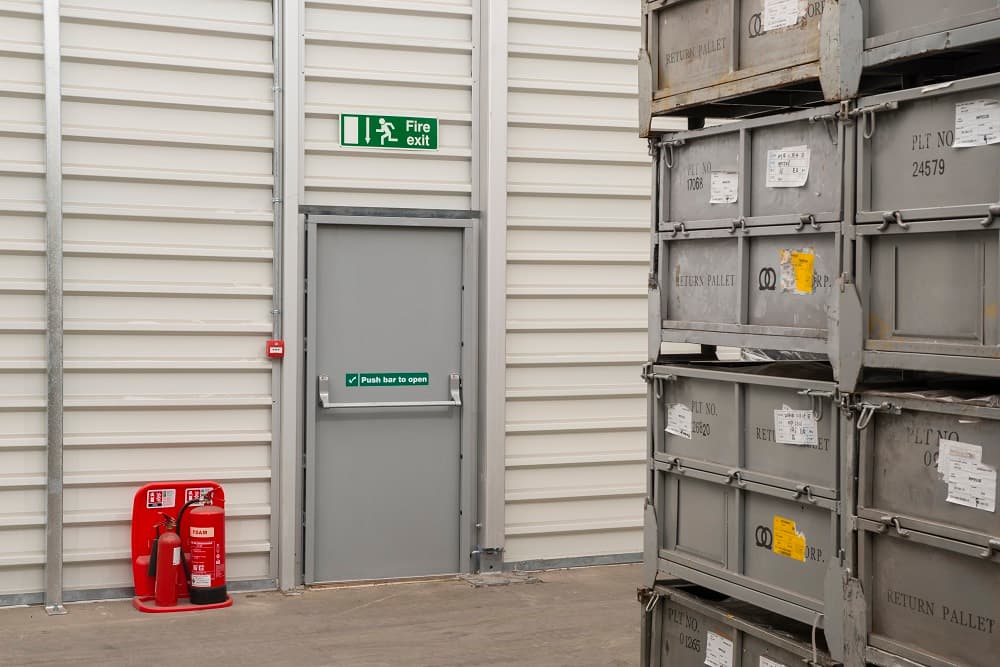
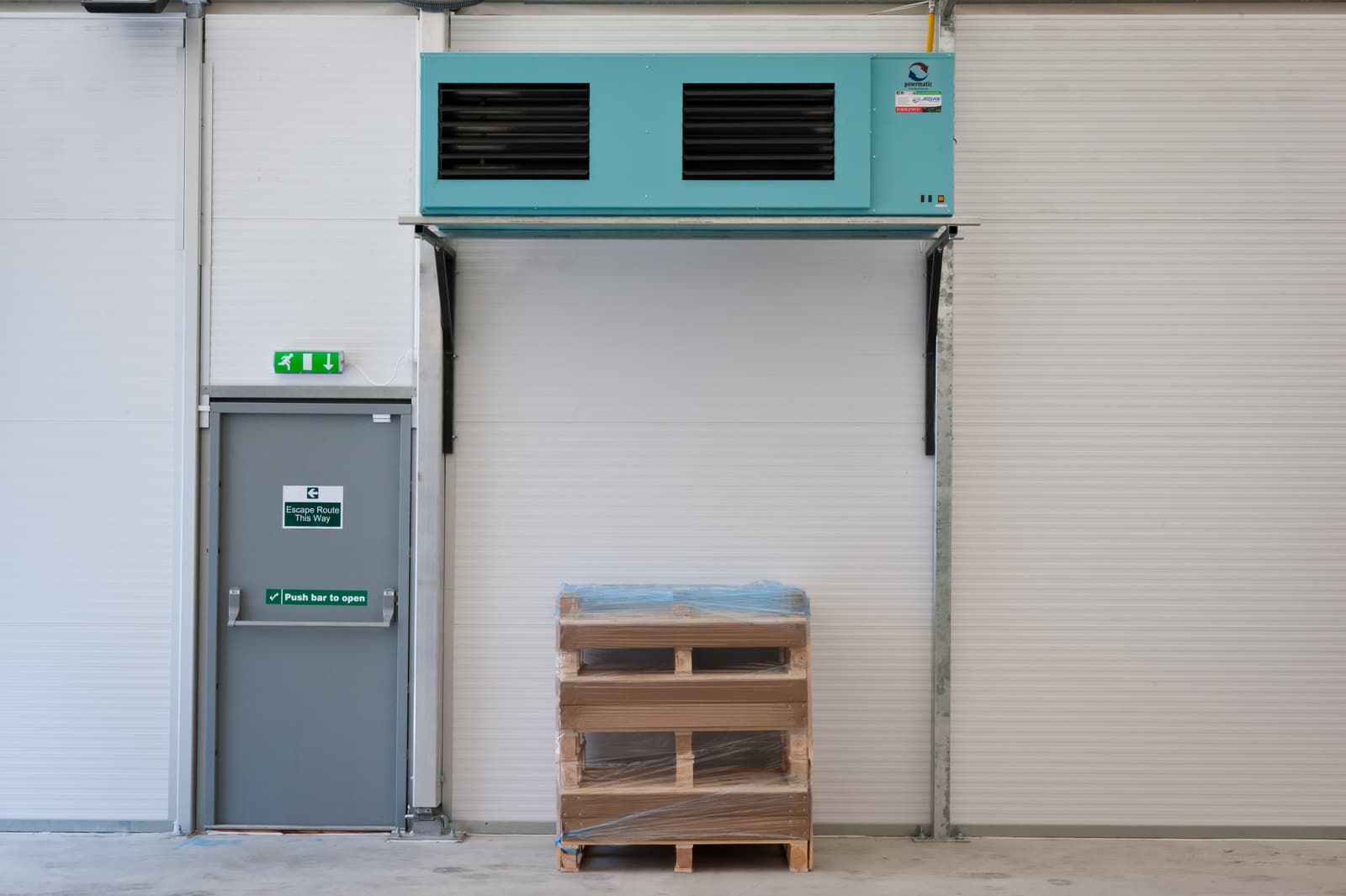
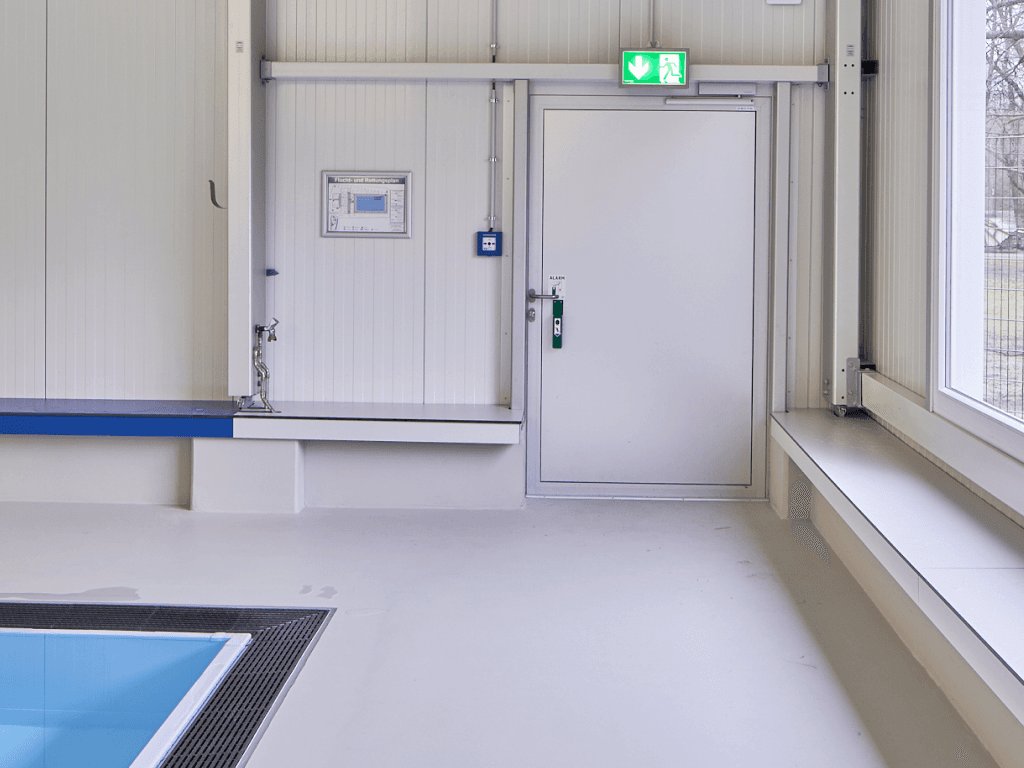
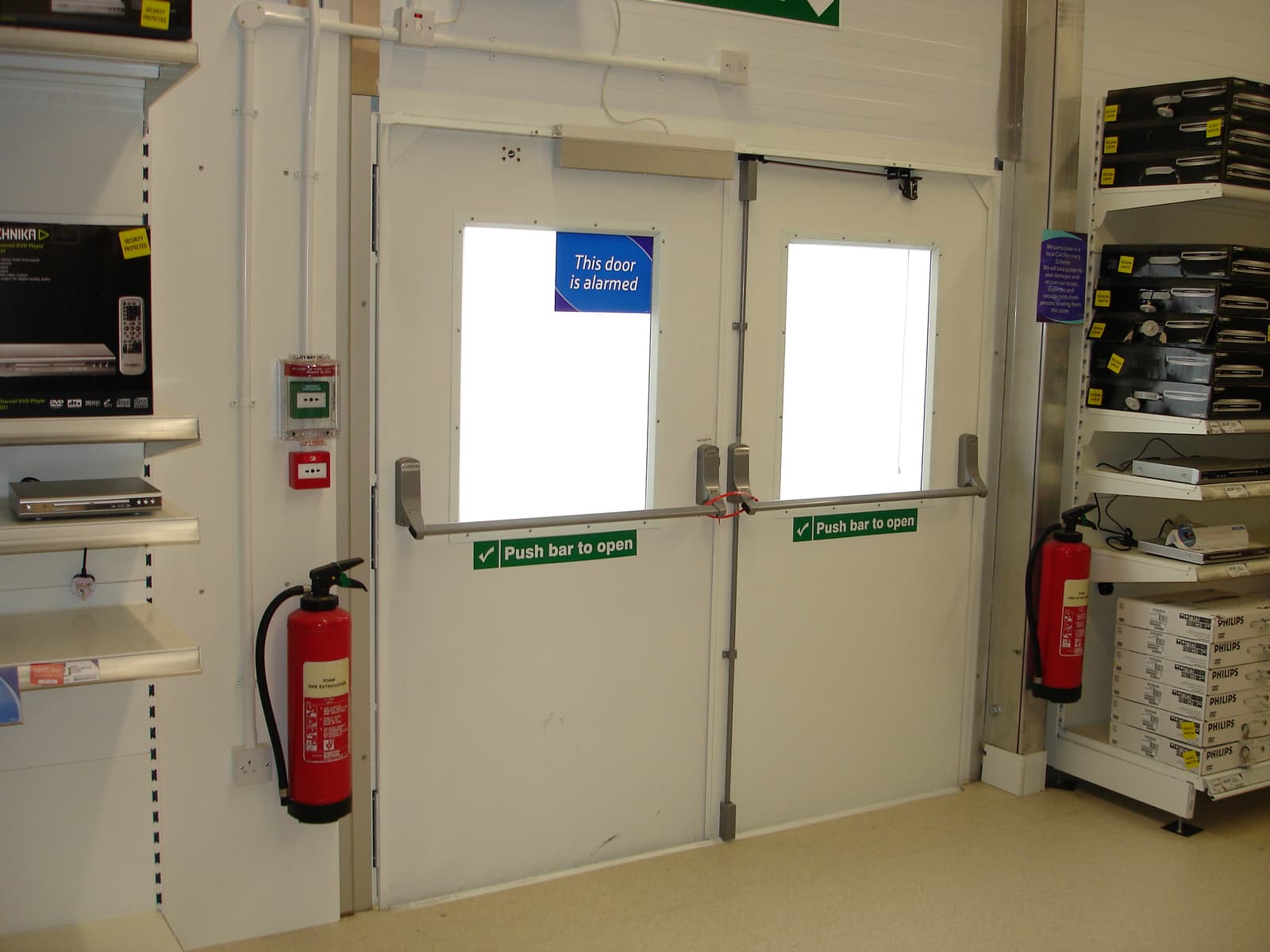
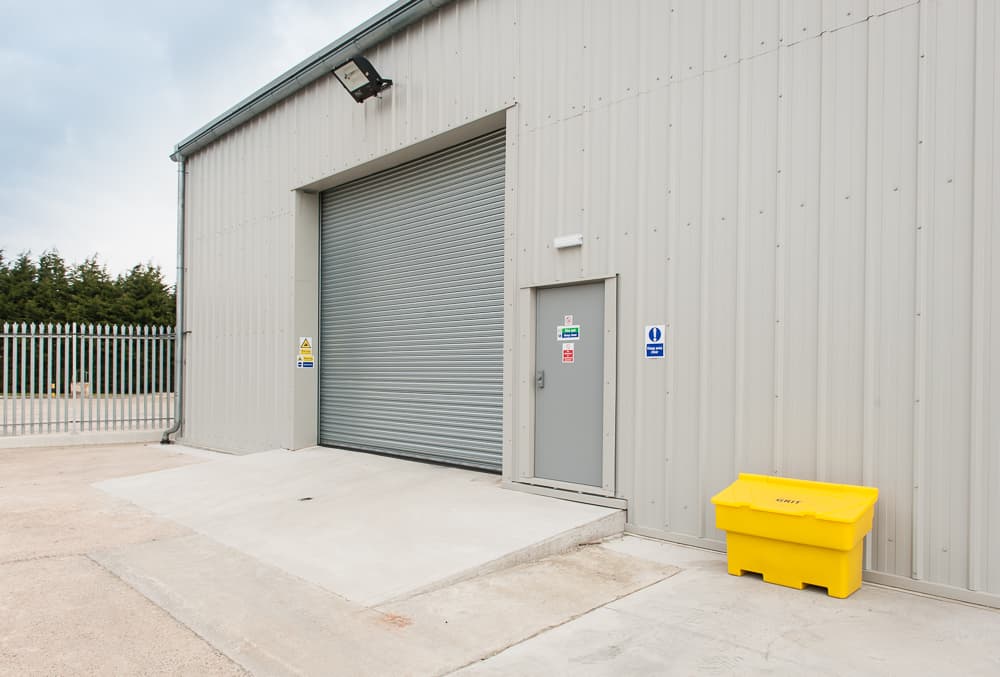
Safety signage can be used in warehouse buildings to provide clear and understandable indications of potential hazards and required behaviour. This includes, for example, prohibition and mandatory signs as well as warning signs indicating potential dangers. Marked emergency exits and escape routes, emergency exit doors and emergency exit lighting, which remain illuminated even in the event of a power failure, also contribute to safety in the warehouse.
Legal foundations and regulations for warehouse safety at a glance
The topic of warehouse safety is the focus of many laws, regulations and standards. Operators of warehouse buildings must therefore be familiar with the applicable legal requirements in order to comply with all essential safety provisions.
Overview of relevant laws and regulations
Regulations on general workplace safety can be found, among others, in the following laws:
- The Industrial Safety Ordinance (BetrSichV) regulates the use of work equipment. The various Technical Rules for Operational Safety (TRBS) specify the requirements of the Industrial Safety Ordinance in the areas of engineering, occupational medicine and hygiene.
- The Occupational Health and Safety Act (ArbSchG) forms the basis for occupational health and safety in Germany and contains general provisions on safety and health protection at the workplace. It also regulates risk assessment.
- The Workplace Ordinance (ArbStättV) specifies the requirements of the Occupational Health and Safety Act for workplaces, including warehouse buildings.
The German Statutory Accident Insurance (DGUV) defines the following regulations and rules in connection with warehouse buildings and industrial trucks:
- DGUV Rule 108-007: contains specific requirements for the safety of storage facilities and equipment.
- DGUV Regulation 68: governs the safety of industrial trucks in workplaces and includes provisions regarding their design, commissioning and inspection.
- DGUV Principle 308-001: through precise specifications of the requirements, this principle regulates the qualification and authorisation of operators of industrial trucks.
With BGV D27, the Trade association has issued its own accident prevention regulation. It contains precise specifications for preventing accidents and injuries through the use of industrial trucks.
At European level, standards address the safe operation of warehouse or logistics buildings:
- DIN EN 528 defines safety requirements for all rail-guided storage and retrieval machines.
- DIN EN 15512 contains guidelines and requirements for the design, calculation and testing of fixed, adjustable pallet racking made of steel.
- DIN EN 15635 defines guidelines for the structural safety of storage systems.
Documentation and record-keeping obligations
Occupational safety and warehouse safety in Germany are linked to a range of statutory documentation obligations. Companies are required to keep records of all safety inspections carried out, maintenance work and training documents. This documentation or inspection logbook serves both as evidence of compliance with statutory regulations and for tracking and improving internal safety processes.
The results of the risk assessment must also be documented by employers, and the resulting measures to improve occupational safety must be recorded. For companies with up to ten employees, there are simplified documentation requirements.
Likewise, work equipment and systems must be inspected regularly and the inspections documented. For the inspection of systems requiring monitoring – these include, for example, storage buildings in which flammable liquids are stored with a certain total room volume – special documentation requirements apply.
Storage solutions from HTS TENTIQ: innovative storage buildings and storage tents
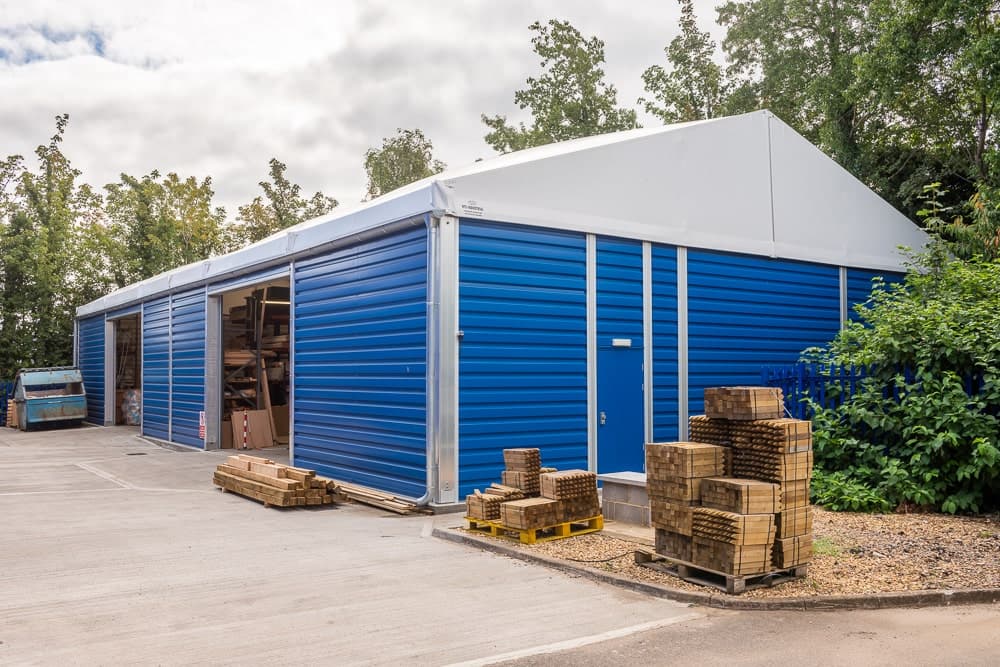
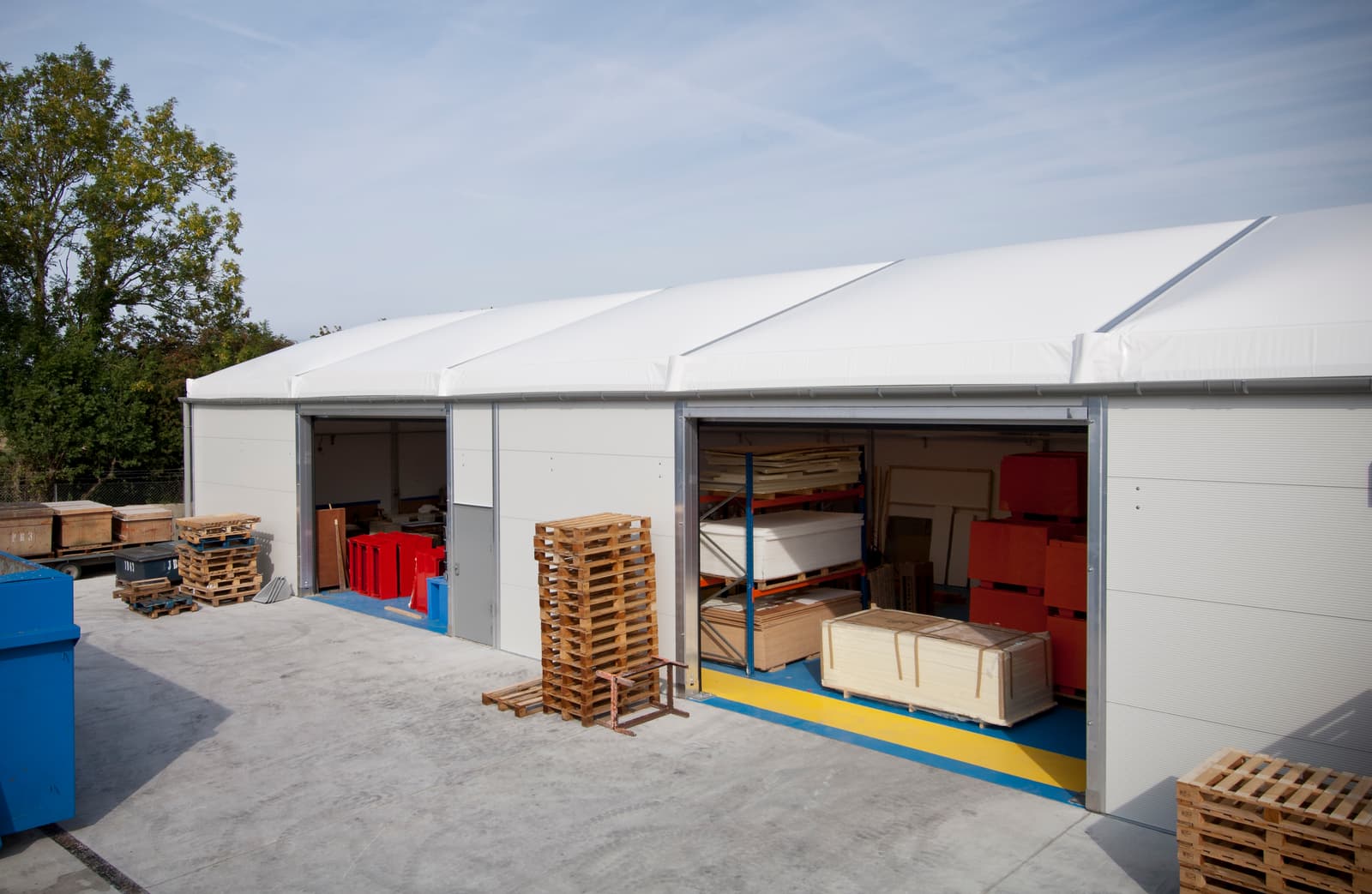
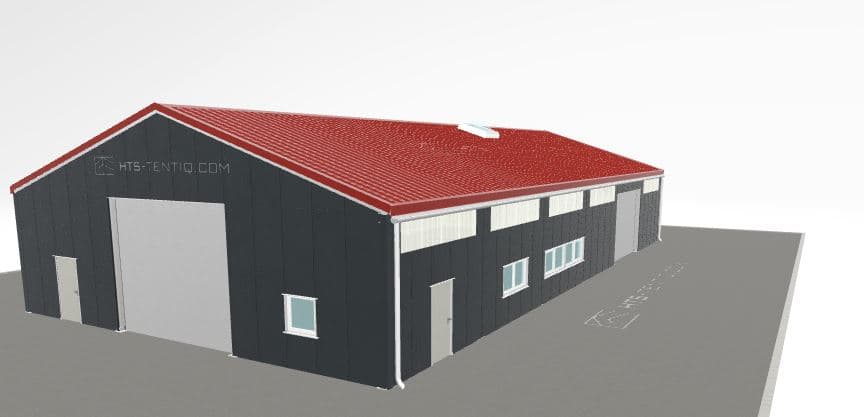
HTS TENTIQ offers a wide range of storage solutions that are ideal for companies with temporary or seasonal storage requirements. Depending on the area of application, simple canopies, tent buildings, uninsulated or insulated storage buildings can be constructed.
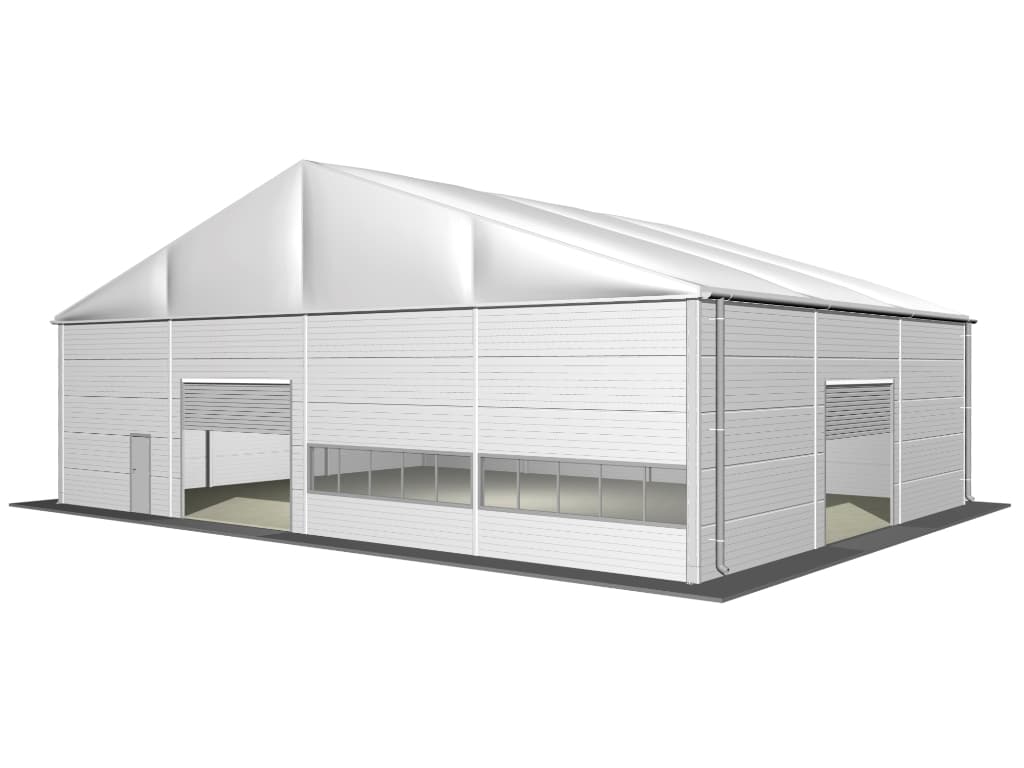
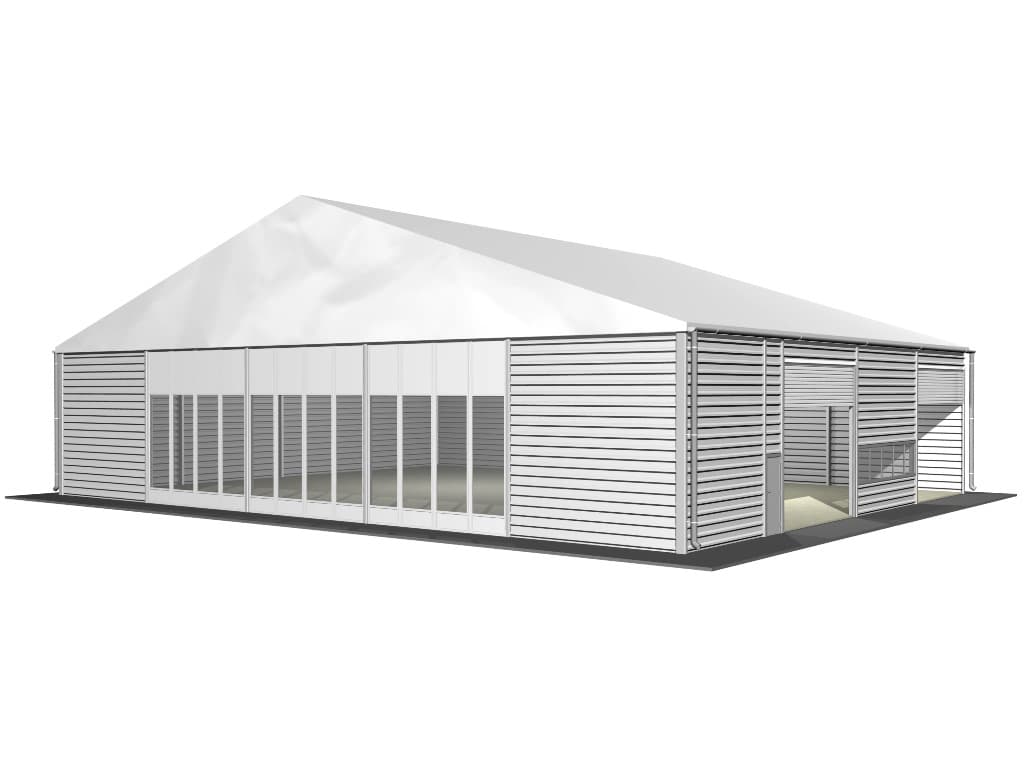
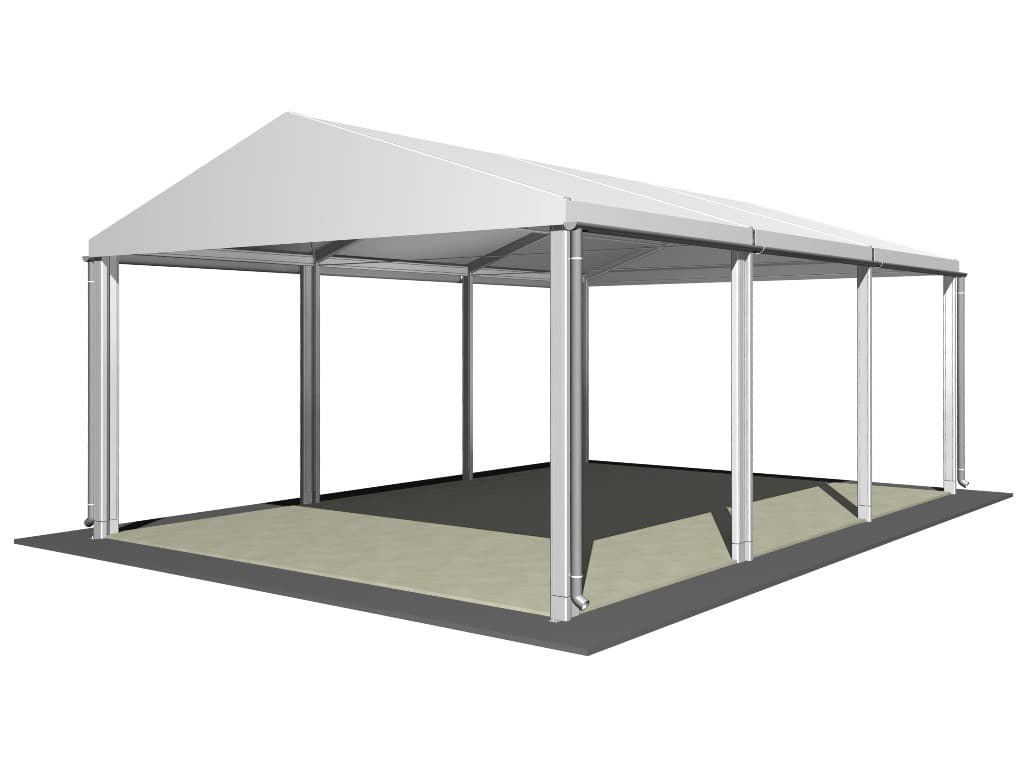
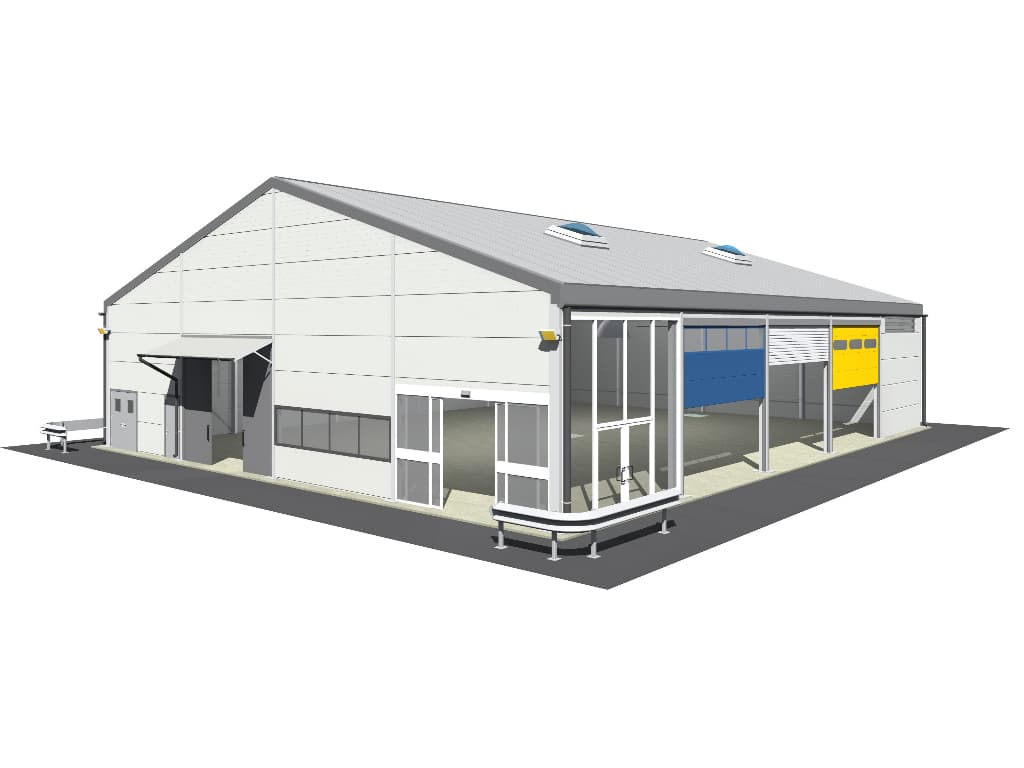
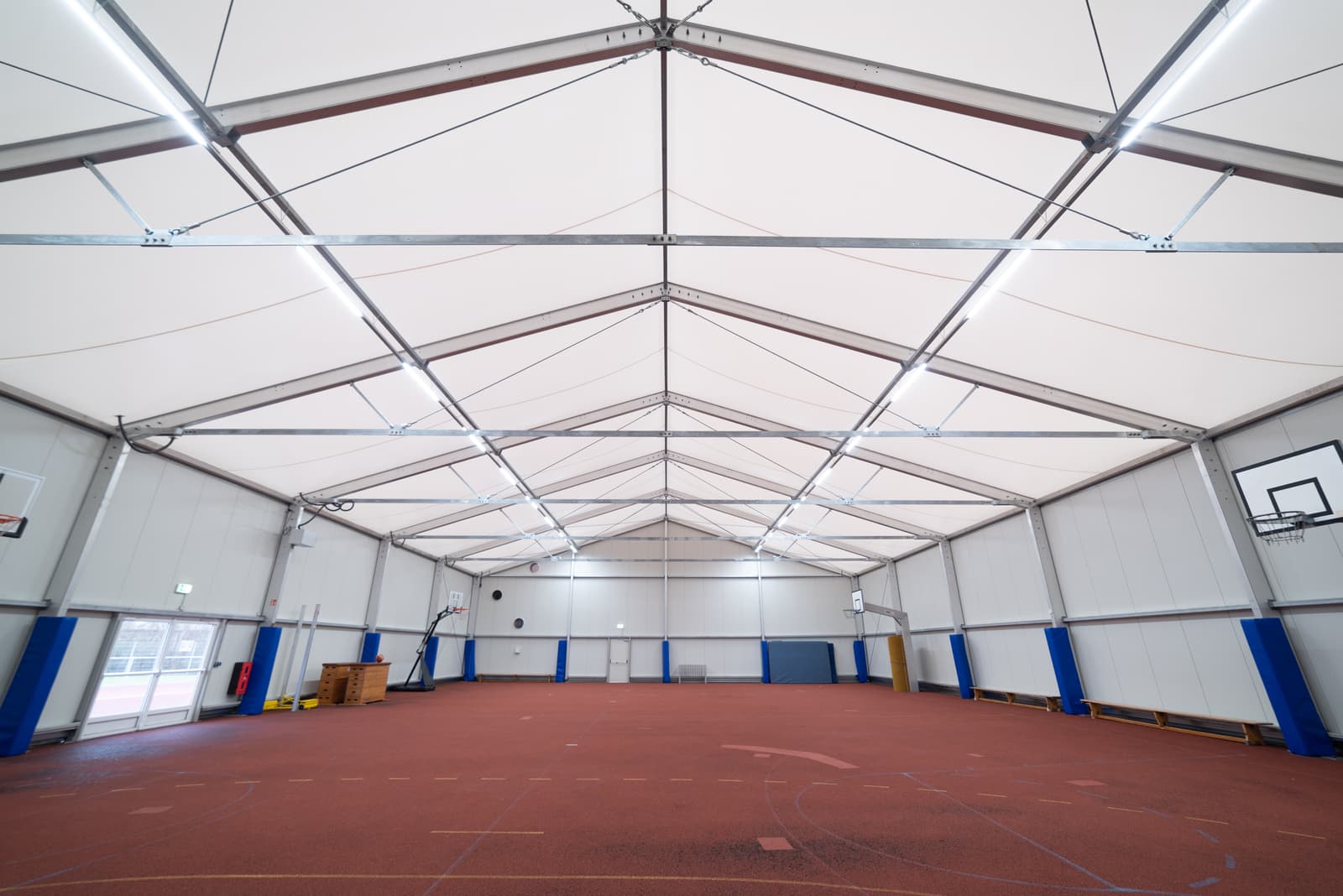
Our tent systems are versatile structures that are by no means used only for events, but can also be used as temporary storage areas. From small storage tents to large, multifunctional structures, our tent systems can cover all requirements for storing goods and commodities. Storage tents are ideal for companies seeking short-term and mobile solutions. Assembled within a few days, a weather-resistant storage space is quickly created, which can be dismantled at any time and erected again at another location.
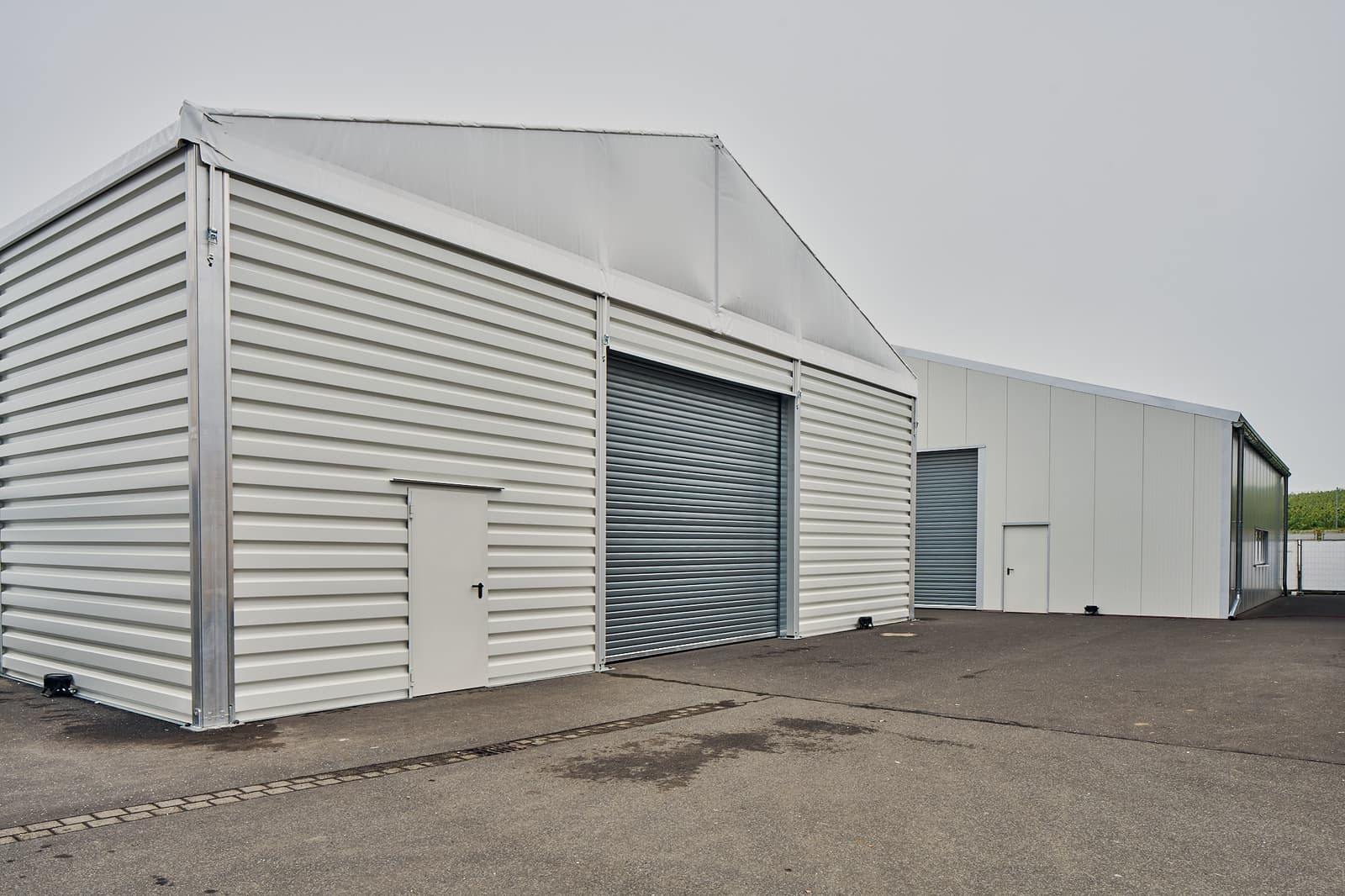
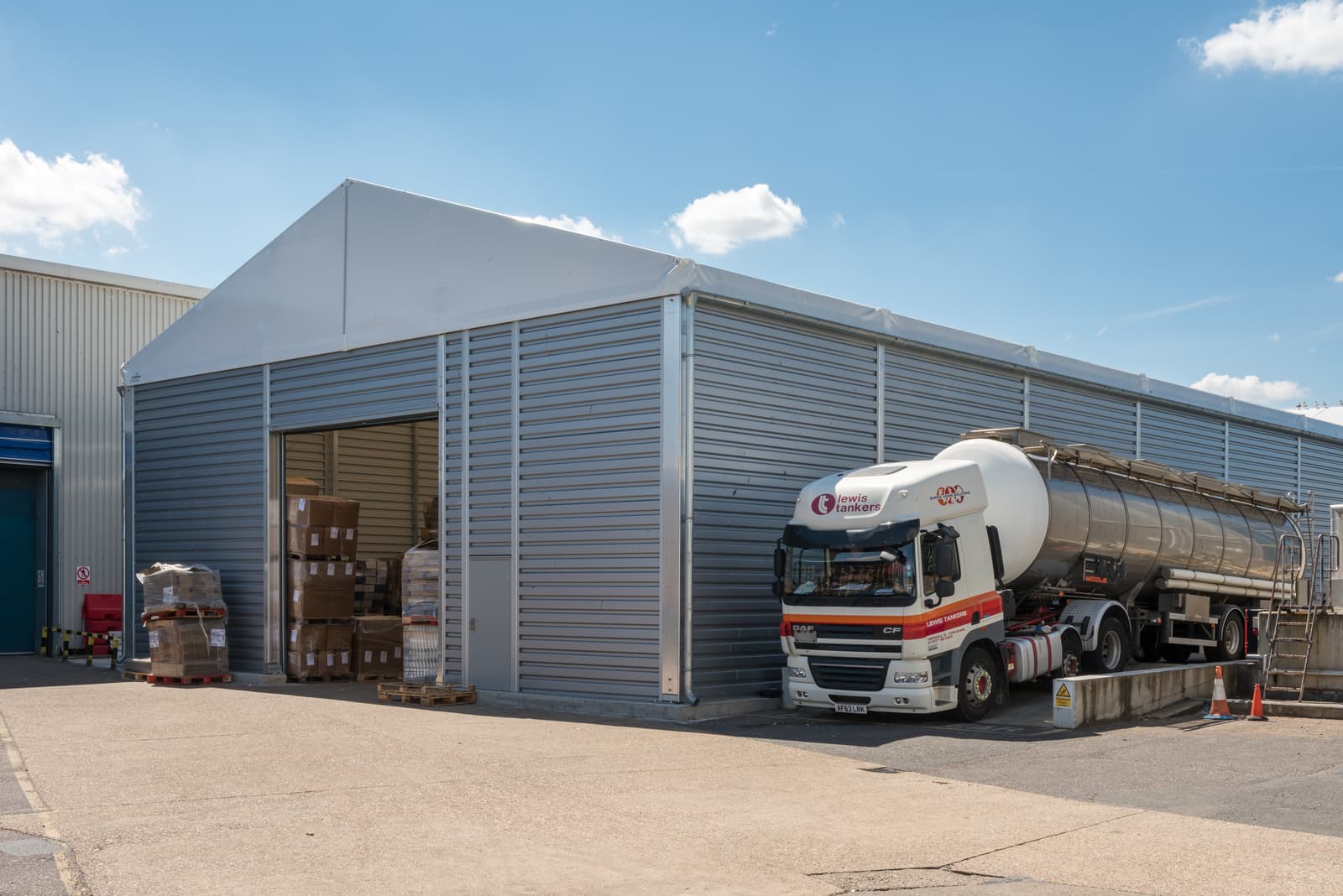
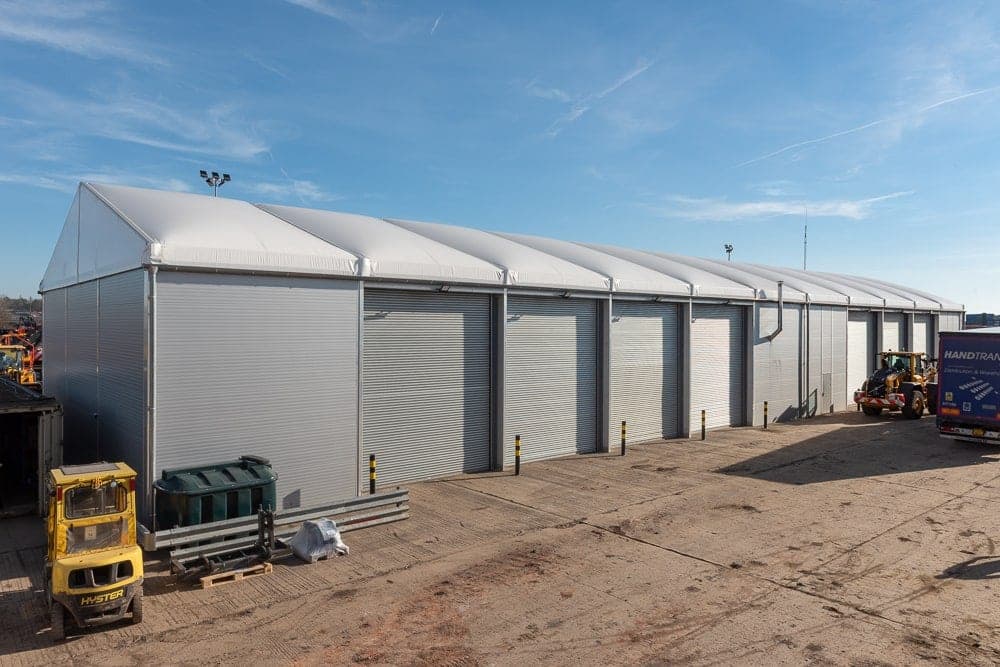
Uninsulated temporary buildings are the optimal solution for storing goods, vehicles and machinery that are not sensitive to temperature. Depending on their size, they can be erected within a few days. Uninsulated storage buildings offer a practical solution for companies that require additional storage space at short notice.
For temperature-sensitive goods, insulated storage buildings are the ideal choice. These buildings provide a controlled environment for storing products such as food or pharmaceutical goods that require specific temperature conditions. Due to their improved insulation, they also help to reduce energy costs.
Our canopies are robust aluminium structures that provide effective protection for stored goods against weather influences such as rain, snow or UV radiation. They are particularly useful as temporary storage areas or as an extension of existing storage buildings.
Conclusion: Your path to safe and efficient warehouse operations
A safe and efficient warehouse operation begins with proper planning: if potential hazards are identified in advance, appropriate measures can be taken to minimise risks and the danger of accidents.
A key measure is to establish the right storage solution. Robust storage buildings tailored to operational processes make a significant contribution to warehouse safety; an efficient stacking system and correct stacking technique also help protect against accidents and hazards. Depending on the usage concept, professional storage buildings from HTS TENTIQ can also be supplemented with impact protection and additional accessories to increase safety.
Proper handling of industrial trucks, equipment and materials can be ensured through regular training. Ongoing maintenance and inspections also ensure that all operating equipment and machinery function properly. A comprehensive operational safety concept therefore creates the foundation for a safe working environment and efficient operational processes.