Proper storage of cardboard packaging: How to optimally protect your packaging
Cardboard packaging is used worldwide to protect and transport products. However, even the most robust packaging is susceptible to external influences such as moisture, pressure or improper storage. To ensure its protective function in the long term, it is essential to store it under optimal conditions.
We provide clarification on which factors play a key role and how you can ensure that your cardboard packaging remains in top condition.
Why is the correct storage of cardboard packaging important?
Cardboard packaging is an indispensable packaging material used in numerous industries. It is not only used in logistics companies, but also in retail, industry, e-commerce and many other sectors. To ensure the quality, stability and usability of cardboard packaging in the long term, correct storage is essential.
Improper storage can even have significant negative consequences. In particular, moisture damage compromises the stability and load-bearing capacity of cardboard packaging and can render it completely unusable. However, sunlight and incorrect stacking techniques can also affect the material. The correct storage of cardboard packaging therefore has a direct impact on material quality and, indirectly, on economic efficiency.
Optimal conditions for storing cardboard packaging
When storing cardboard packaging, certain factors must be taken into account from the outset in order to ensure material quality and significantly extend its service life:
Temperature and humidity
The environmental conditions play a crucial role in the longevity and sustained quality of cardboard packaging. A key factor is humidity. If this is carefully controlled, damage can be effectively avoided.
In addition to high humidity, extreme dryness or temperature fluctuations can also impair the stability and durability of the cartons. Excess moisture leads to deformation and weakening of the material, while excessively dry conditions can cause material fatigue.
These are the recommended values for storing cardboard packaging:
- A temperature of 15 to 20°C and a relative humidity of 50 to 60% provide ideal conditions to ensure consistent quality of cardboard packaging.
- At temperatures above 25°C, damage to cardboard packaging cannot be ruled out. However, the composition of the cartons is also relevant.
To regulate humidity in the storage building, desiccants can be used. These help maintain a constant environment and avoid unwanted fluctuations. The use of dehumidifying devices is also an option for regulating humidity.
Avoidance of direct sunlight
Sunlight in combination with cardboard packaging may sound harmless, but it can not only fade the material but also weaken the stability of the cartons.
The reason for this is that prolonged exposure to UV radiation affects the cellulose fibres in the cardboard and can make the material brittle. Cartons lose strength and stability and become more prone to breakage and cracks. If UV rays bleach the material of the cardboard packaging and it becomes pale or appears yellowed, this is particularly problematic when the packaging is used for presentation purposes or with branding.
Cardboard packaging should therefore be stored as far away as possible from windows, radiators or other heat sources. Dark or specially protected storage areas are ideal for preventing damage from UV radiation and heat.
Use of suitable racking systems
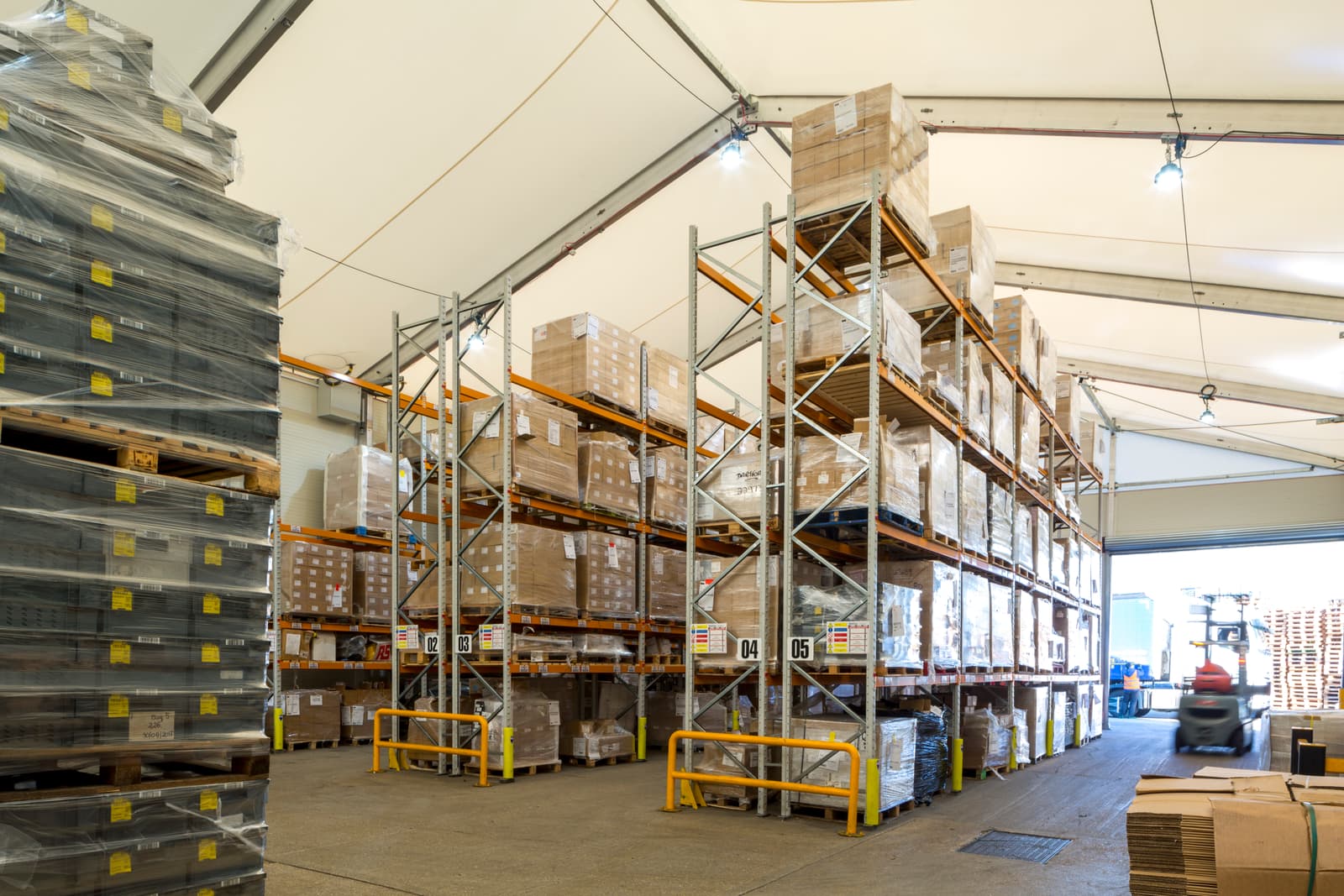
Good organisation in the storage building enables efficient and safe workflows. Suitable racking systems are essential for this, as they not only provide protection against external influences such as dirt and moisture, but also ensure the stability and quality of cardboard packaging.
For safe and efficient storage, heavy-duty racking is particularly suitable, as it can easily support the weight of cardboard packaging. Alternatively, specially coated racks offer additional protection against moisture and dirt.
To protect cardboard packaging from ground moisture, care should be taken to ensure that it is not stored directly on the floor, but on suitable racking systems.
How to store cardboard packaging in a space-saving and secure way
Efficient storage management is crucial, especially when available space is limited. When storing cardboard packaging, it is important to keep both space-saving and safety in mind. With the following tips, you can ensure optimal storage and avoid unnecessary damage.
Empty cartons: fold flat and stack them
To store empty cartons in a space-saving way, it is advisable to fold them flat first. As a rule, larger cartons should be stacked at the bottom, while smaller ones should be placed on top. This keeps the stack stable and prevents it from tipping over easily. This technique helps you gain valuable storage space and allows you to store more cartons efficiently.
Filled cartons: pay attention to weight and stacking order
Correct stacking of filled cartons prevents pressure damage. A simple but effective rule is: heavy cartons at the bottom, lighter ones on top. This prevents the contents of the lower cartons from being compressed or damaged by the weight and instead ensures stability in the stack.
Filled cartons: protection of sensitive contents
Special attention should be paid to cartons containing fragile contents. Use cushioning materials such as bubble wrap or foam to protect breakable or sharp-edged items. In addition, ensure that pointed or sharp objects are carefully packaged to avoid damage to both the carton and its contents, as well as the risk of injury. By using these methods, you not only create order but also effectively protect your cardboard packaging and its contents from damage.
Common mistakes in storing cardboard packaging and how to avoid them
At first glance, storing cardboard packaging may seem simple, but many companies repeatedly make mistakes in storage that impair the durability and usability of cartons. However, with forward planning and targeted measures, these problems can easily be avoided.
These are typical storage errors for cardboard packaging
- Excessively high stacking: excessive stacking heights can cause the lower cartons to be damaged by the weight or the stack to become unstable.
- Storage in damp rooms: moisture is the greatest enemy of cardboard packaging. It leads to material damage such as warping, weakened stability and even mould growth.
- Lack of labelling of cartons: without clear labelling, warehouse operations cannot be carried out efficiently, leading to mix-ups and incorrect handling.
These tips help to avoid storage errors.
- Regular inspection of storage conditions: check the cardboard packaging regularly for damage and, for example, use a hygrometer to ensure that it is stored under optimal conditions.
- Labelling system for better overview: implement a simple but effective labelling system to make storage contents quickly recognisable for employees and to prevent mix-ups.
- Check the durability of cartons: especially with older cardboard packaging, it is important to check their stability. This ensures that they are still suitable for their intended purpose.
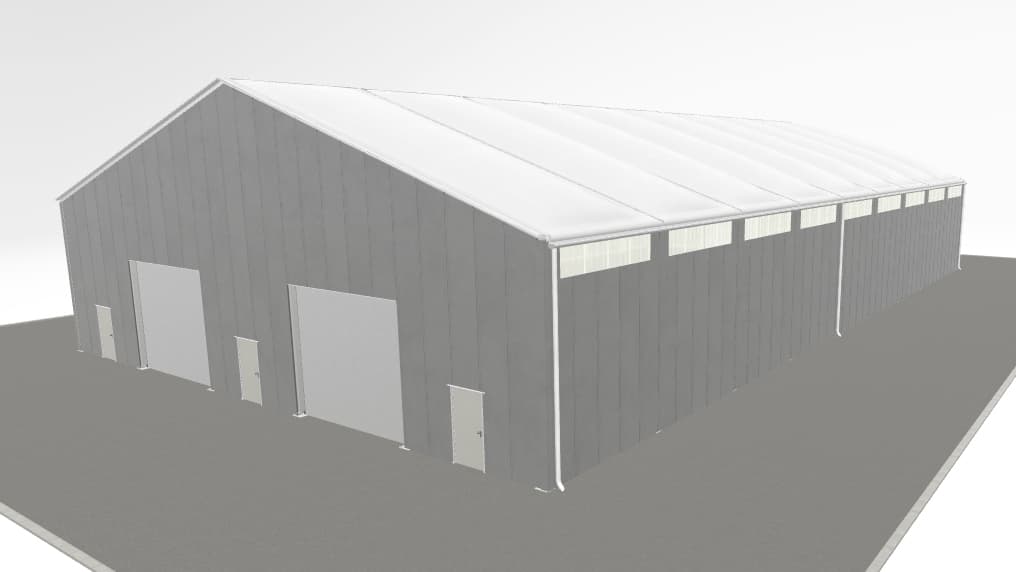
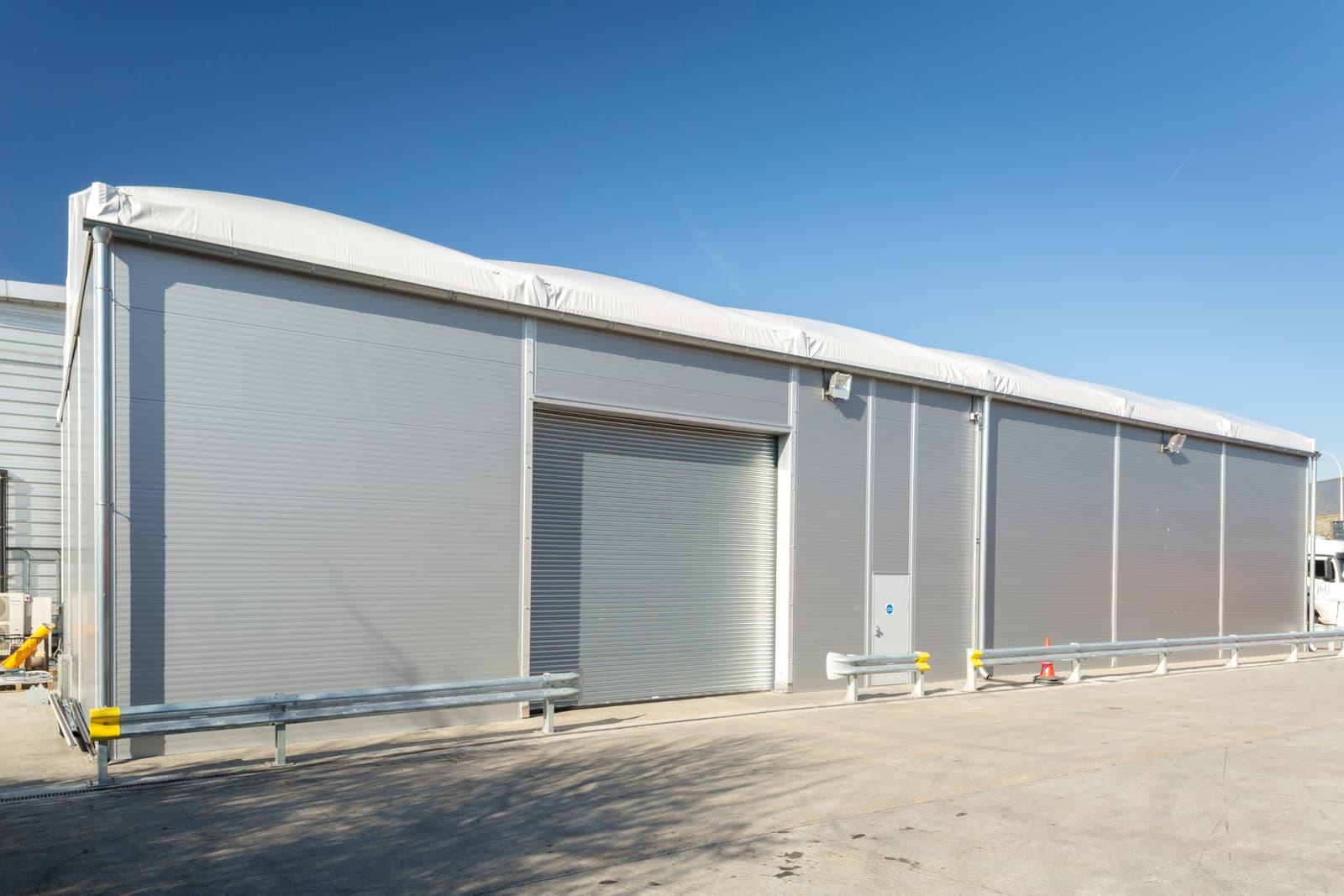
Temporary buildings as the perfect storage solution for cardboard packaging
As the optimal storage of cardboard packaging places specific demands on the indoor climate and storage organisation, correct storage begins with the right choice of storage space. With an optimal construction, the lasting quality and longevity of cardboard packaging can be ensured.
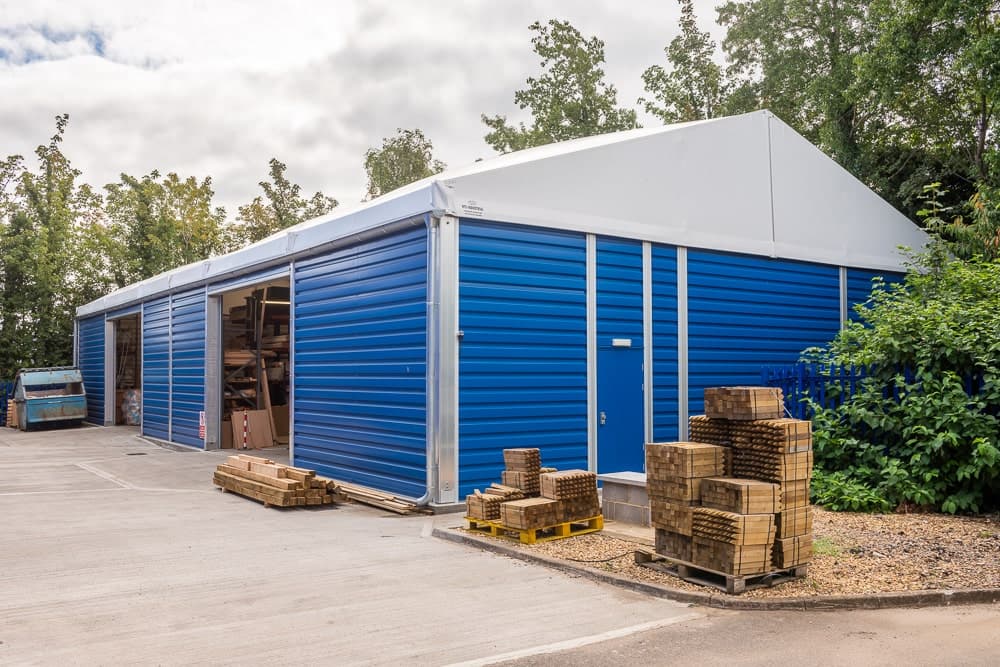
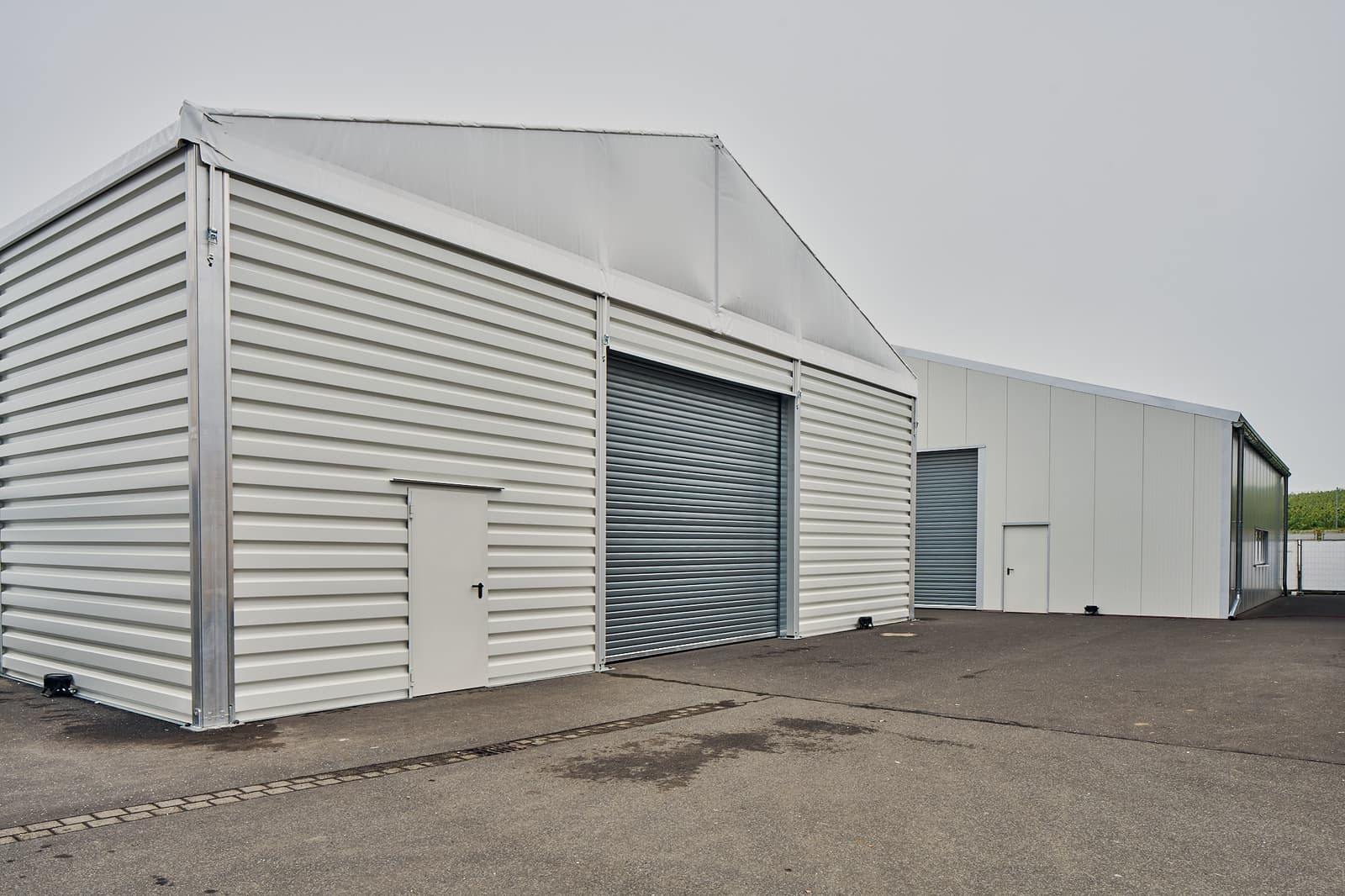
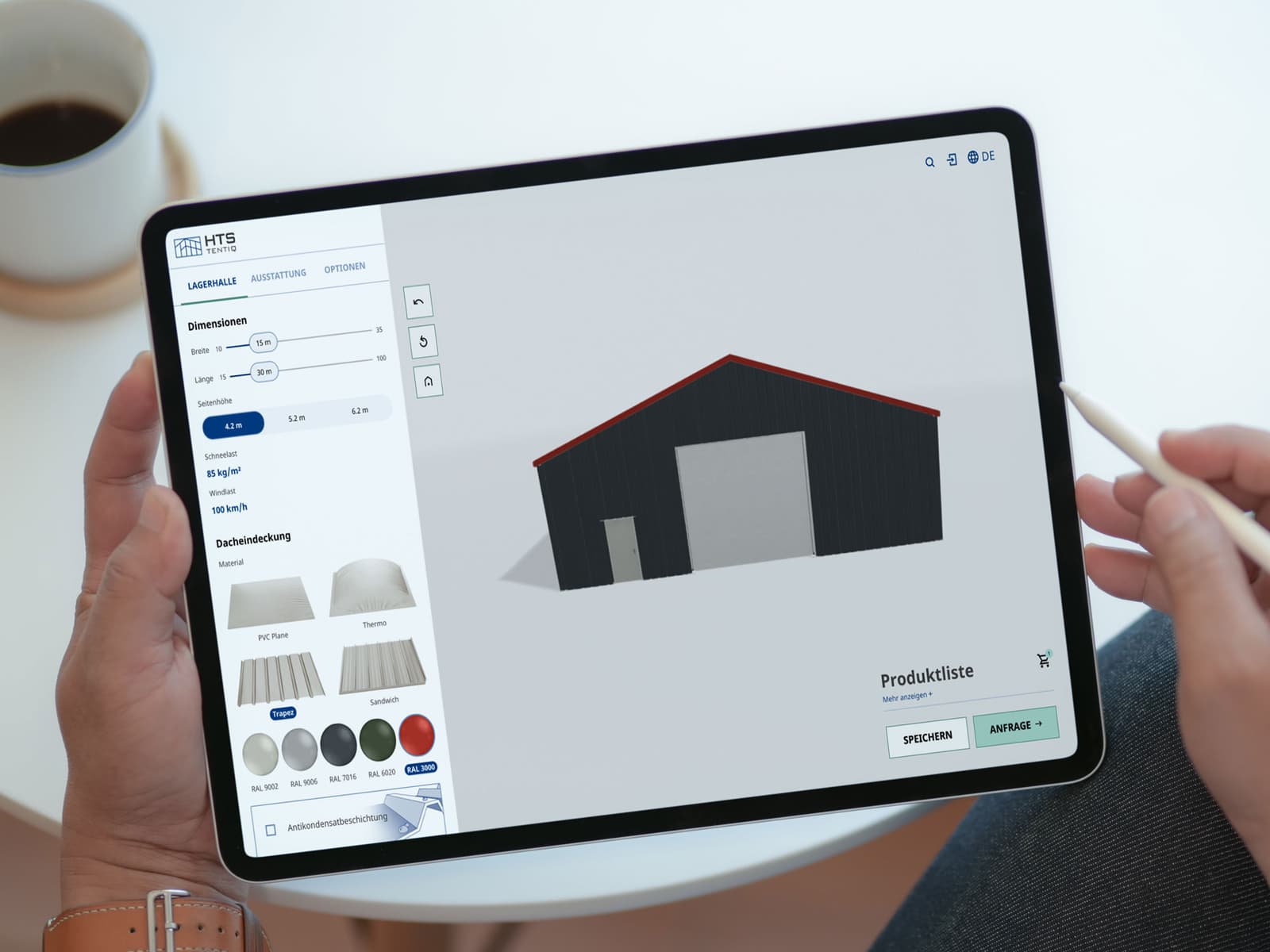
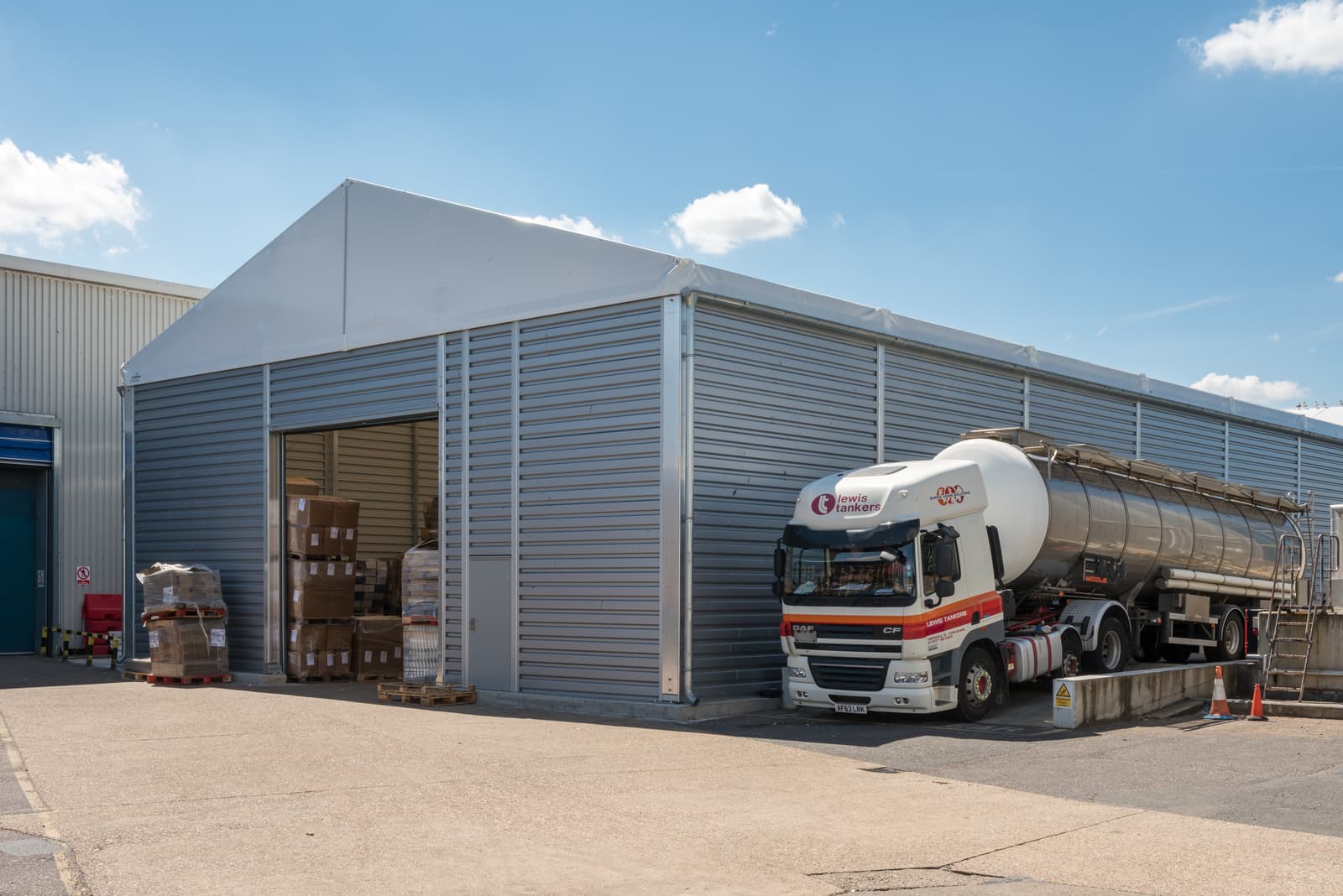
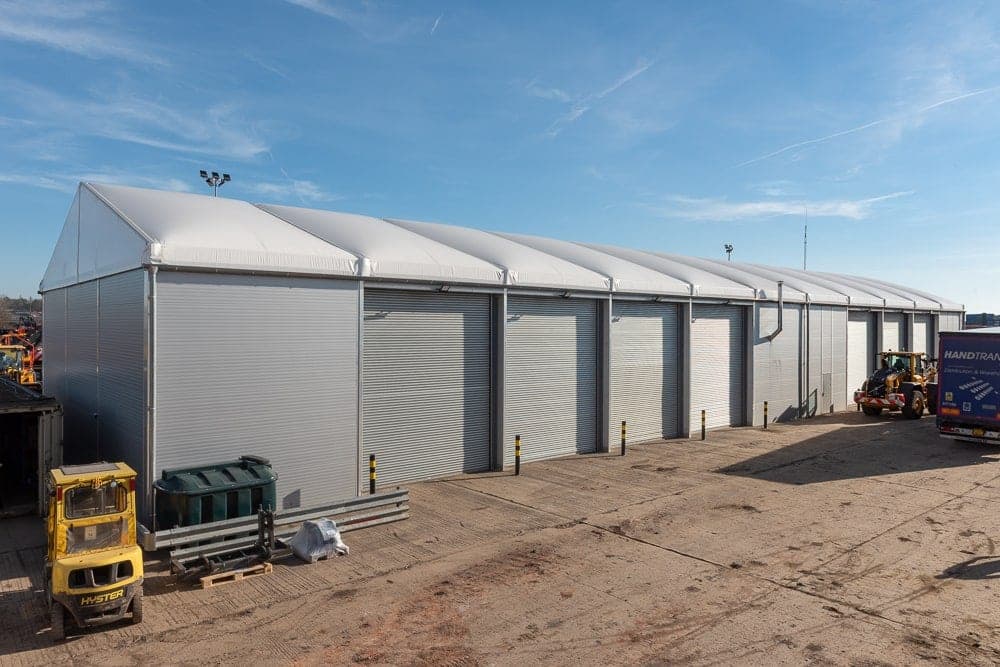
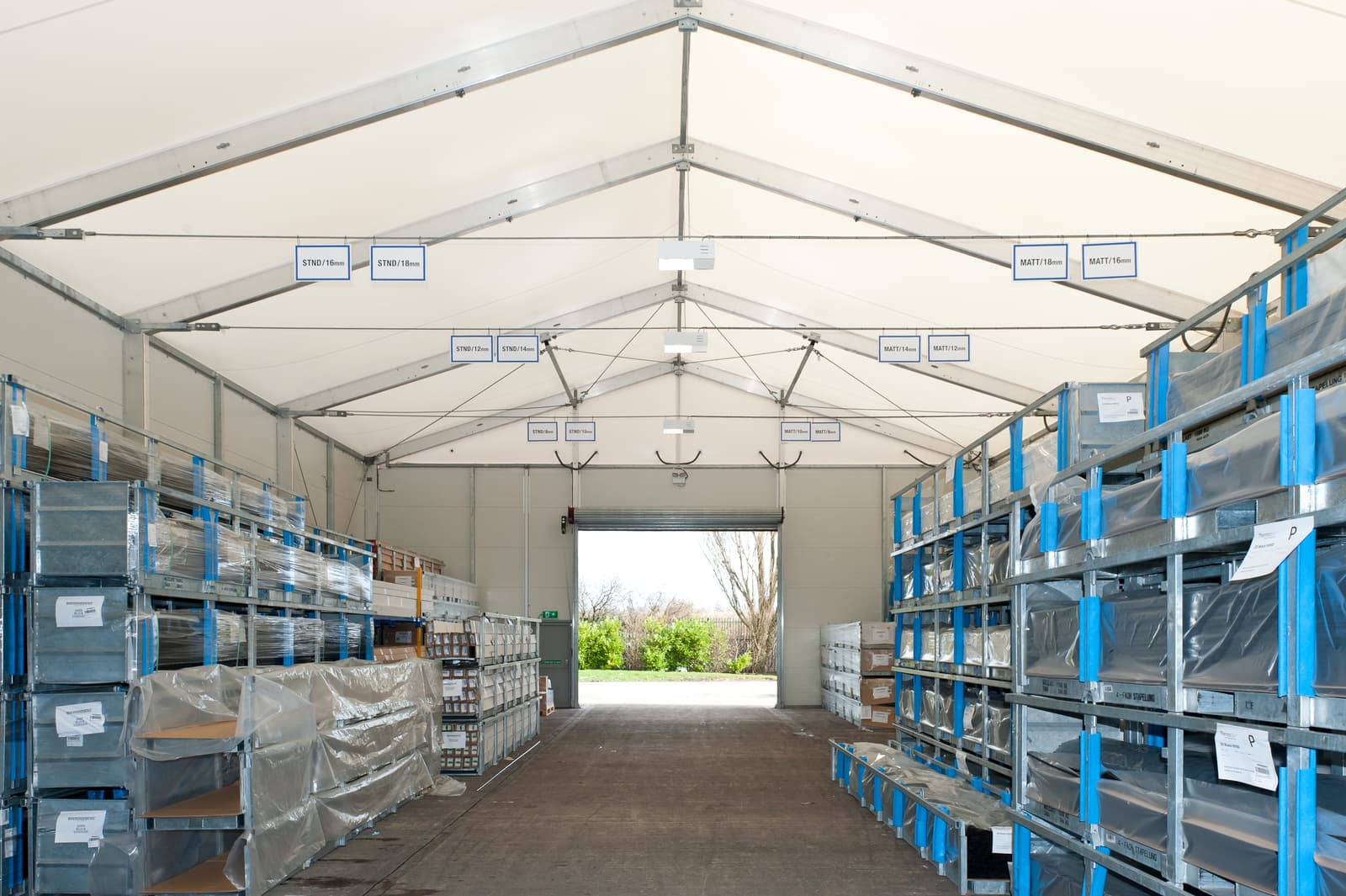
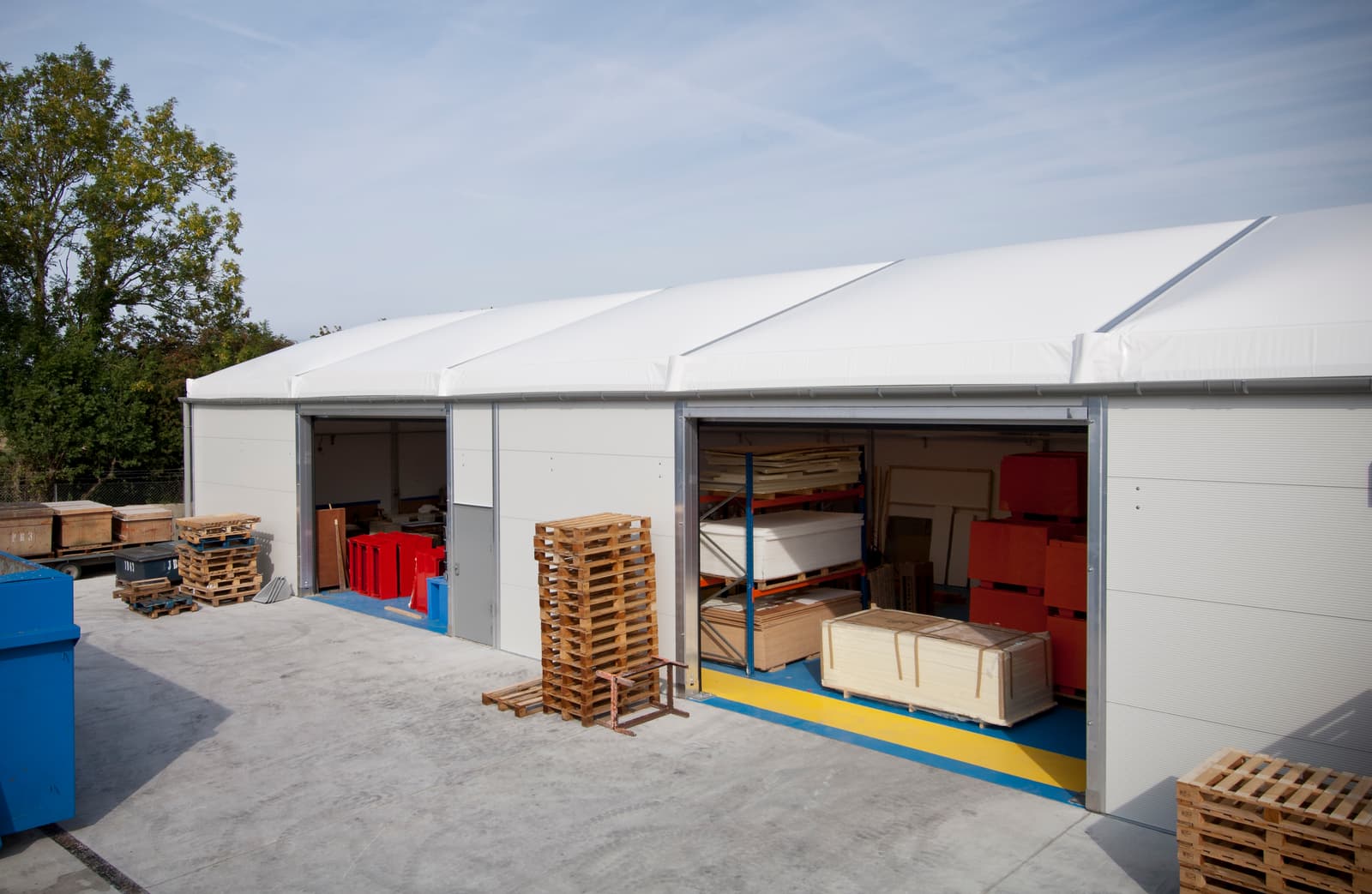
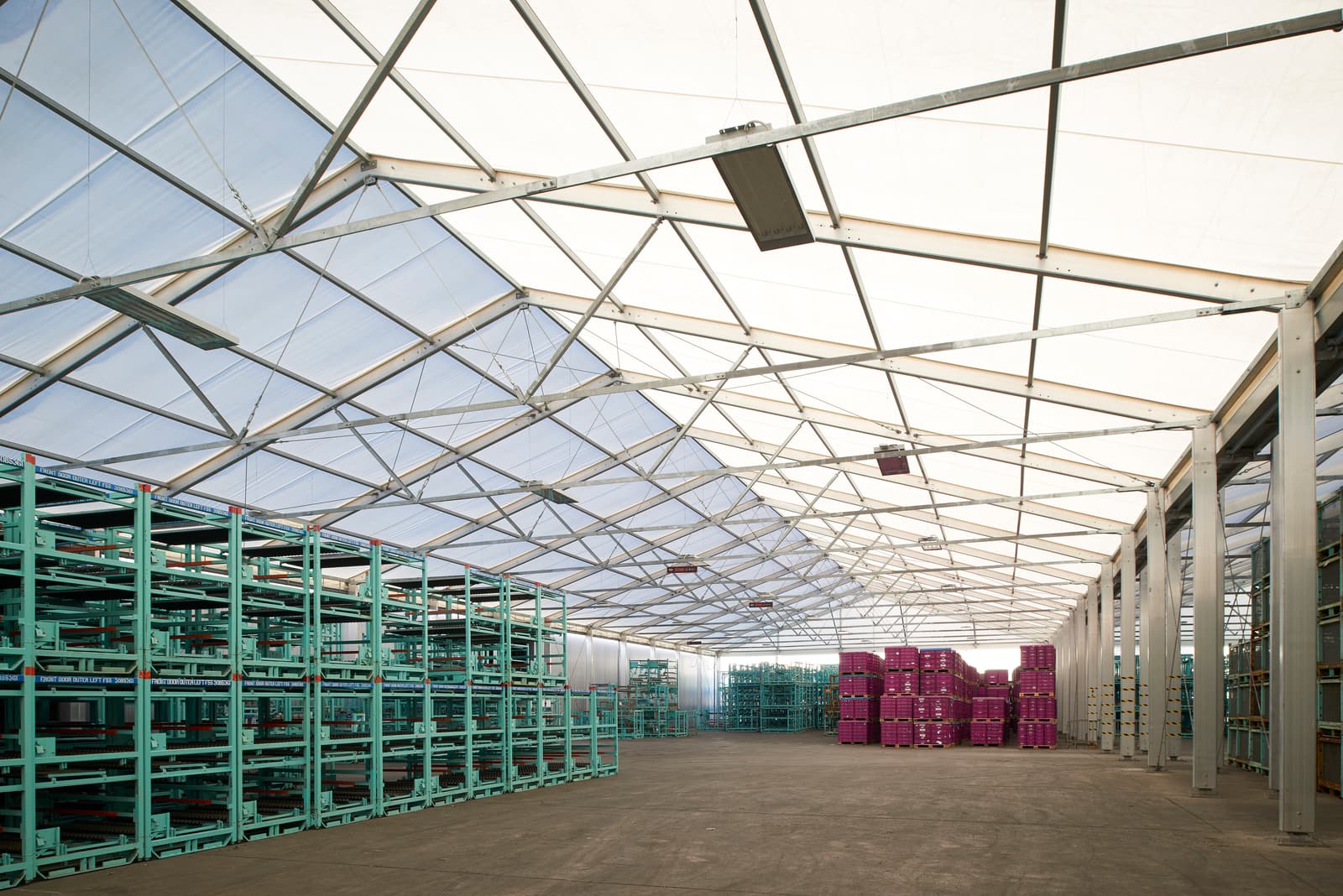
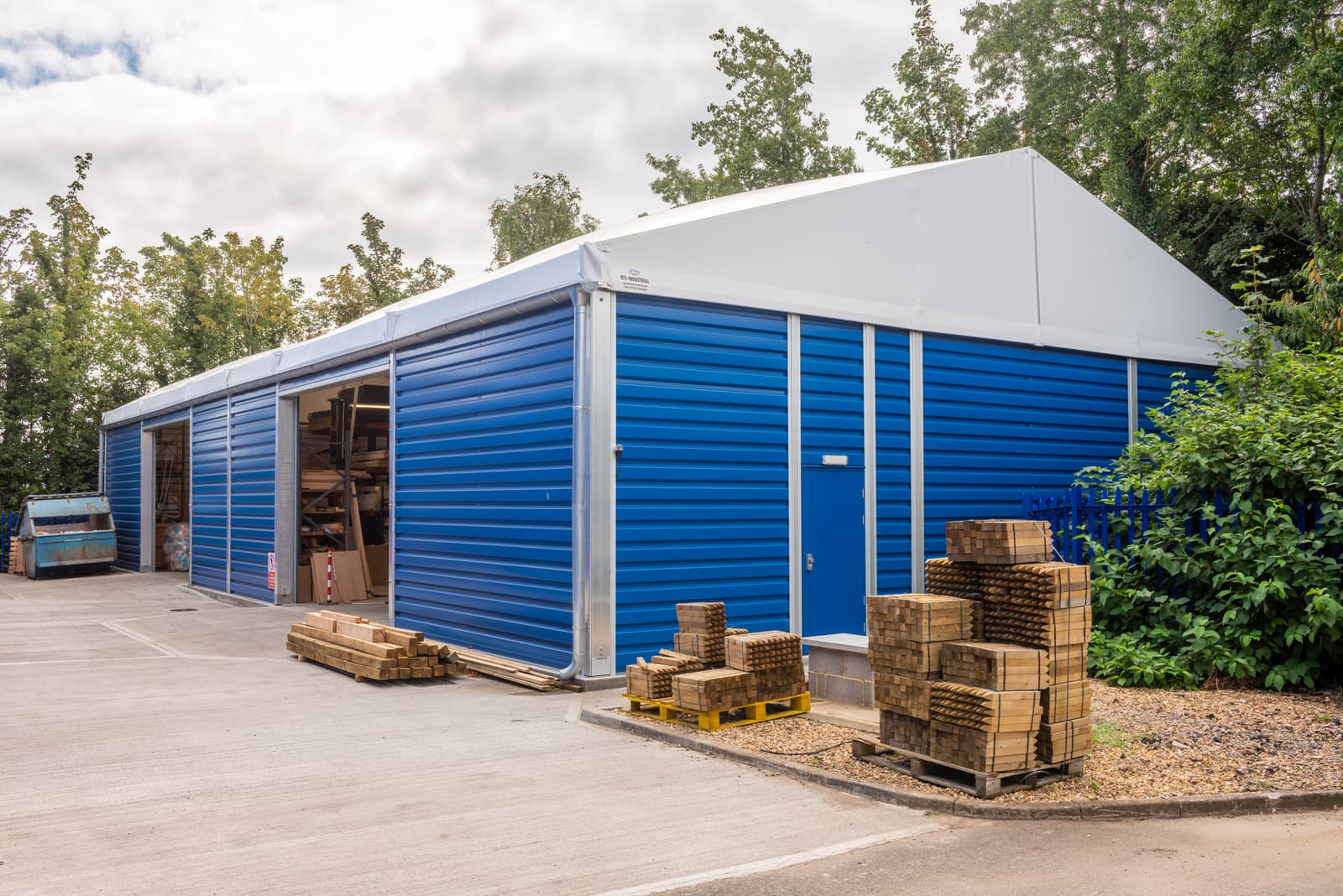
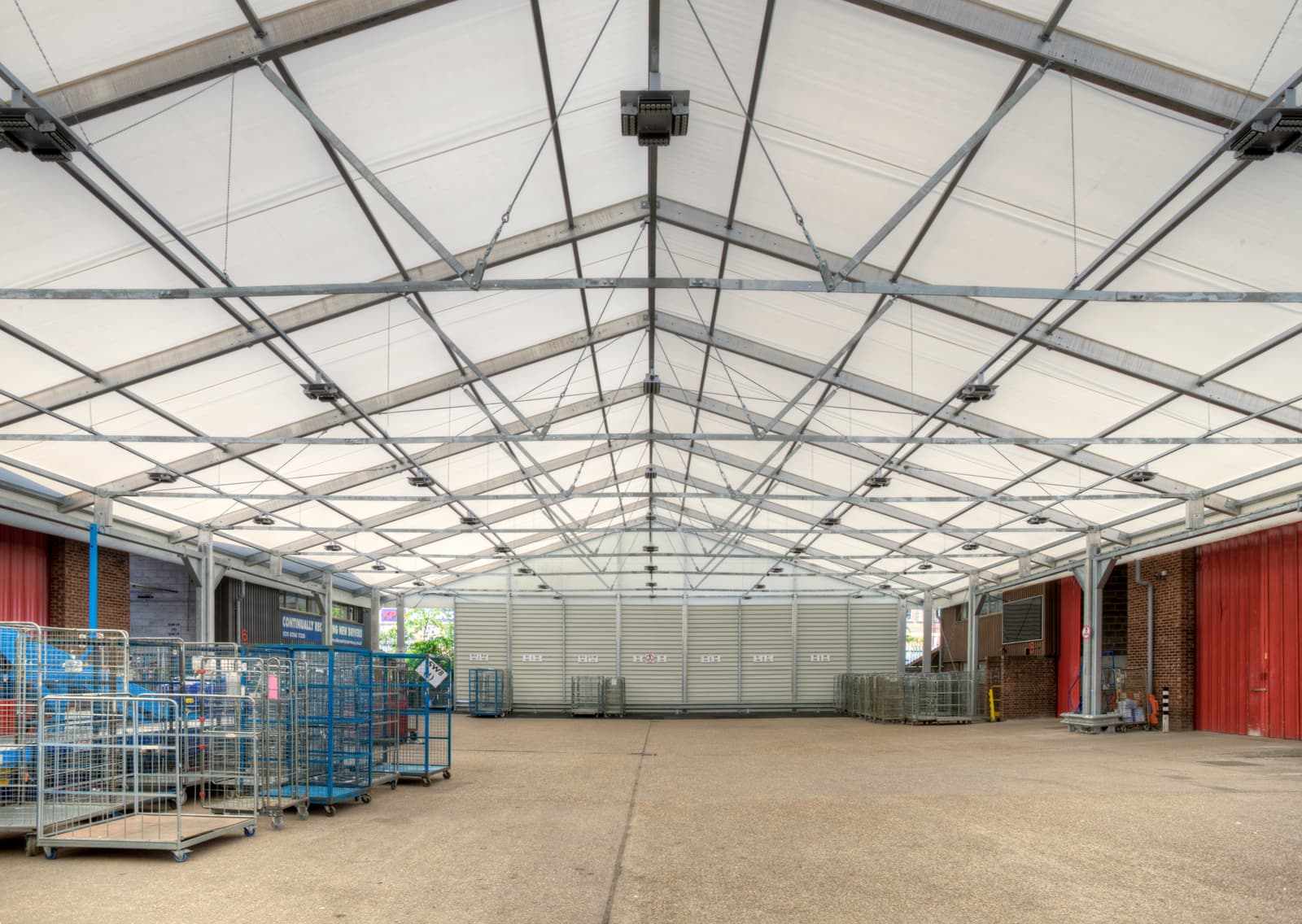
Temporary buildings are a popular and proven solution for storage facilities. They are highly flexible and adaptable, provide excellent protection against external influences, and stand out due to their very fast installation. Compared to traditional buildings, temporary buildings can be erected and made operational within a few days, depending on their size.
In cases of short-term and urgent storage requirements, companies clearly benefit from the construction of temporary buildings. Through extensions or re-erection at a new location, temporary buildings from HTS TENTIQ can easily be adapted to changing storage requirements.
Economy also always plays a major role when investing in a storage solution. Due to their modular construction and high level of prefabrication in production facilities, temporary buildings incur lower construction and maintenance costs than traditional solid construction methods. Temporary buildings are therefore a very economical solution for many applications without compromising on quality or stability.
Our modern and mobile temporary buildings offer numerous advantages specifically tailored to the needs of cardboard packaging storage:
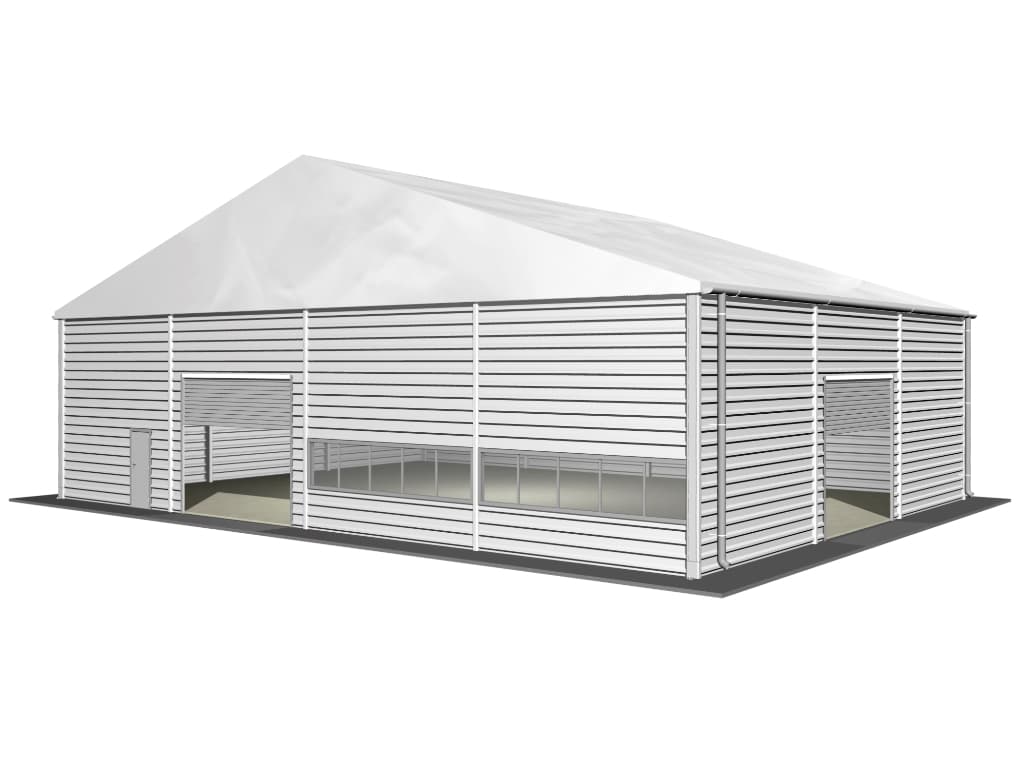
Non-insulated storage building
Mobile storage buildings that are not insulated are also referred to as cold buildings. They are the perfect place for goods and products that are not sensitive to temperature.
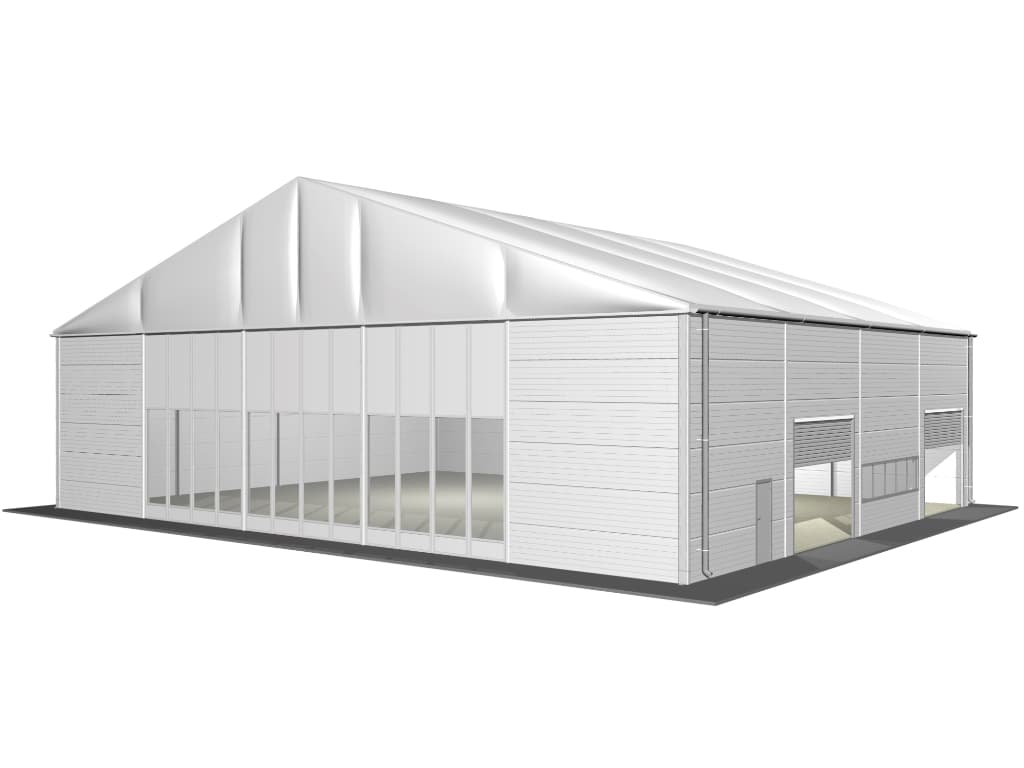
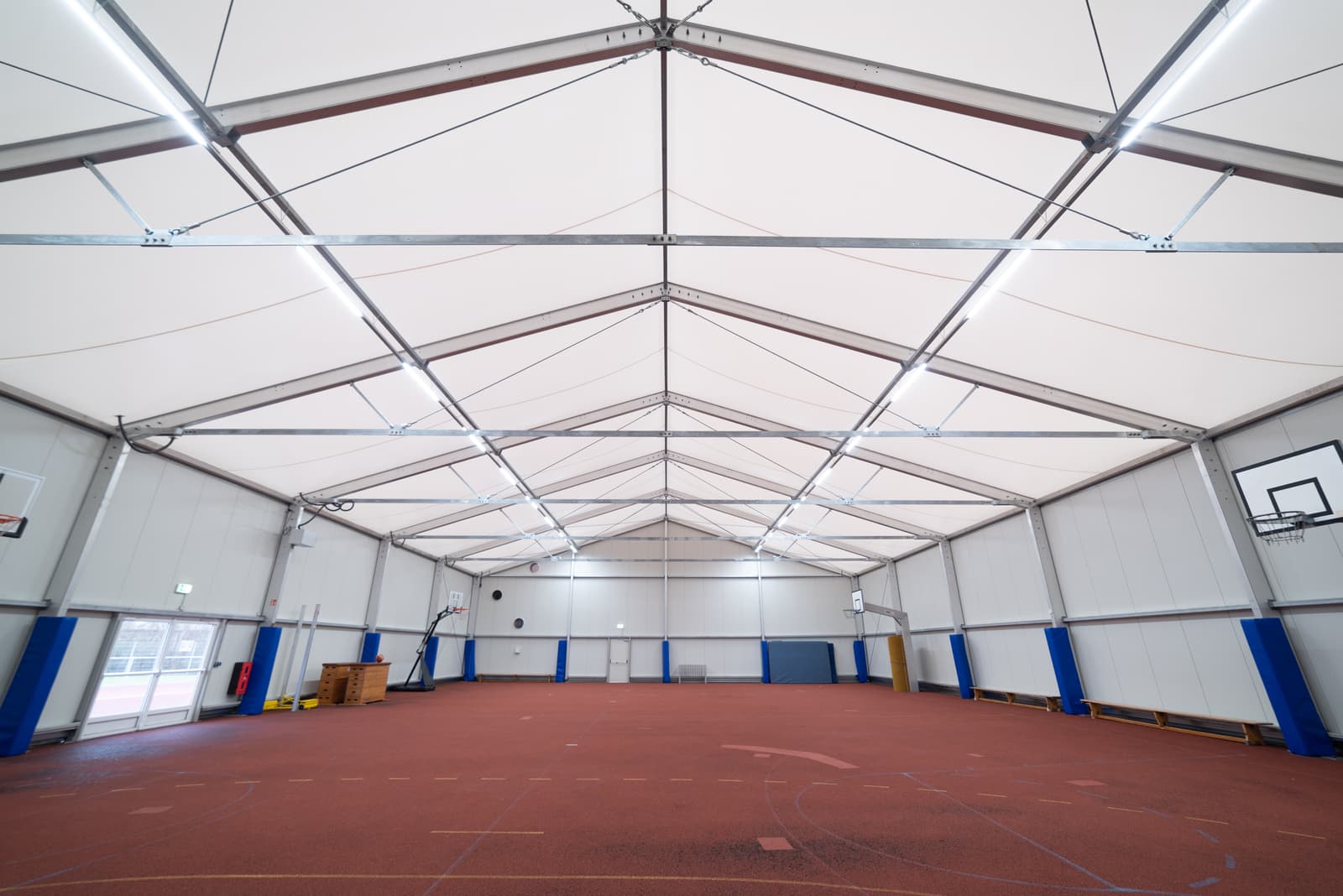
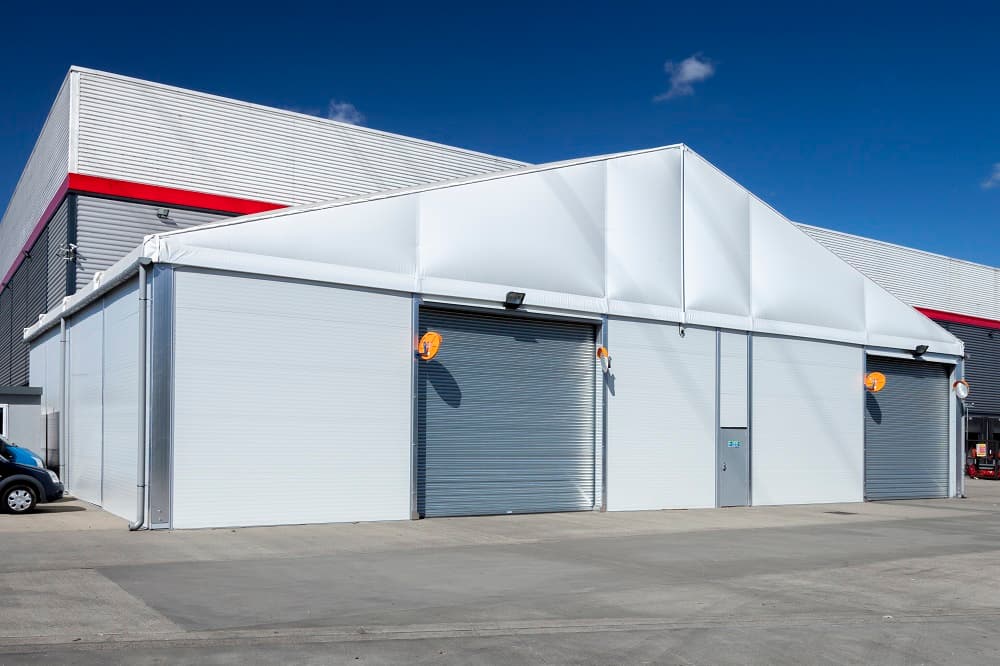
Insulated storage building
If consistent temperatures are to be maintained in a temporary storage building, an insulated storage building is the ideal choice. For this purpose, thermally insulated panels are used for the side cladding and roofing. Alternatively, thermal roof tarpaulins can also be used as roofing for the building. Insulated storage buildings also provide optimal protection for temperature-sensitive goods, products and workflows all year round.
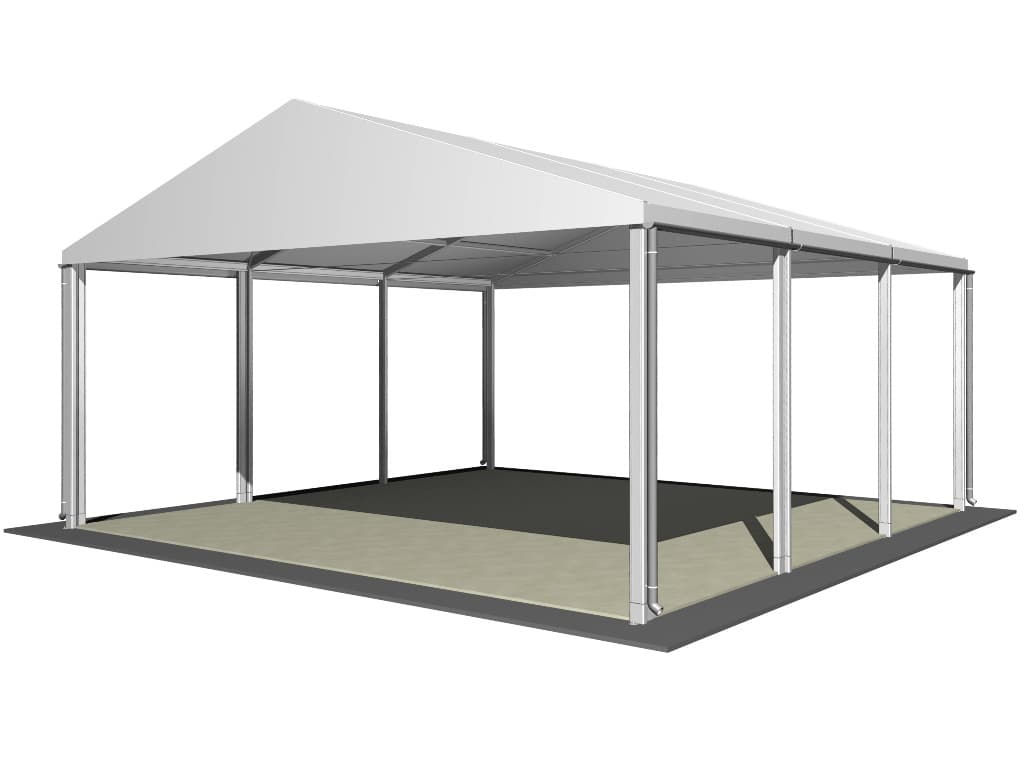
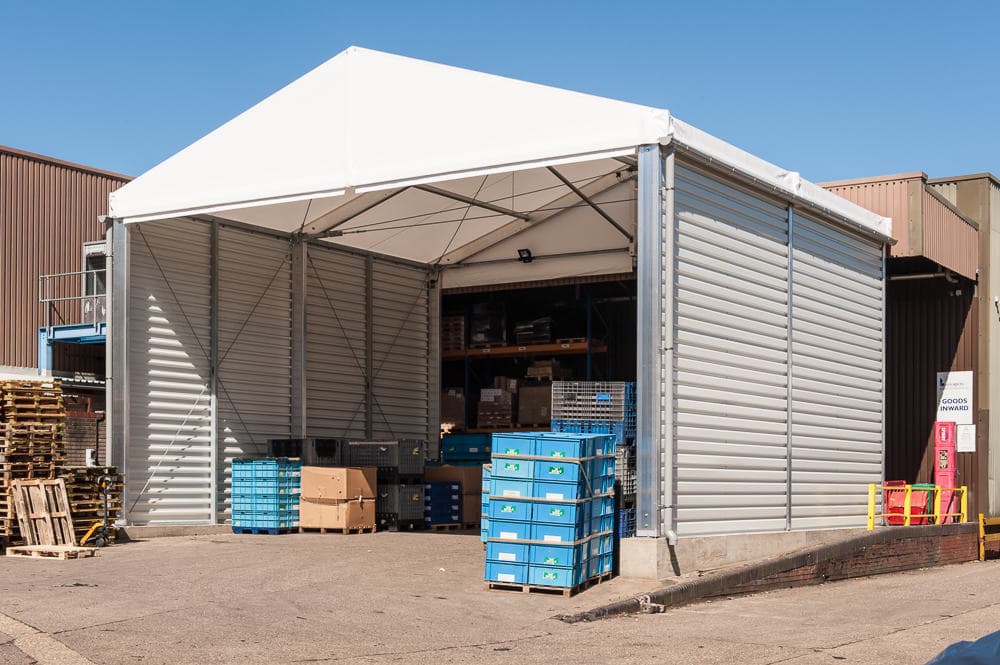
Canopy
A temporary canopy protects non-sensitive goods and materials from weather influences such as wind, rain, snow and sun. Due to its open design, it is ideally suited for loading and unloading processes, but can also be used to protect machinery. A roofing structure is the simplest and most cost-effective option.
Would you like to make your building even more efficiently insulated? Find out more here in our flyer about thermal roof tarpaulins with additional insulation.
Conclusion: How you benefit from well-planned cardboard storage
Well-planned storage of cardboard packaging is the key to efficiency, cost savings and longevity. By ensuring the right conditions such as temperature, humidity and protection from sunlight, as well as using suitable racking systems, you protect your cardboard packaging while also optimising the available storage space.
For even greater flexibility and efficiency, temporary buildings offer an ideal storage solution. With their fast installation time, low costs and adaptability, they provide a future-proof alternative to conventional storage buildings – an investment that pays off in the long term.