Temporary buildings: definition, approval and examples
Temporary structures create the necessary infrastructure exactly where it is needed, without the need to erect permanent buildings. This is indispensable for numerous industries and occasions.
Whether for product presentations, concerts, trade fairs or sporting events, many events would be almost impossible without these temporary structures. They offer a very high degree of flexibility and adaptability, without having to compromise on safety or robustness.
What are temporary buildings?
Temporary buildings are constructions that are not tied to a fixed location. They can be dismantled and re-erected repeatedly at different sites. The requirements a temporary building must meet depend on the respective regional regulations of the competent building authority. In general, it can be said that a temporary building must be notified once it exceeds an area of 75 m² and a test logbook must be provided. A tent can generally remain in place as a temporary building for up to three months; longer periods are also possible under certain circumstances.
Examples of temporary buildings
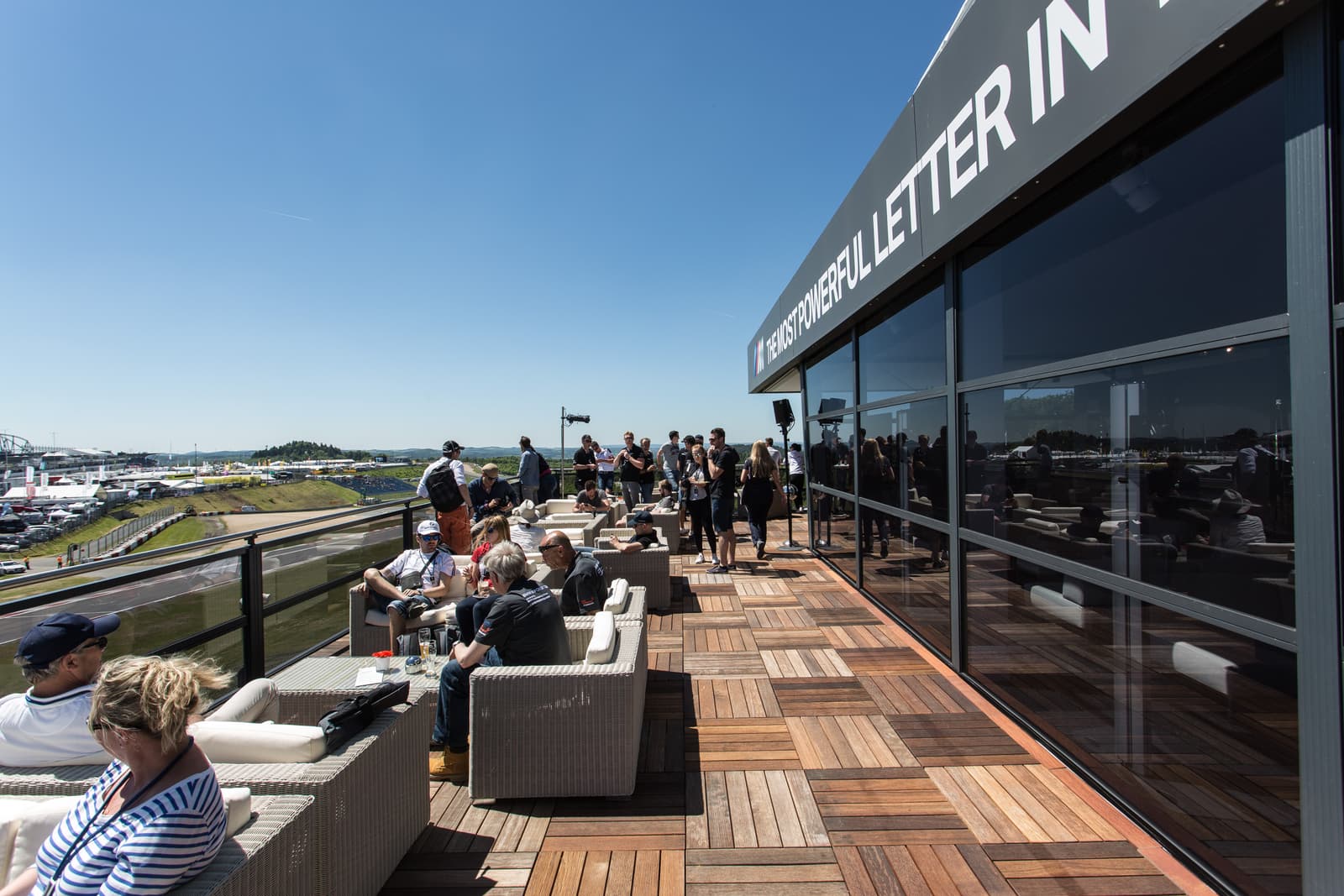
The flexible and temporary structures are the perfect solution when mobility and adaptability are essential. For this reason, temporary buildings are an indispensable part of the events industry. Whether as event tents, exhibition tents, grandstands or stages – temporary buildings meet the many different requirements of the events industry with ease and can therefore be used for a range of applications:
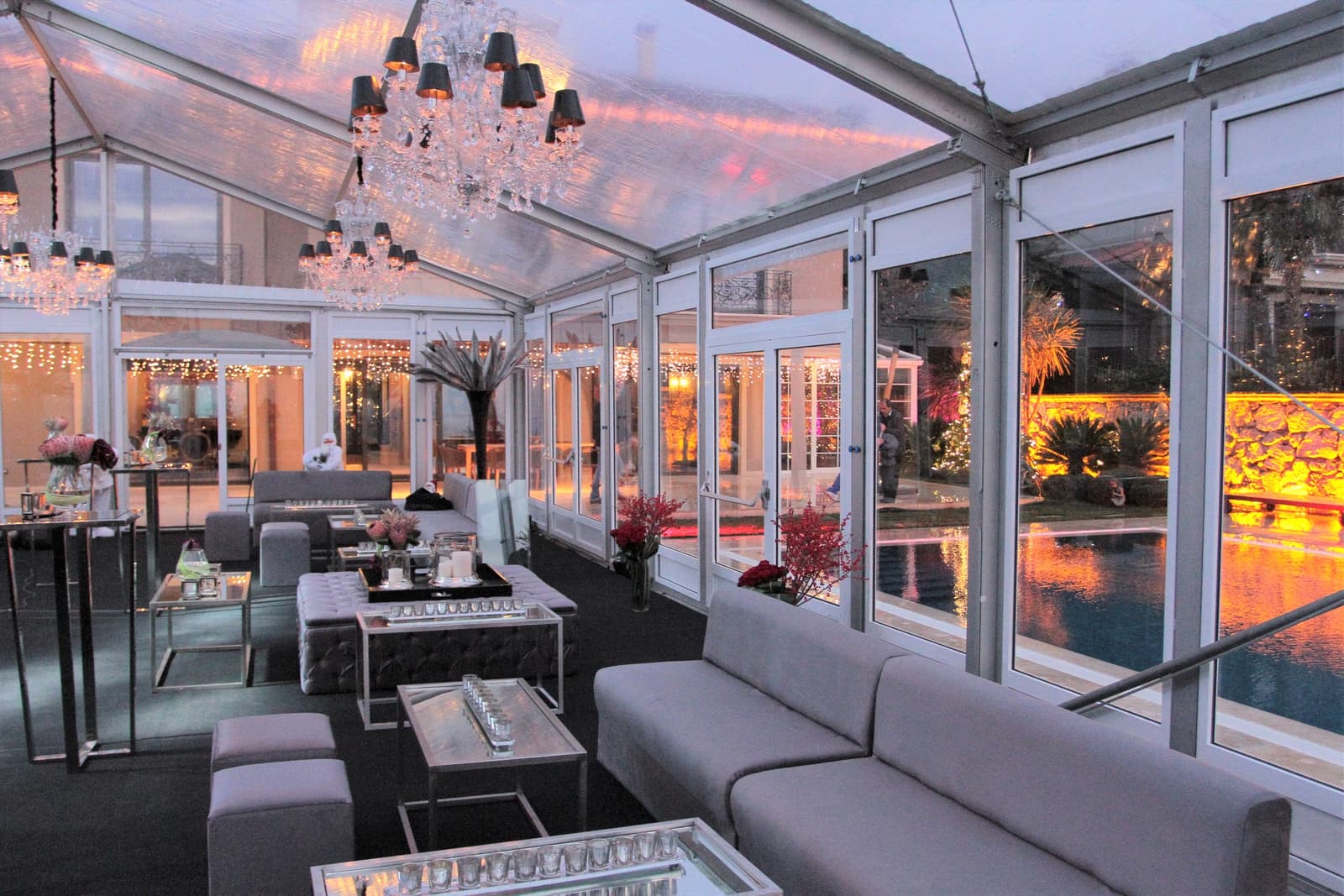
- Party and festival tents: Often used at weddings, folk festivals, circus performances, trade fairs and sales events or other occasions.
- Mobile stages: Used for concerts, corporate events or theatre performances.
- Grandstands: Temporary seating for sporting events, parades or shows.
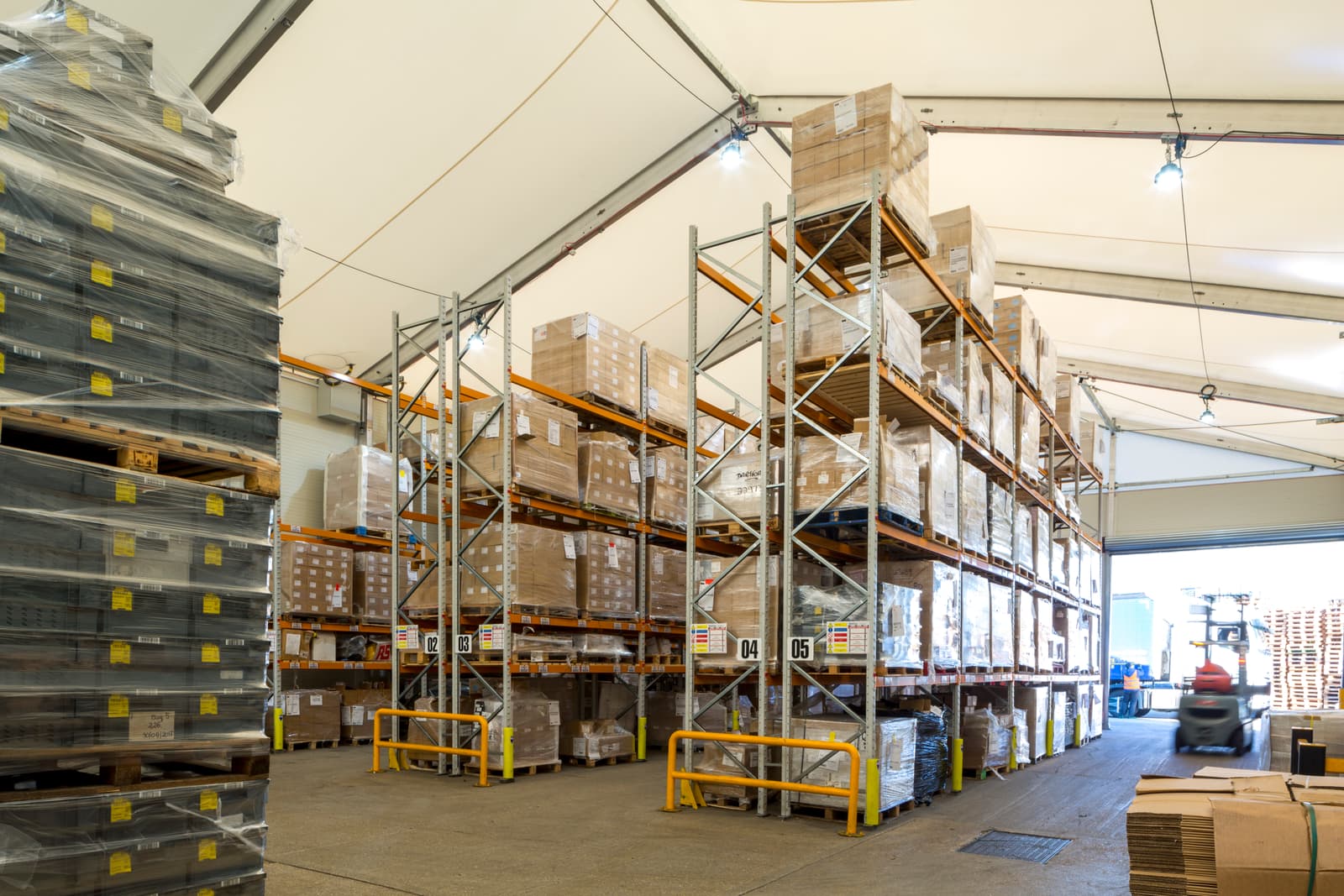
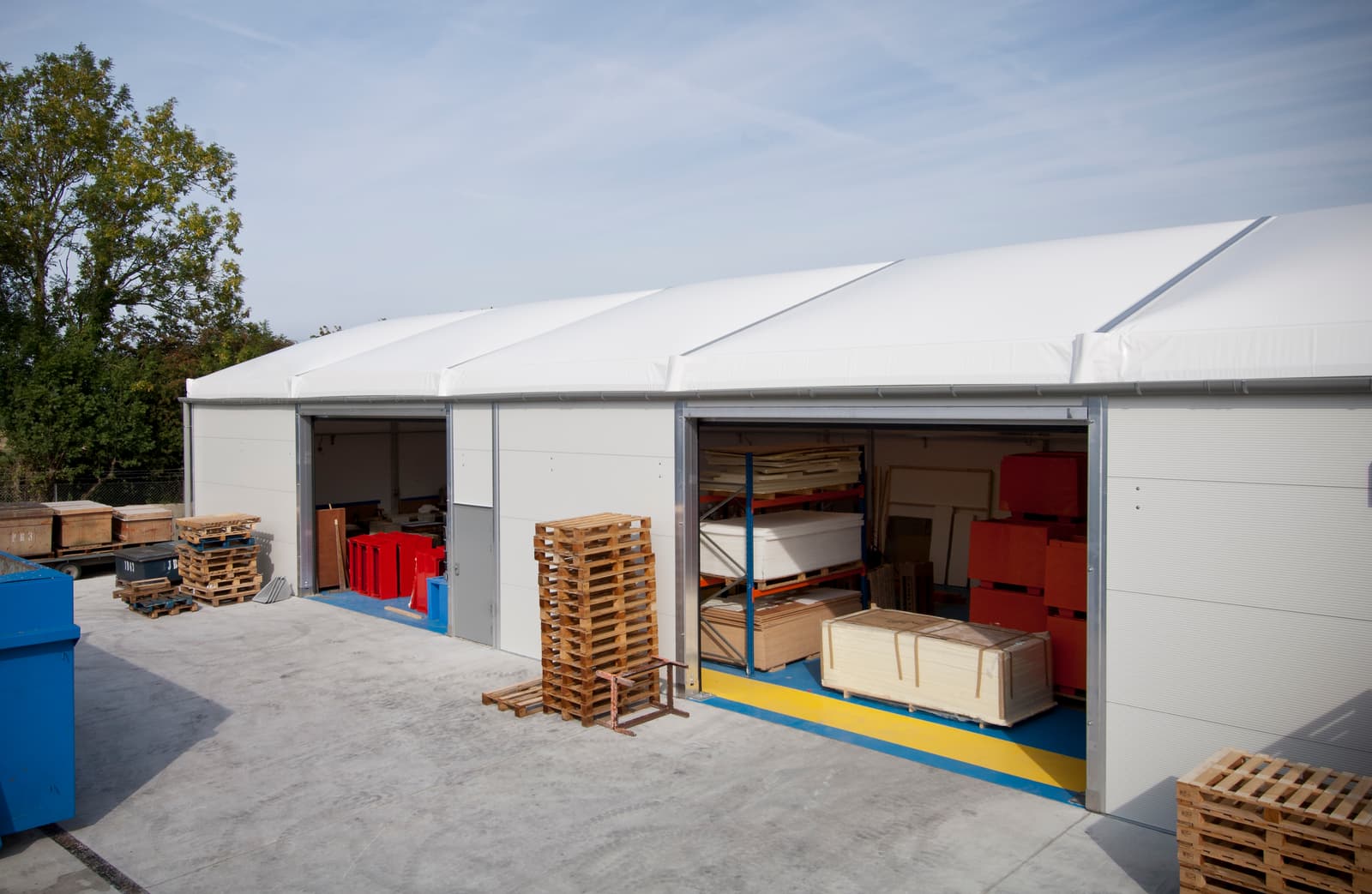
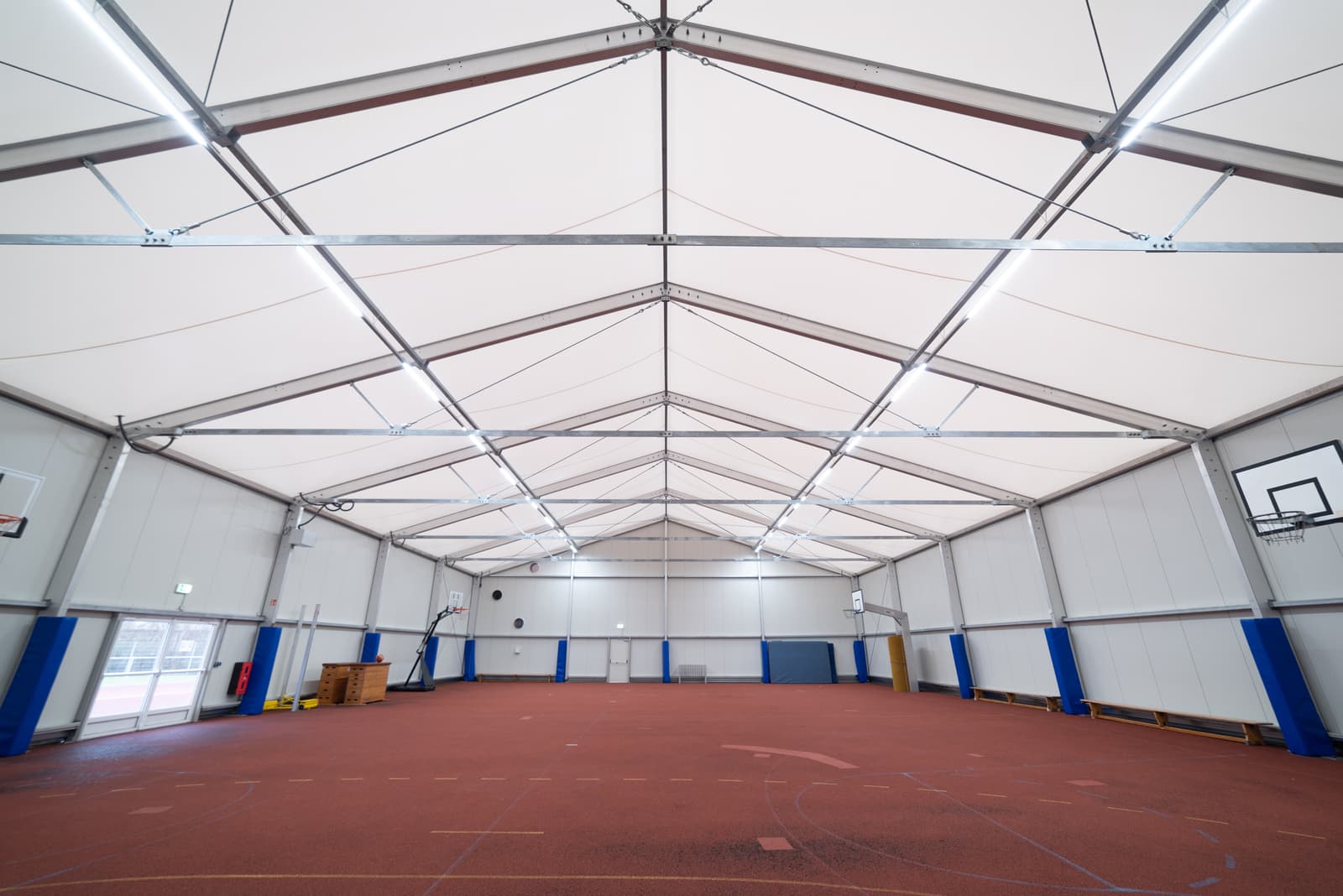
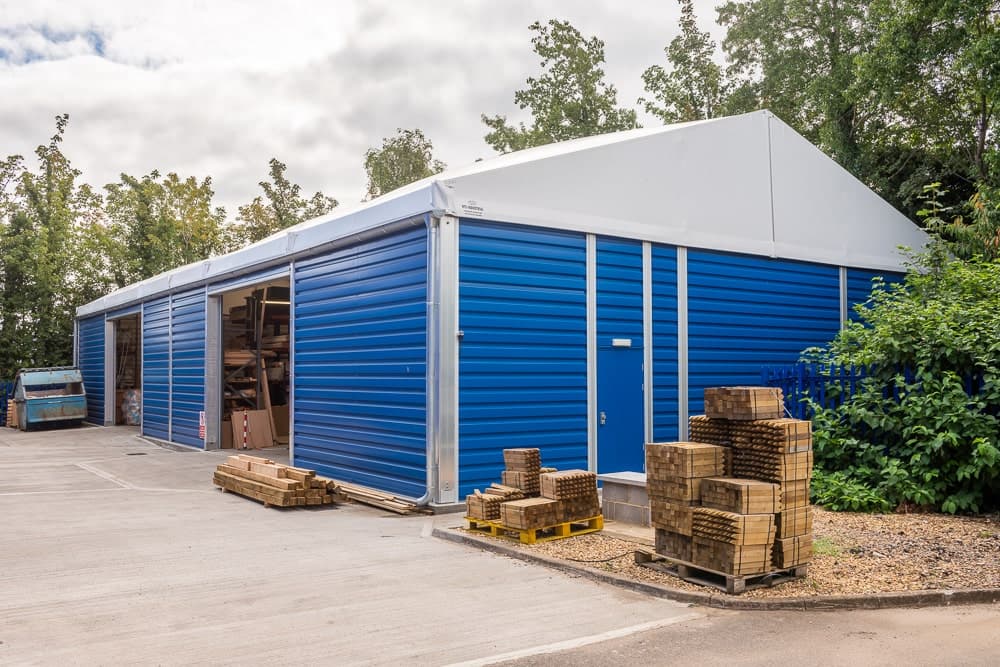
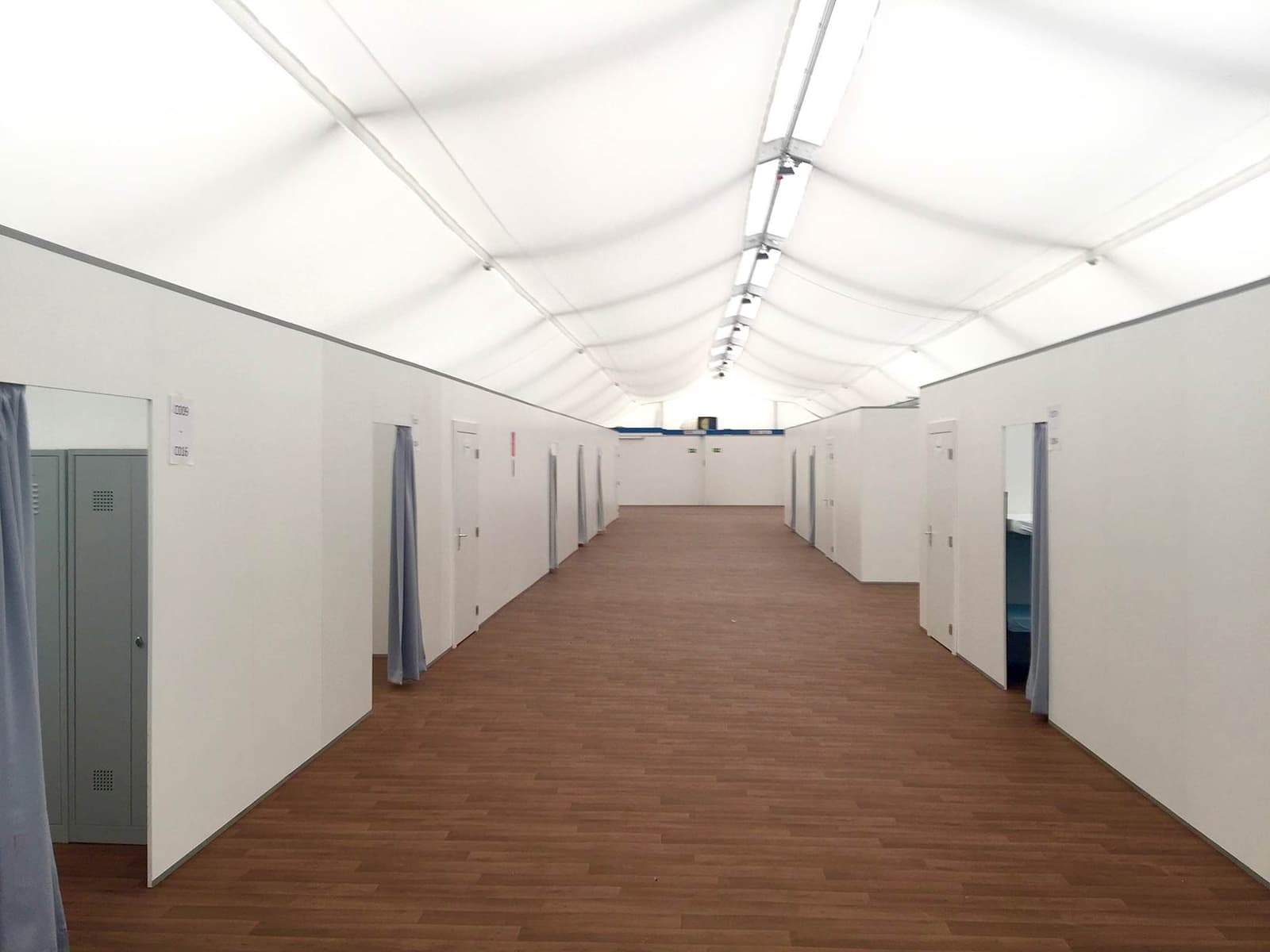
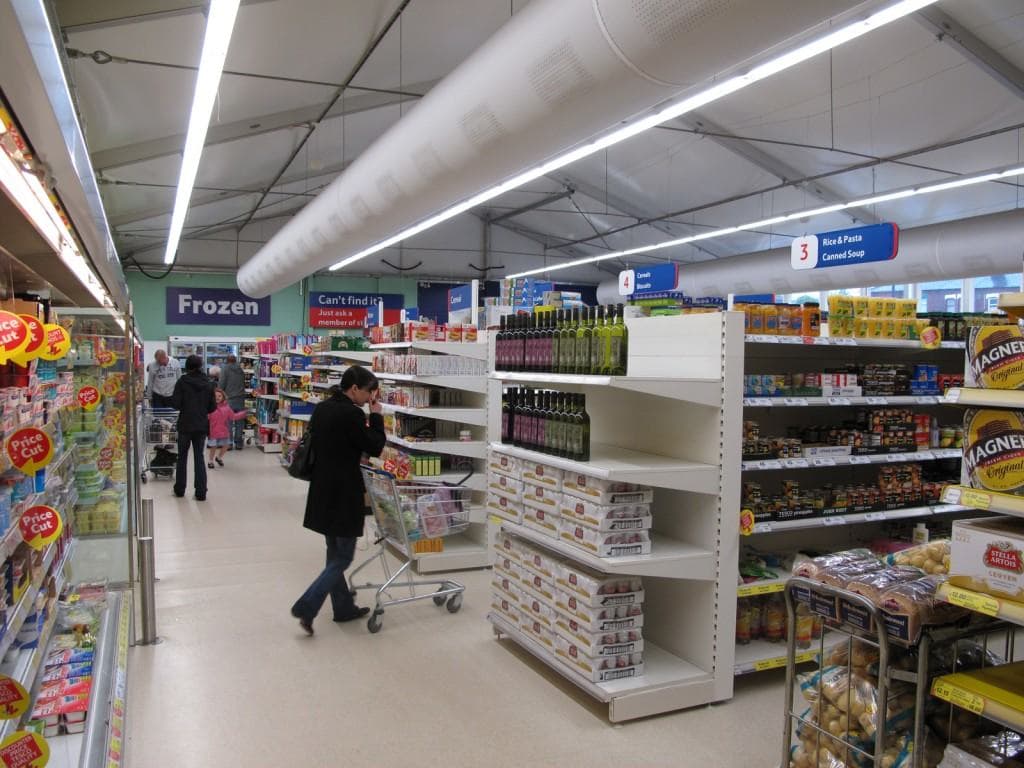
- Temporary space solutions: Temporary classrooms, offices or storage solutions are often used during renovations or as extensions.
- Exhibition or sales halls: as showrooms, pop-up stores or for trade fairs and exhibitions.
- Disaster relief and military purposes: rapidly deployable tents for quick and effective assistance in humanitarian and military operations.

Difference from temporary buildings
Temporary buildings are generally tent structures designed for repeated assembly and dismantling and are only intended to remain in one location for a short period of time, usually a few days up to a maximum of three months. Typical examples include festival tents at fairs or festivals, mobile stages or a travelling circus.
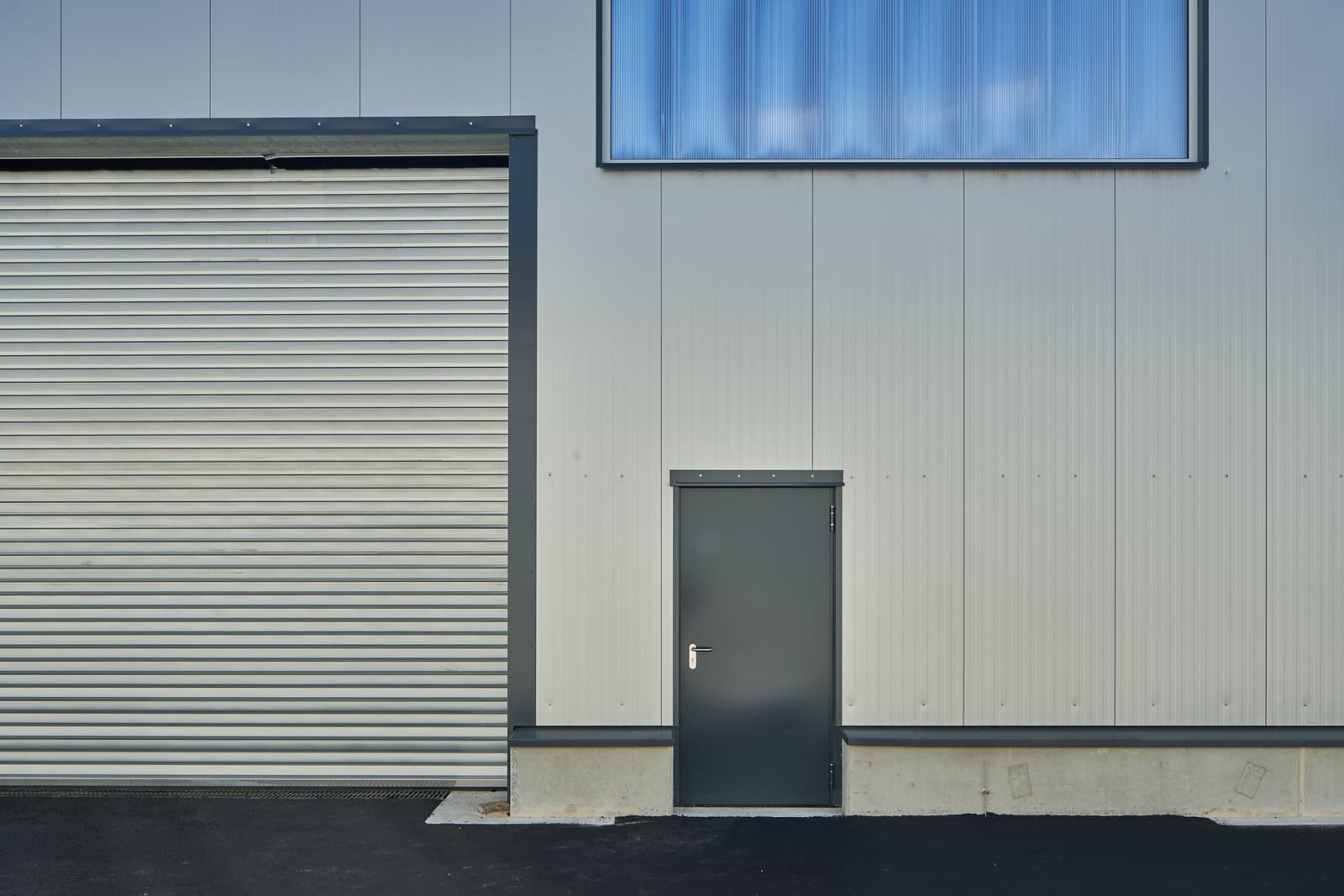
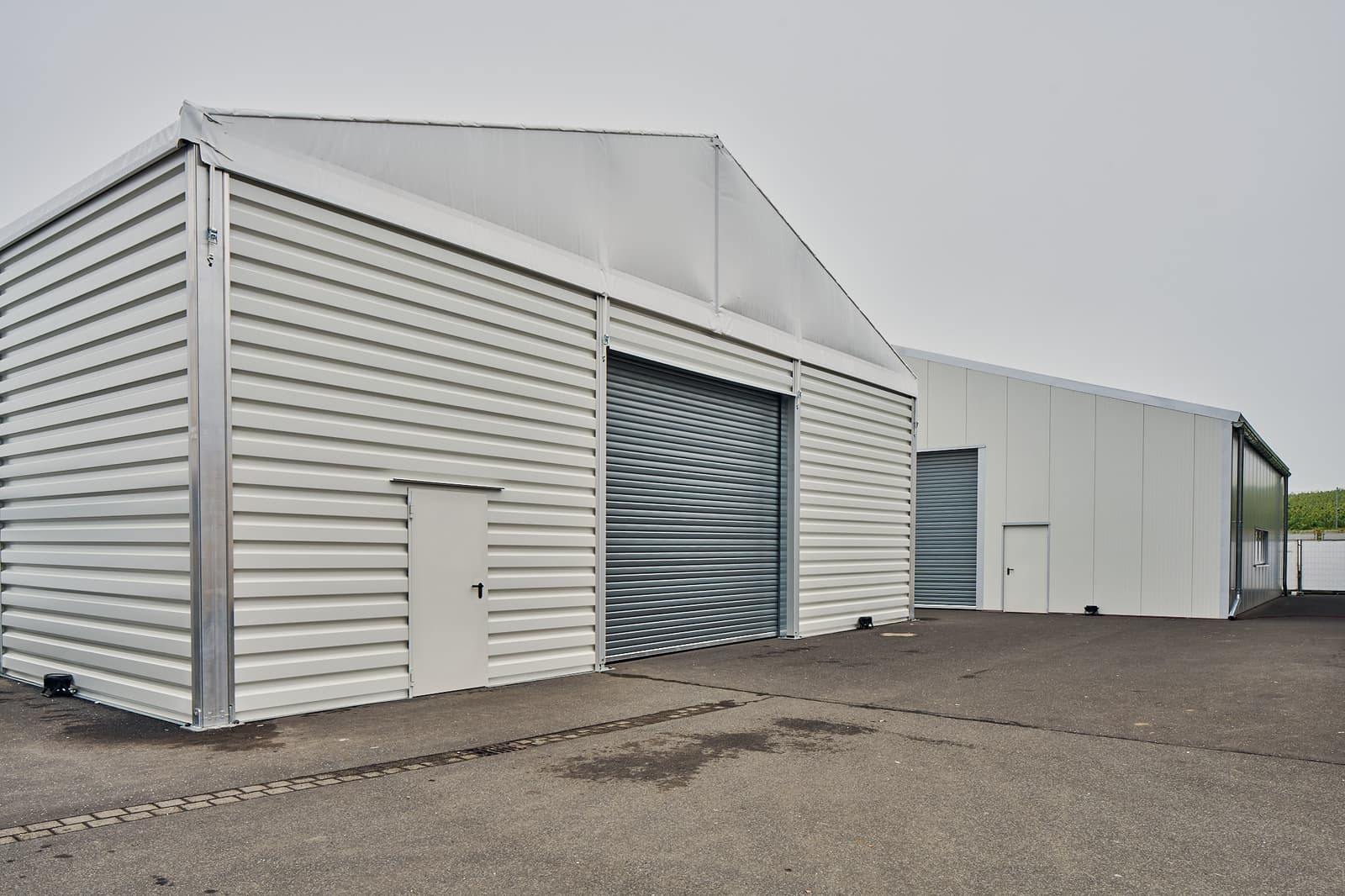
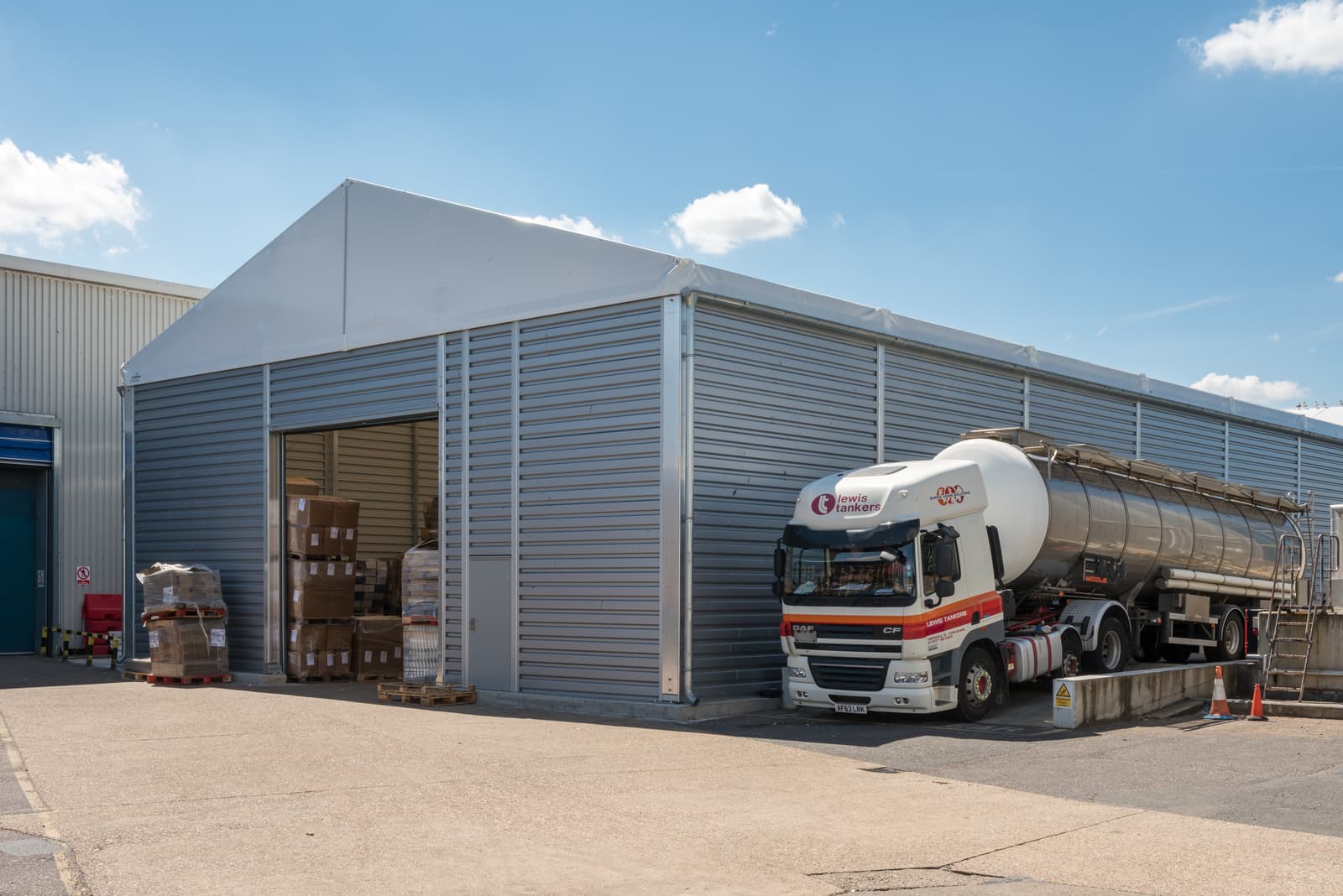
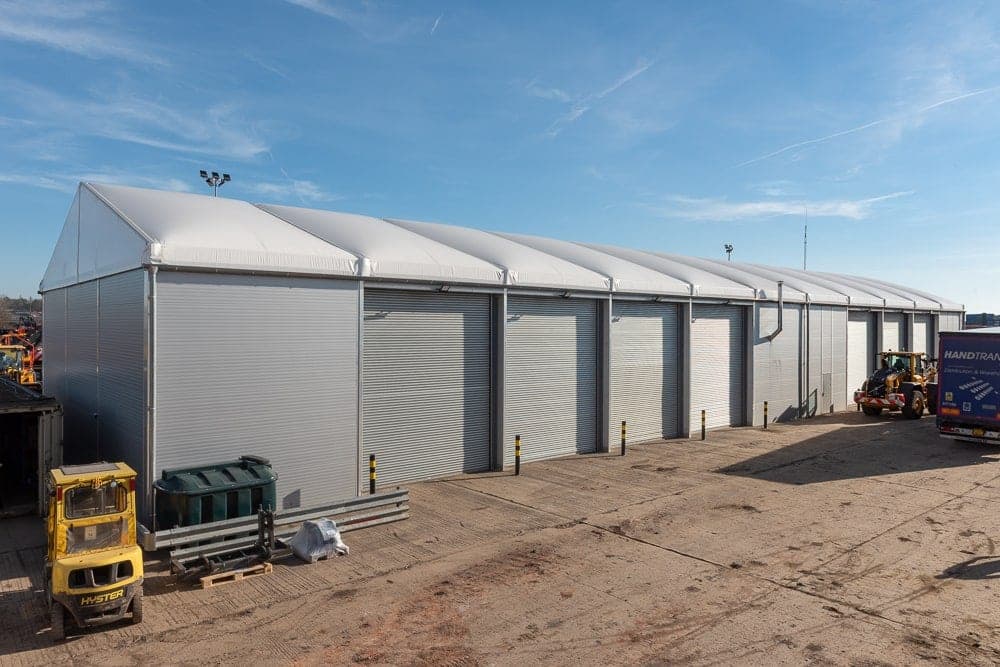
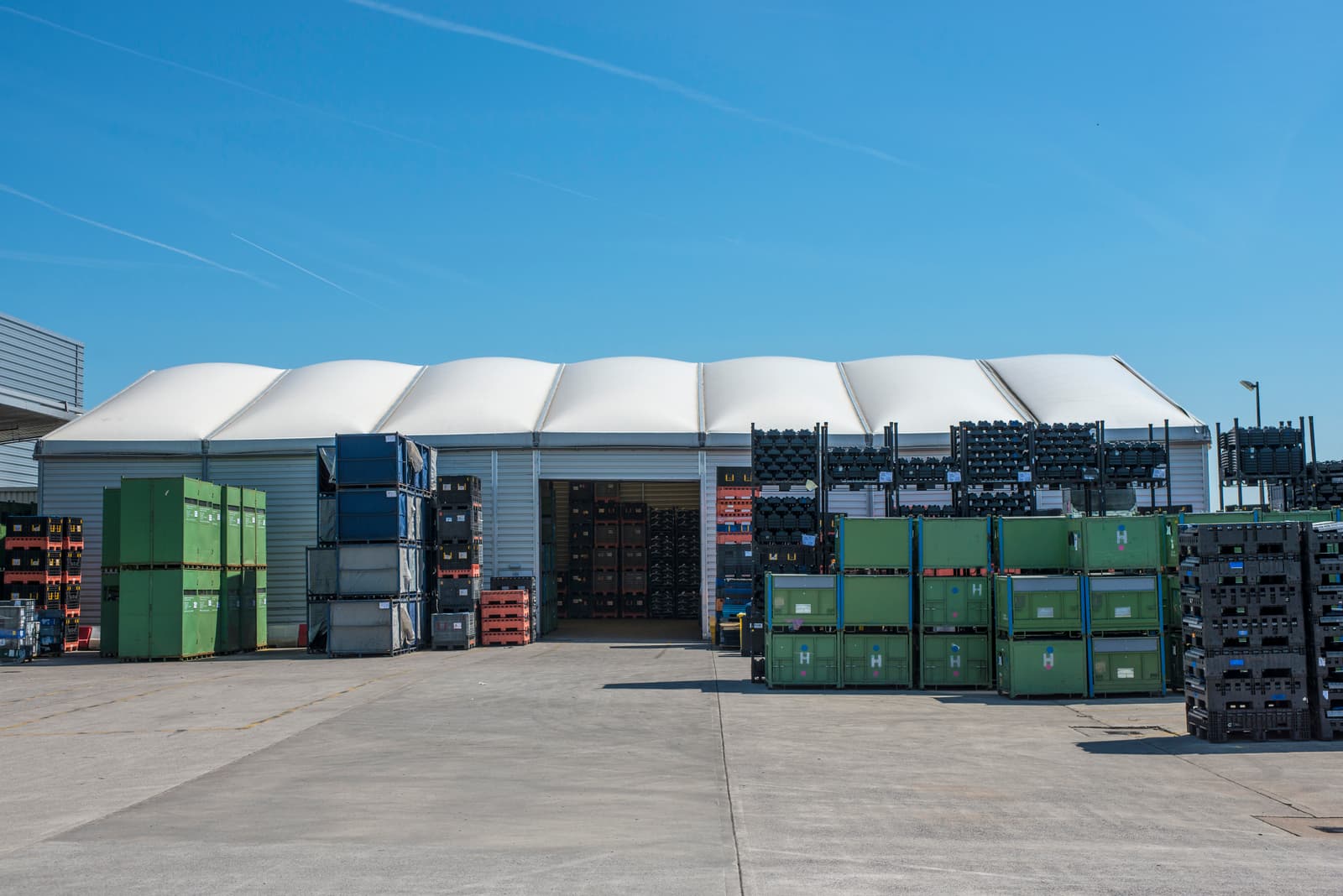
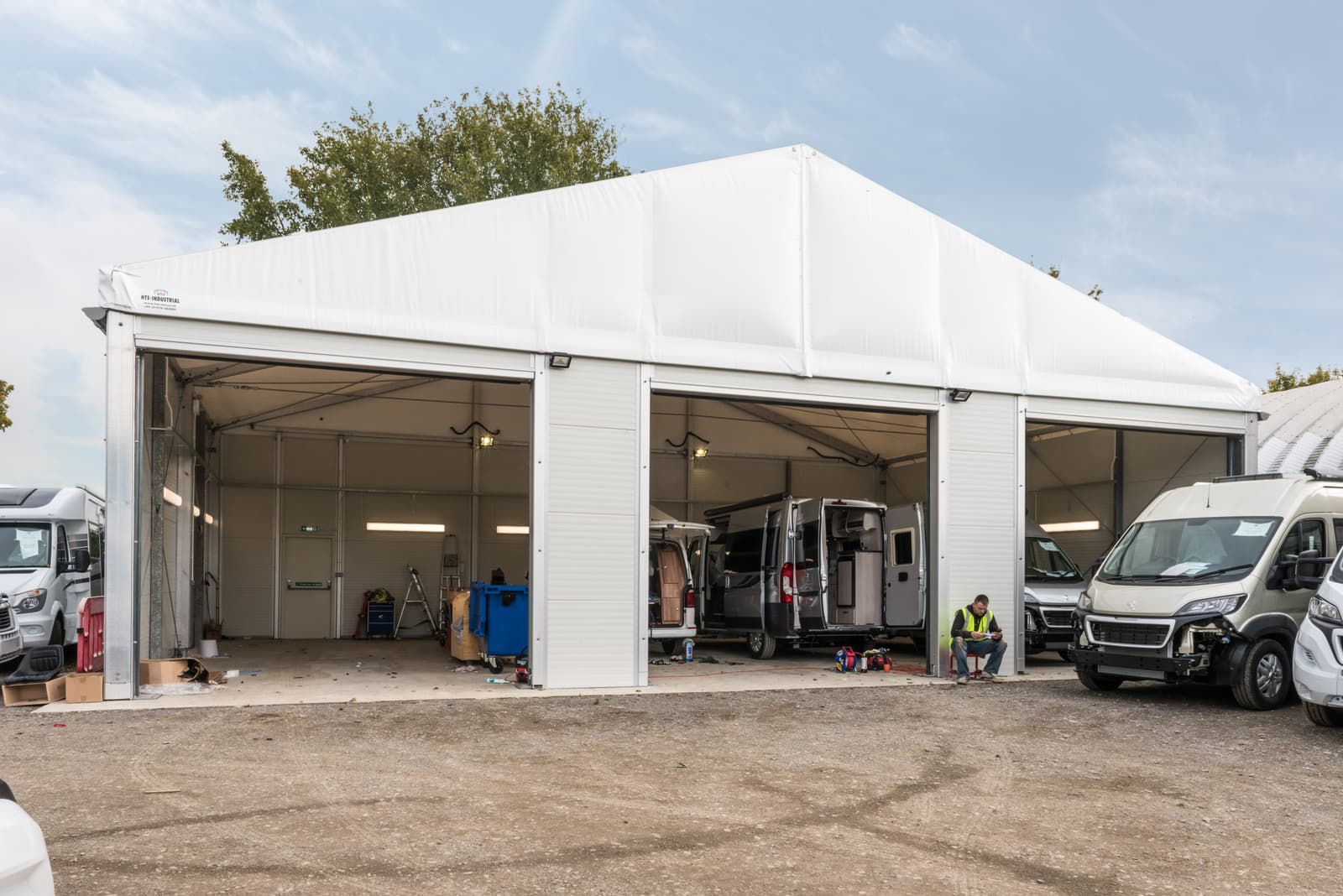
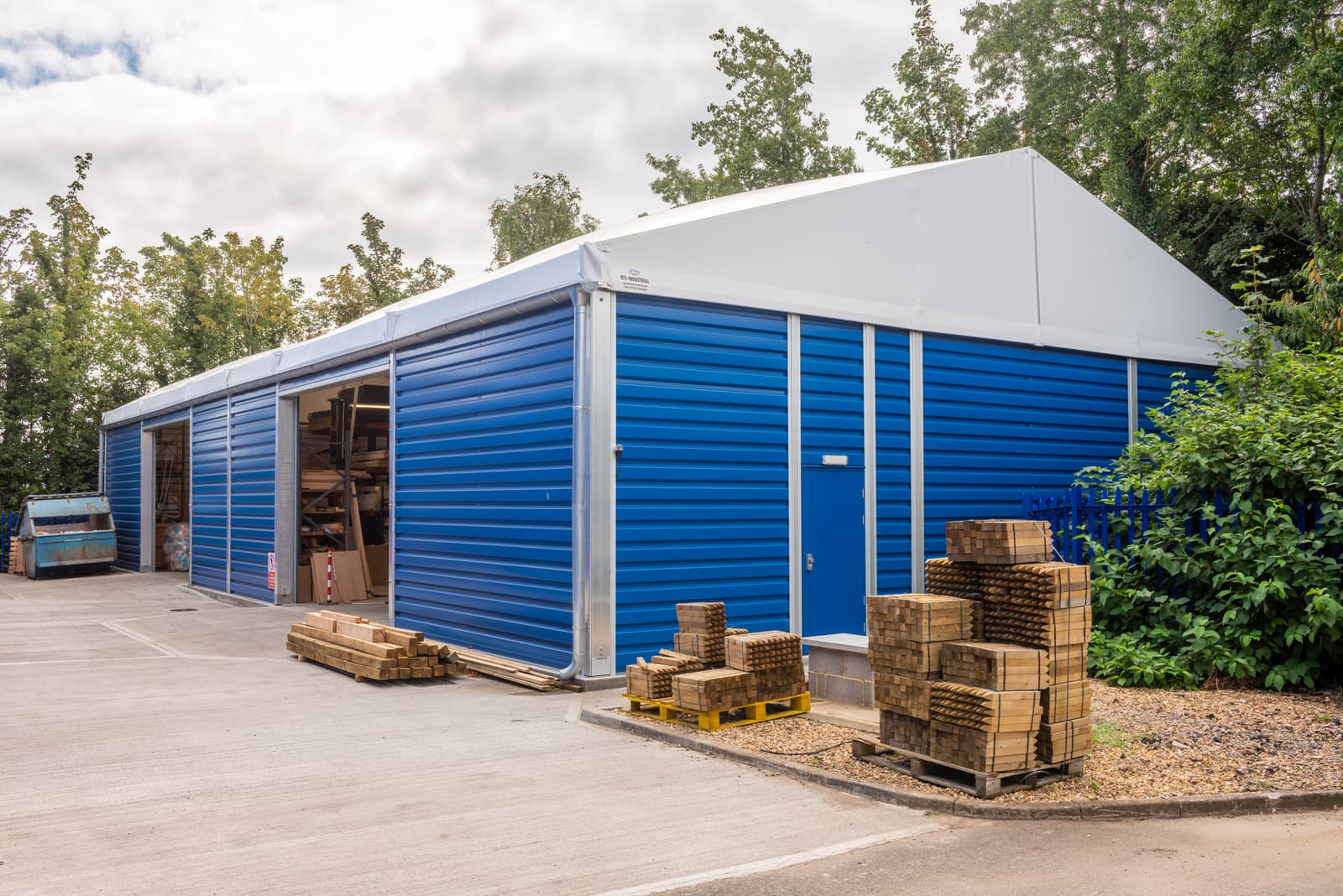
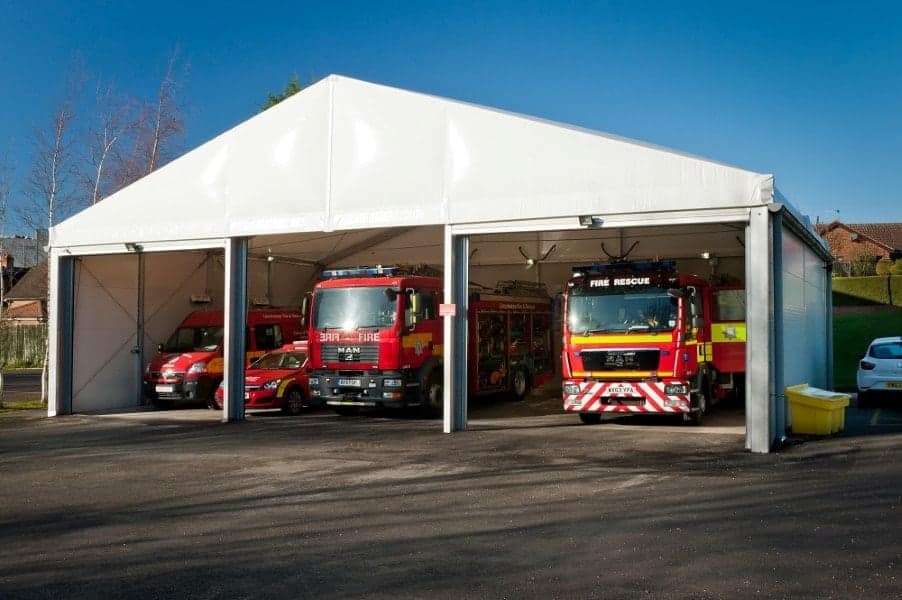
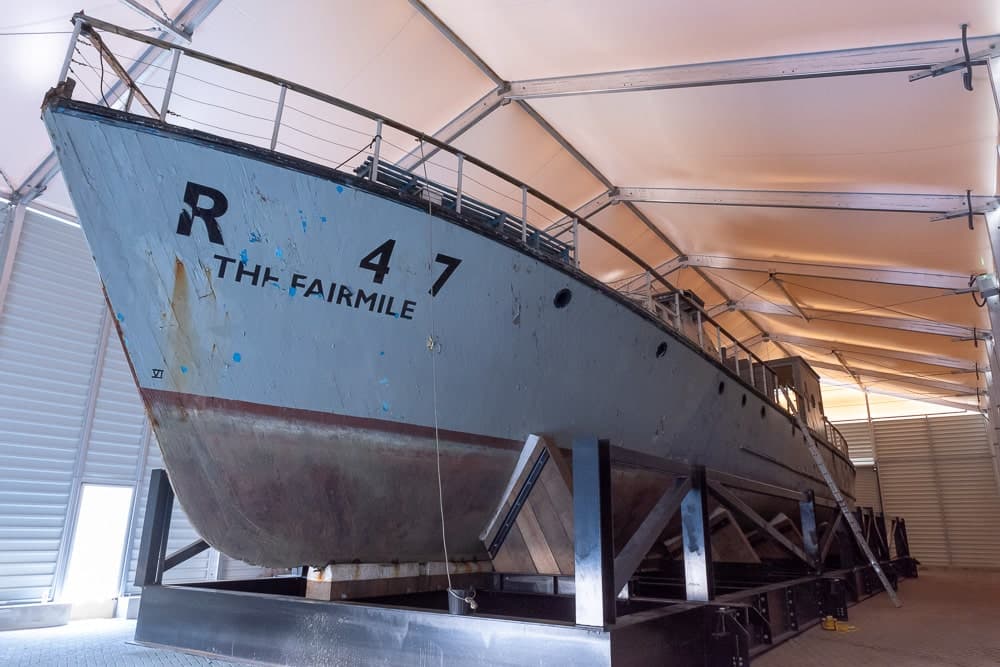
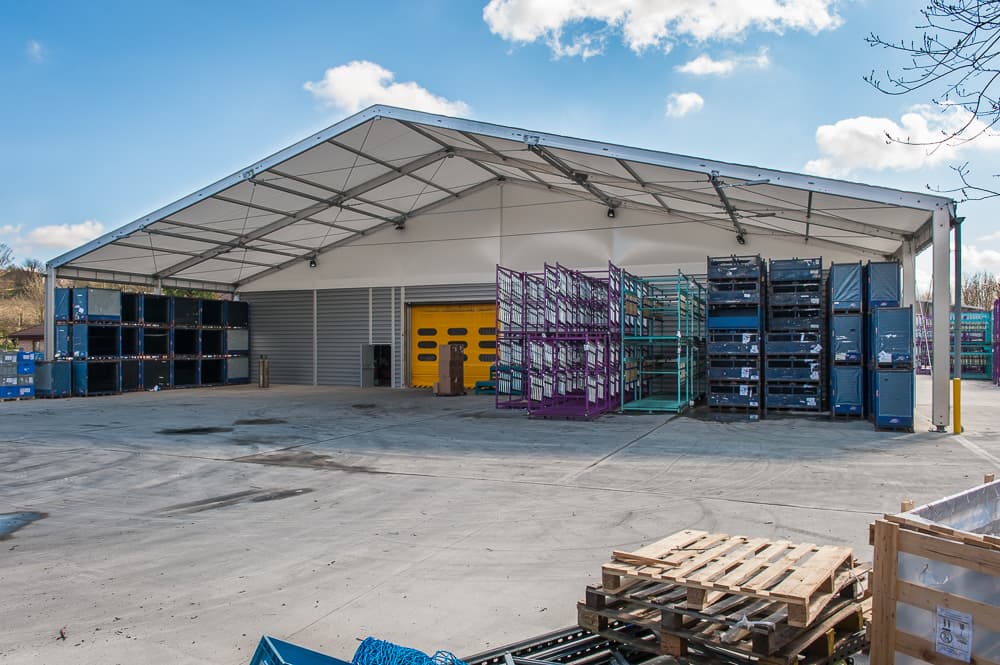
Temporary structures, by contrast, are usually lightweight halls that remain at a fixed location for a longer period and are not intended for regular relocation. They are often used in industry, for example for the short-term or transitional expansion of production or storage space. These structures are frequently rented for a longer period, but are still treated in the same way as temporary buildings with regard to structural calculations.
Approval procedure for temporary buildings
Temporary buildings in Germany are legally regulated and are subject to specific requirements. The technical requirements and safety standards for temporary buildings are set out in DIN EN 13782.
The definition, approval and supervision of temporary buildings are governed by the respective state building regulations of the federal states. These regulations vary significantly from region to region, meaning there is no uniform nationwide regulation for temporary buildings in Germany.
Temporary buildings do not require a conventional building permit. Instead, a special approval procedure applies: a test logbook including an operating permit is issued, based on the certified structural design calculations of the respective construction. In addition, there is an obligation to notify the competent building authority, as well as a mandatory operational inspection carried out by an authorised body, usually the TÜV.
What is an operating permit for temporary buildings?
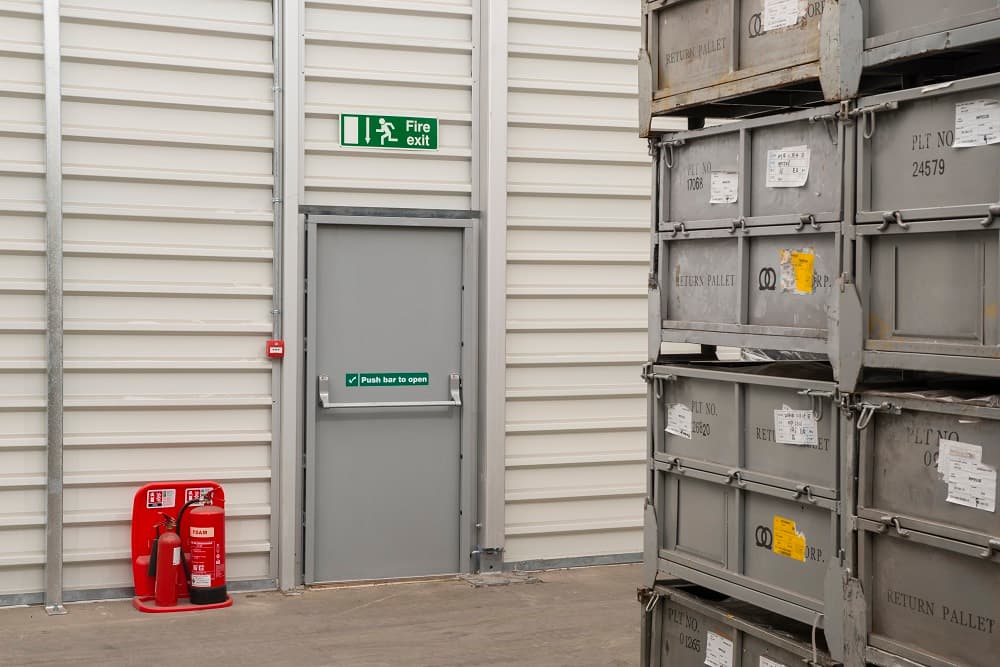
Before a temporary building can be erected and used for the first time, an operating permit is required in most cases. This permit is based on technical inspections carried out by experts who assess structural stability, fire protection and safety measures.
The process of obtaining an operating permit generally includes the review of construction plans, the performance of safety inspections and, where necessary, acceptance by the competent authority. The operating permit also specifies which inspections are required for the respective temporary building.
What happens during the operational inspection?
The operational inspection is a further step in the approval procedure for temporary buildings. Whether an operational inspection takes place is decided by the competent building authority. At the time of the inspection, the structure must be fully erected.
It is checked whether the temporary building has been safely and properly erected and complies with the legal requirements. During the operational inspection, the test logbook with the operating permit as well as a site plan must be presented.
When are temporary buildings exempt from approval?
Temporary buildings are exempt from approval under certain conditions. The requirements are:
- Floor area: The structure must be smaller than 75 m².
- Height: The structure may be a maximum of 5 metres high.
- Duration of erection: A temporary building may be continuously erected at one location for a maximum of 3 months.
Important: These regulations may vary depending on the federal state. It is therefore advisable to obtain information from the competent building authority regarding the specific requirements for temporary buildings.
How long may temporary buildings remain erected?
The permitted duration for which temporary buildings may remain erected depends on the legal provisions of the respective federal state as well as on the issued permit.
In general, temporary buildings are only approved for a limited period and may not be installed permanently at one location. In most cases, the maximum erection period is 3 months. After this period has expired, a new permit usually has to be applied for or an extension of the existing permit must be obtained. Whether an extension is possible depends on the regional building regulations.
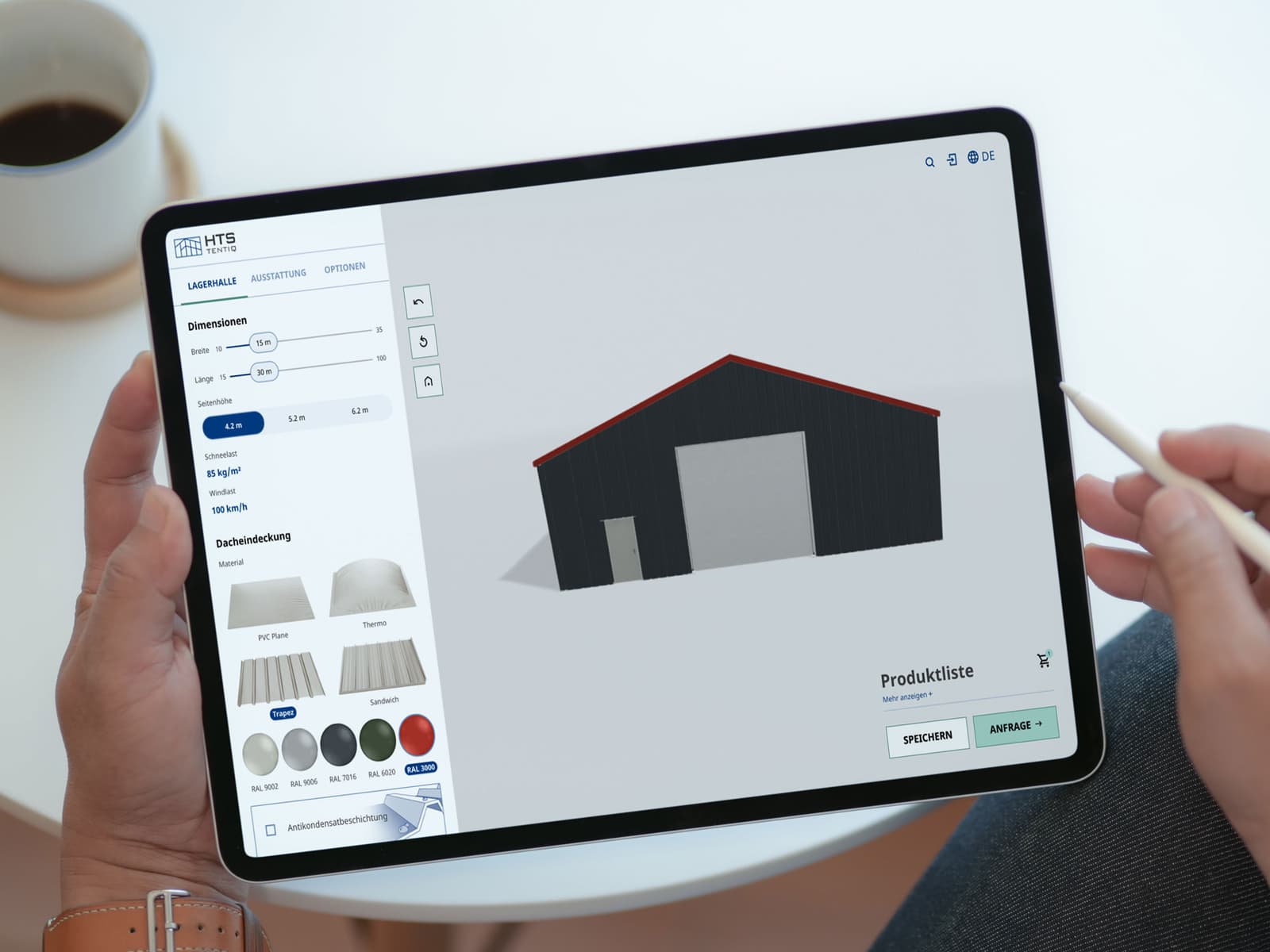
You can even design your own bespoke temporary building online. It is easy to do with our free 3D building configurator.
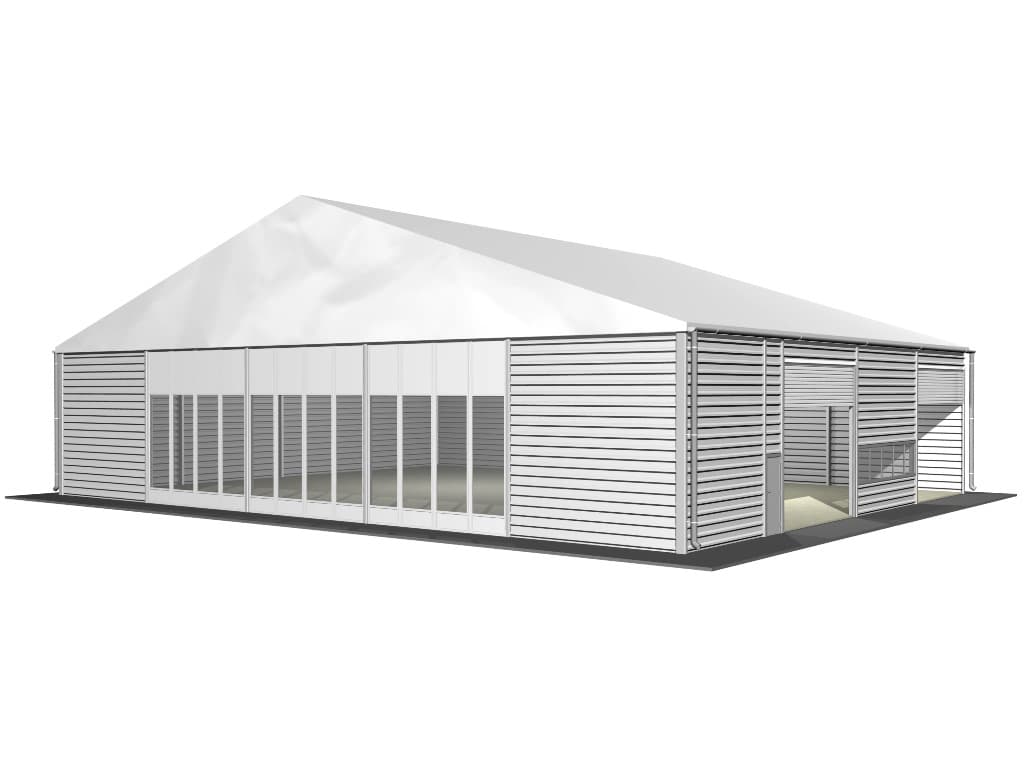
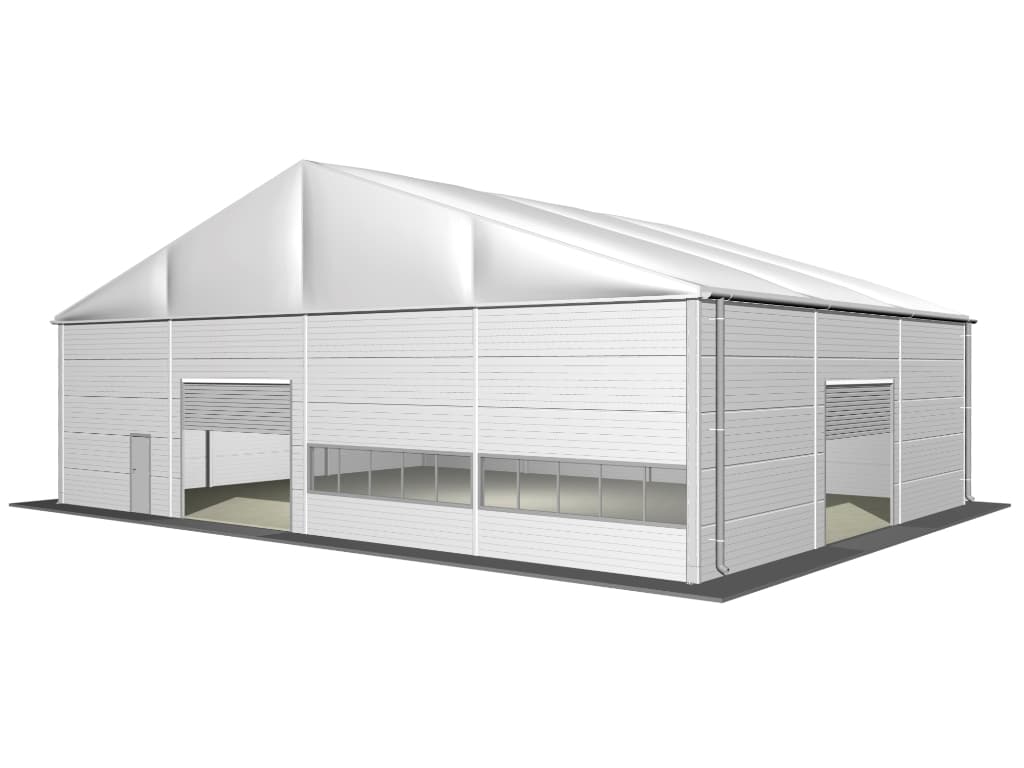
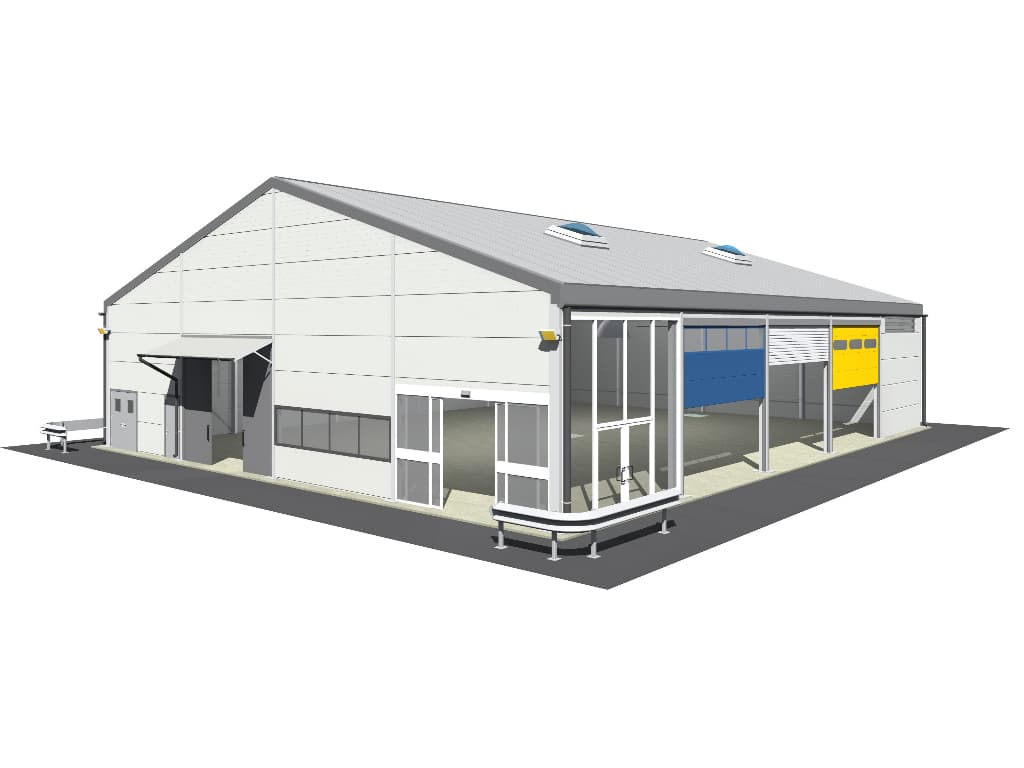
Depending on your individual space requirements, simply enter the desired dimensions. You can also choose the side cladding and roof shape, and equip your temporary building with windows, doors and gates. If your requirements differ from our modular dimensions or designs, let us know in the comments. We will be happy to prepare a bespoke quotation for you.
Use HTS TENTIQ temporary buildings as temporary structures
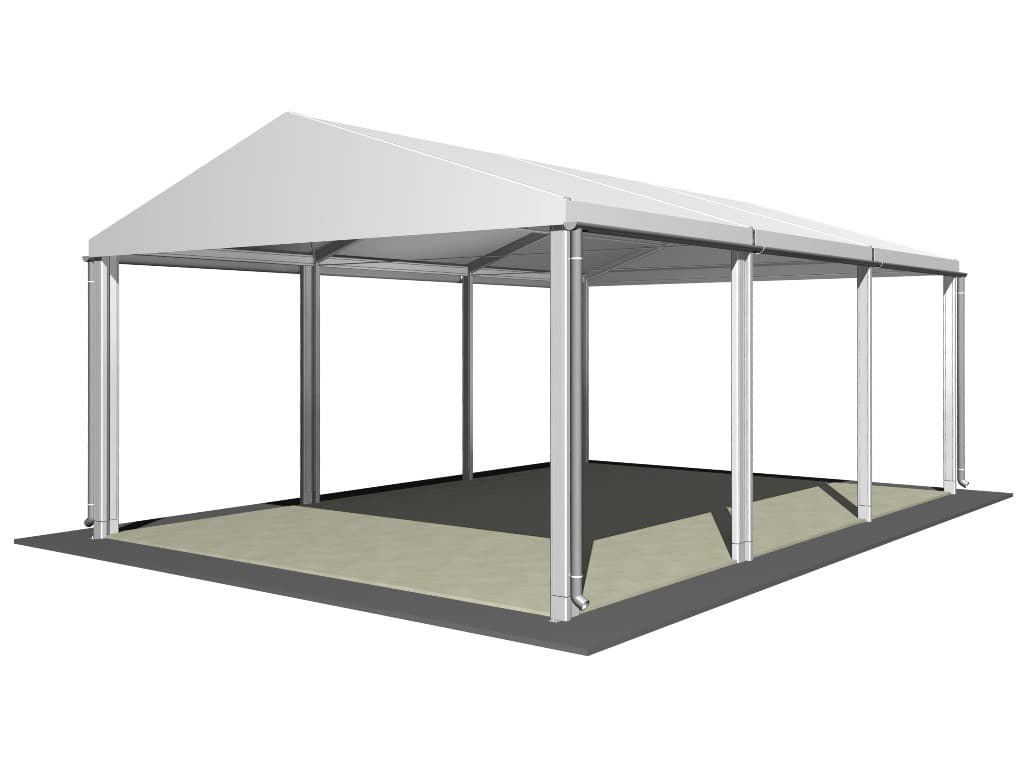
HTS TENTIQ specialises in the manufacture of high-quality modular temporary buildings and temporary space solutions. The modular aluminium frame constructions of our temporary buildings enable rapid assembly without heavy equipment, while also providing the required structural stability. The buildings are available in various sizes and can be adapted to different needs – from smaller event solutions to large-scale industrial buildings:
Temporary buildings can very often be erected as temporary structures:
- Temporary event venues for trade fairs, exhibitions and events
- Seasonal retail spaces and pop-up stores
- Temporary storage and production facilities
- Mobile workshops and service facilities
- Temporary sports venues and coverings for sporting events
- Event catering and festival tent operations
- Short-term extensions of existing buildings
- Emergency accommodation and relief facilities in disaster situations
- Seasonal training and seminar rooms
- Short-term office and administrative spaces
The versatility of temporary buildings lies in their modular construction, rapid assembly and dismantling times, and the ability to equip them with various flooring, lighting and climate control systems in order to adapt them to specific requirements.
For operators who regularly erect temporary structures, HTS TENTIQ’s lightweight buildings are an economical alternative to other types of construction. The durable materials and the reusability of all components ensure sustainability and cost efficiency over many cycles of use. In addition, roof and wall constructions can be designed with insulation, enabling use even during the winter months.
Conclusion: Everything you need to know about temporary buildings
The construction of buildings was long considered permanent, cost-intensive and time-consuming. Today, however, companies in commerce, trade and industry must respond flexibly to changing requirements in order to remain competitive. Temporary buildings and lightweight structures enable rapid adaptation to changing conditions and offer efficient use of space and resources. As such, these constructions are the ideal spatial response to the growing demand for flexibility across all sectors. They are used in particular for events such as exhibitions, trade fairs or festivals, as they can be quickly assembled and dismantled repeatedly.
Temporary buildings from HTS TENTIQ also fulfil a wide range of functional requirements and can likewise be used as temporary storage facilities or emergency accommodation.
Despite their easy mobility, temporary buildings must comply with strict safety and construction regulations, which are verified through operating permits and various inspections carried out by experts.