Emergency planning for businesses: Why temporary buildings must not be missing from your emergency plan
Many business owners hesitate to deal with the topic of operational emergency planning. In an emergency, however, it pays off to have invested time in developing measures and instructions. Only in this way can risks be responded to quickly and in a considered manner.
Ultimately, an emergency plan means thinking about the future and the continuity of the building.
Operational emergency planning: definition, significance and fundamentals
Dealing with potential crises and emergencies that may affect a building is not an easy but a necessary task. An operational emergency plan serves to enable a concrete action plan for responding to unforeseen events. In this way, an operational emergency plan defines a process that guides companies through crises like a form of expertise. This plan contains instructions and measures that must be taken in the event of an emergency in order to minimise possible damage or prevent business interruption and ensure business continuity.
Why do businesses need emergency planning?
Whether fire, loss of important customers, resignation of skilled workers or managers, technical failures, floods or other natural disasters – there are many events that can pose a major risk to a building or to departments within a building. Being able to respond quickly with a well-thought-out strategy helps to manage and limit damage. A well-developed emergency plan can, in the worst case, determine whether a building can continue to operate or not.


The step-by-step guide for effective emergency planning
At first glance, creating an emergency plan may seem complicated and time-consuming. Moreover, every building is unique. However, there are a number of points in an emergency plan that remain constant regardless of industry, building and location.
We show you how to develop a successful emergency plan in eight steps:
1. Create a complete list of all identifiable risks
Create a complete list of all identifiable risks that could affect your business. Consider both risks that affect the entire business and those that are specific to individual departments. Take both internal factors and external factors into account.
2. Assess the risks based on their severity and likelihood of occurrence
How severe the consequences of a risk are and how likely its occurrence is will determine whether an emergency plan should be created for the respective uncertainty. Therefore, go through each risk in detail and assess it. A classification into low, medium and severe is recommended for both criteria. Always consider the potential impact on business operations when carrying out the assessment.
3. Identify the key risks
The risk assessment in step two enables you to identify those risks that are particularly critical for your business. These so-called key risks still need to be prioritised in order to determine for which ones the creation of an emergency plan is required. As a rule, there are some risks that, due to their severity and frequency of occurrence, absolutely require an emergency plan. In addition, no emergency plans are drawn up for risks that occur rarely and have little impact on the business.
But how should other risks be handled? Using the following table, we show you what needs to be done for each risk:
Severity | Likelihood of occurrence | Emergency plan |
|---|---|---|
high | high | Yes, a well-developed emergency plan is required to safeguard business operations. |
medium | high | Yes, a well-developed emergency plan is required to safeguard business operations. |
high | medium | Yes, due to the severe consequences, an emergency plan must also be created for these risks. |
high | low | Yes, despite the low likelihood of occurrence, it is necessary to create emergency plans for these risks, as the impact of these risks is very significant. However, it is advisable to involve only the relevant persons in these emergency plans. |
medium | medium | An emergency plan is usually not required; developing targeted measures and proactive action is sufficient. |
low | high | An emergency plan is usually not required. Developing targeted measures and implementing them is sufficient, as the impact on business operations is low. |
medium | low | No, as these risks do not constitute emergencies, the creation of emergency plans is not required. |
4. Develop detailed emergency plans for the key risks
An operational emergency manual should contain clear instructions for action, a timetable, responsibilities and communication channels. In practical terms, you can proceed with the creation using the following points:
- Triggers: What are the triggers that lead to the activation of the emergency plan?
- Response: What is the immediate response?
- Communication: Who needs to be informed by whom?
- Responsibilities: Who are the main persons responsible and what is their role?
- Instructions and measures: What instructions for action and measures are necessary?
- Timeline: Which tasks must be carried out in the short, medium and long term?
5. Have the emergency plan approved
Ensure that the emergency plan that has been created is approved by the relevant managers or decision-makers in the building. The purpose of this approval is to ensure that the persons concerned agree with the emergency plan so that they can also stand by its contents in the event of an emergency.
6. Distribute the emergency plans to those responsible and to the team
A very well-developed emergency plan will only deliver the desired outcome in an emergency if all involved persons are fully aware of the contents of the emergency plan. It is therefore advisable to define clear responsibilities and ensure that all employees involved in the emergency plan are familiar with it. It is important that each person is aware of their role in an emergency and knows which tasks are assigned to them.
7. Regularly review the emergency plans
An emergency plan must always correspond to the current circumstances. It is therefore necessary to review the developed emergency plans at regular intervals and update them where necessary.
8. Create new emergency plans where necessary
In a building, new risks can arise at any time. It is therefore essential to identify and assess newly emerging risks. If necessary, appropriate emergency plans must be developed for these new risks.
Your emergency planning with mobile temporary buildings from HTS TENTIQ
If a building is confronted with a crisis, it is essential to act quickly in accordance with the developed emergency plan. If the spatial component is also affected, temporary buildings are often part of the solution in many emergencies. In such situations, it is crucial to create suitable space as quickly as possible, whether in the form of production facilities, storage tents, industrial buildings, or event and exhibition buildings.
Temporary buildings can be used for all these applications and offer versatile features that allow them to be adapted to individual needs. It is no coincidence that they are also the ideal companion for humanitarian or military deployments. In an emergency, businesses benefit from the construction of a temporary building by being able to resume operations quickly. There are various options for doing so:
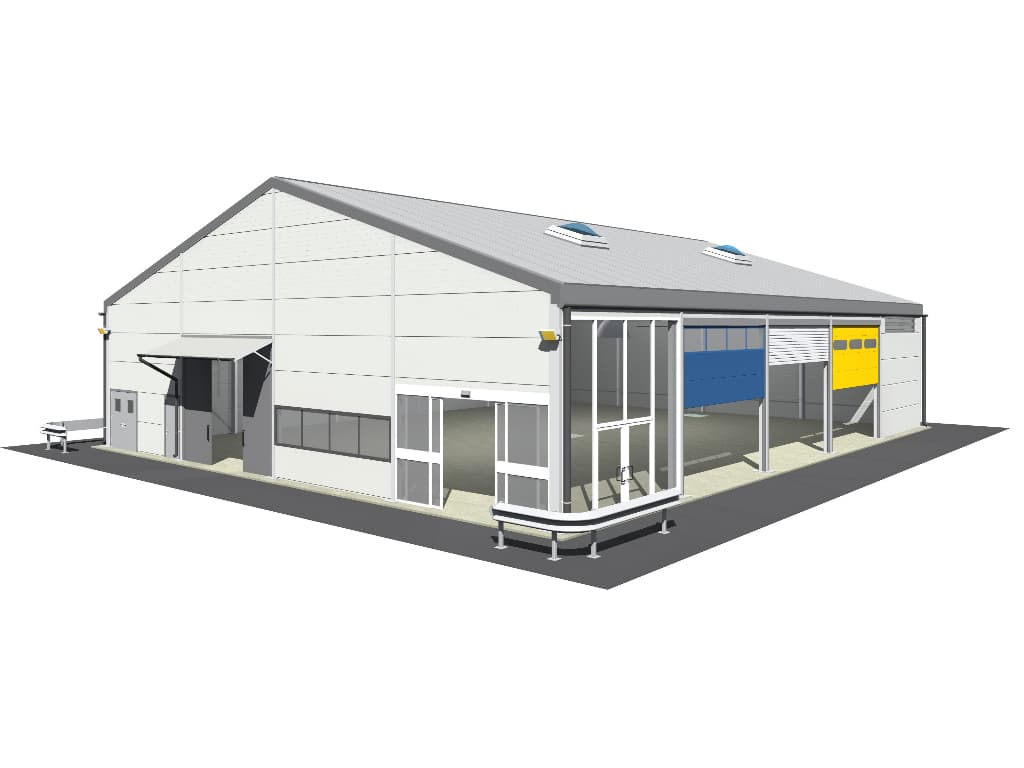
Temporary industrial tents and industrial buildings for a wide range of applications
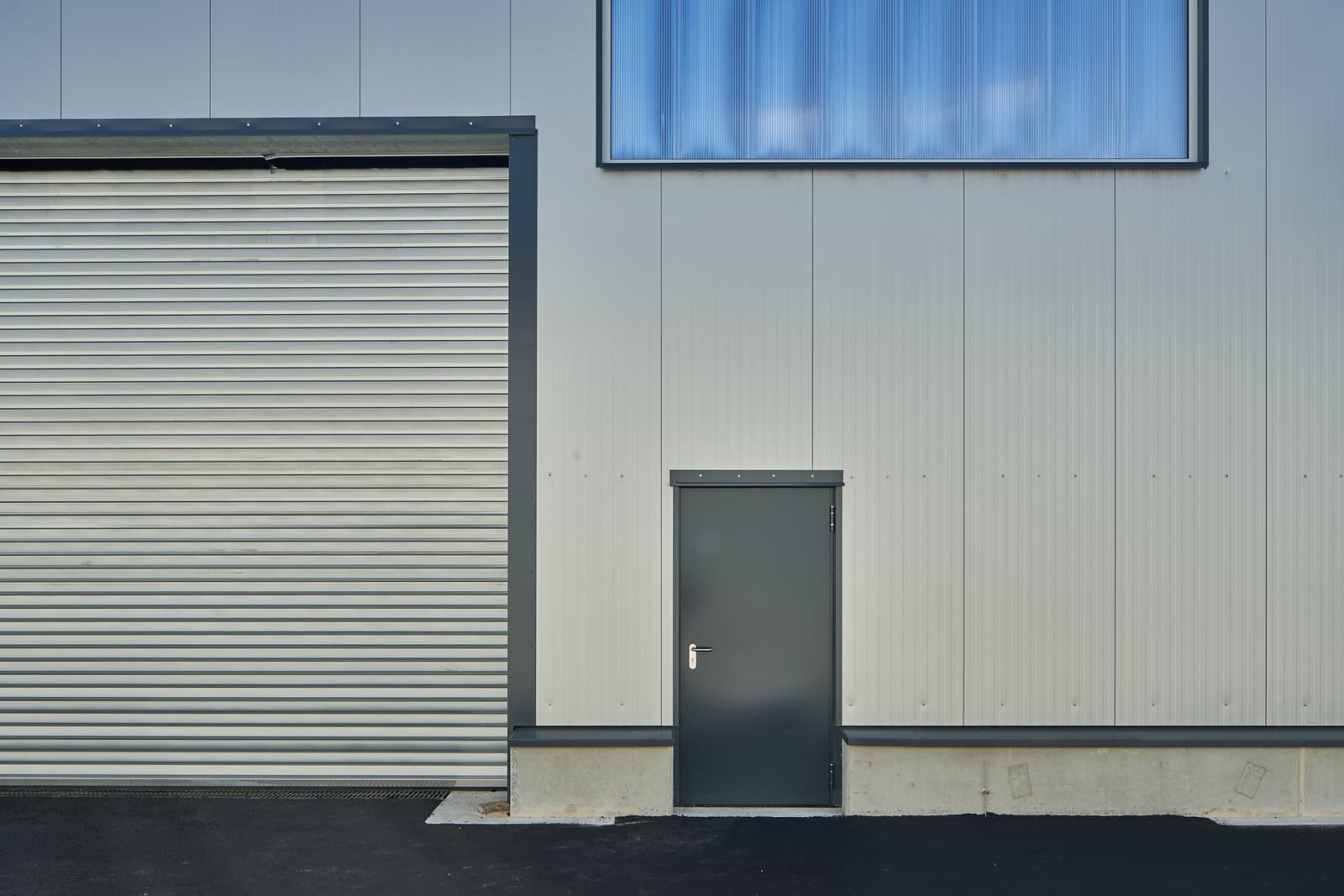
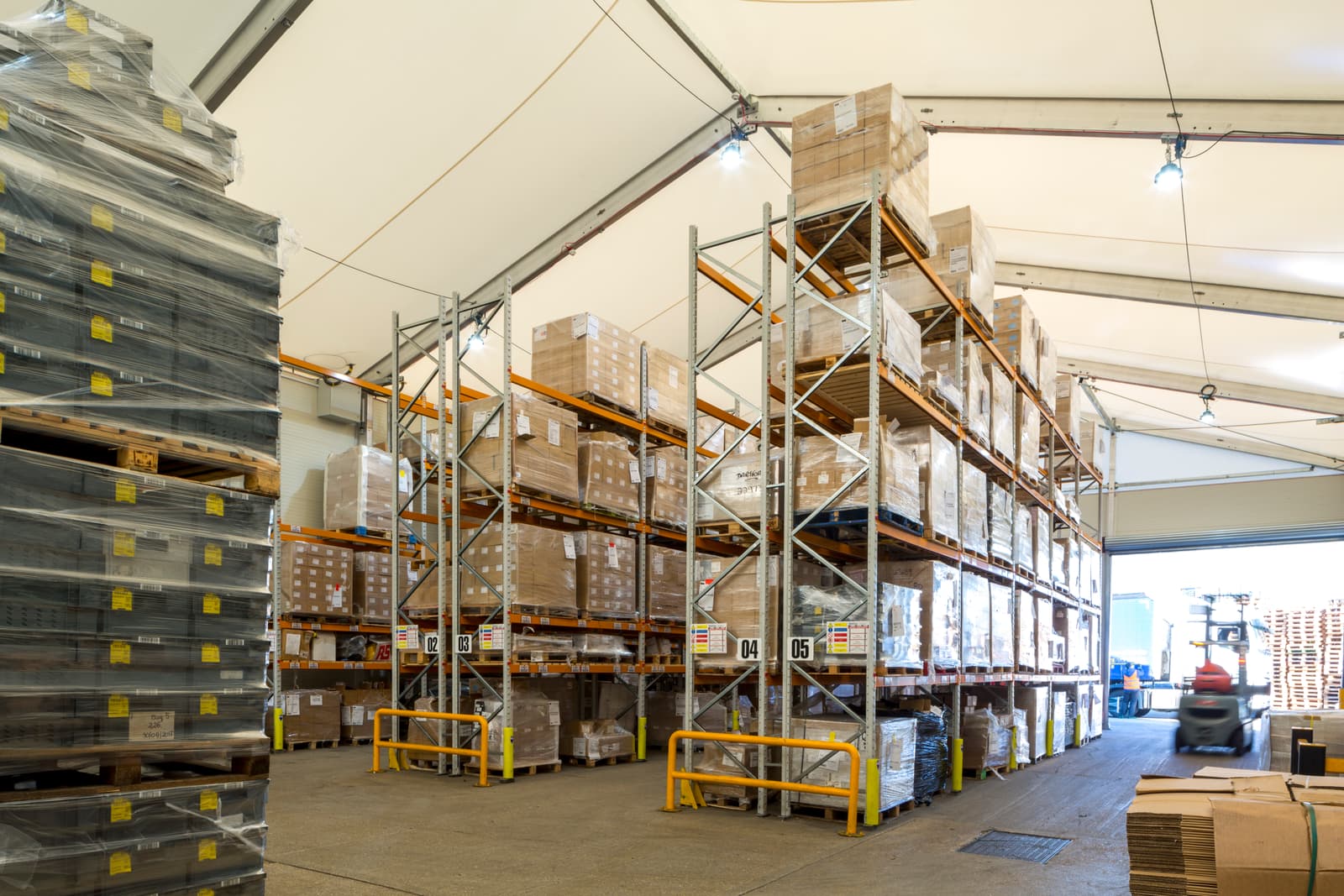
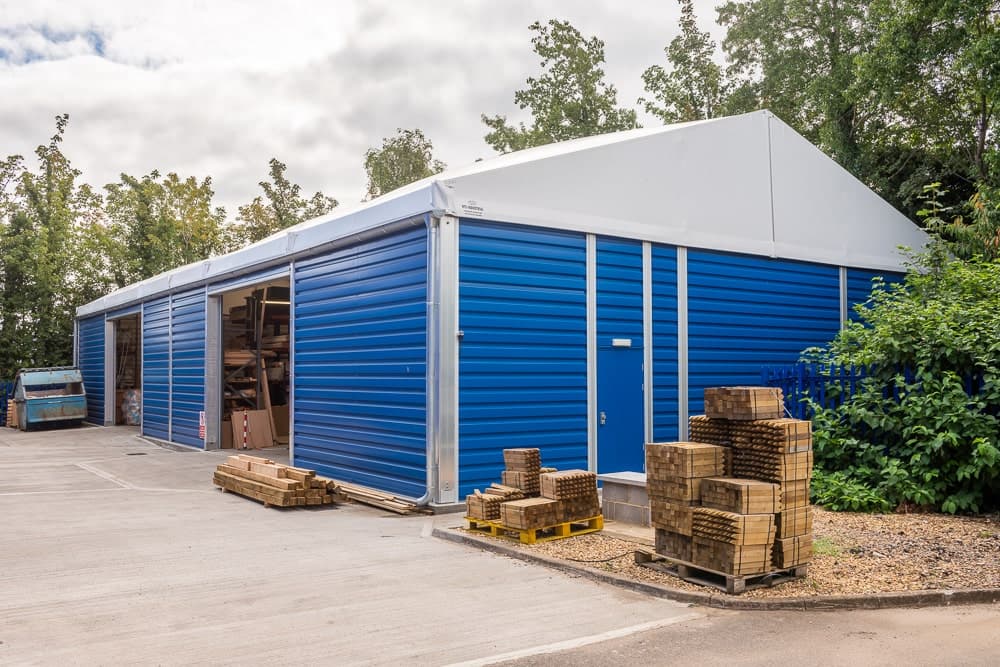
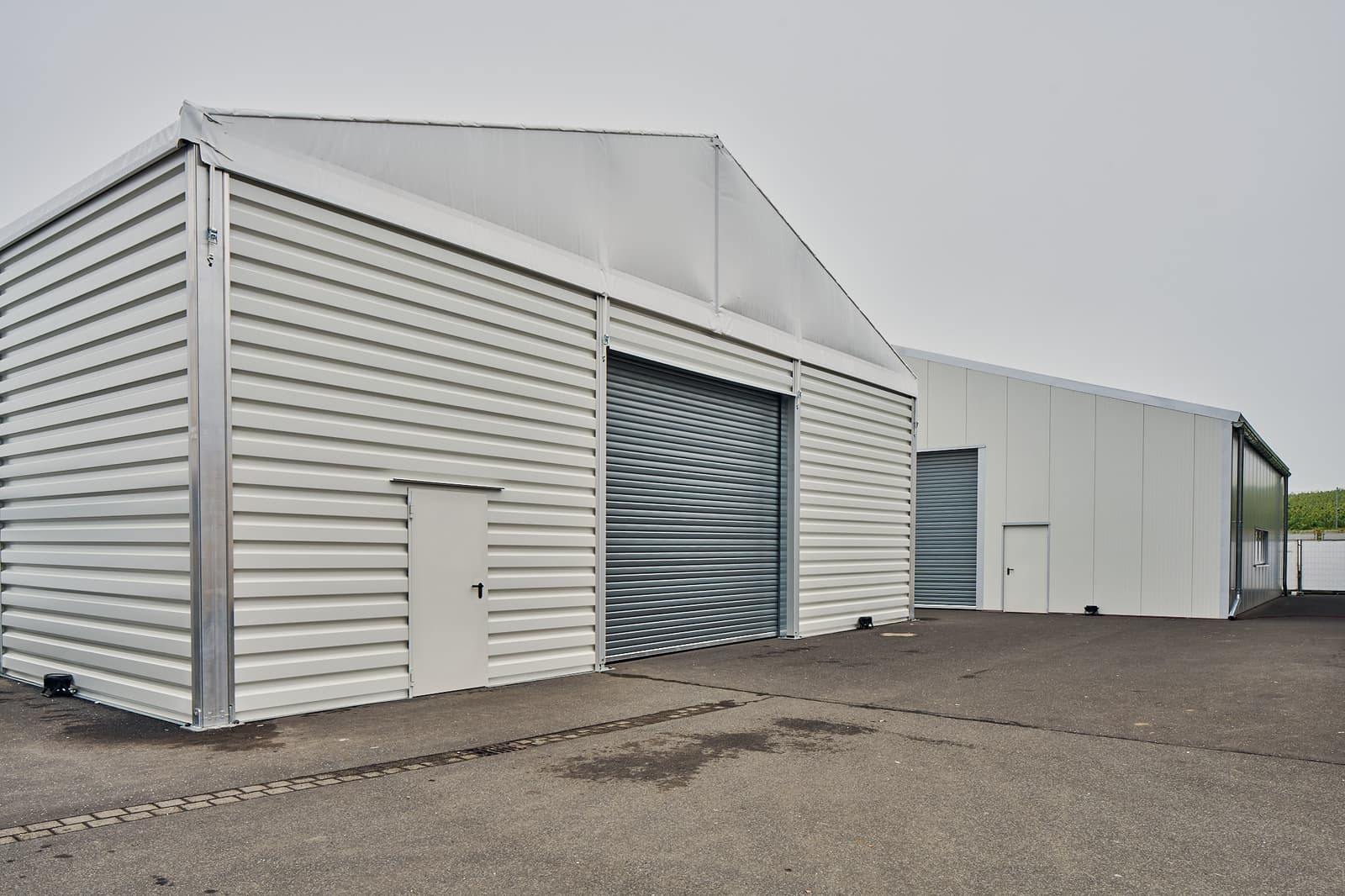
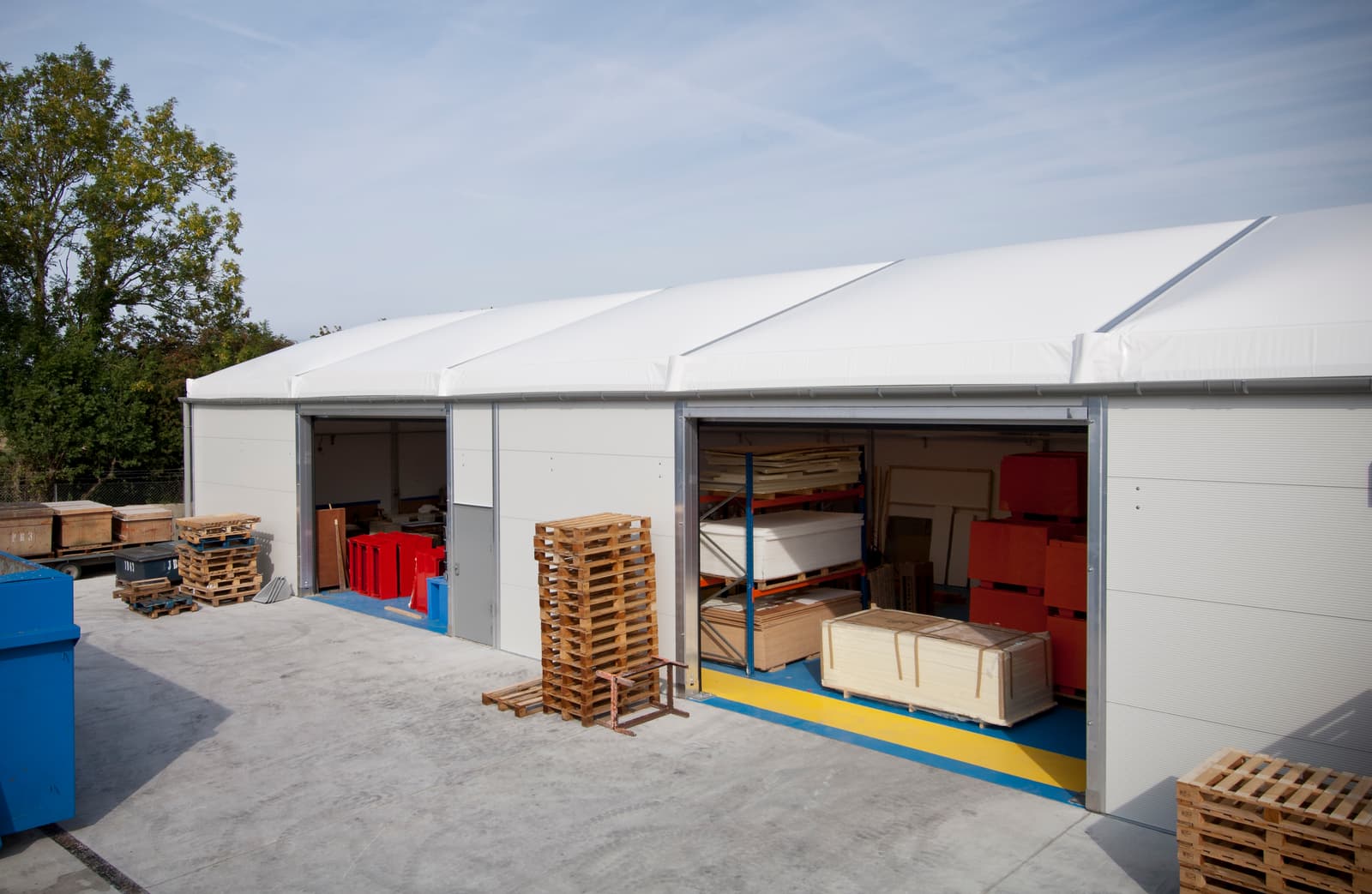
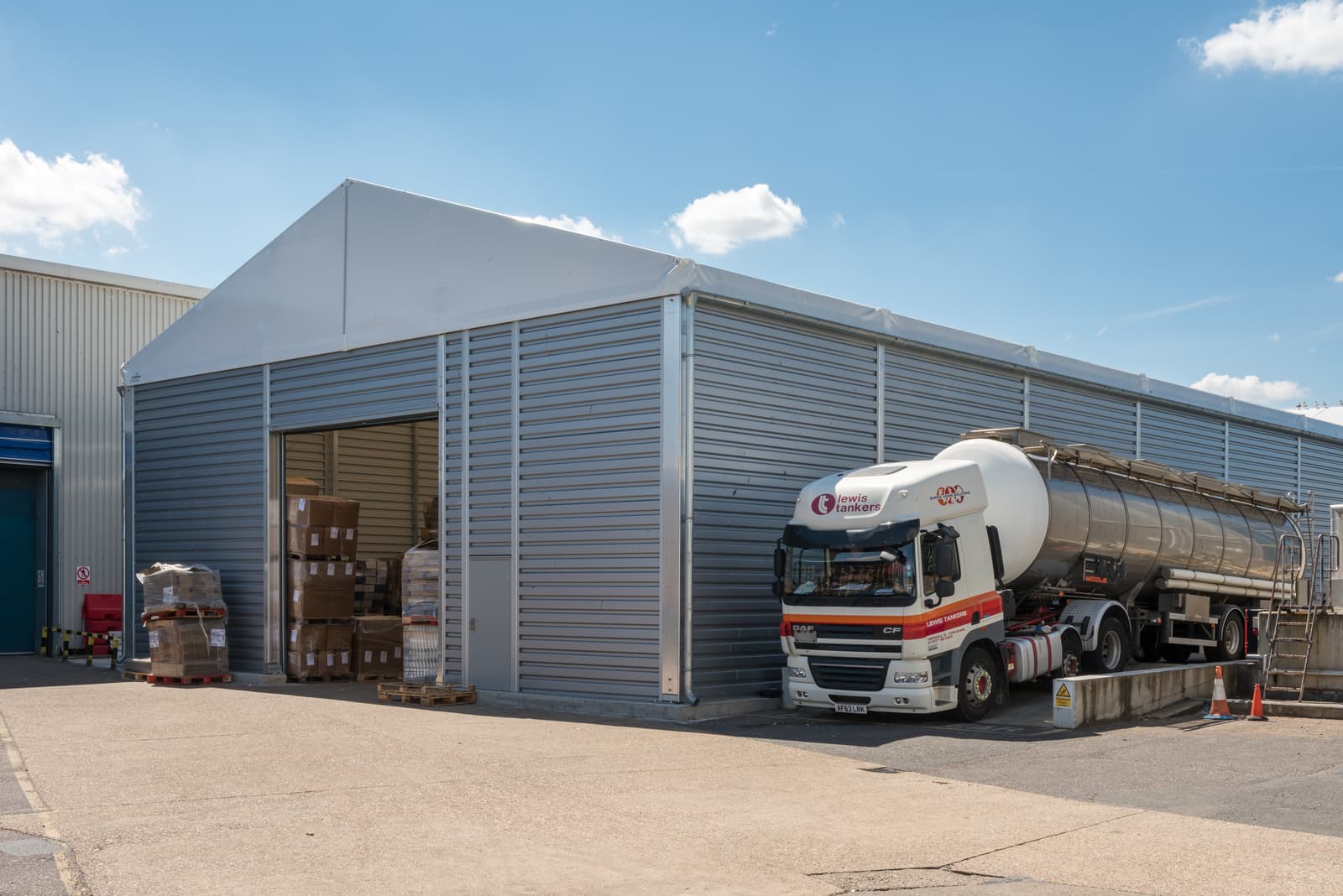
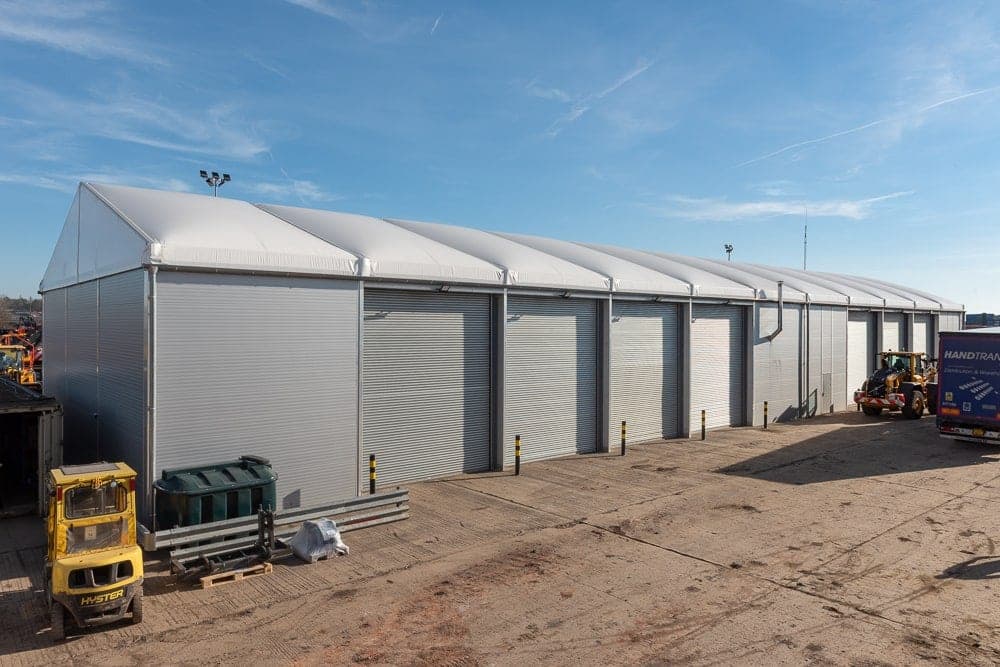
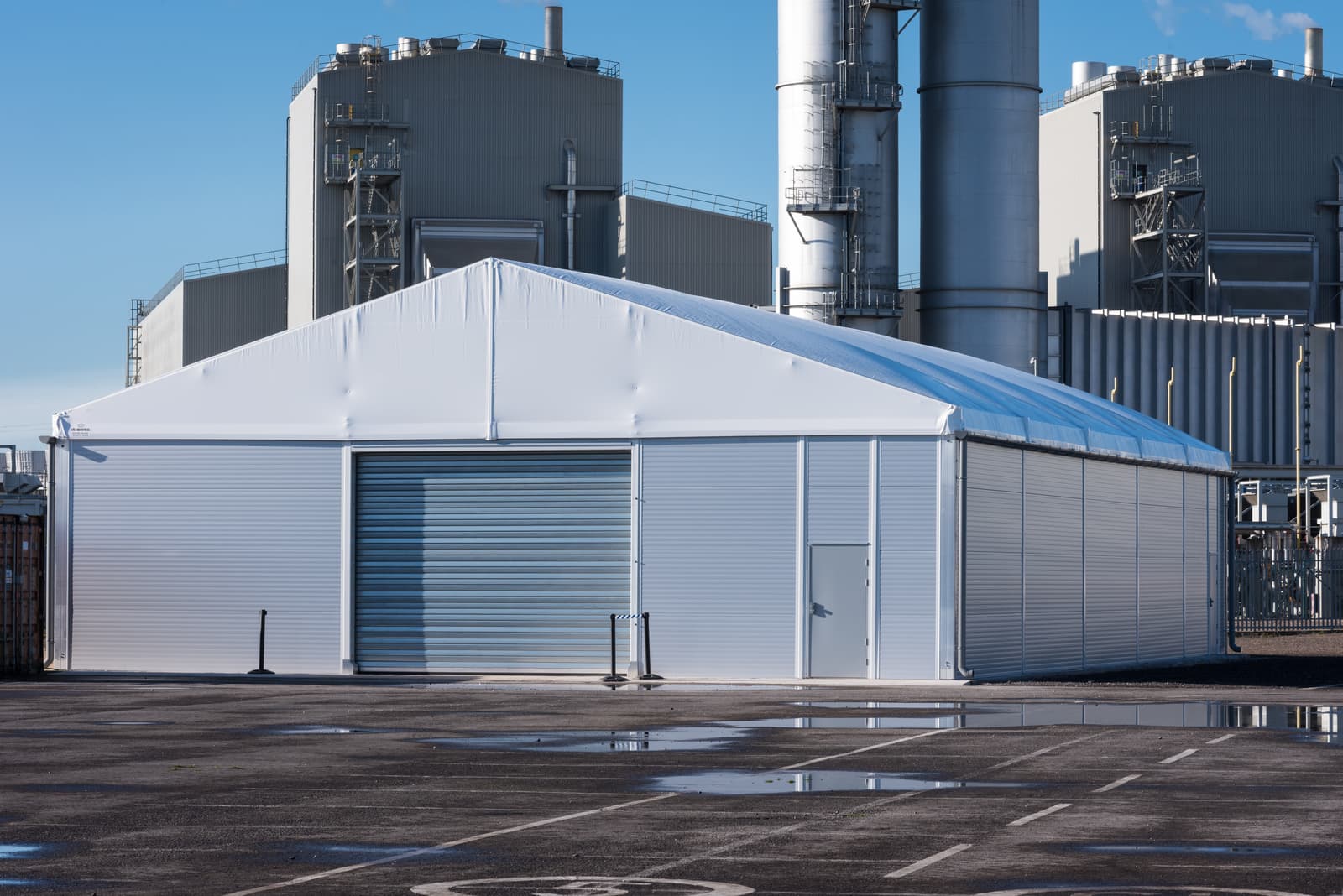
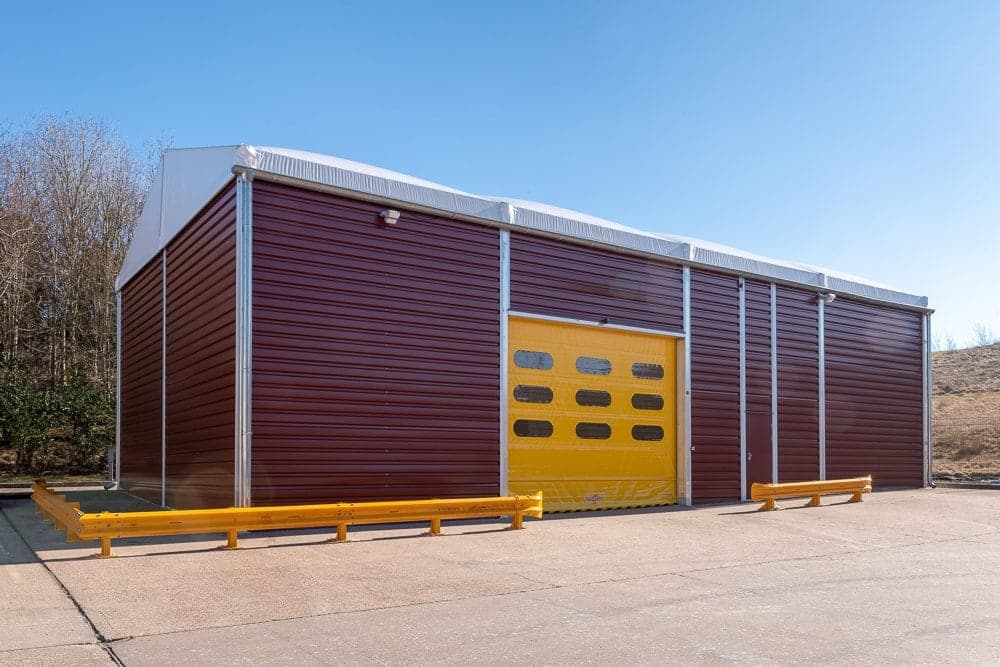
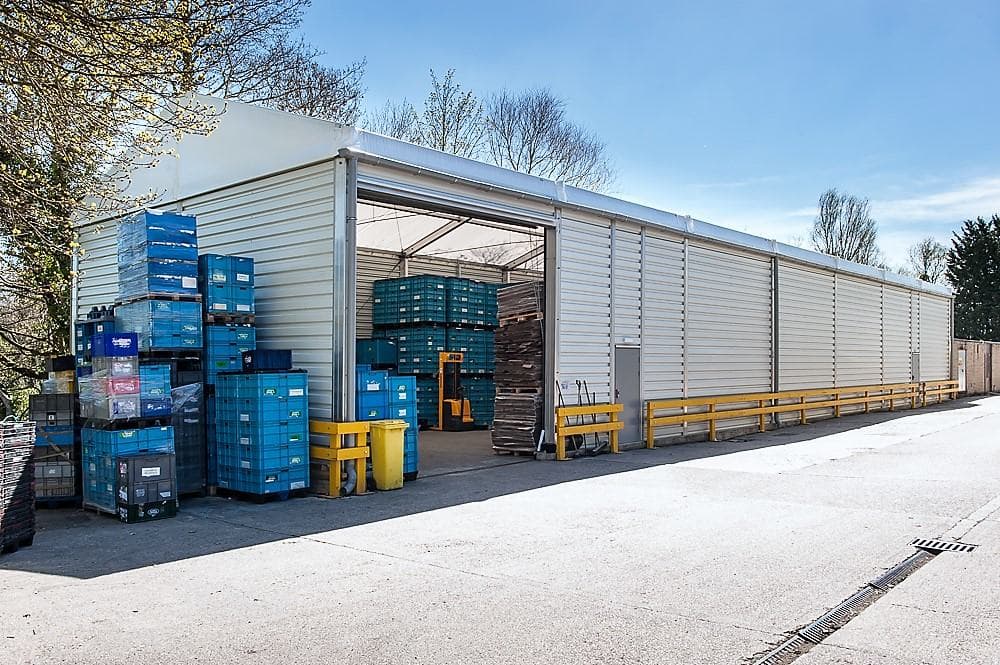
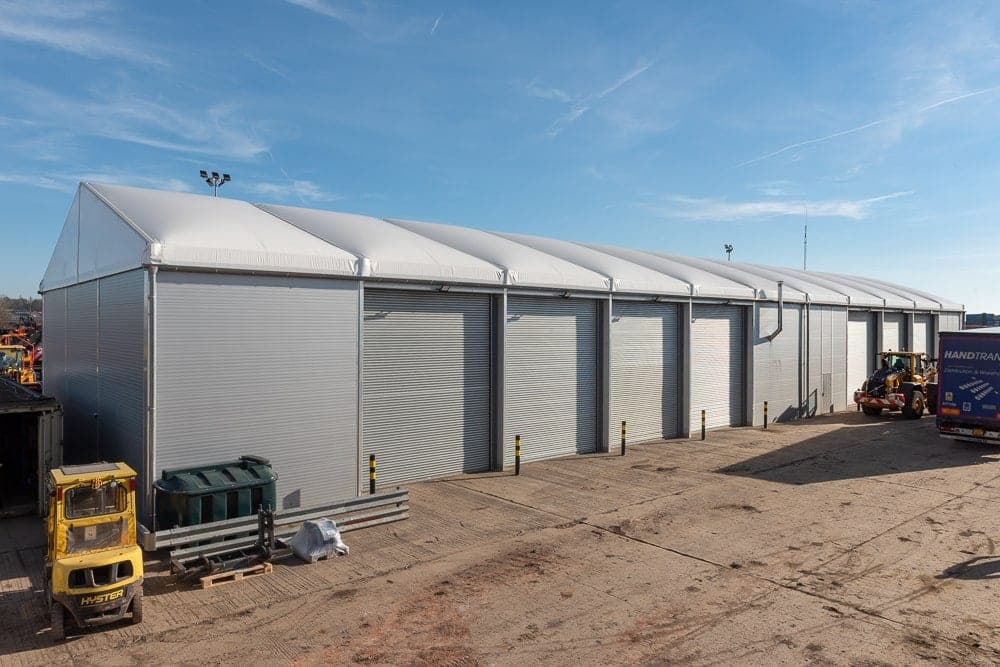
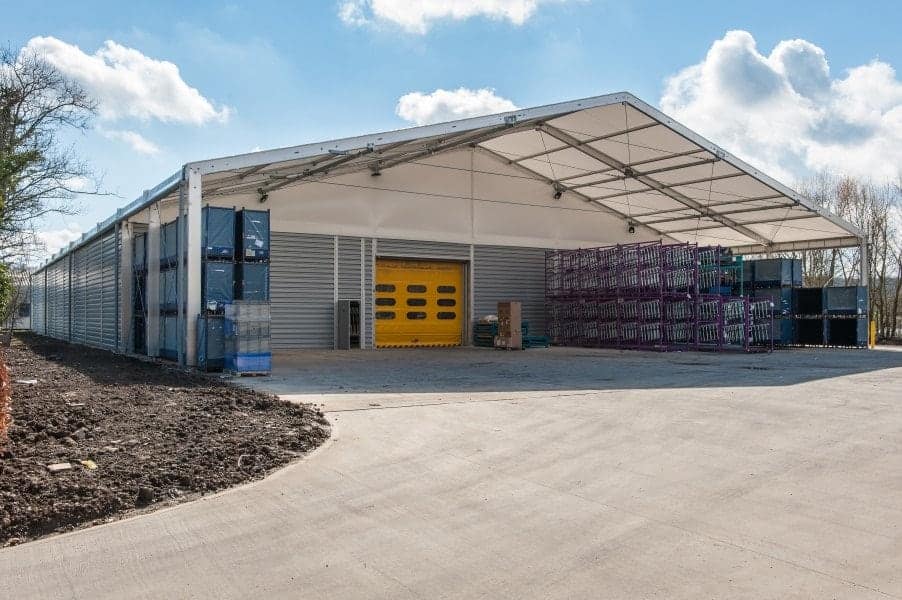
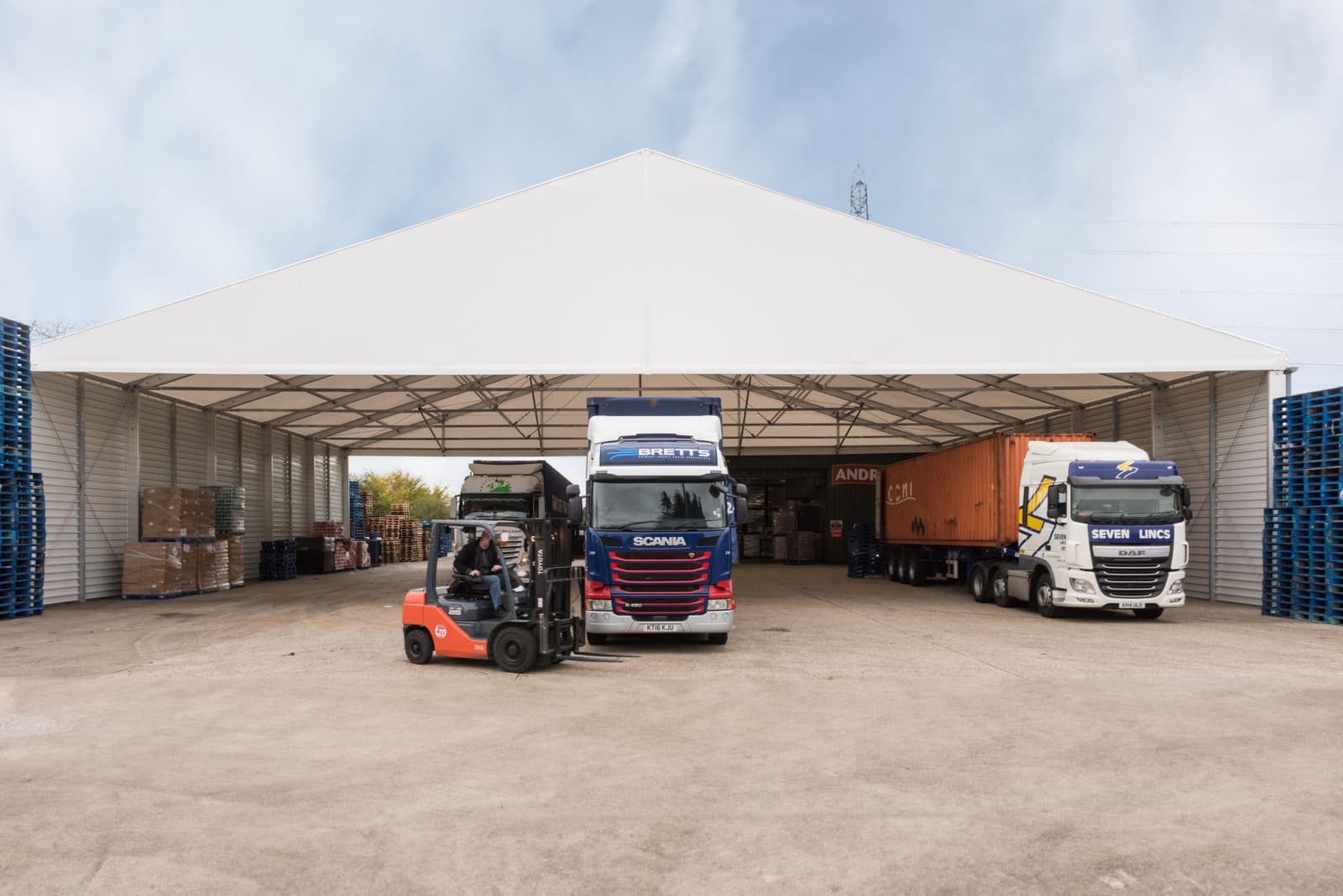
The construction of a temporary industrial building in lightweight construction can be the most efficient and economical solution in an emergency situation. If the use of your site is still possible after a risk has occurred, an industrial building can be erected directly on site. The search for alternative site solutions is eliminated and you can continue your entire logistics operations without disruption.
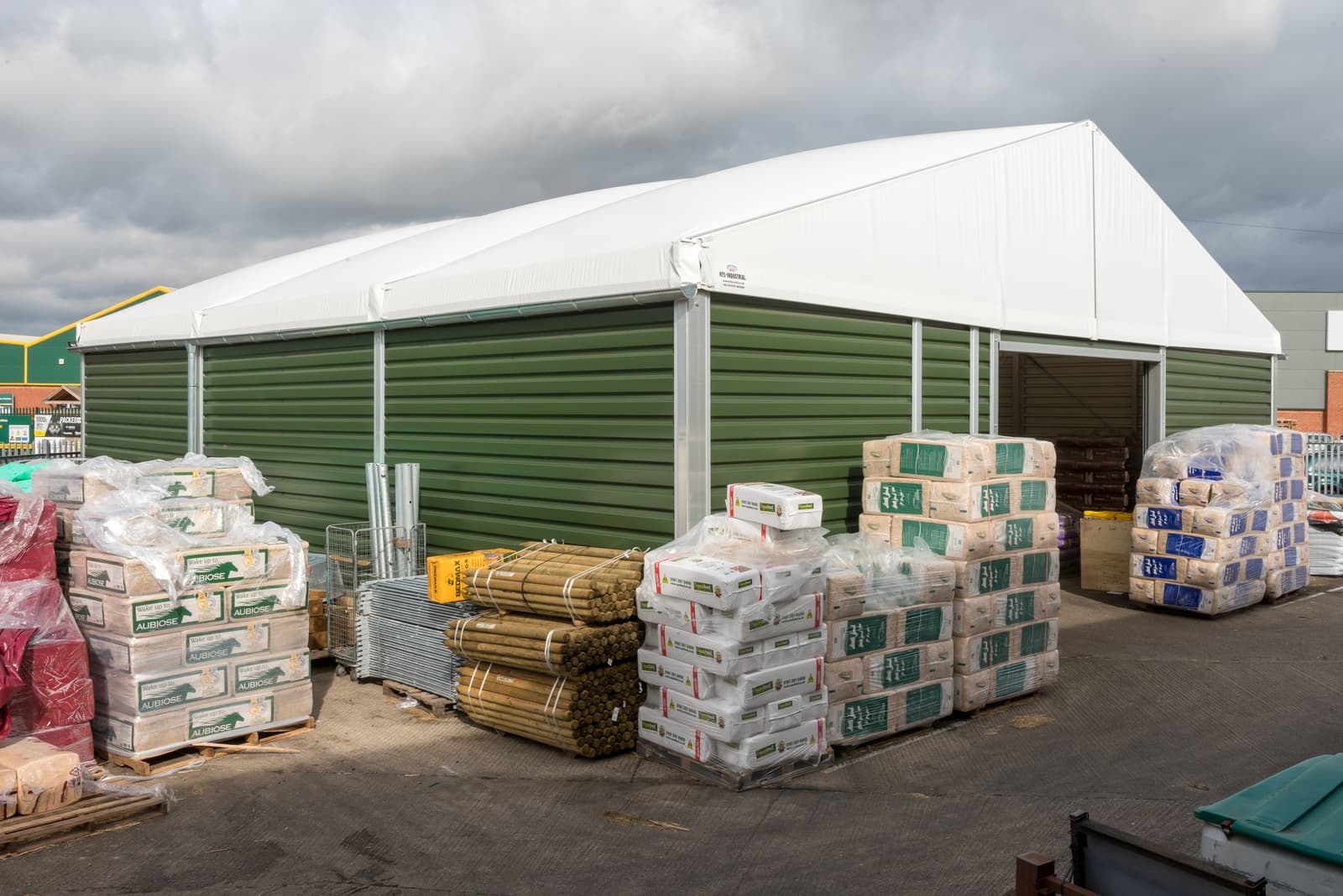
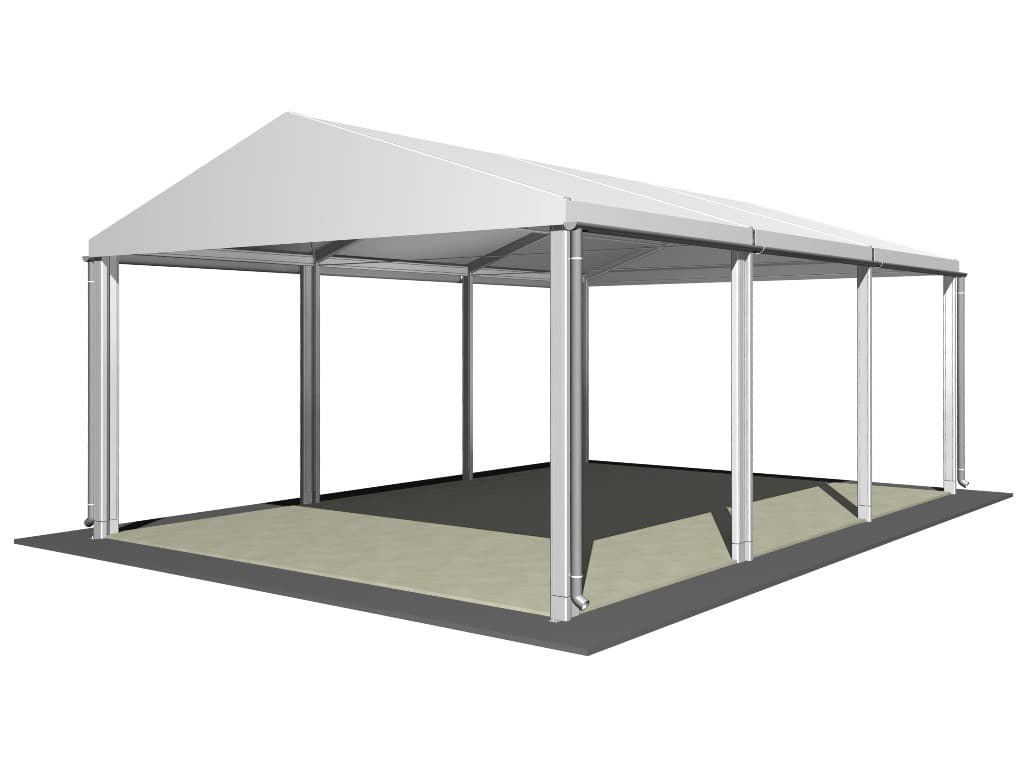
Depending on the usage concept, a temporary industrial building can be constructed as a canopy, an non-insulated or an insulated temporary building. Uninsulated buildings protect temperature-insensitive goods, products and activities from weather influences.
As standard, the industrial buildings from HTS TENTIQ are designed for a snow load of up to 100 kg/m. If required, however, the building structure can in most cases be adapted to the specific snow load requirements of the respective site. If solid façades are used instead of simple cladding, improved protection against theft is also provided.
Non-insulated buildings protect temperature-insensitive goods, products and activities from weather influences. In our insulated buildings, temperature-sensitive goods are also optimally protected. Frost and condensation can be effectively prevented in insulated buildings – provided that heating is in place. In an insulated building, heating operates significantly more efficiently than in an uninsulated one, ensuring better protection against cold and moisture. Not only are heat losses reduced, but noise exposure is also minimised through insulation. In addition to these variants, our customised industrial buildings can be adapted to very individual needs and requirements.
To give you an idea of what temporary industrial tents and industrial buildings in lightweight construction can be used for, we will show you some typical applications:
- Storage building
- Logistics building
- Workshop building
- Building for retail operations
- Waste and recycling building
- Vehicle building
- Equipment building
- Training room
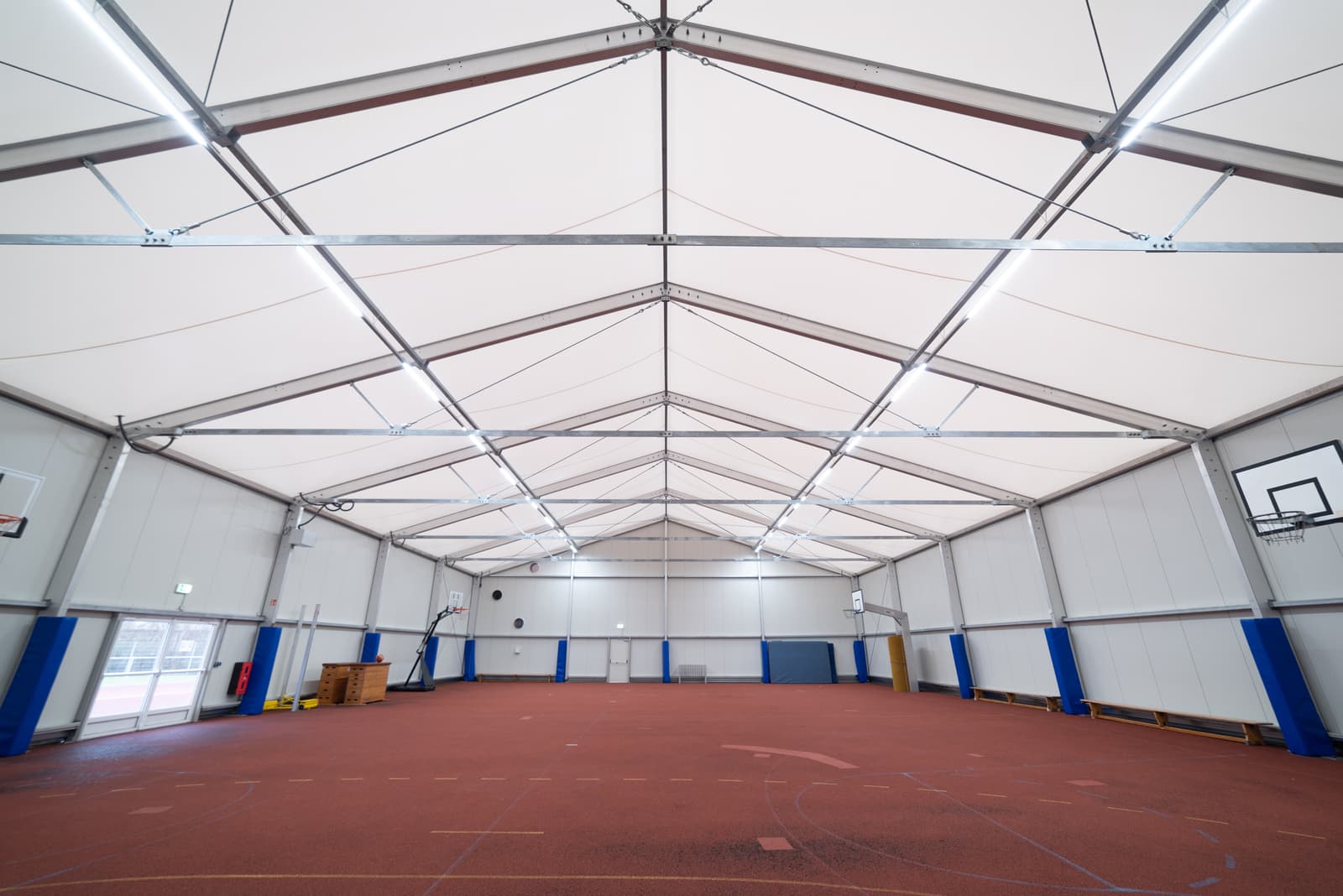
- Sports halls
- Production and assembly building
- Equipment storage building
- Harvest storage building
- Feed building
- Agricultural tent
Temporary industrial buildings in lightweight construction not only offer enormous versatility, they also provide many other advantages:
- Combine and connect: Temporary buildings can be attached to different types of buildings, for example also to buildings in solid construction. Connection with an existing temporary building is also easily possible.
- No foundation: Temporary buildings can in many cases be fixed directly onto the existing ground; a concrete foundation is not required.
- Short on-site assembly time: In times of crisis there is no time for long construction phases, and this is also not necessary for industrial or storage buildings. Thanks to the high degree of prefabrication, all components are manufactured efficiently in the factory, so that on-site assembly can be carried out in a short time – especially compared to solid construction buildings. Temporary buildings can therefore be assembled quickly and are ready for use.
- Flexible design: A building erected for emergency use is often intended for temporary use – but it can also be used long-term. The aim is therefore to enable versatile and flexible use of the building. Temporary buildings are designed precisely for this from the outset. Their modular construction system provides a very high level of flexibility, allowing you to respond quickly to changing spatial requirements and needs.
- Temperature control: For many applications, an uninsulated temporary building is sufficient. However, there are also a number of applications that require good protection against moisture and cold. These products, goods or machines are best protected in insulated temporary buildings.
- Dismantling and reassembly: With temporary buildings, dismantling and reassembly without loss of quality is possible. Therefore, you are not tied to a specific application or location with a temporary building.
Modern exhibition and sales buildings as temporary solutions
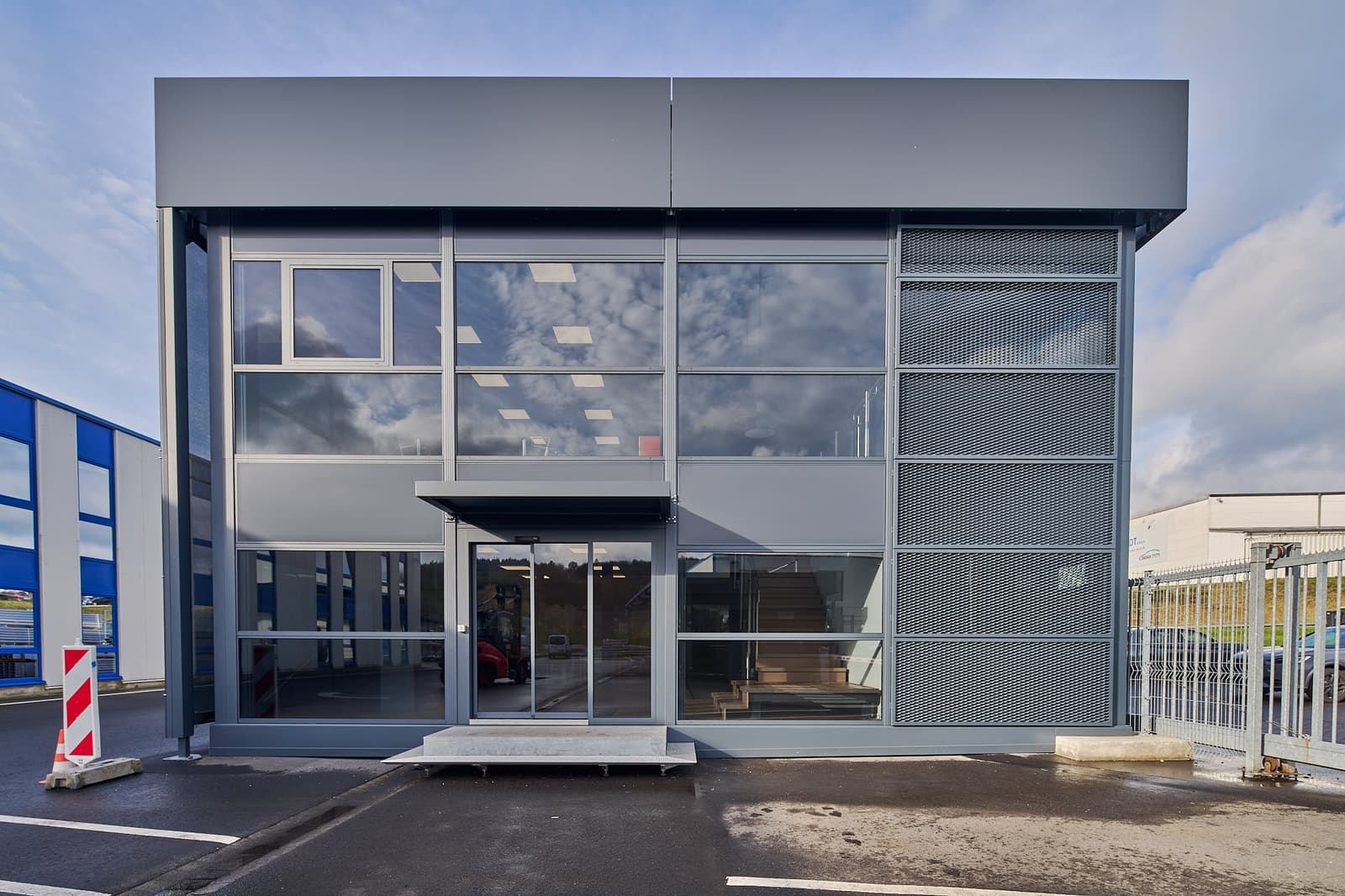
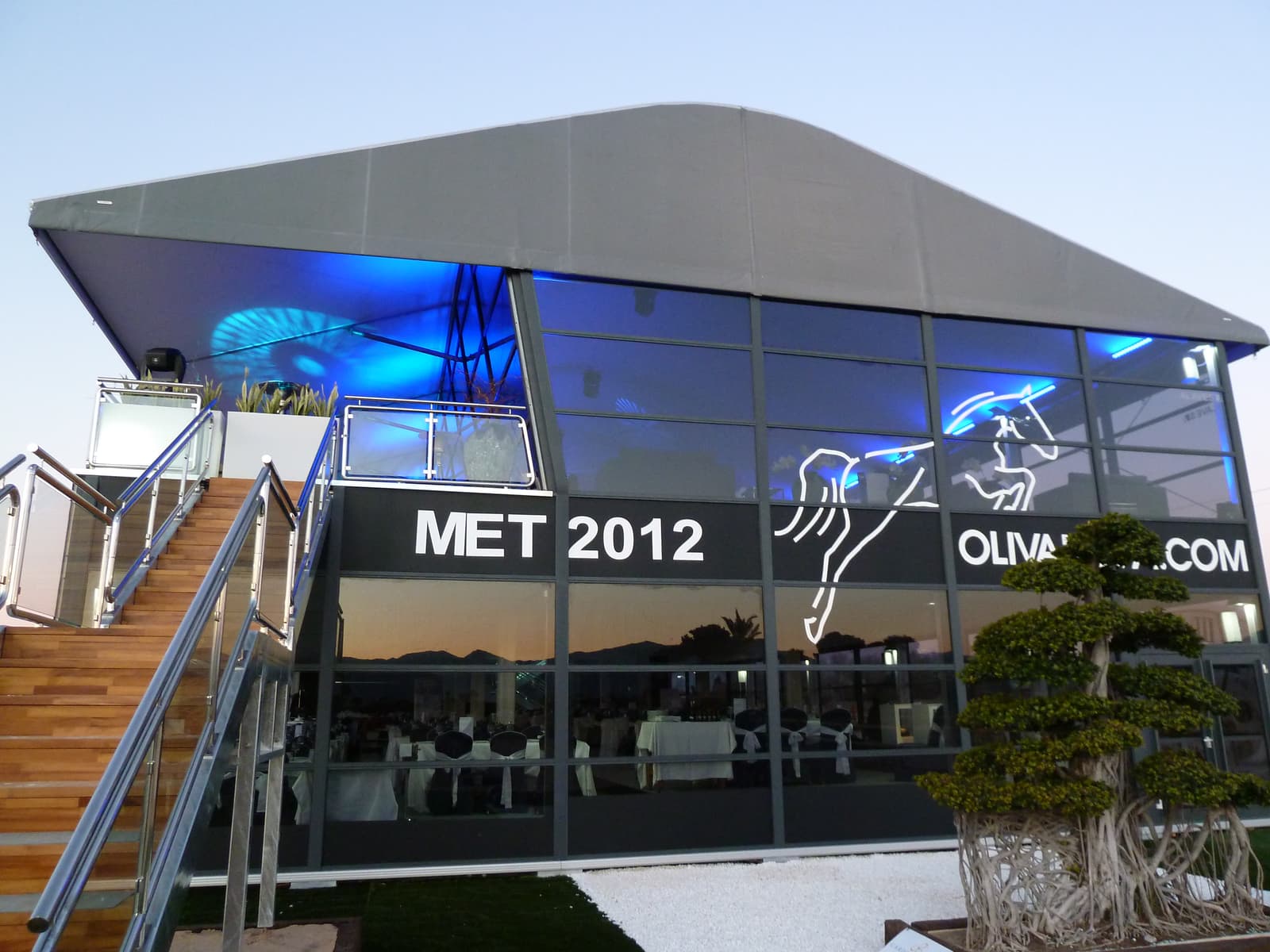
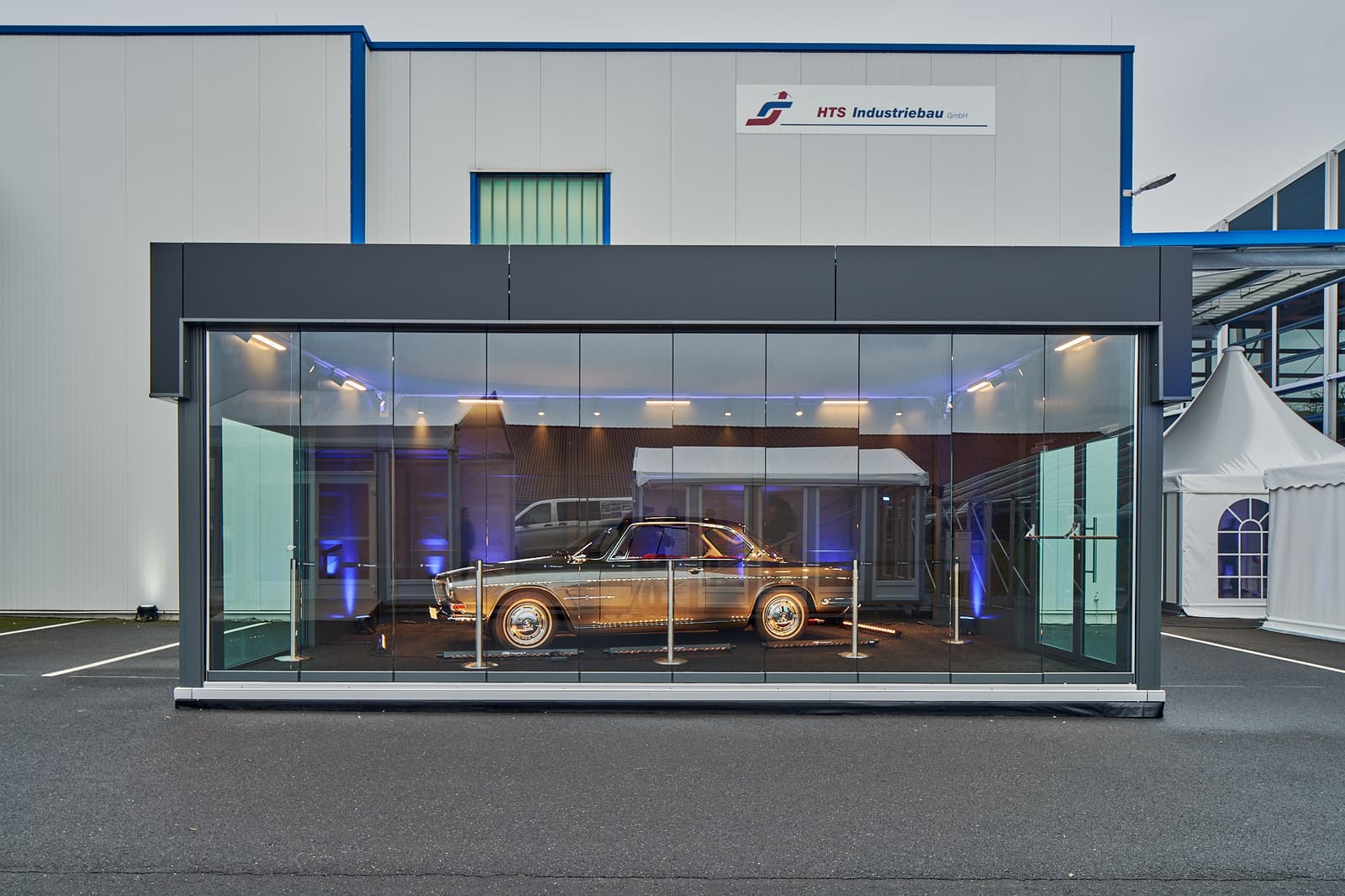
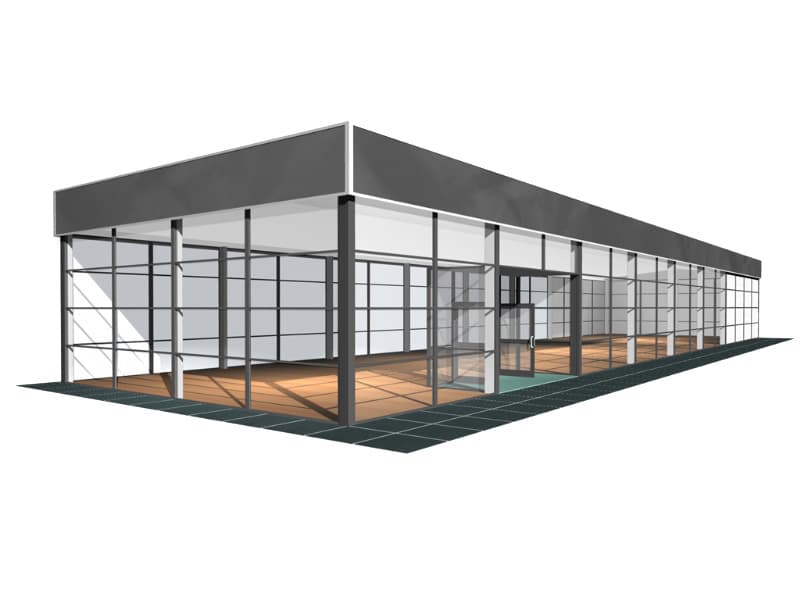
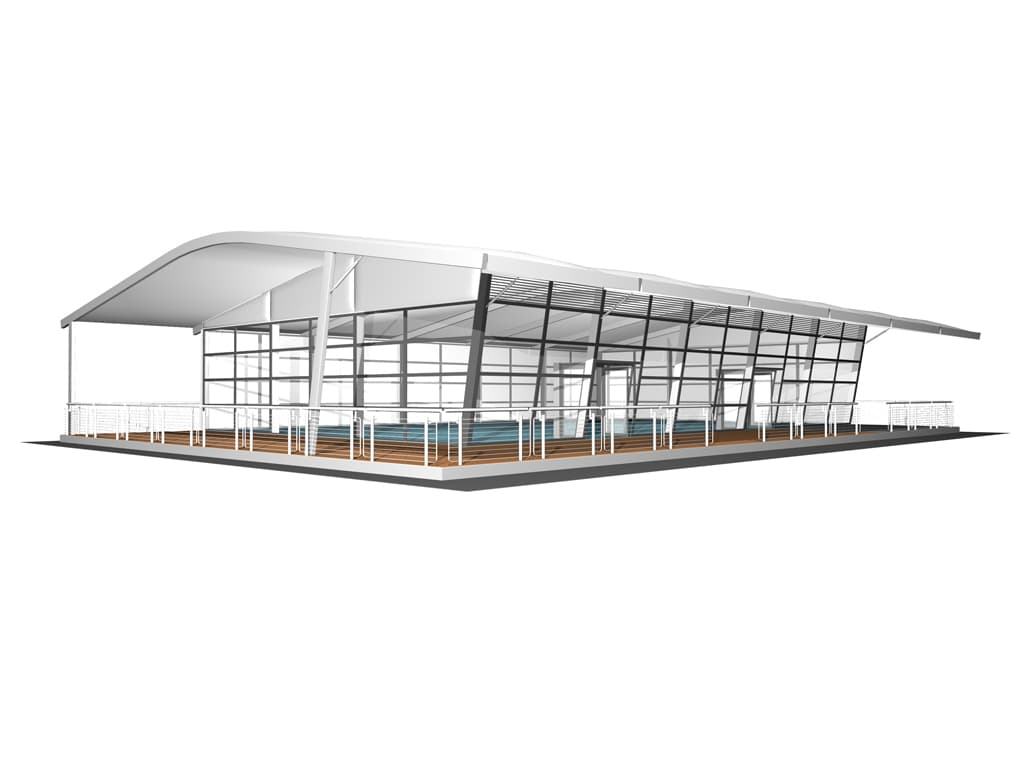
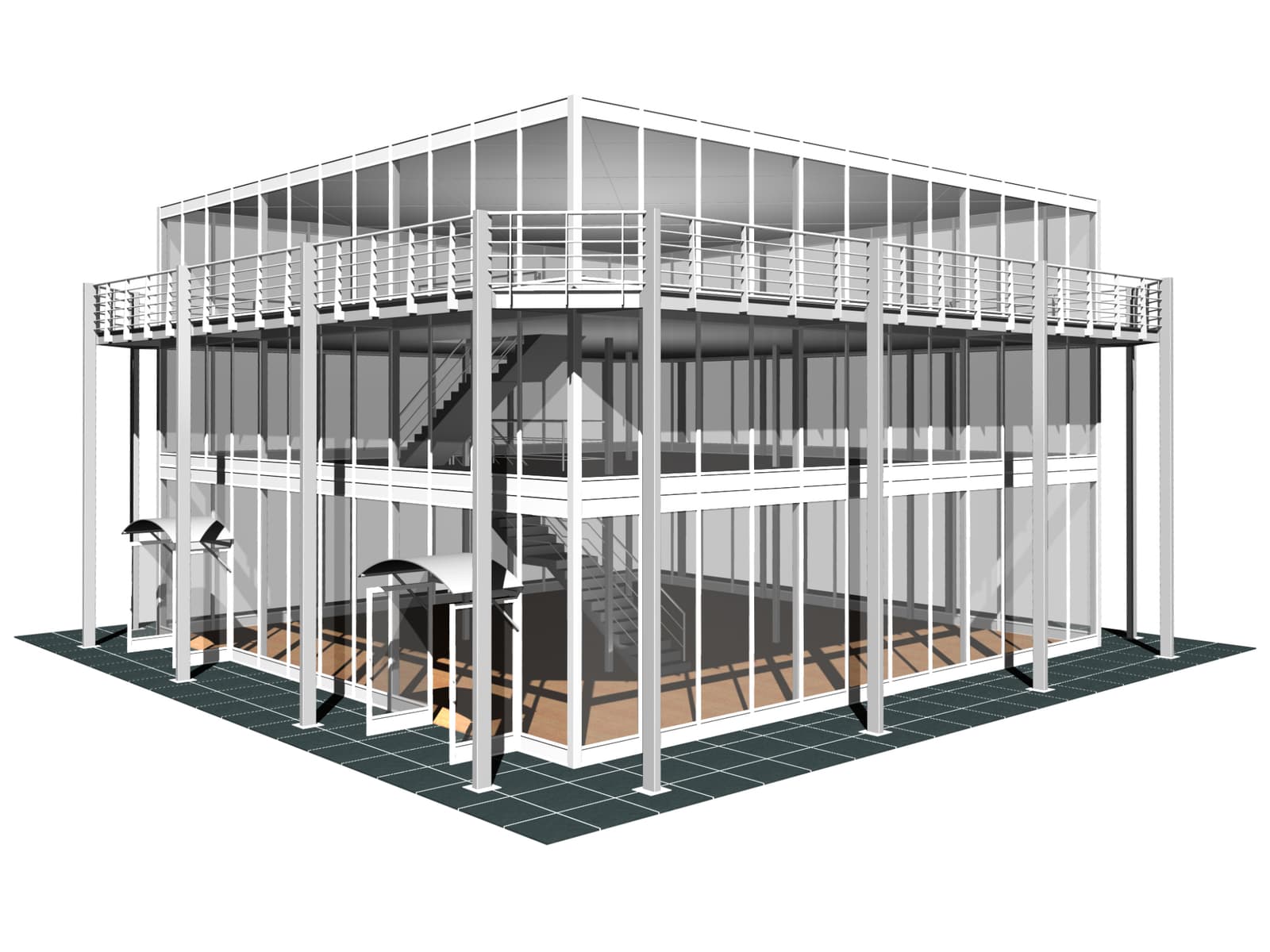
In many spatial solutions, aesthetics and design play a key role. This often applies to buildings used for exhibitions or sales purposes. However, there is not always as much time available for their implementation as planned, especially in an emergency. Thanks to lightweight construction, even highly complex and exclusive designs can be realised in a short time. Please note that more demanding designs such as Manhattan, ICON and AVANTGARDE require longer delivery and assembly times than temporary buildings due to their design. Nevertheless, they are still significantly faster to realise than conventional solid buildings and offer a high-quality aesthetic solution for demanding applications.
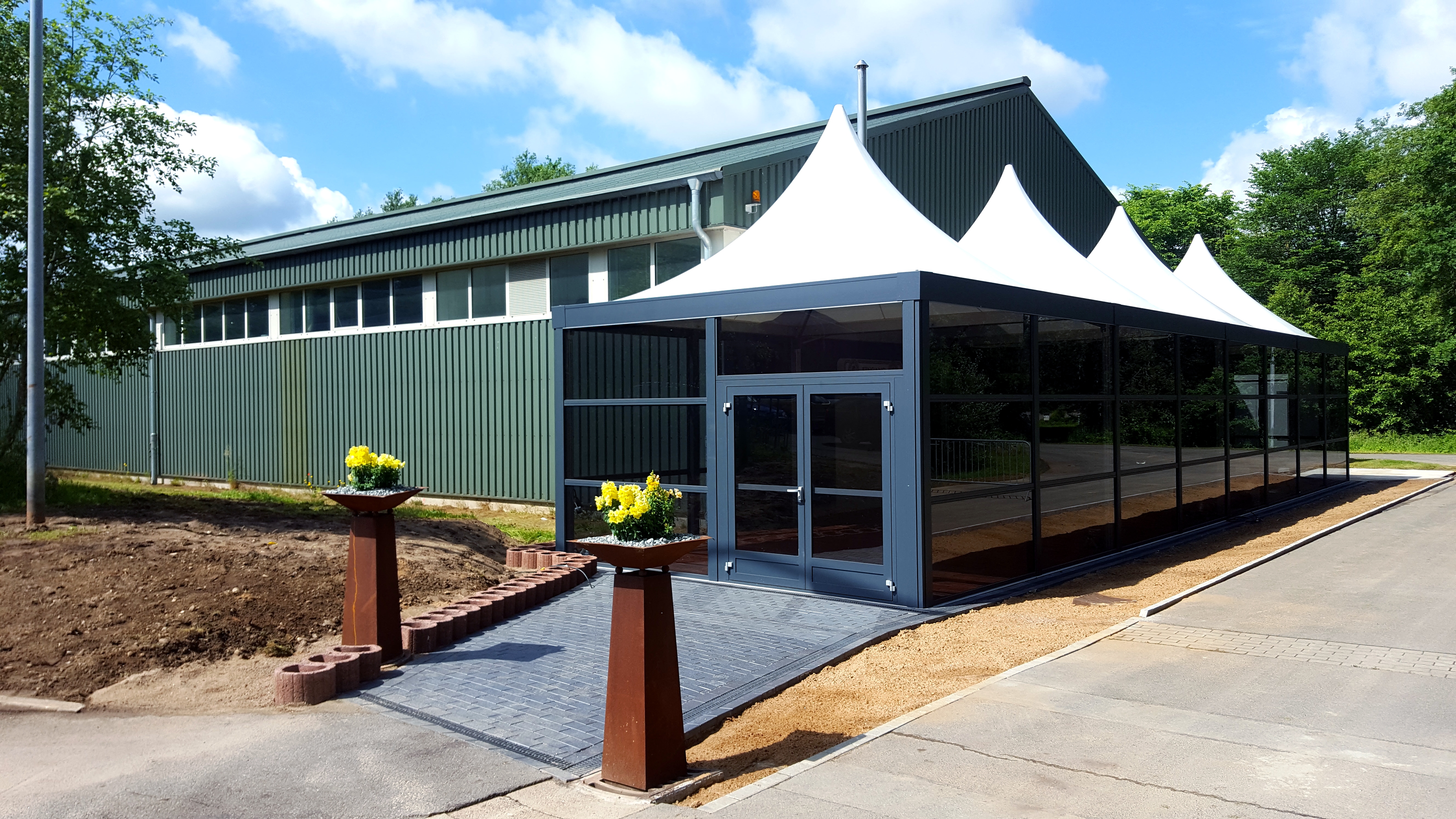
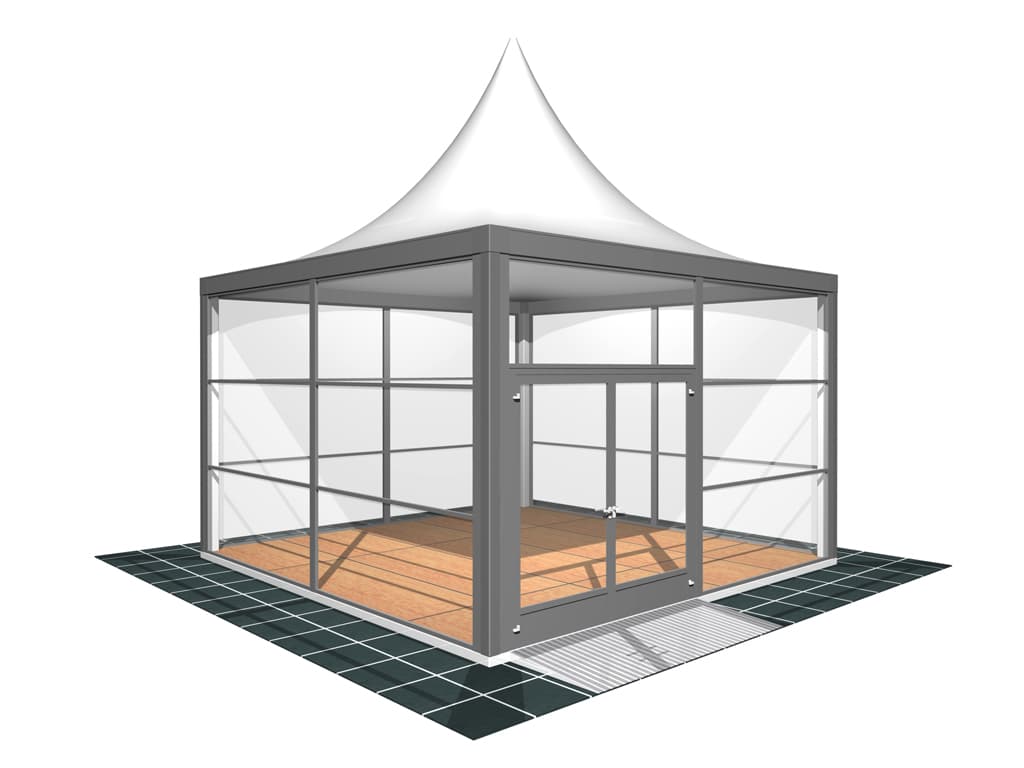
Whether a single-storey or multi-storey building, HTS TENTIQ integrates elements such as glass panels, flat roofs, arched roofs, parapets and large balconies into a modern and exclusive design. Thanks to the wide range of options, we have the ideal solution for every occasion to create a luxurious appearance. With Manhattan and Manhattan multi-level, we realise state-of-the-art event buildings. Our ICON and ICON multi-level stands out with its slanted walls, which create a very special highlight. With their pointed roofs and glass panels, our AVANTGARDE pagodas always leave a lasting impression.
Our exclusive exhibition and sales buildings offer a range of advantages:
- Design and functionality: The buildings combine an appealing appearance with high functionality. They allow products or building brands to be presented optimally. Office spaces or storage areas can also be integrated.
- High quality: The structures are made from high-quality materials that ensure a long service life and durability.
- Customised design: Based on customer requirements, individual structures are created with stylish aesthetics and innovative design.
- High energy efficiency: High-quality building materials enable energy-efficient construction in line with current standards.
- Modular prefabricated construction: The optimised building system based on a modular principle enables rapid availability and versatile applications.
Popular applications for our high-end exhibition and sales buildings include:
- Office building
- Car showroom
- Event lounge
- Sales office
In particular, companies in the communications industry, sports clubs, logistics companies, pharmaceutical companies and agricultural businesses around the world rely on our high-quality and aesthetic constructions.
Practical tips for creating your emergency planning
Effective emergency planning requires both careful preparation and continuous maintenance. Here are some practical tips that can help you create a comprehensive and effective emergency plan:
- Time: Take the necessary time to create and continuously update the emergency plans.
- Consultation: Consult external parties such as auditors, lawyers and tax advisors.
- Content: An emergency manual should contain clear instructions, responsibilities and measures as well as communication channels. It should also include all necessary contacts that must be informed in an emergency, as well as any required authorisations.
- Structure and organisation: Create a clear structure to make the information easily accessible.
- Training and practical exercises: Train your employees regularly in the use of the emergency manual and carry out practical exercises to prepare for emergencies.
Planning for crisis resilience: How to avoid common mistakes in emergency planning
An emergency plan can, in an emergency, be the key to keeping a building operational. It is therefore important to proceed with particular care when creating it. We show which mistakes commonly occur and how you can avoid them:
The emergency plan is not accepted
If a risk actually occurs, a well-developed emergency plan is of no use unless all involved persons act accordingly. To prevent this, it is advisable to involve employees before the emergency plan is created. It is also important to communicate the emergency plan and its importance clearly and unambiguously. Take employees’ concerns and suggestions into account. In order to prepare all relevant persons for their role in an emergency, it is also advisable to carry out training sessions.
The business cannot deviate from Plan A in an emergency.
In an emergency, it is important to rely fully on the developed strategies of the emergency plan. In practice, however, it still happens repeatedly that managers, despite the emergency that has occurred, continue to rely on the established business strategy and are biased against the solutions set out in the emergency plan.
Clinging mentally to a strategy that is no longer viable in practice can expose a business to further risks. To avoid this, it is advisable to carry out emergency drills in addition to training sessions, allowing employees to be placed in an emergency situation and become familiar with the procedures.
Emergency plans are not kept up to date.
From the moment an emergency plan is created, it must be reviewed again and again at clearly defined intervals. Otherwise, there is a risk that changes within the building will not be reflected in the emergency plan. These are often changes in responsibilities or technological developments. Therefore, define a clear timetable, including responsibilities, for reviewing and updating the emergency plans.
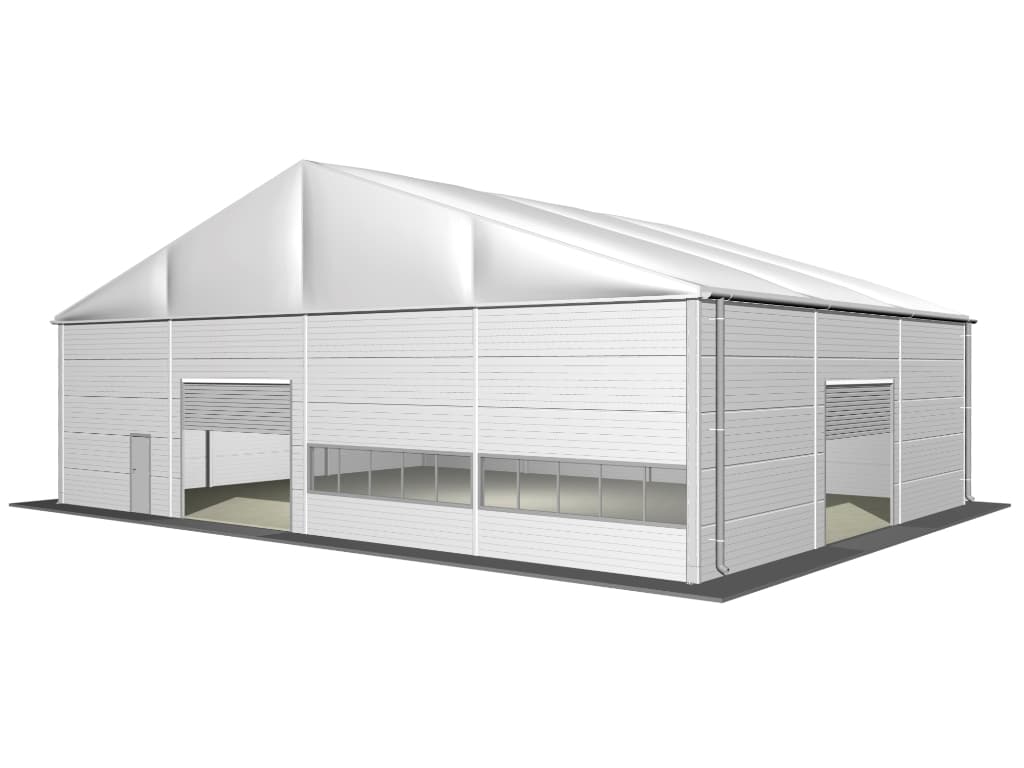
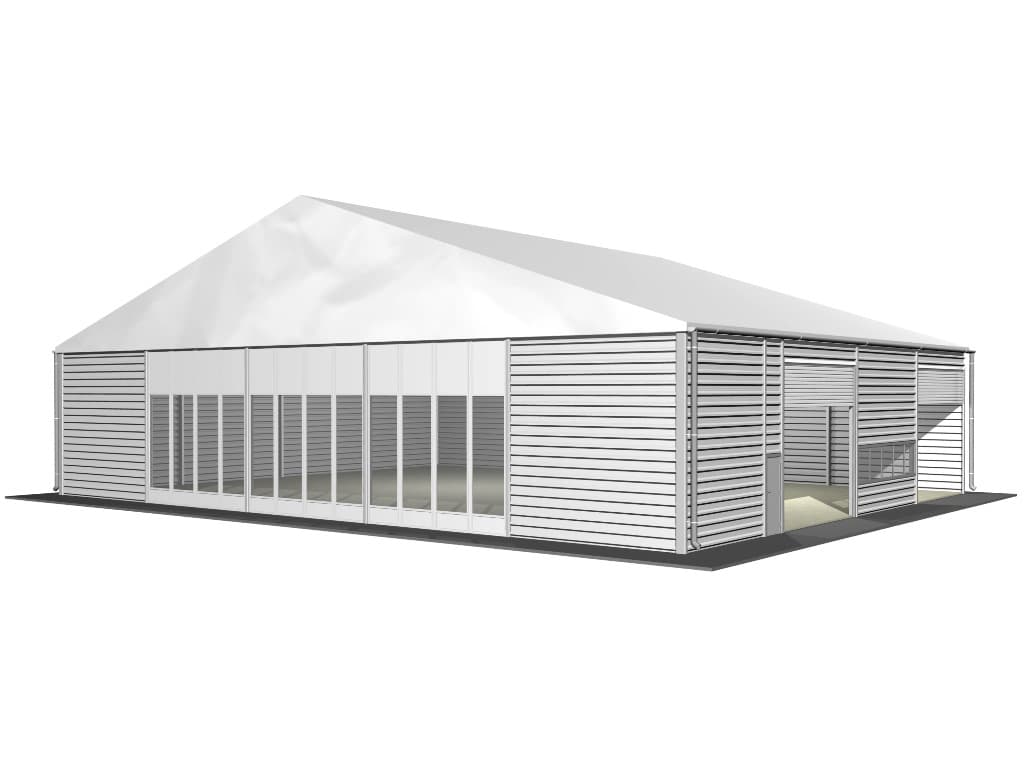
You can even design your own customised temporary building online. This is easily done using our free 3D building configurator. Depending on your individual space requirements, you enter the desired dimensions. You can also choose the side cladding and roof shape, and equip your temporary building with windows, doors and gates. If your requirements differ from our modular dimensions or designs, simply let us know in the comments. We will be happy to provide you with a tailored quotation.
Conclusion: Be fully prepared with temporary buildings from HTS TENTIQ and well-thought-out emergency planning
As a business owner, one must be able to respond quickly to unforeseen events and crisis situations in order to remain competitive. Through careful emergency planning that identifies risks and defines clear measures, businesses can ensure they are well prepared to minimise damage in crisis situations and maintain business continuity.
One important area in many emergencies is the spatial aspect. In today’s fast-moving world, additional space often has to be created immediately. High-quality temporary buildings from HTS TENTIQ offer flexible and quickly deployable solutions for temporary storage, production or event spaces that can serve as alternative locations in an emergency. They are also dismantlable and re-erectable. Once the crisis has been successfully resolved, our temporary buildings can be used at another location or for other applications. Extensions or reductions in size are also easily possible. With lightweight construction buildings, you ensure flexibility and are equipped for any spatial requirement.