
Sustainability in building construction: these aspects are important
Sustainability in building construction is more than the use of environmentally friendly materials. It is about a holistic concept that combines ecological, economic, and social factors.
From resource-efficient planning through to energy-efficient use and even dismantlability at the end of the life cycle. At first glance, this sounds complex. We therefore show you what sustainable building construction really means and which concrete options already exist today.
What is sustainable building construction?
Sustainable building construction combines ecological responsibility, economic efficiency, and social compatibility. The aim is to plan, construct, and operate building constructions in such a way that the impact on the environment and society is kept as low as possible over their entire life cycle.
Sustainable building construction therefore encompasses many aspects:
- Resource-efficient use of materials
- Energy-efficient planning and use
- Minimisation of emissions and waste
- Durability of constructions as well as recyclability of the materials used
- Flexibility of buildings
In sustainable building construction, it is therefore not only about the construction method itself, but also about the origin and recyclability of the materials used as well as the energy and operating costs over the entire period of use.
HTS TENTIQ has not only considered sustainability since the term came into use, but has always lived sustainable building construction as a fixed part of its corporate philosophy. As a manufacturer of modular temporary building constructions, HTS TENTIQ focuses on durable, reusable materials and optimised production processes in order to consistently minimise environmental impact. More than 80% of the materials of an average temporary building can be recycled. This is a value that is not only environmentally convincing, but also economically sensible. Through the use of sustainable processes and continuous development in the field of environmental protection, HTS TENTIQ is committed to permanently reducing its potential impact on the environment.
Sustainability in industry: challenges & opportunities
Due to the climate crisis and the societal shift in values, sustainability has also become a central component in industry. At the same time, legal requirements are now also setting clear frameworks for sustainable building construction. In this context, industrial companies in particular bear a great responsibility in achieving climate targets.
As a result, industry today faces the task of implementing construction projects that are not only functional, but also environmentally friendly, resource-efficient, and future-proof. Increasingly, however, there are also public funding opportunities available to support sustainable construction projects.
Sustainability in industry therefore offers companies several opportunities:
- Cost efficiency: energy savings, durable materials, and modular construction methods reduce operating costs in the long term.
- Flexibility: sustainable temporary buildings such as those from HTS TENTIQ can be quickly adapted to new requirements – without extensive modifications.
- Recycling & reuse: over 80% of the materials used by HTS TENTIQ are recyclable. This reduces waste and conserves resources.
- Eligibility for funding: sustainable construction projects are often eligible for funding – a financial advantage for companies.
Clearly, however, there are also some challenges that need to be overcome:
- Investment costs: switching to sustainable materials and technologies is often expensive, but pays for itself in the long term.
- Planning effort: sustainable building construction requires holistic planning that takes ecological, economic, and social aspects into account.
- Certifications & documentation: environmental certifications and labels are often very complex, but important for transparency and credibility.
Sustainable construction methods for temporary buildings
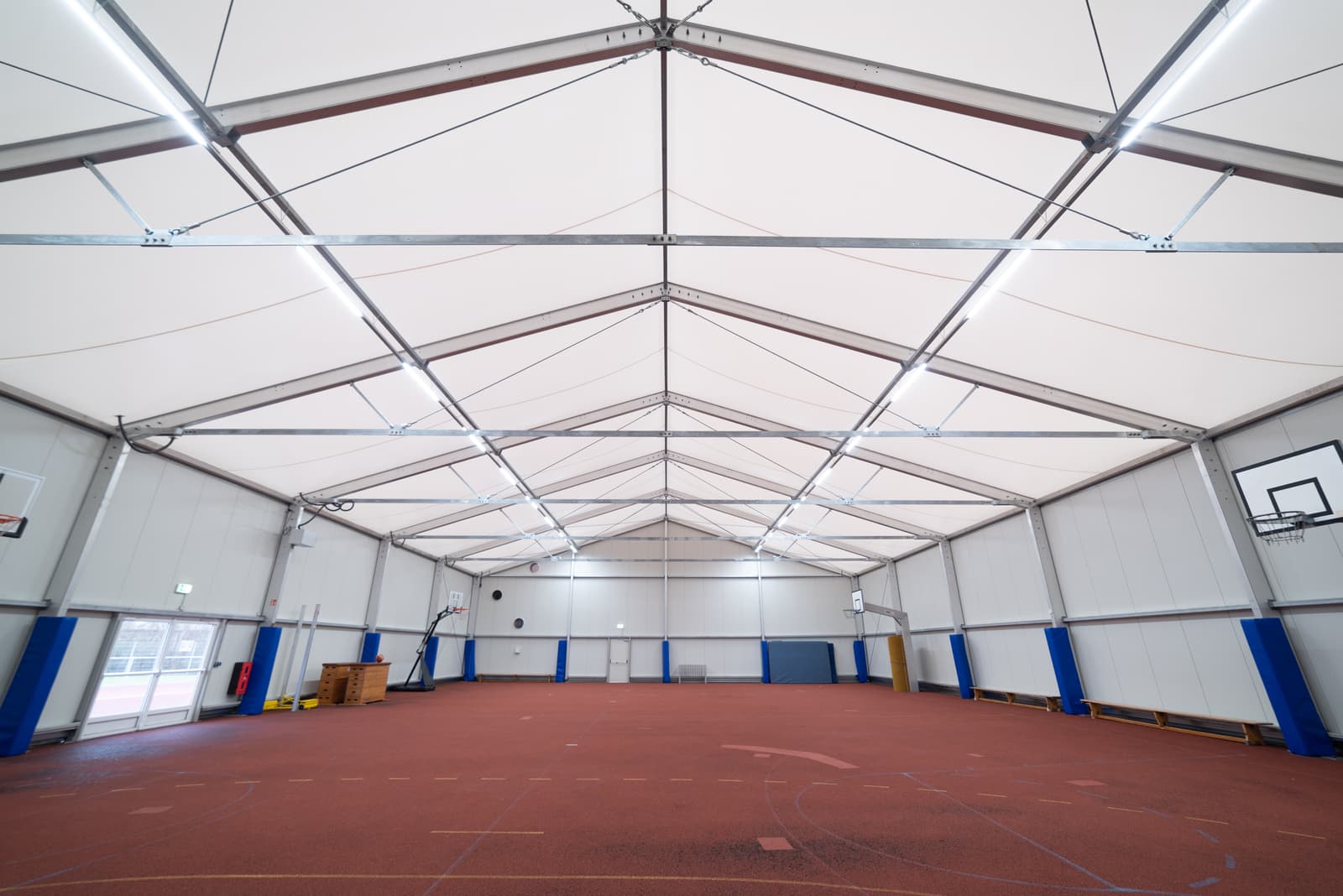
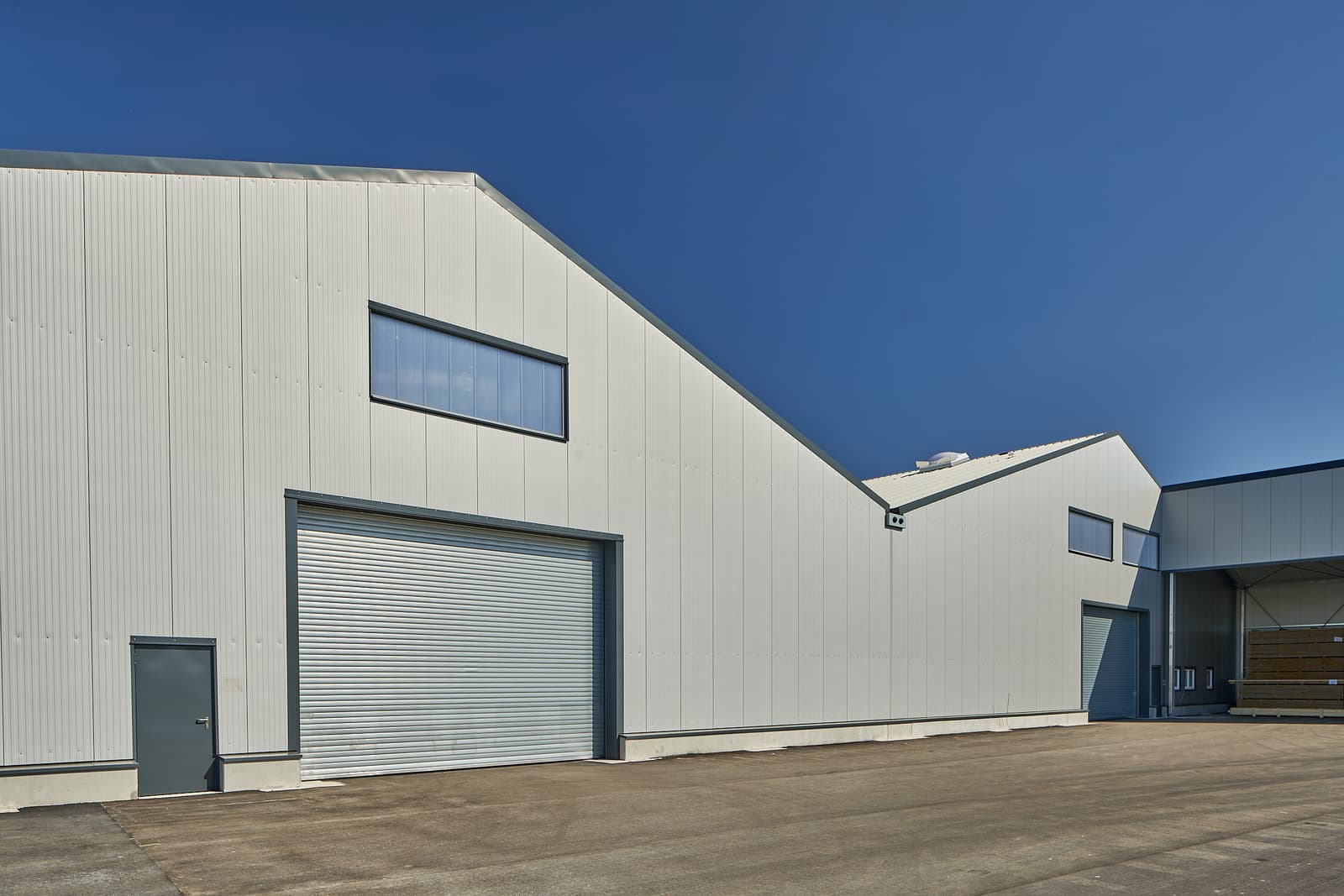
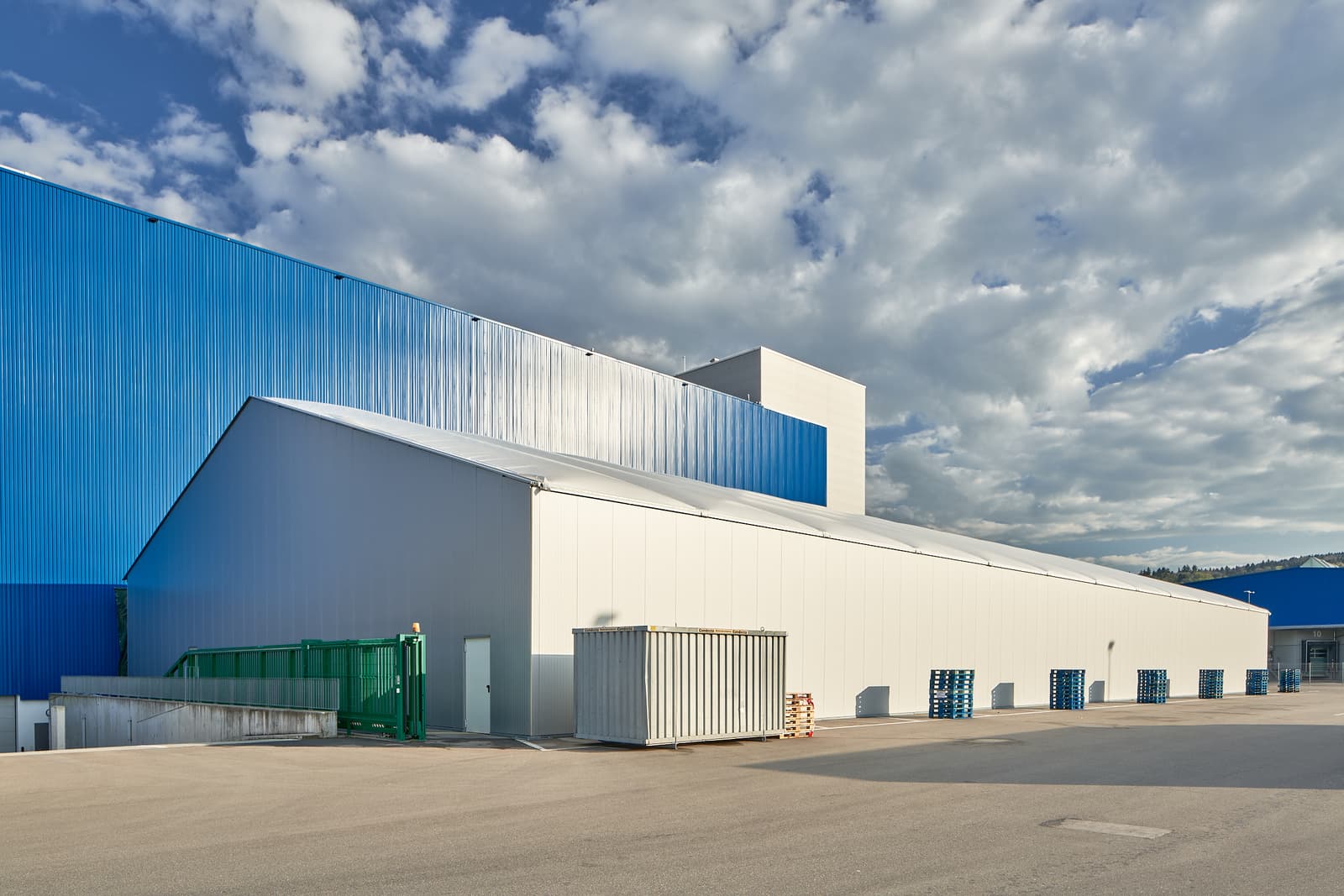
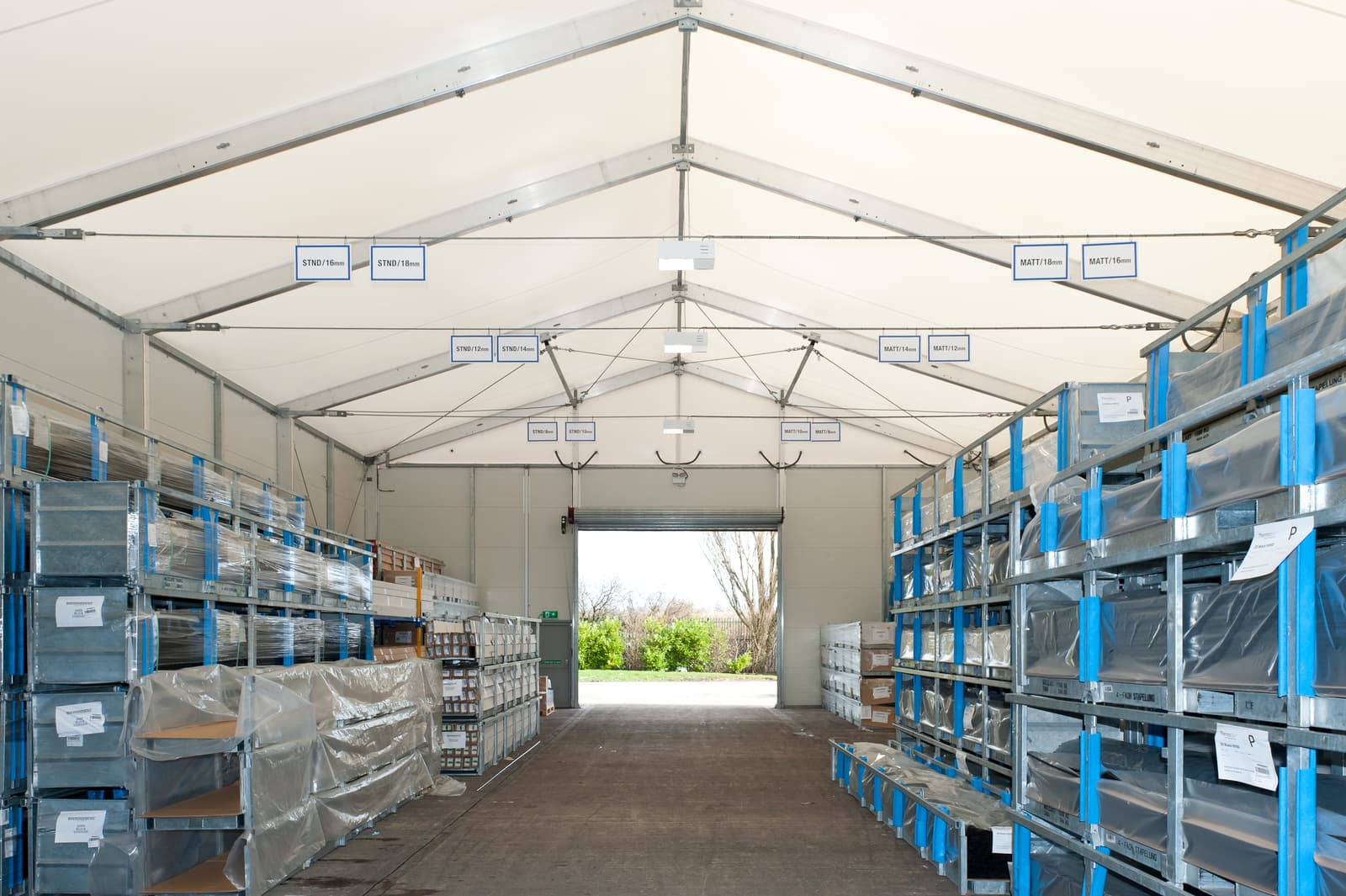
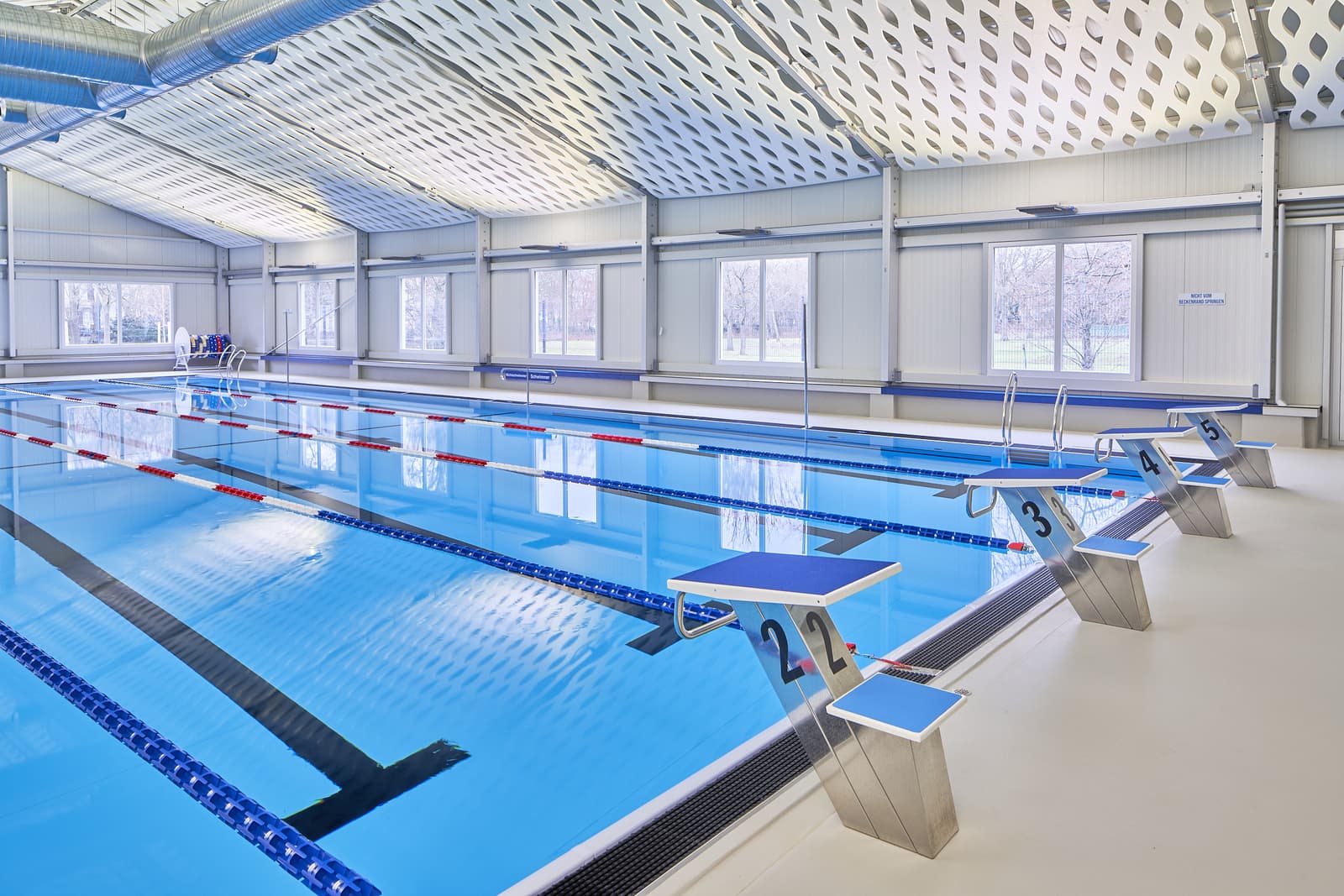
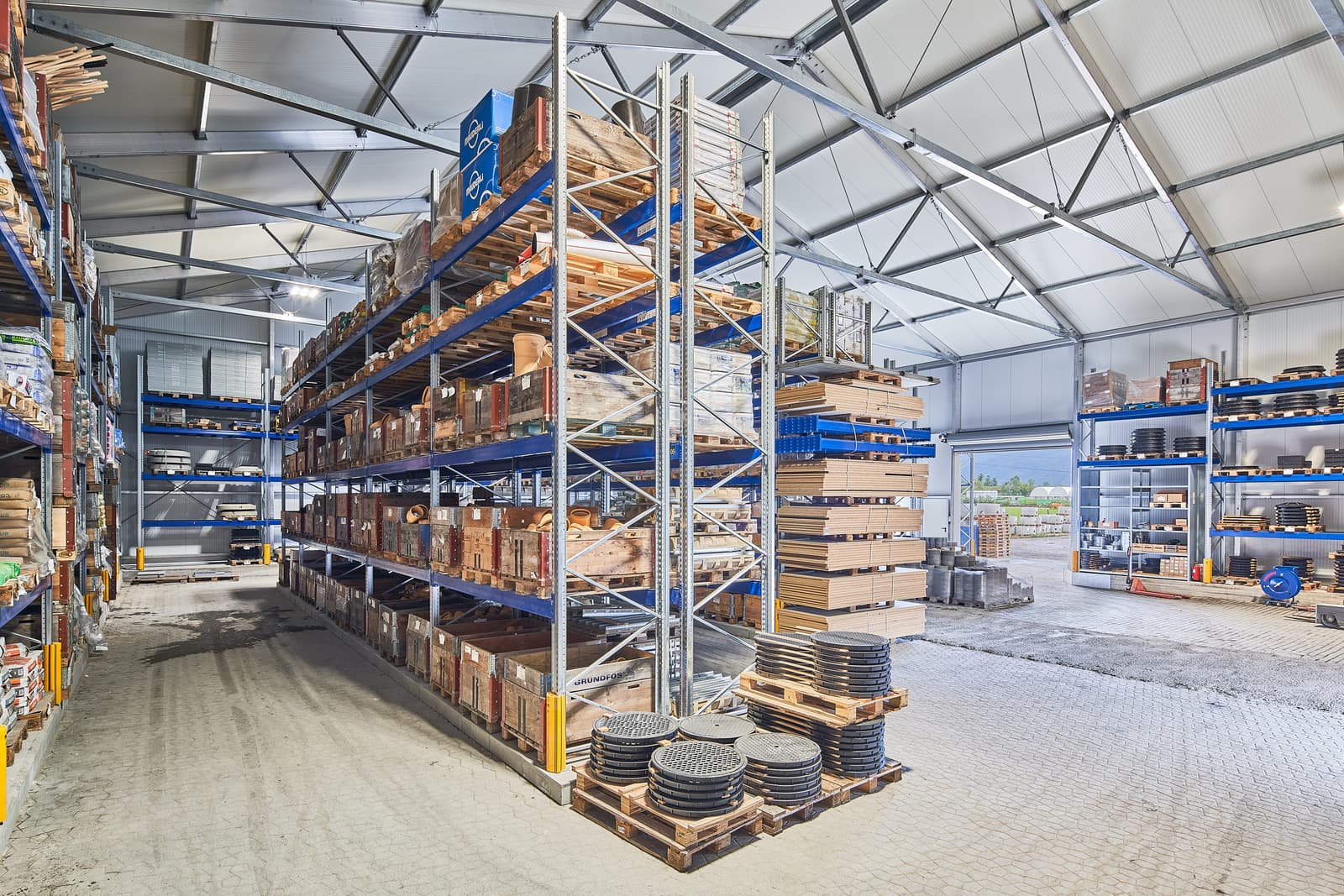
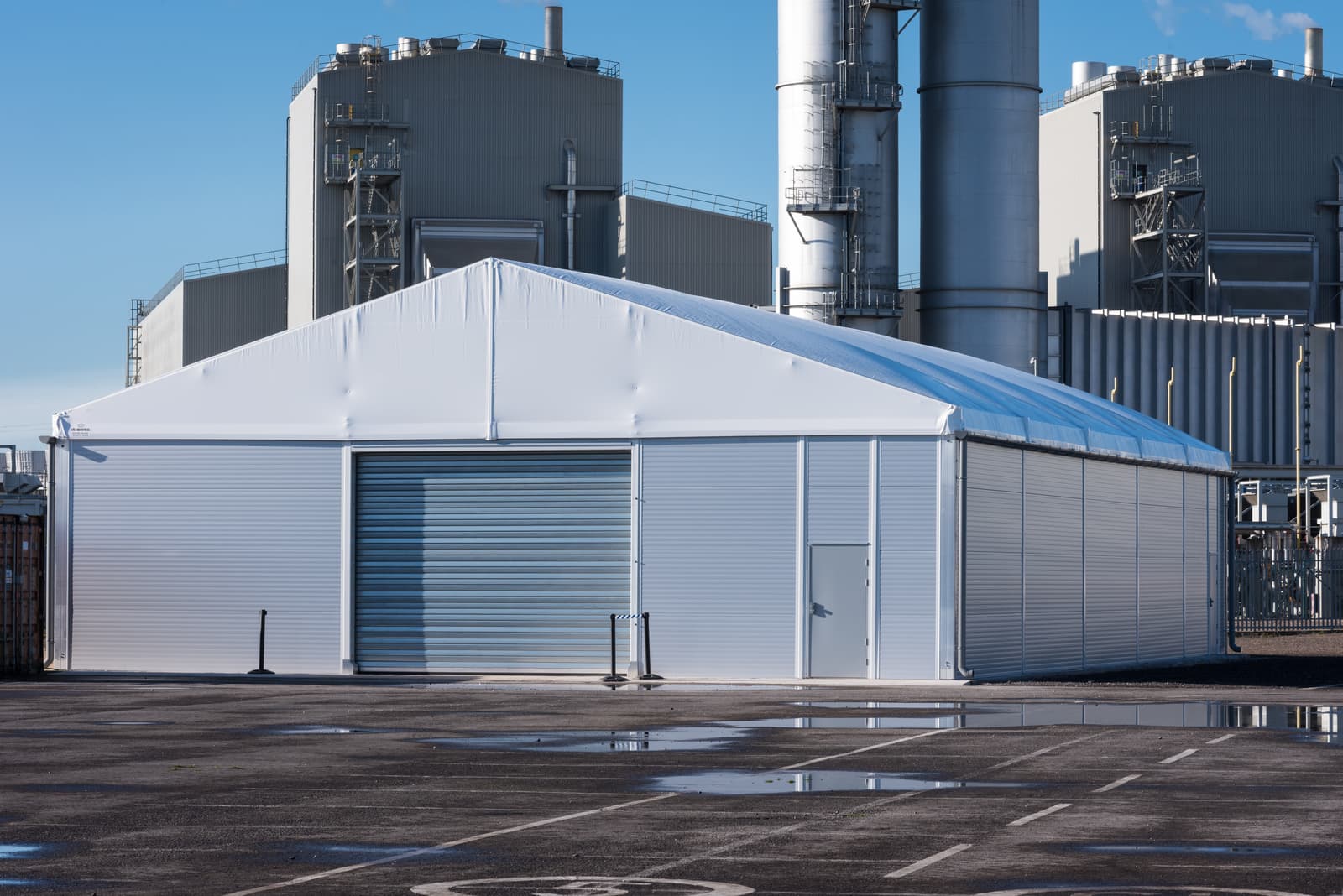
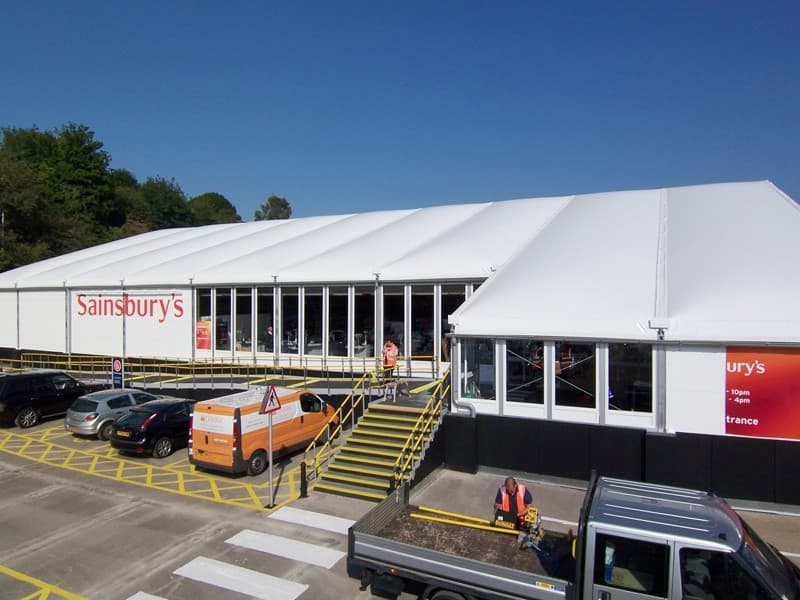
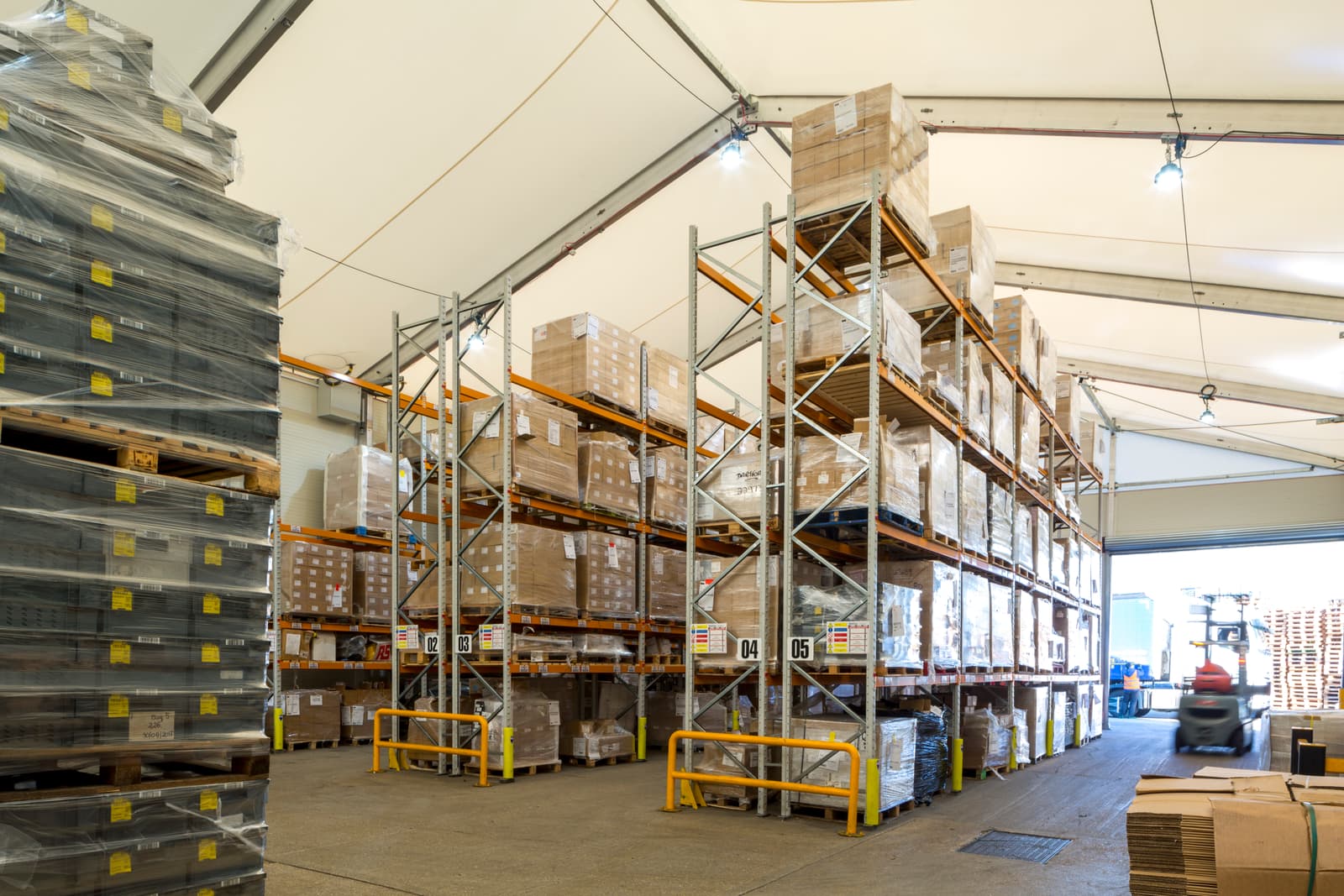
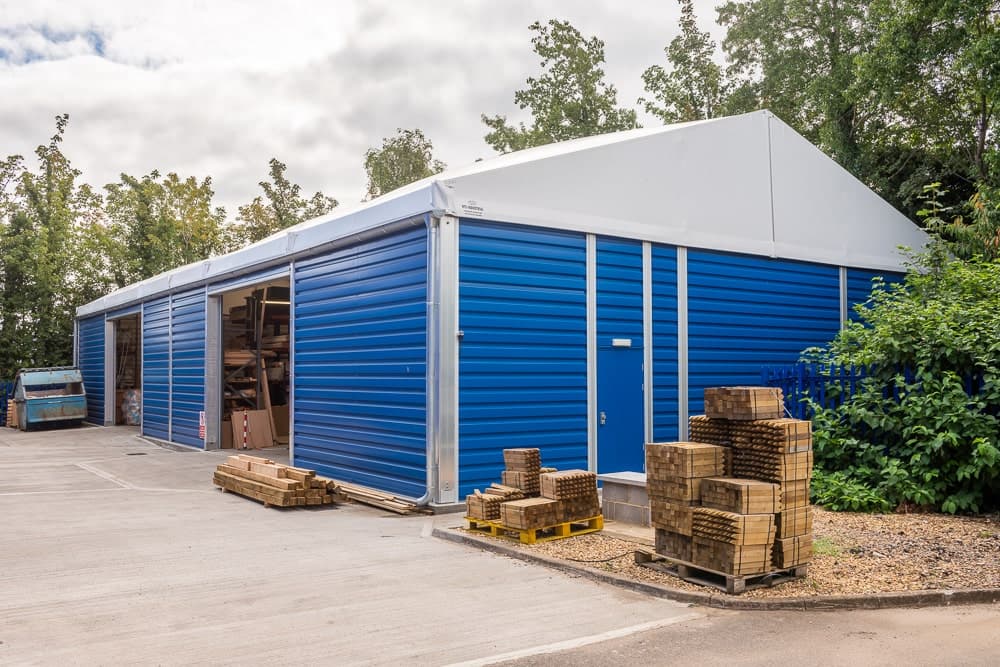
Lightweight buildings are an established part of industry and commerce – whether as storage facilities, modular extensions, production sites or temporary sports halls – their versatility is impressive. However, in terms of environmentally friendly construction, they are in no way inferior to conventional solid structures. But what exactly makes lightweight buildings sustainable? We have taken a closer look at the various aspects:
Durable and recyclable building materials
Lightweight buildings are often constructed from aluminium, steel or wood. HTS TENTIQ uses extruded and anodised aluminium for its structures and employs galvanised steel for the connecting elements. These materials are not only highly durable, but also easily recyclable.
Modulare Bauweise
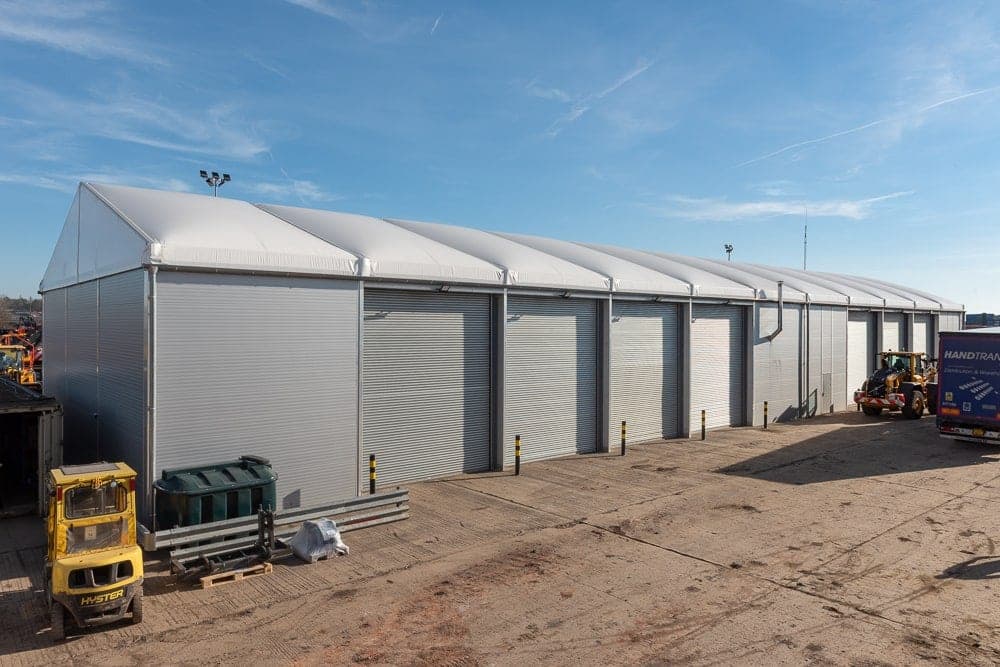
Lightweight buildings consist of prefabricated elements that can be expanded, reduced in size, or dismantled and reassembled at another location at any time if required. This modular construction method allows buildings to be optimally adapted to changing requirements and used multiple times, significantly increasing their lifespan and sustainability.
Short construction times
Thanks to prefabricated modules and simple assembly, lightweight buildings are ready for use in the shortest possible time. This not only saves costs and energy, but also reduces the CO₂ footprint during the construction phase.
Lower environmental impact
The lightweight construction method enables environmentally friendly anchoring of the structures using ground anchors, provided the subsoil is suitable. In many cases, this means that no concrete foundation and no sealing of the surface are required. The lightweight building can also be dismantled without leaving any residue.
Dismantlability
A key feature of sustainable lightweight buildings is their dismantlability. The buildings are designed so that they can be completely dismantled at the end of their service life without leaving any residue. The individual components can be separated by material type and either recycled or directly reused.
Energy efficiency through insulation
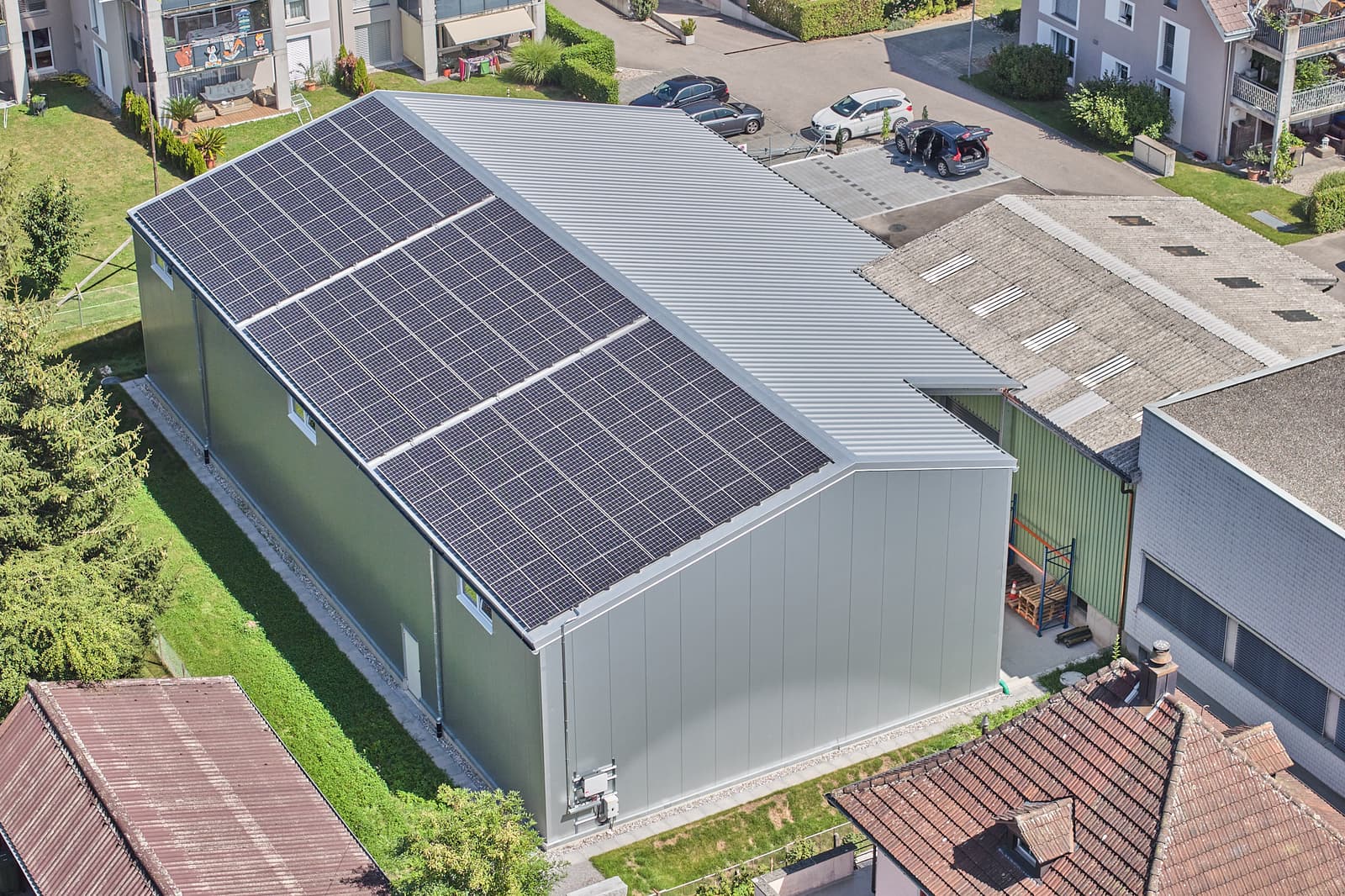
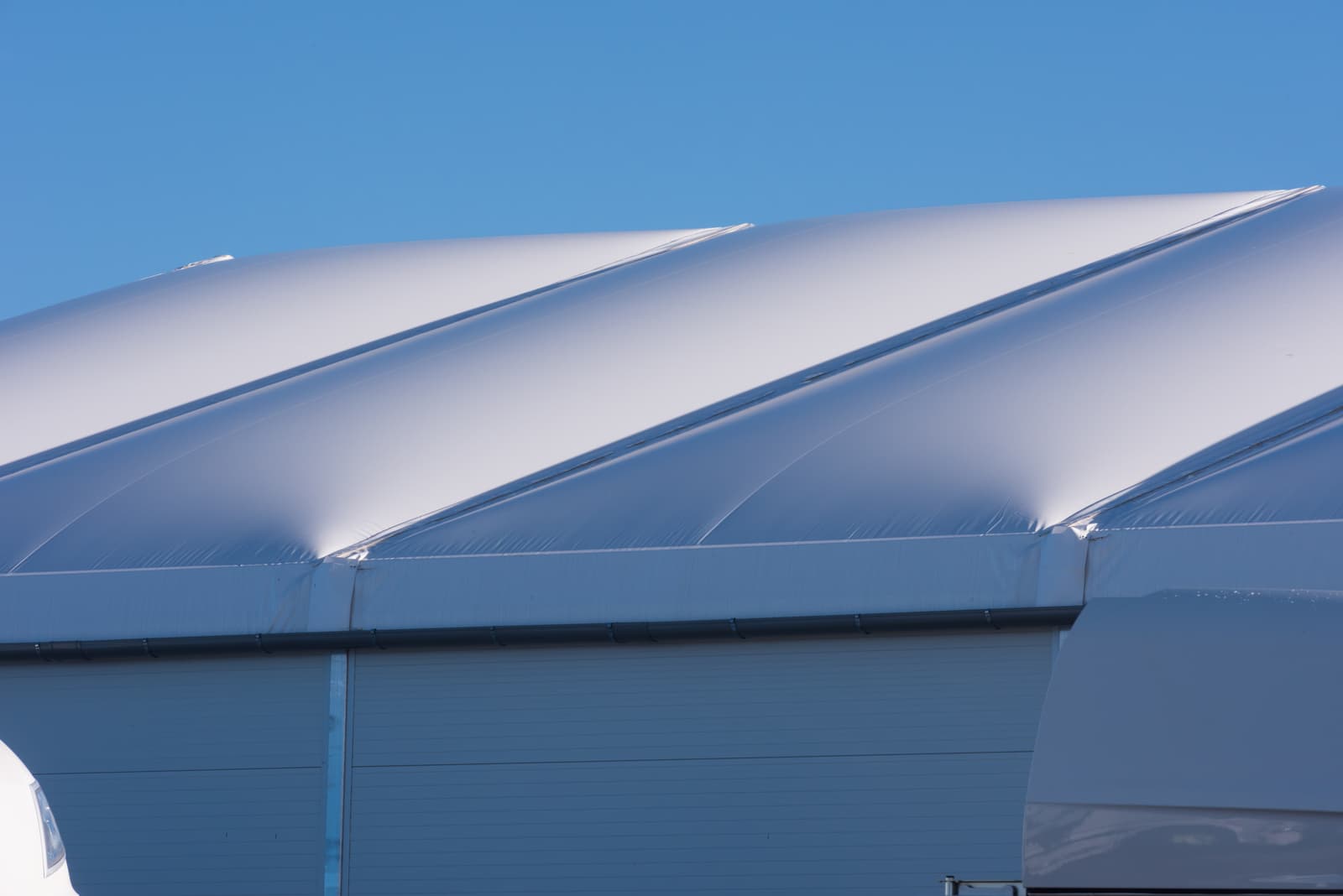
HTS TENTIQ lightweight buildings are energy-efficient, as they can be equipped with double-layer thermal PVC roof material or sandwich panels with a high U-value. These insulation options enable effective climate control and reduce condensation. For even greater energy efficiency, photovoltaic systems can be installed on many building roofs. For the side walls, insulated sandwich elements in various thicknesses as well as glass panels are available, thereby minimising heat loss and reducing heating costs.
Energy-efficient buildings: measures for environmentally friendly construction
In order for a lightweight building to be not only functional but also sustainable, more is required than reusable materials alone – the entire construction process and equipment are decisive. HTS TENTIQ offers modular building systems that can be equipped with the appropriate components depending on the usage concept:
Photovoltaics on the building roof
Insulation & heat recovery
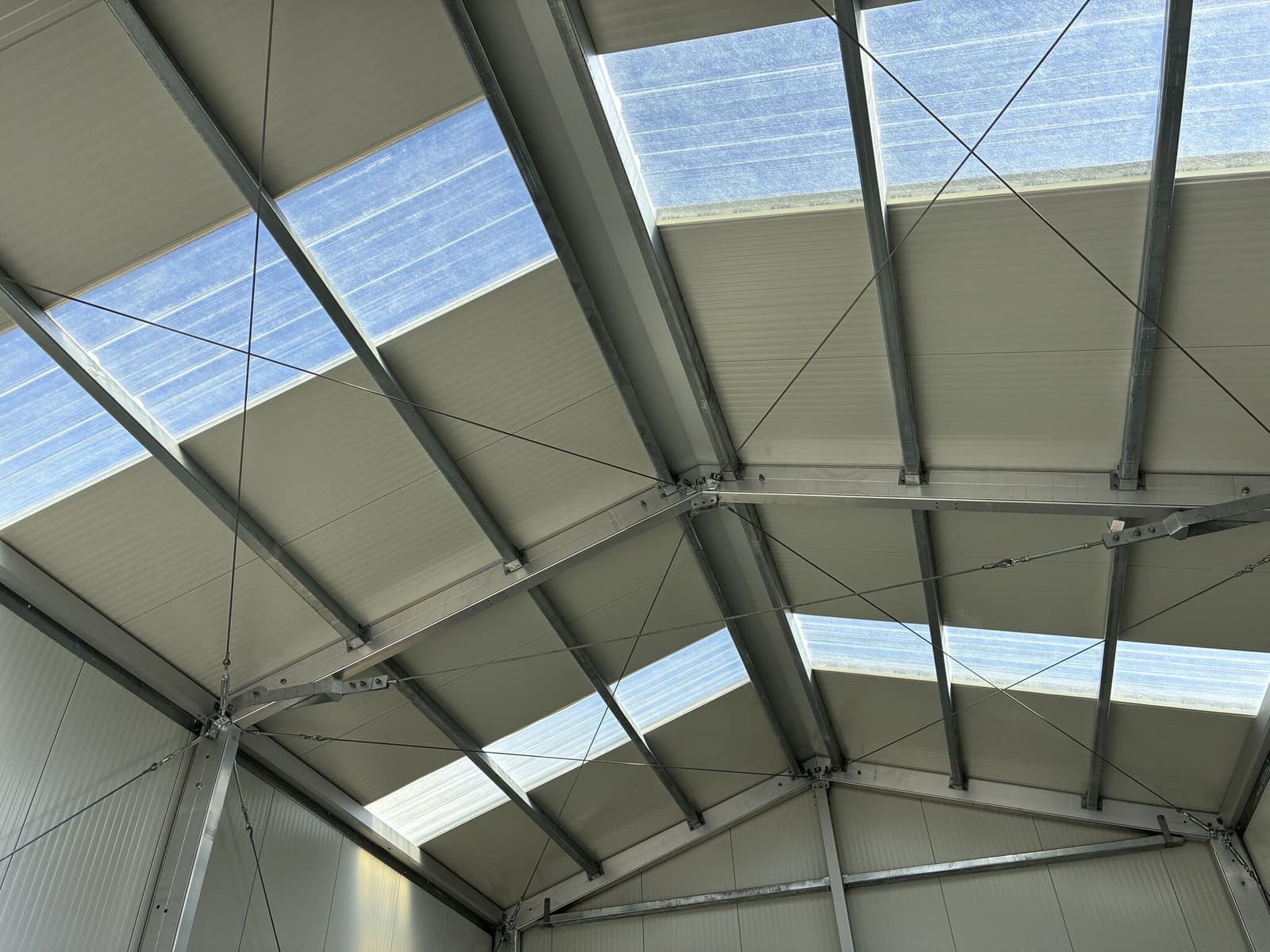
Daylight utilisation
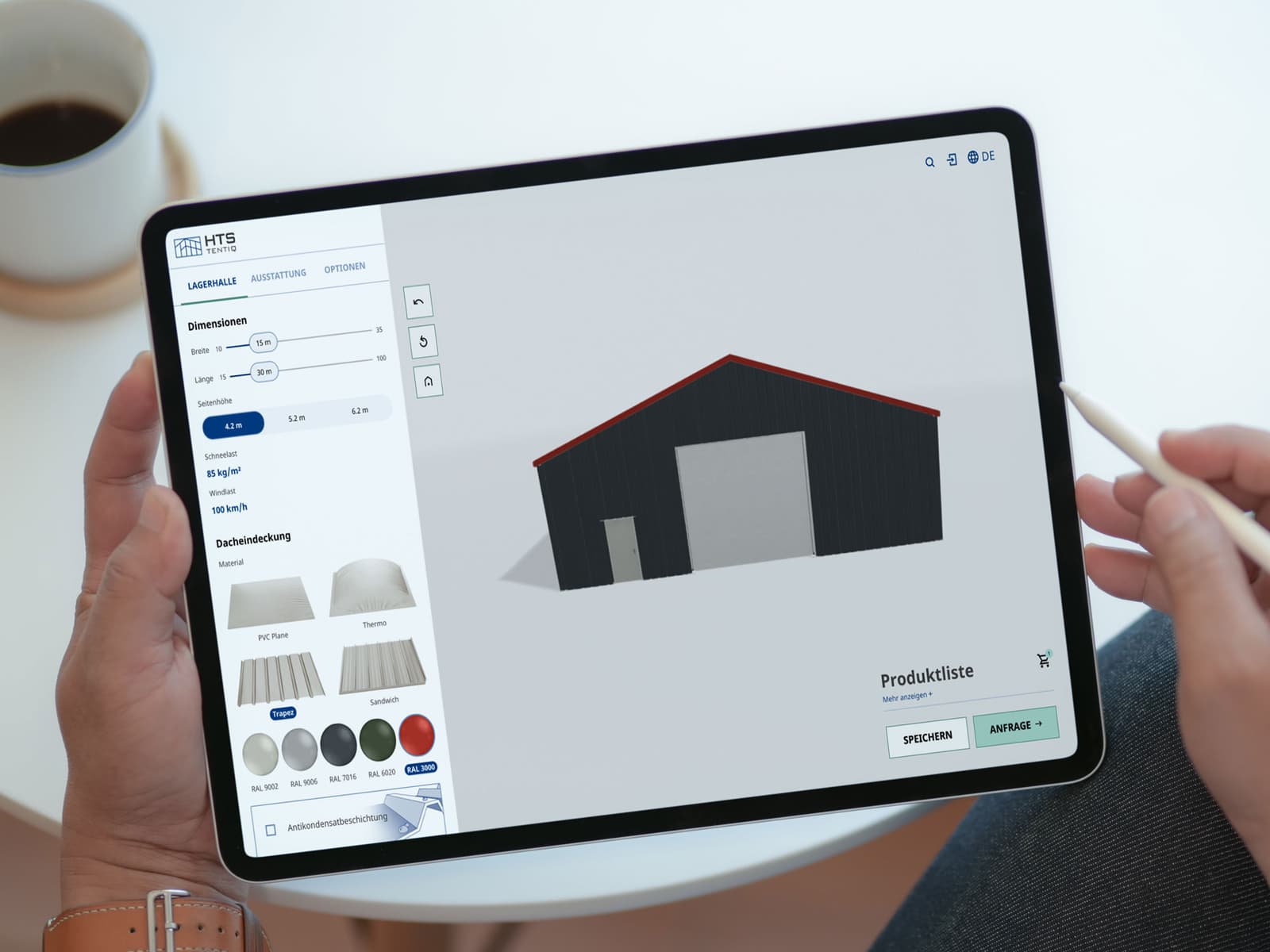
To make each building as individual as possible, HTS TENTIQ offers a very wide range of equipment options, many of which also contribute to sustainability.
Sustainable construction & certification: what really matters?
Certifications are a key instrument for making ecological, economic and social standards transparent. They create trust, provide orientation, and are also frequently a prerequisite for funding or public tenders.
HTS TENTIQ has been setting benchmarks in environmental and quality management for years:
- ISO 9001 (quality management): HTS TENTIQ has been certified according to DIN EN ISO 9001 since 2006. This certification guarantees the highest quality in the design, production, rental and sale of tent systems and temporary buildings made from aluminium.
- ISO 14001 (environmental management): Since 2016, HTS TENTIQ has been committed to an effective environmental management system in accordance with ISO 14001, which is continuously improved. This includes, among other things, optimised waste management, reduced resource consumption and compliance with all statutory environmental standards.
- CE marking: All constructions by HTS TENTIQ comply with EU-wide safety and environmental regulations. The CE marking confirms compliance with harmonised standards and guarantees the highest level of traceability and safety.
- Original equipment manufacturer quality: All product components from HTS TENTIQ are developed and manufactured in Germany, meaning customers benefit not only from certified materials but also from consistently first-class warranty conditions.
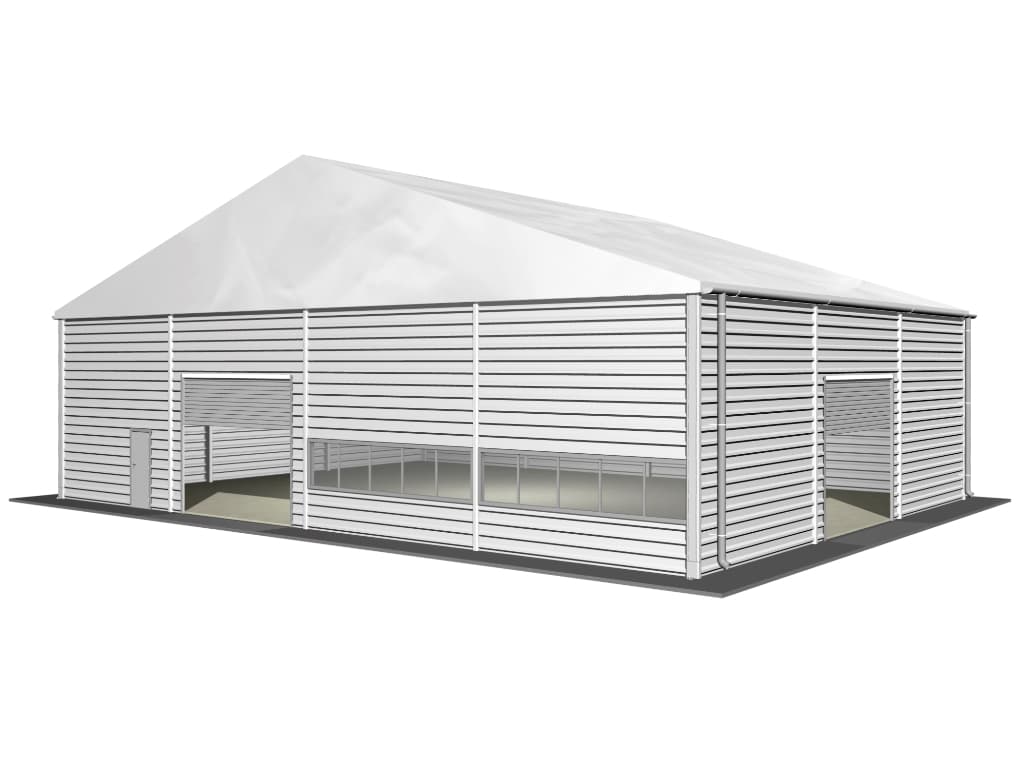
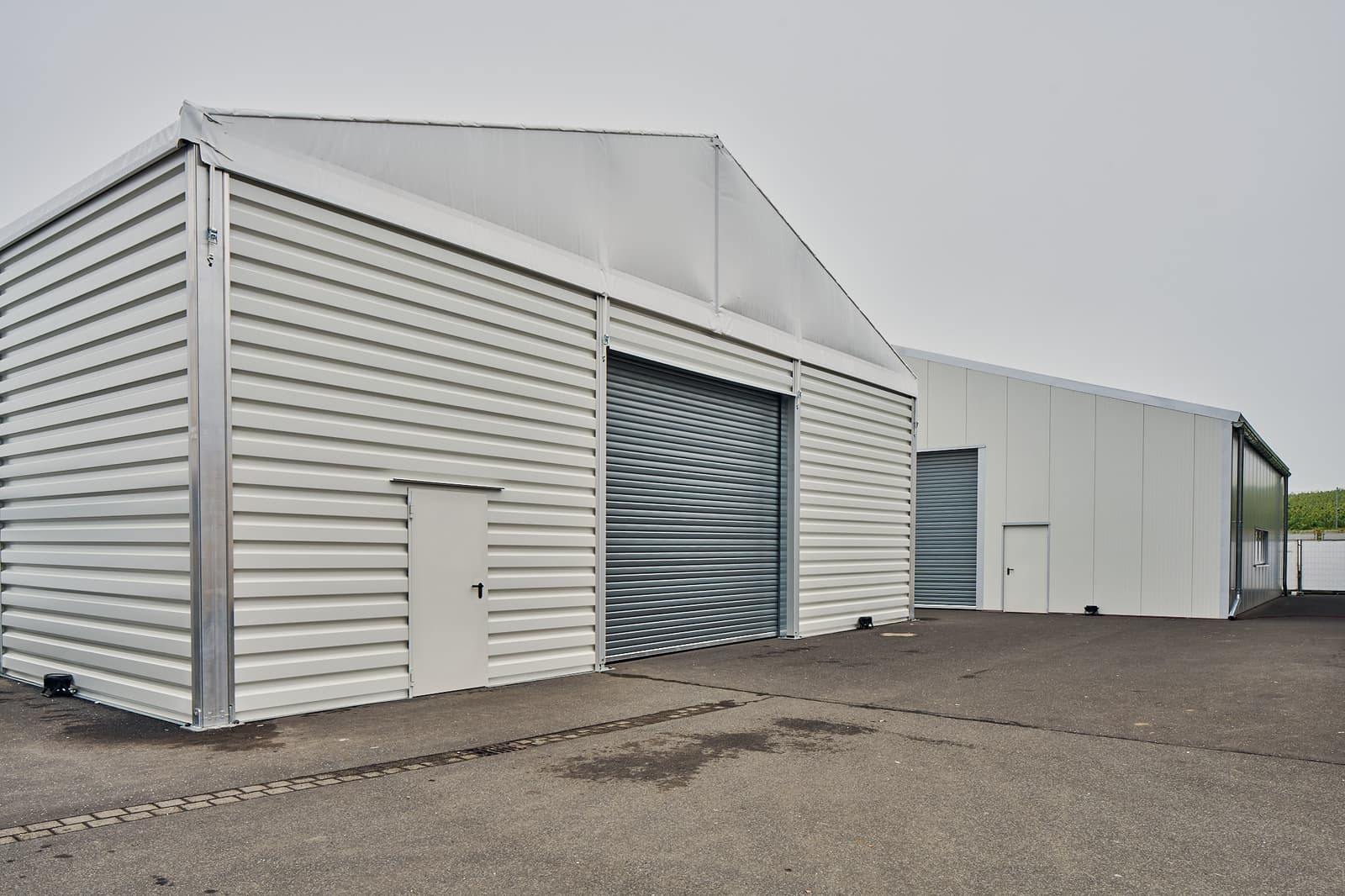
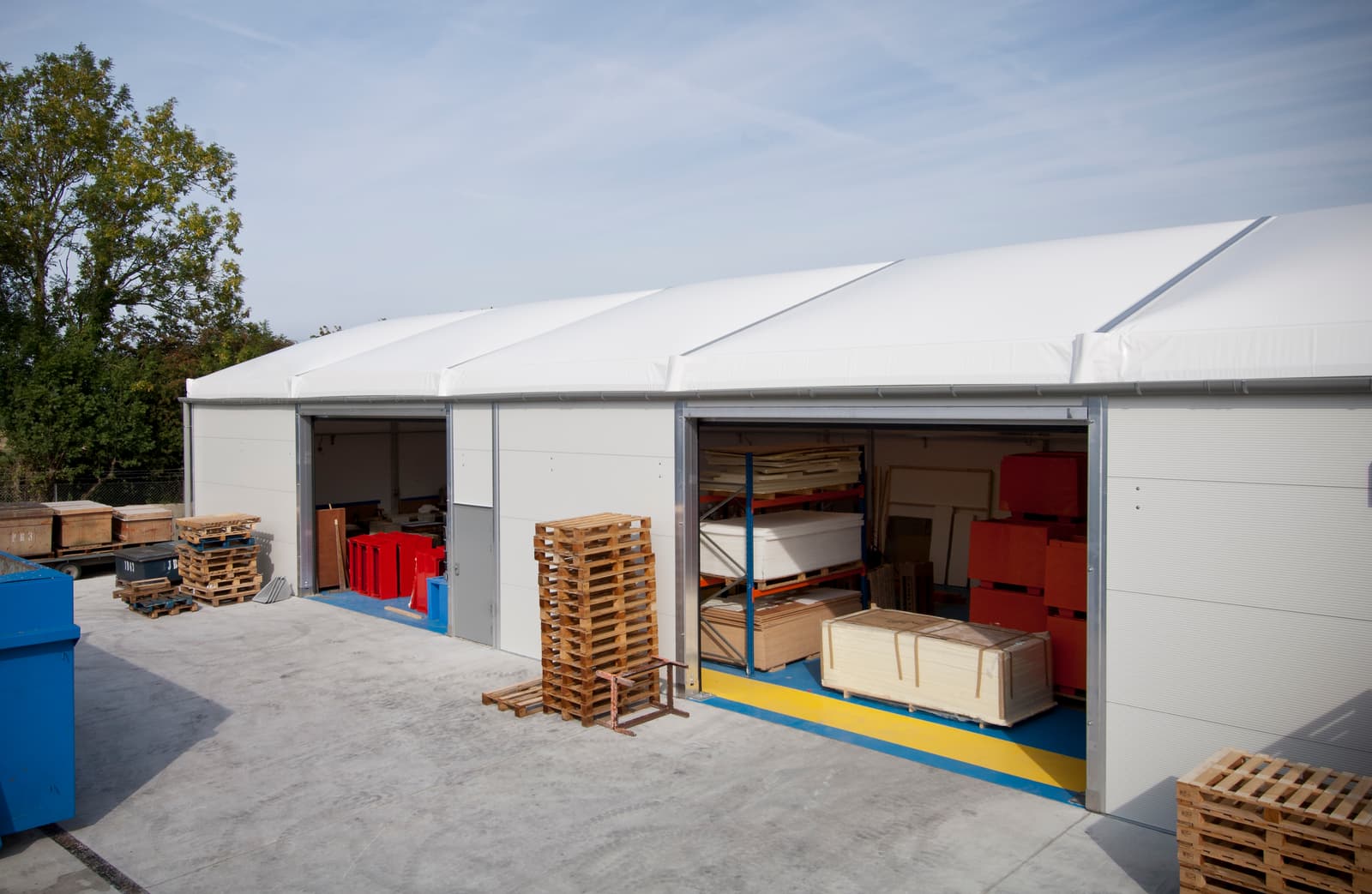
Non-insulated storage building
Mobile storage buildings that are not insulated are also referred to as cold buildings. They are the perfect place for goods and products that are not sensitive to temperature.
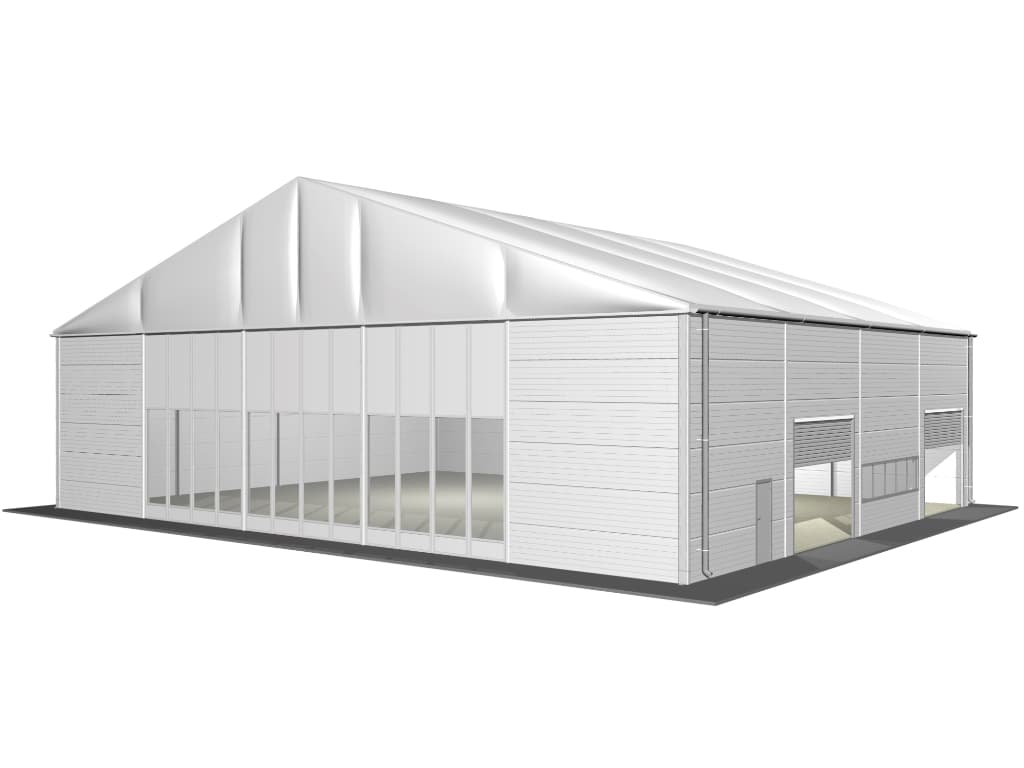
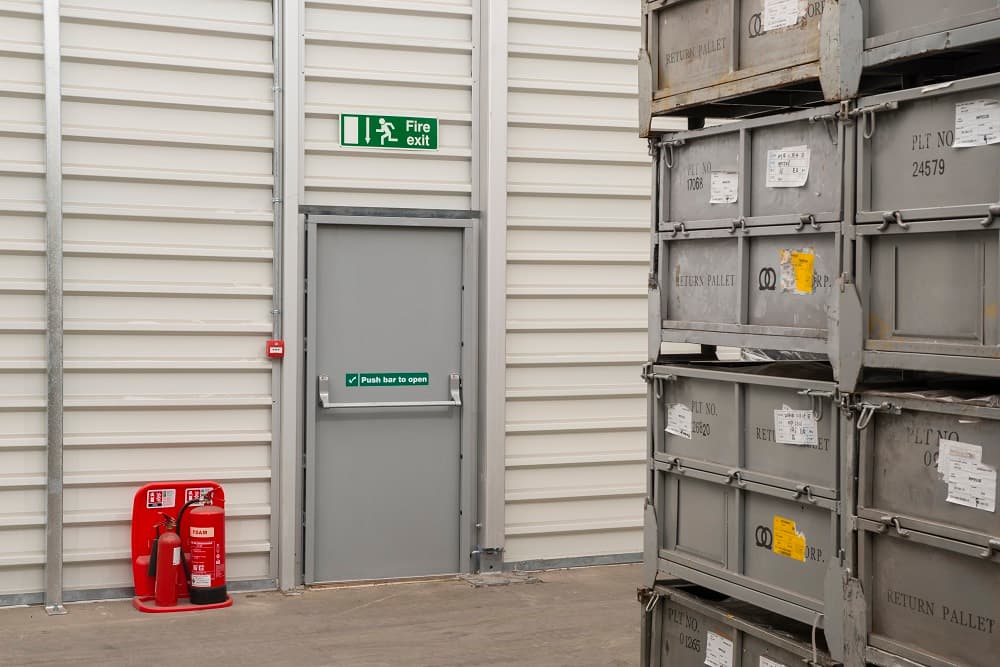
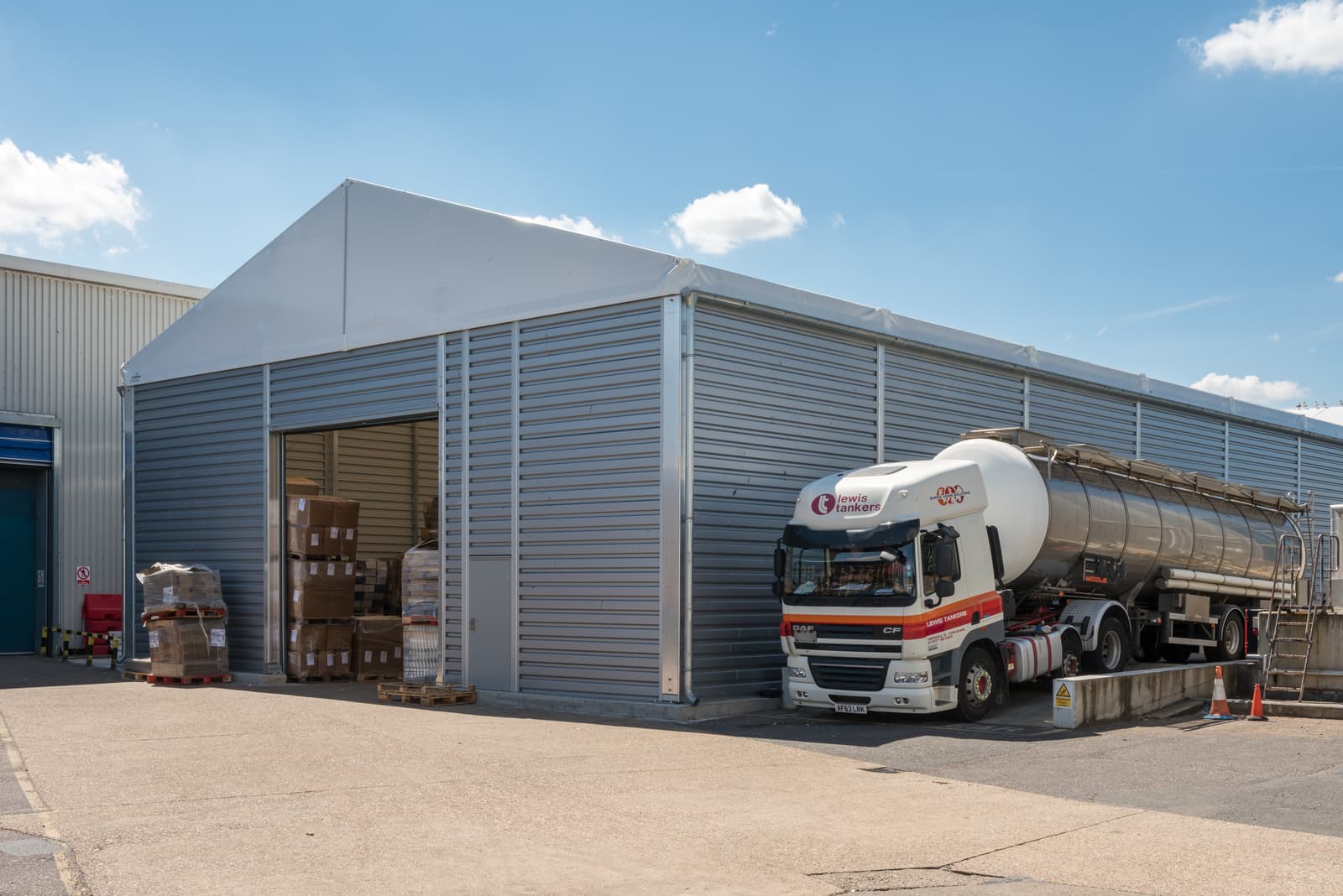
Insulated storage building
If consistent temperatures are to be maintained in a temporary storage building, an insulated storage building is the ideal choice. For this purpose, thermally insulated panels are used as side cladding and roofing. Alternatively, thermal roof membranes can also be used as roofing for the building. Insulated storage buildings provide optimal protection for temperature-sensitive goods, products and working processes throughout the year.
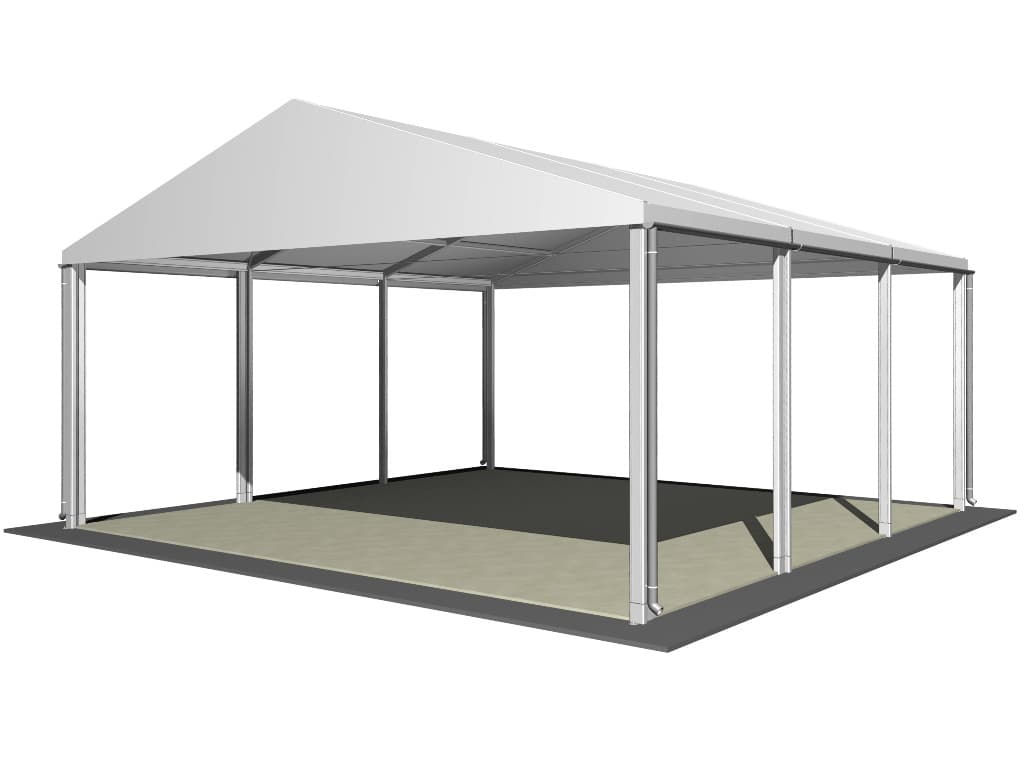
Canopy
A canopy protects non-sensitive goods from weather influences such as wind, rain, snow and sun. Due to its open design, it is ideally suited for loading and unloading operations, but can also be used as protection for machinery. A roof structure is the simplest and most cost-effective option.
Would you like to insulate your building even more efficiently? Find out more here in our flyer about thermal roof membranes with additional insulation.
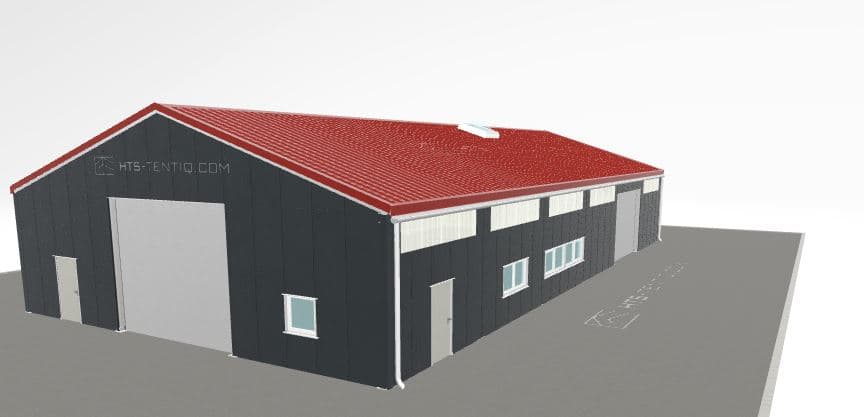
Conclusion: Building sustainably means building for the future.
Sustainable construction in industry requires technical innovation, as ecological goals can only be achieved with modern solutions. Recyclable materials such as aluminium, energy-efficient equipment, modular construction methods and intelligent usage concepts make temporary buildings a future-ready component of modern industry.
HTS TENTIQ shows how sustainable solutions are created through reusability, photovoltaic potential, effective insulation and certified environmental standards. For developers, planners and product, project or innovation managers, it is advisable to integrate sustainability into industrial planning at an early stage, to rely on modular systems, to review funding opportunities and to make targeted use of certifications.
Our Expertise
Frequently asked questions about building construction and sustainability
Sustainability in industry means using resources efficiently, reducing emissions and promoting environmentally friendly processes. Due to the climate crisis, resource scarcity and societal change, it is increasingly becoming a strategic necessity.
Sustainable construction considers the entire life cycle of building structures. It includes the resource-efficient planning, construction and use of buildings and takes into account ecological materials, energy efficiency, recyclability, low emissions and social aspects.
Yes, temporary buildings fulfil a range of sustainability factors—particularly when they are designed in a modular way and made from recyclable materials such as aluminium. They offer advantages such as low resource consumption, rapid assembly, flexible use and high reusability. With appropriate equipment such as insulation, photovoltaic systems or daylight systems, they make an active contribution to environmentally friendly construction.
Temporary buildings made from aluminium are particularly durable and resistant. Thanks to their high-quality workmanship, they remain operational for a long time with proper maintenance, and individual components can be replaced if required. Aluminium is corrosion-resistant, lightweight and strong – ideal for permanent industrial applications with high reusability and low maintenance requirements.
Sustainable construction materials for temporary buildings are primarily recyclable materials such as aluminium, steel or wood. HTS TENTIQ relies on durable, reusable building materials that can be reused thanks to their high recyclability.