Warehouse Overflow: Strategies for Increasing Your Storage Capacity
A sudden increase in demand, seasonal peaks or growing business can quickly lead to existing storage areas reaching their limits.
From short-term measures to long-term storage solutions – we show you the various options for increasing your storage capacity and sustainably managing warehouse overflow.
1. Shipping container
Shipping containers are not only suitable for transporting goods but can also be used to increase storage capacity. Containers are very robust and can be rented or purchased. They are a very simple and cost-effective option for resolving warehouse overflow, although they also come with certain limitations.
This includes, for example, their appearance, as metal containers may not reflect the corporate image that is intended to be conveyed to customers and employees. Functionality can also be restricted by containers, for instance when shelving systems need to be installed inside them. Standard containers are 2.35 m wide and 2.39 m high, with lengths ranging from 2.83 m to 12.03 m depending on the container type. A high storage demand may therefore require an external storage solution, and the height can also often be too low when multiple units are stacked.
Depending on the application, insulation and ventilation may additionally be required for optimal use. Overall, there are very few options to flexibly adapt shipping containers to individual storage requirements – which can have a negative impact on the efficiency of operational processes.
Advantages | Disadvantages |
|---|---|
Cost efficient | limited size |
quick installation | lack of equipment options such as insulation and ventilation |
Reusability | lack of adaptability and flexibility |
2. External storage areas
Increasing storage capacity by renting or purchasing external storage areas can be an important strategic step for companies to manage growing storage requirements. At the same time, it can also optimise business operations. Depending on the location, suitable local off-site storage areas are often available at short notice.
The main challenges of this solution lie in the logistics of multiple locations and inventory management. It is also important to consider integration into the existing IT system in order to implement operational processes consistently across all locations. In addition, the extra working time and transport costs between multiple sites can reduce operational efficiency. In theory, off-site storage may seem straightforward, but in practice it requires thorough research and very careful planning to ensure smooth day-to-day operations.
Advantages | Disadvantages |
|---|---|
Site selection as a strategic decision | challenging inventory management due to multiple locations |
flexibility in pricing | challenges in IT integration |
flexible availability of space | higher transport costs between locations |
careful planning required |
3. Operational restructuring
Through operational restructuring, better use of existing resources and infrastructure is achieved. This solution to warehouse overflow offers several advantages and disadvantages. The advantages include cost savings, as no major investment in new storage areas is required. Optimising internal processes leads to increased productivity and efficiency. In addition, the logistical complexity associated with managing and transporting goods between multiple locations is eliminated.
However, there are also disadvantages. These include, in particular, the limitations of the existing space, meaning that a comprehensive expansion is not possible. The increase in capacity through this form of expanding storage capacity is therefore limited.
Nevertheless, investment in new technologies and staff training is necessary to improve efficiency. This results in additional cost and time expenditure. During the restructuring phase, there may also be temporary operational interruptions and disruptions to day-to-day operations.
Advantages | Disadvantages |
|---|---|
cost savings | interruptions during restructuring |
maximisation of existing storage space | limited capacity increase |
optimisation of layout and storage systems | |
low logistical complexity |
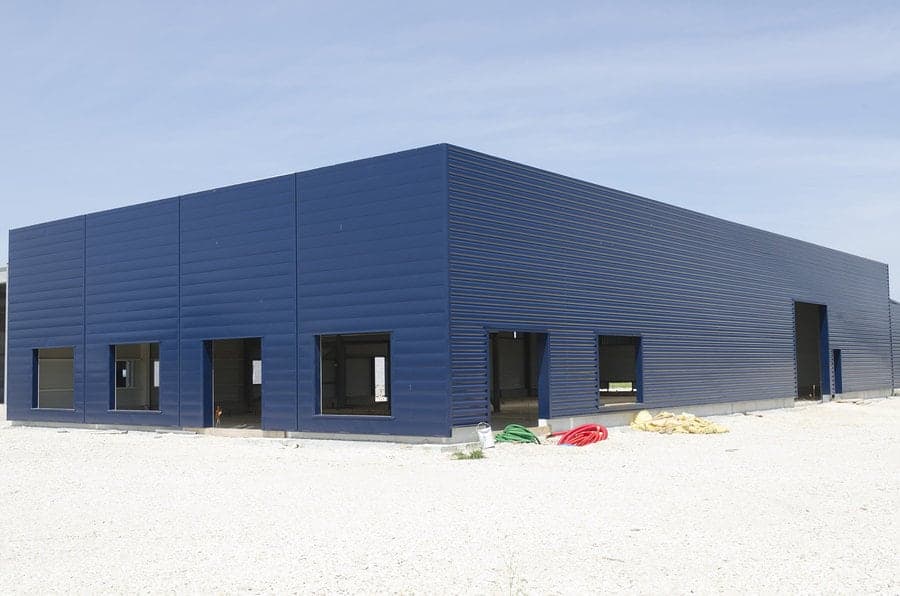
4. Relocation of site
Eine Standortverlagerung beinhaltet den Umzug an einen neuen Standort des gesamten Unternehmens oder großer Teile davon. Für anhaltenden Warehouse Overflow ist das eine langfristige Lösung. Die Verlagerung der Lagerkapazitäten durch einen Standortwechsel bietet den großen Vorteil, den Standort strategisch zu optimieren, beispielsweise durch die Angliederung an wichtige Transportwege. Auch können damit langfristig die Kosteneffizienz und die betriebliche Leistung verbessert werden. Zudem kann der neue Standort erweiterte Wachstumsmöglichkeiten bieten.
Eine Standortverlagerung bringt jedoch auch erhebliche Nachteile mit sich. Der Prozess ist zeit- und kostenintensiv und kann zu Betriebsunterbrechungen führen. Der Standortwechsel kann auch auf die Mitarbeiter große Auswirkungen haben und die Einstellung neuer Mitarbeiter erforderlich machen. Die Verlagerung birgt auch immer das Risiko von Verzögerungen und Komplikationen, die den Geschäftsbetrieb beeinträchtigen.
Advantages | Disadvantages |
|---|---|
long-term solution for persistent storage problems | time-consuming and costly |
strategic site optimisation | possible operational interruptions |
enhanced growth opportunities | risk of delays |
improved infrastructure and logistics | thorough assessment of personnel, IT and customer communication required |
5. Temporary buildings
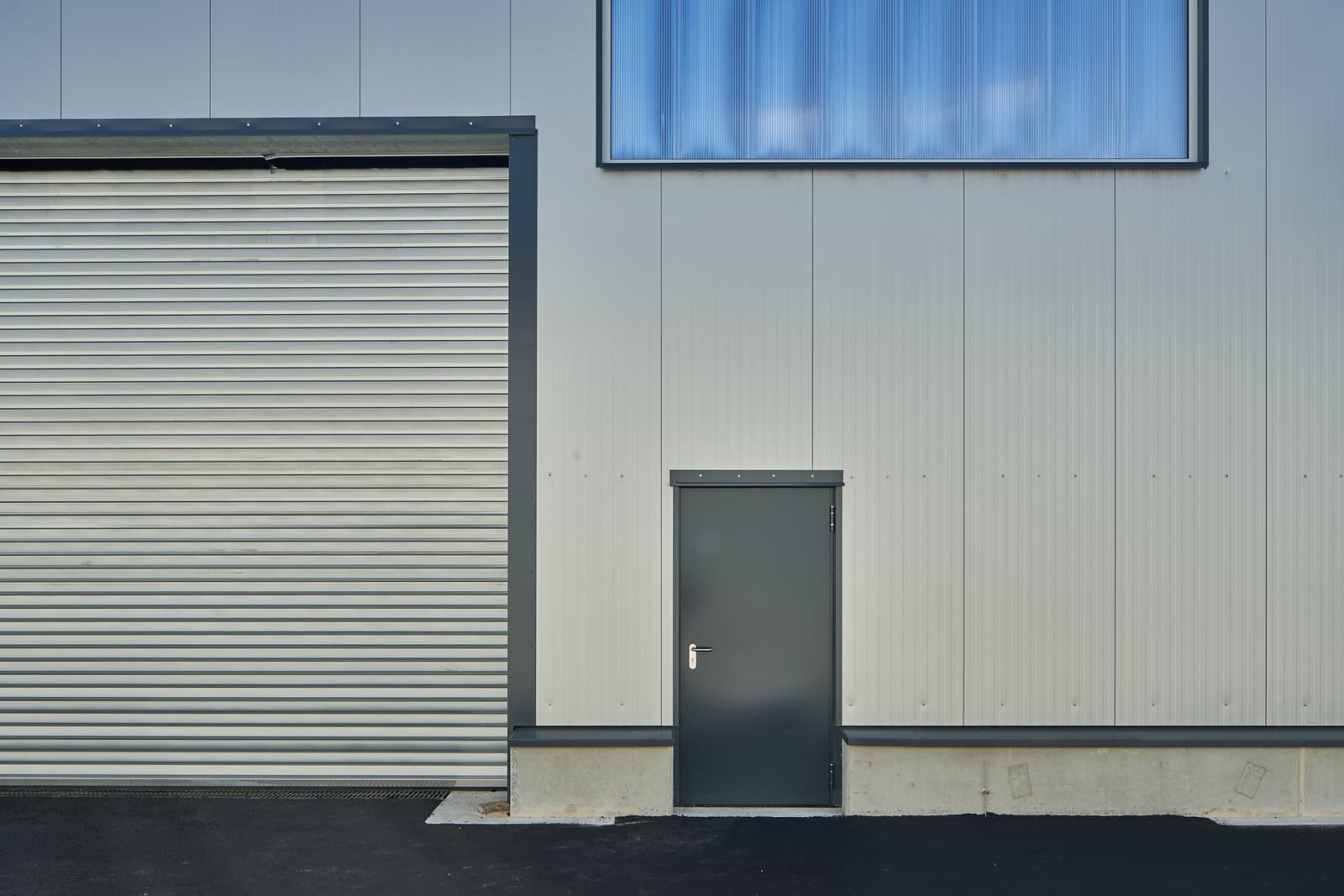
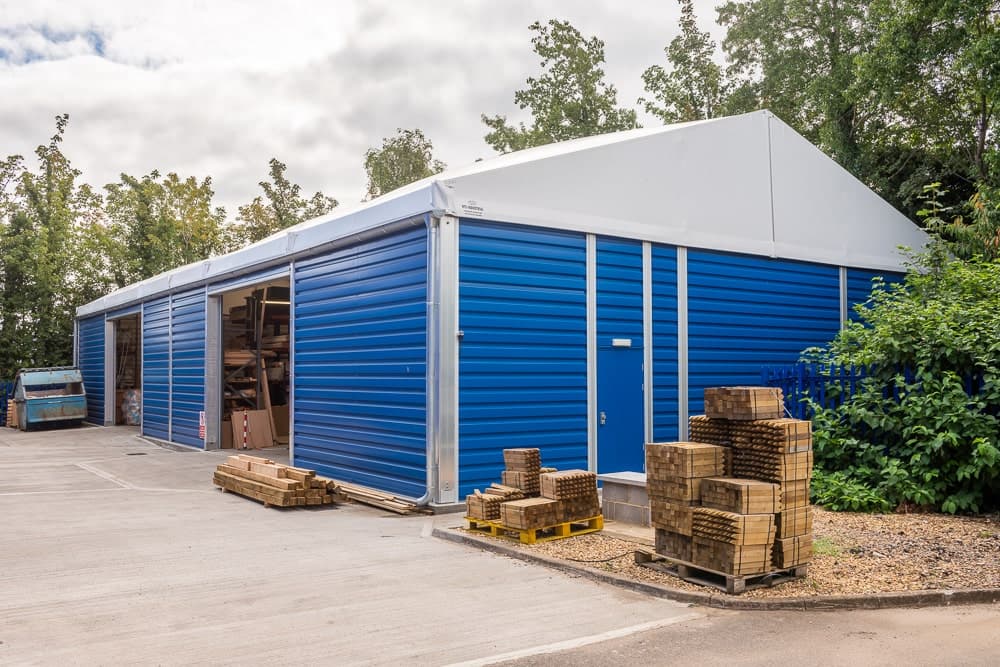
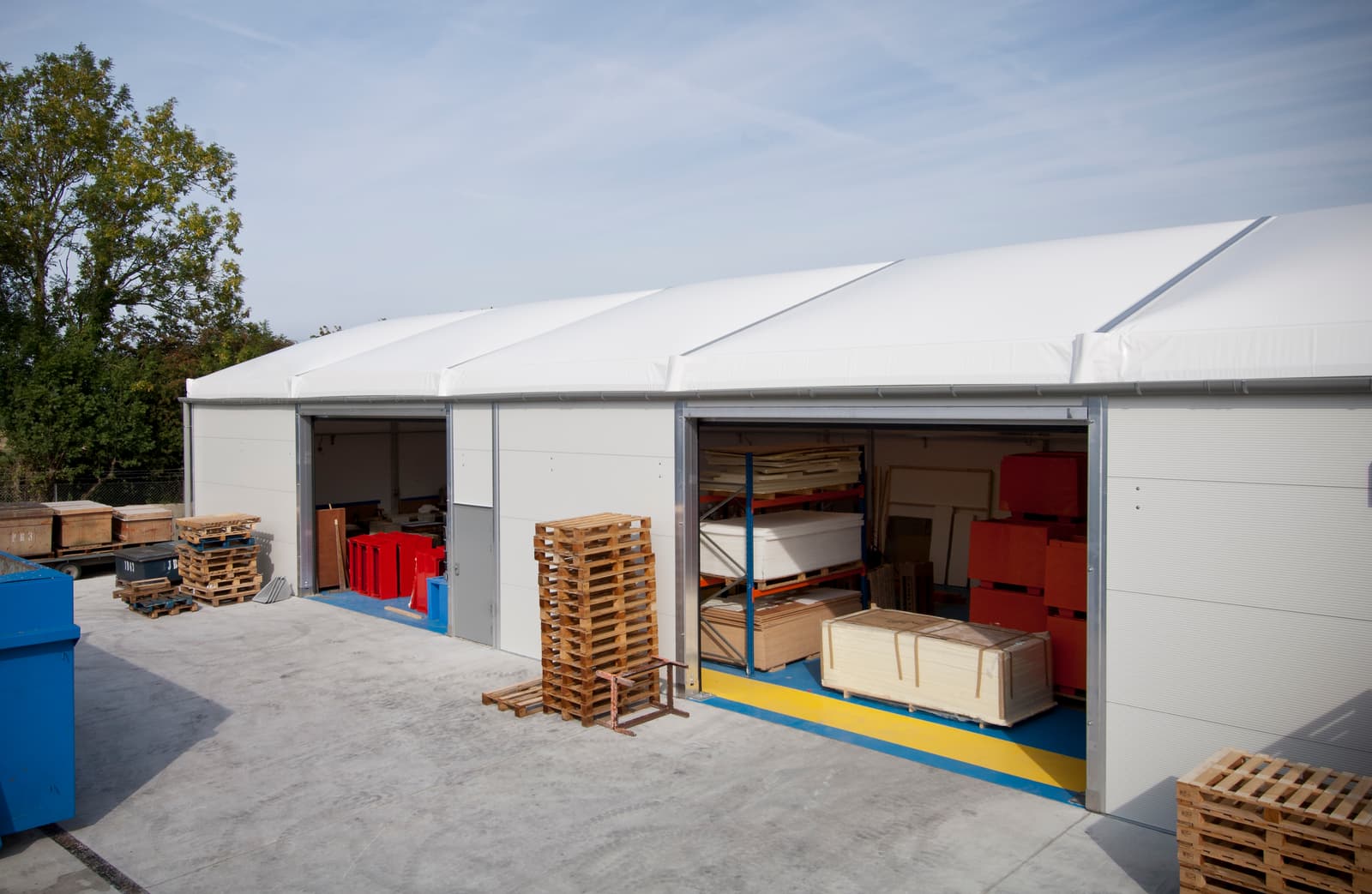
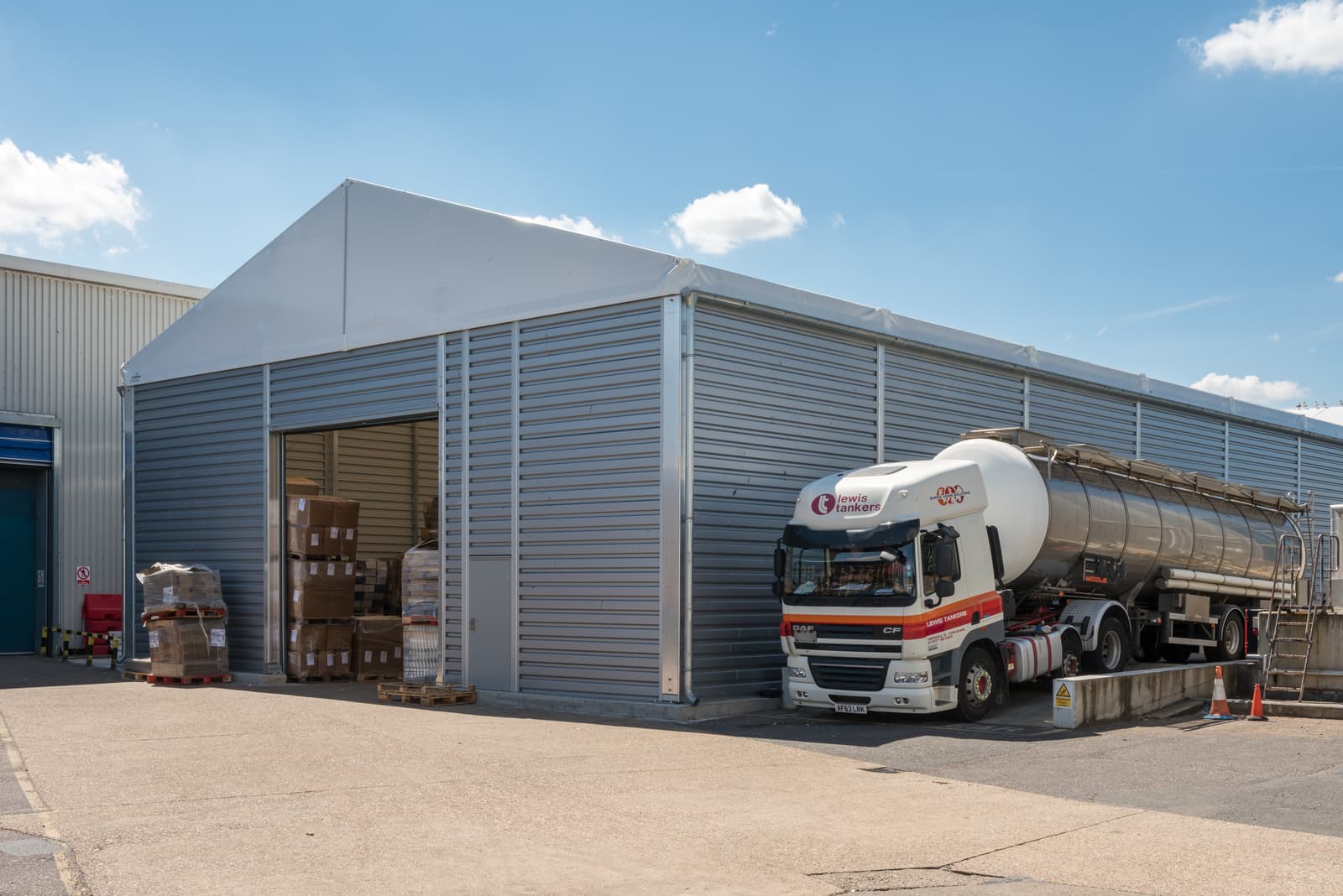
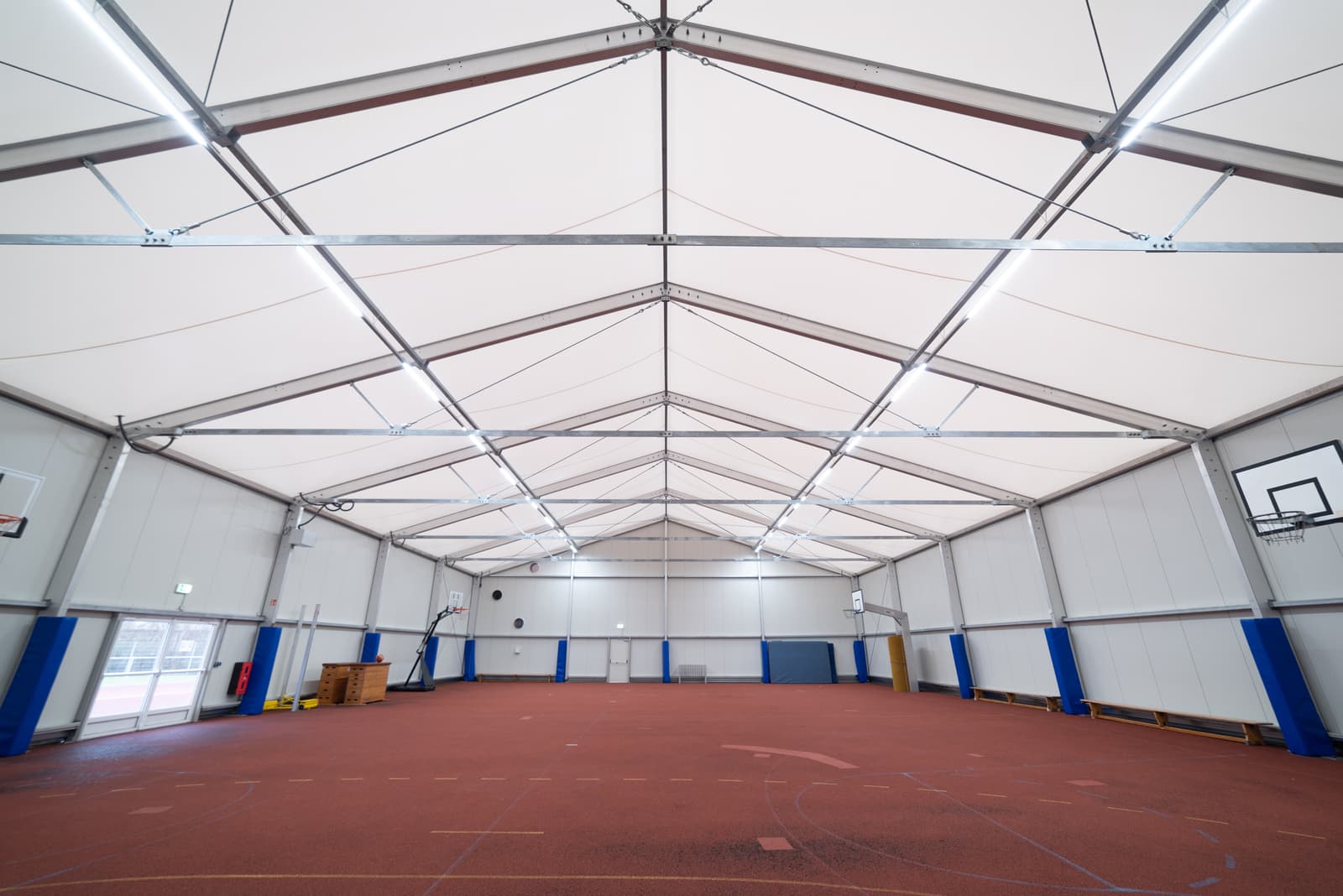
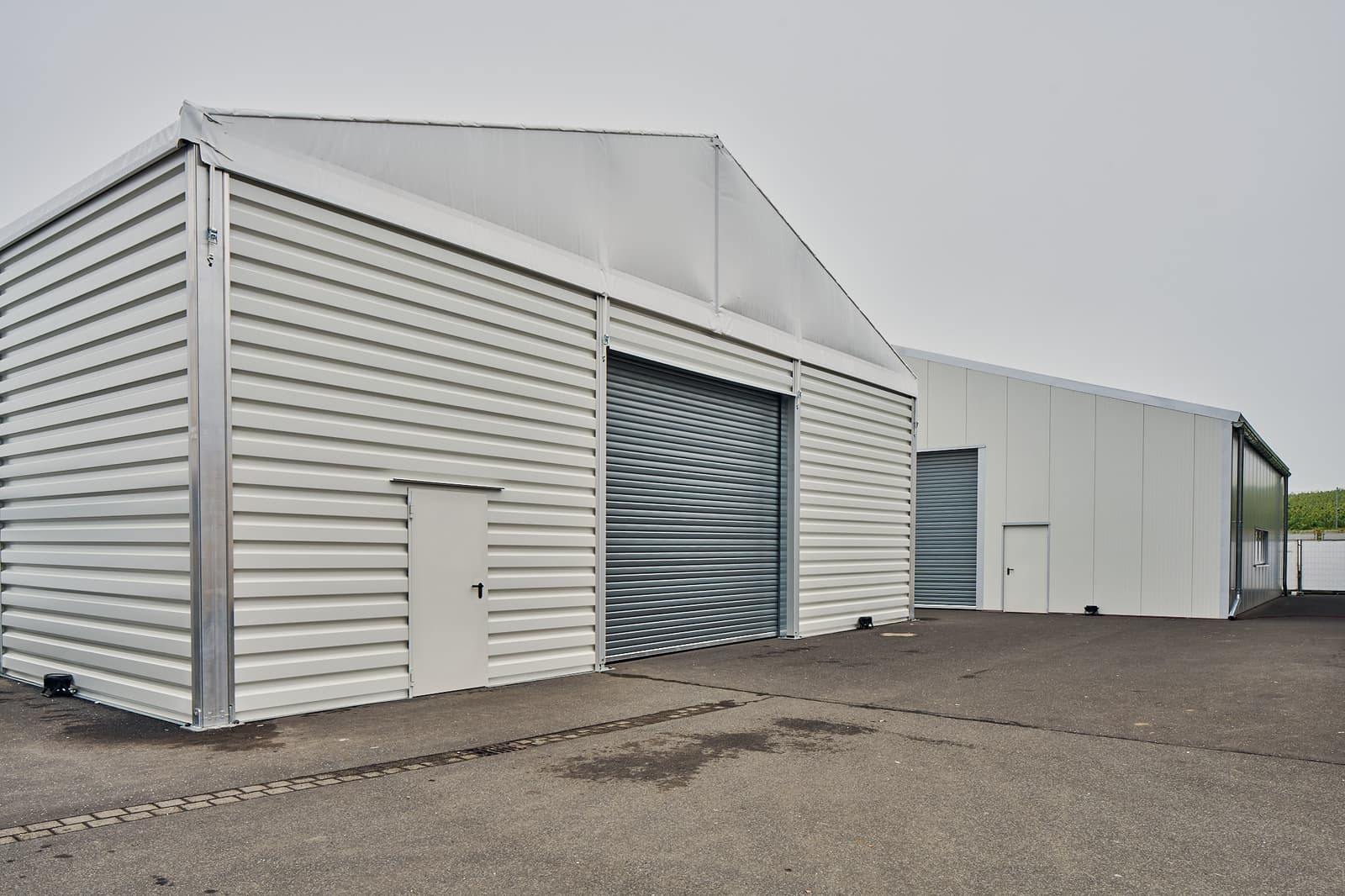
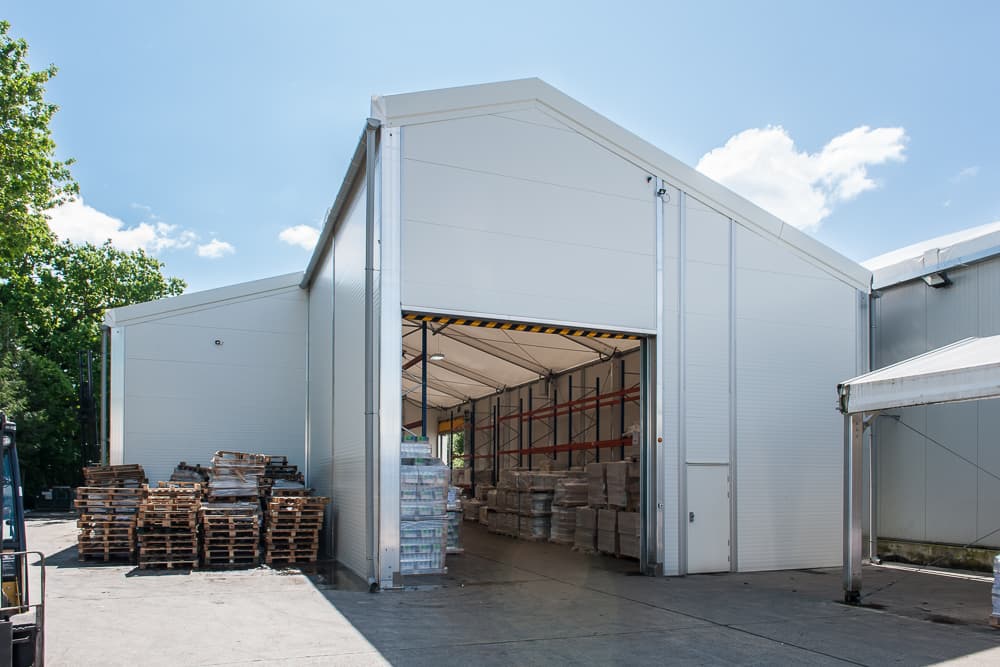
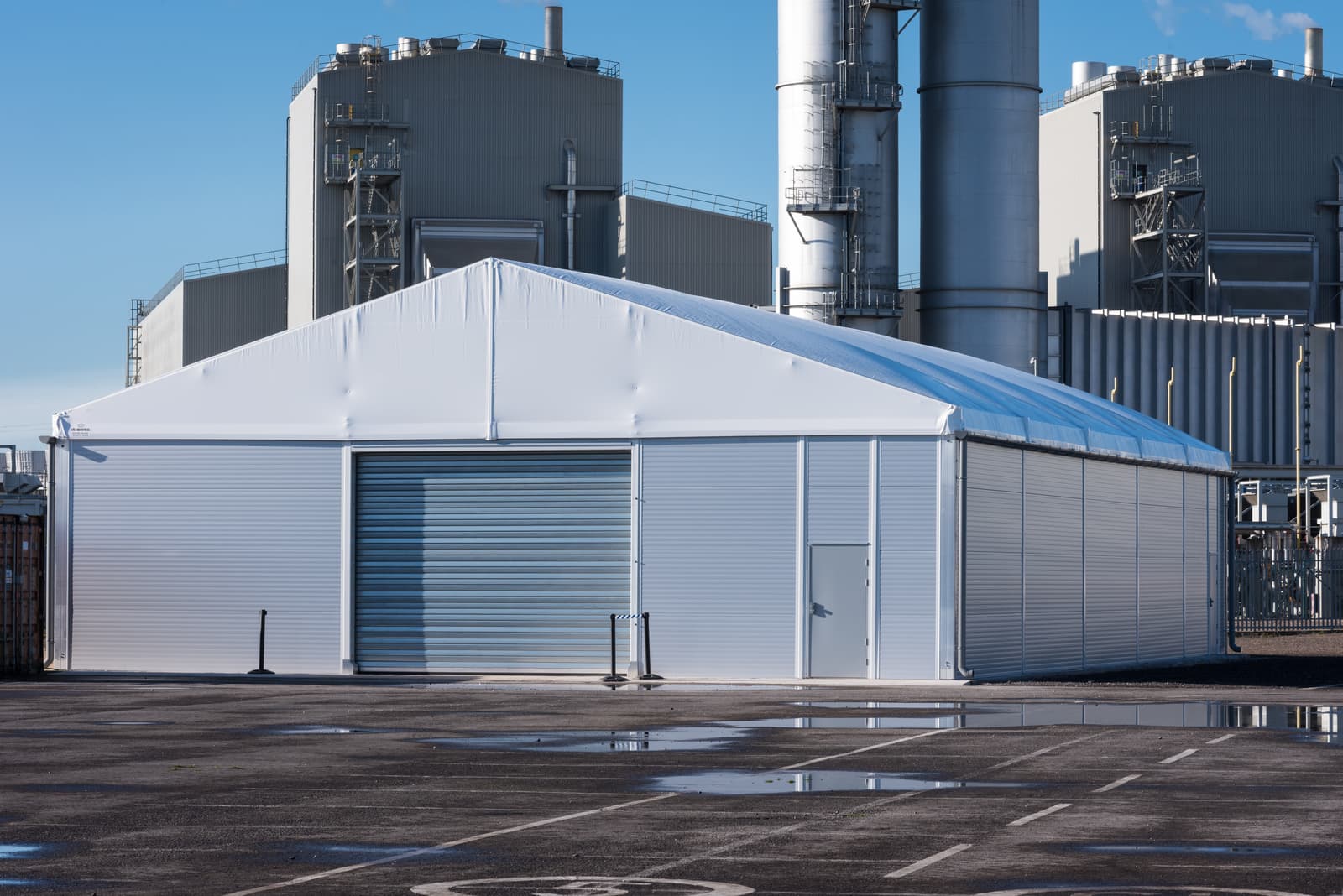
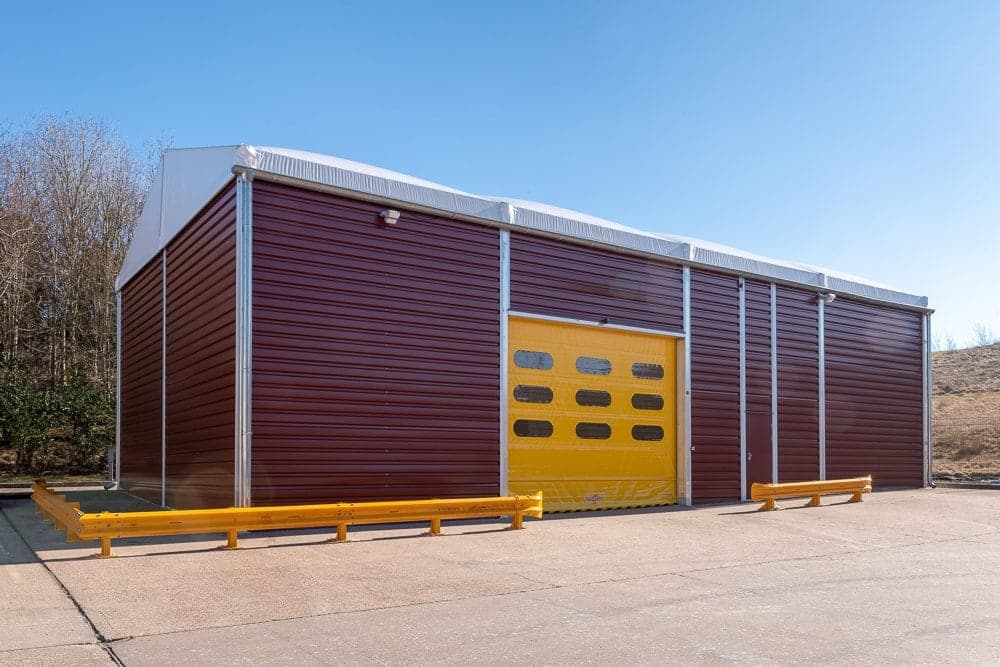
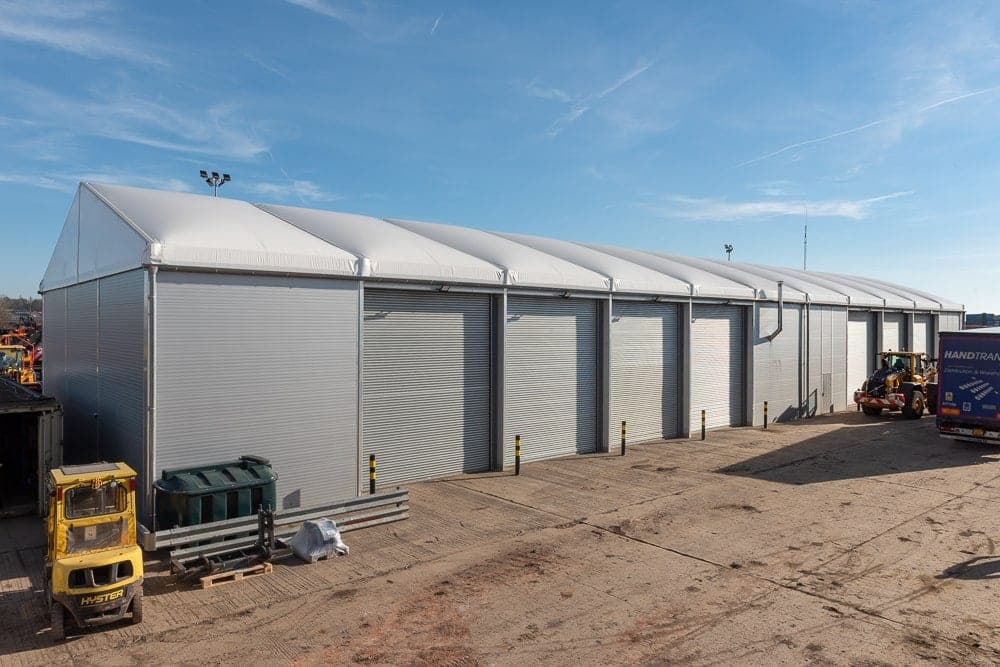
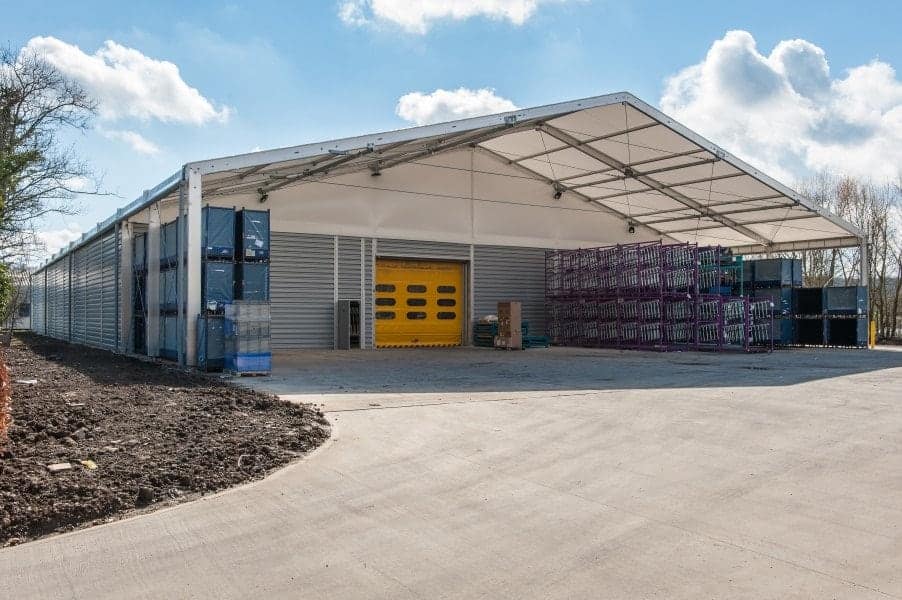
Temporary buildings offer a flexible solution – available for rent or purchase – and combine many of the advantages mentioned above with only a few disadvantages. Unlike a shipping container, temporary buildings offer various wall and roof coverings for insulation as well as possible colour customisation to match brand identity.
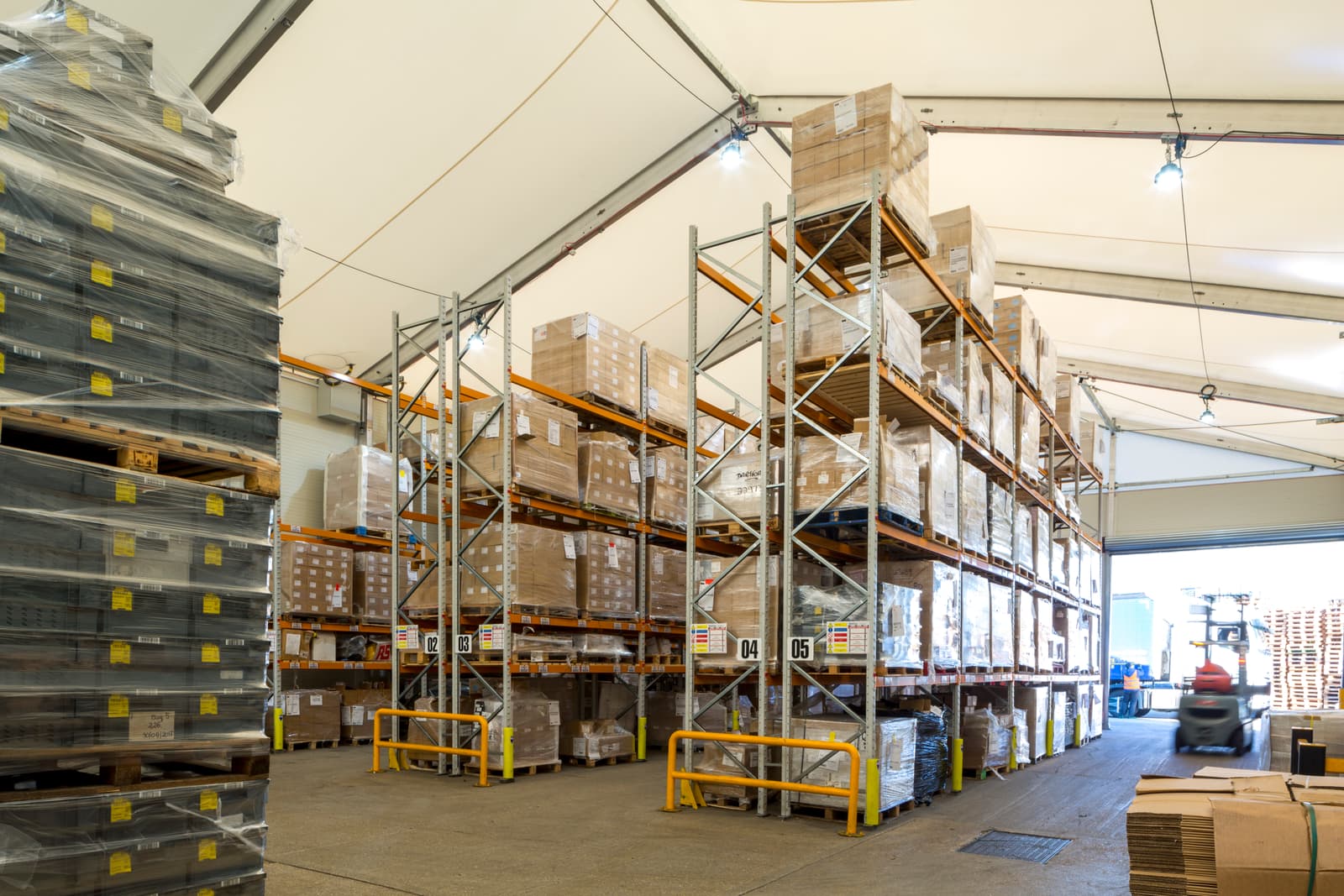
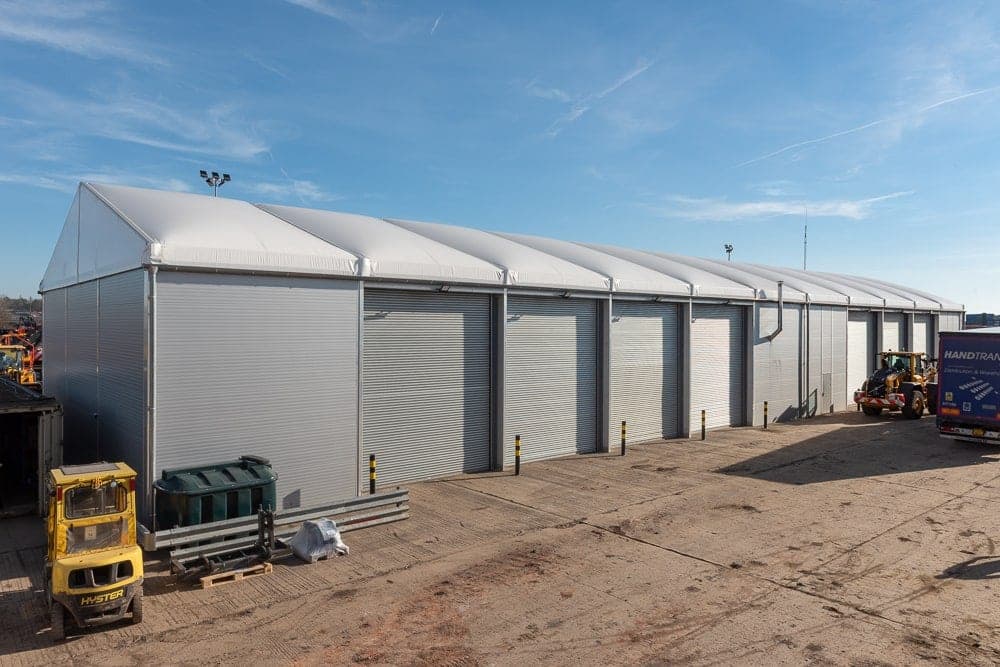
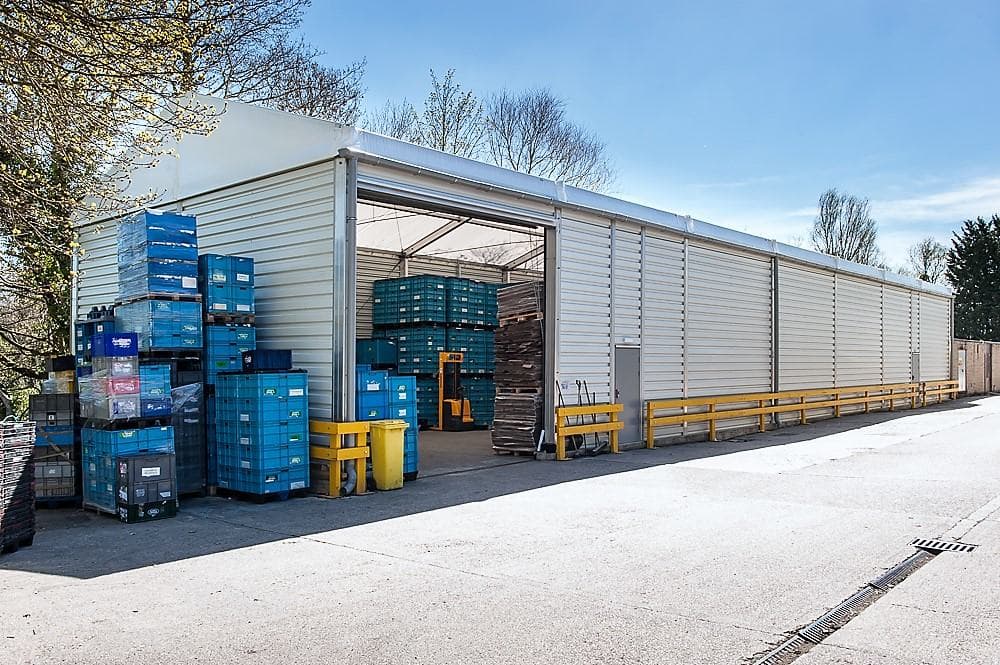
As the construction of temporary buildings does not require a foundation and assembly is very quick, these structures are rapidly ready for use. This is essential for the operations of many companies. Temporary buildings can also be much larger (customised according to space requirements) than shipping containers, with a width of up to 30 m and a side height of up to 6.20 m as standard. They can be extended indefinitely in length and connected with each other or with existing storage facilities.
Temporary buildings are subject to the same safety standards as rented warehouses and are therefore also suitable for long-term use. In addition, temporary buildings can serve as a practical interim solution on site, providing relocation and/or reorganisation plans with exactly the time needed to ensure smooth operational processes.
Advantages | Disadvantages |
|---|---|
quick installation | higher costs than simple containers |
no foundation required | |
large building sizes can be implemented | |
customisation options for branding and insulation | |
long-term usage options |
Temporary buildings from HTS-TENTIQ for expanding your storage capacity
HTS-TENTIQ offers state-of-the-art temporary buildings made from high-quality materials for the flexible and rapid expansion of storage capacity. These temporary buildings are ideal for a wide range of applications and can be used, among other things, as storage buildings, production buildings, vehicle buildings, workshops or sales buildings.
The exact type of construction can be selected to match individual customer requirements:
- Insulated buildings: Provide all-round temperature-protected storage or working environments. An insulated building does not offer automatic frost protection but, like any building, must be heated; however, it enables significantly more efficient heat retention.
- Uninsulated buildings: Provide weather protection and optional protection against condensation and theft. Suitable for temperature-insensitive goods.
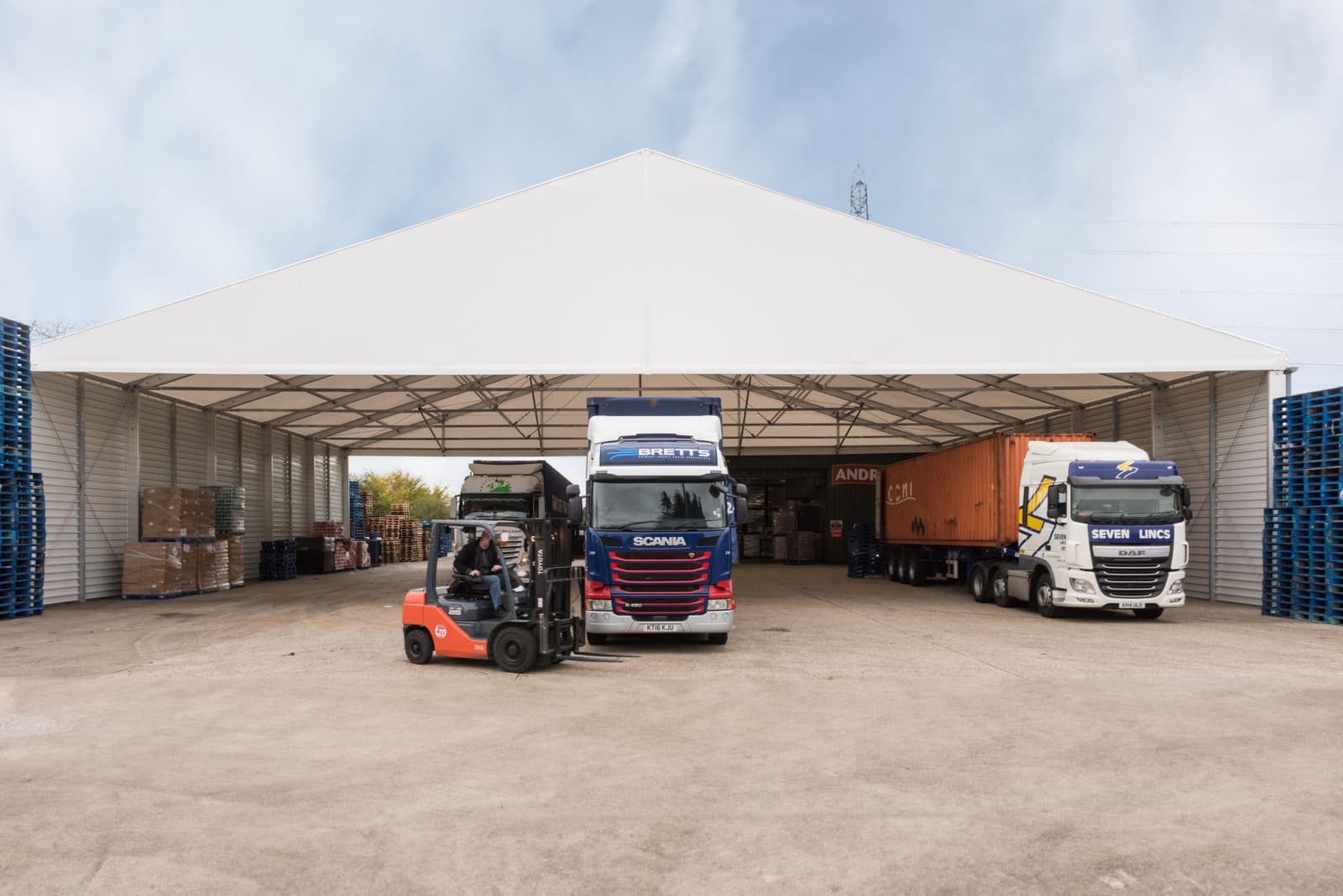
- Canopies: Offer optimal protection against sunlight, snow, rain and hail. Ideal for covering loading zones or storage areas.
- Custom-made premium buildings: A wide range of combination and application options tailored to the specific needs of the company.
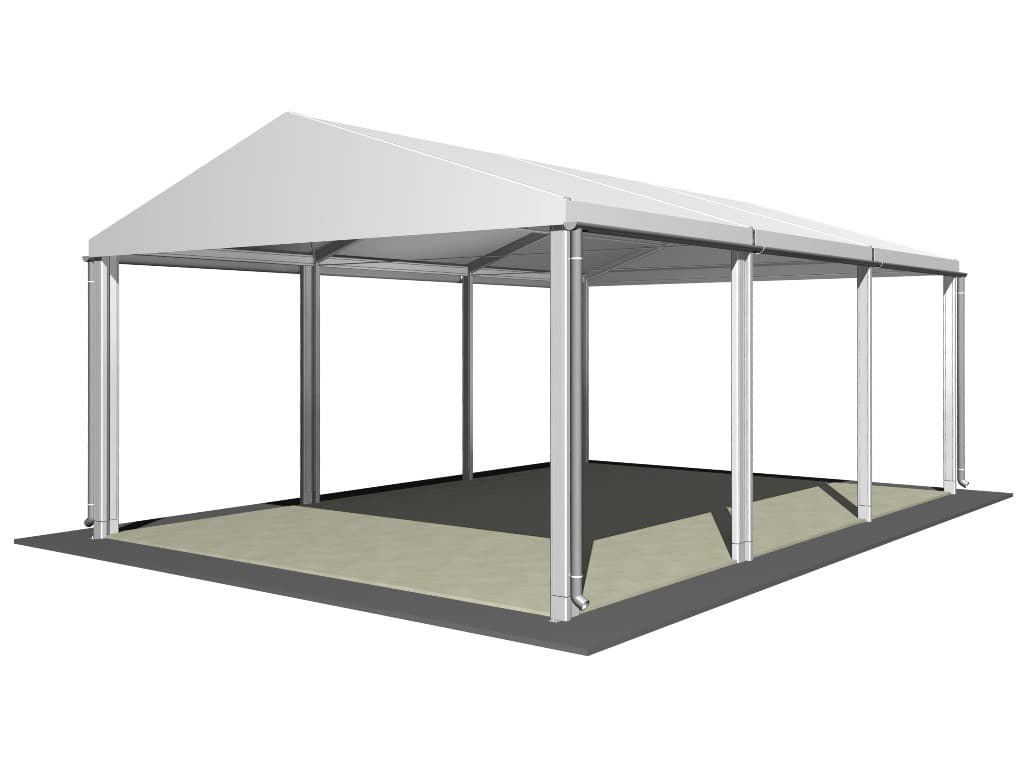
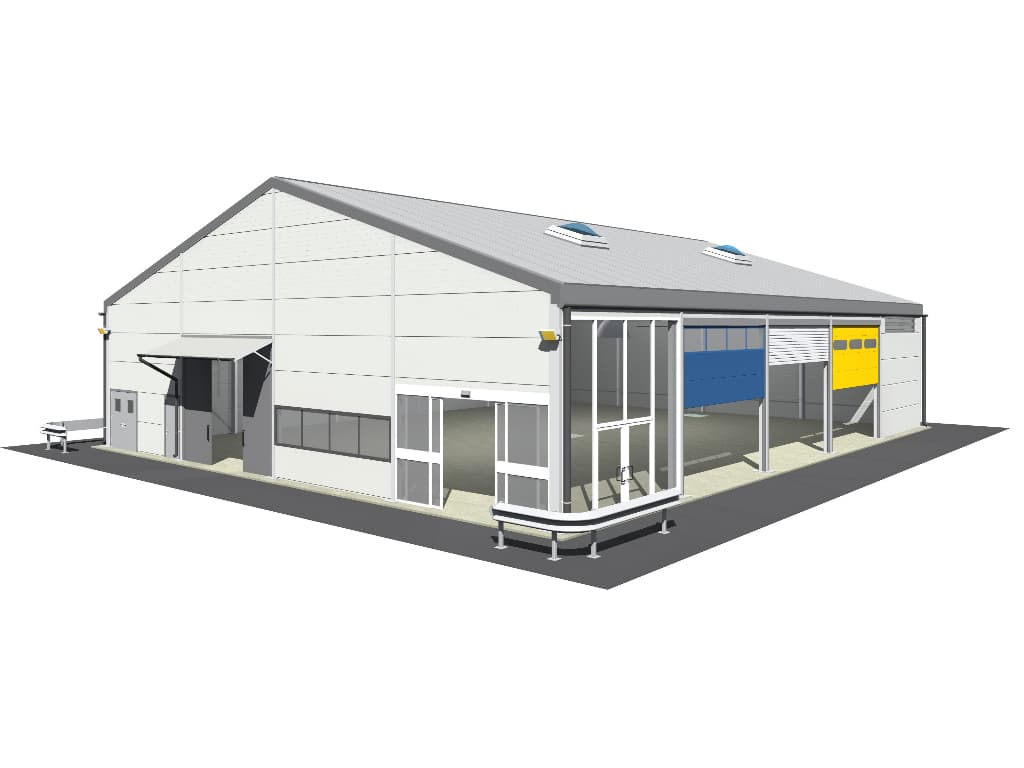
Many companies rely on temporary buildings for their storage requirements. The reasons for this are varied:
- Accessories and equipment: A comprehensive range of accessories and equipment options makes it possible to adapt each of our temporary buildings precisely to customer requirements and usage concepts.
- Customised constructions: Bespoke buildings tailored exactly to the company’s needs.
- Stability due to high-quality materials: Stable, high-quality aluminium lightweight constructions that are suitable for long-term use.
- Flexibility: Quick installation and dismantling.
- Adaptability and versatility: Temporary buildings from HTS-TENTIQ can be expanded or reduced at any time, including after installation, and used for a wide range of applications.
- Relocation: The lightweight construction allows easy dismantling and reassembly at a different location.
- Short- and long-term use: Suitable for both temporary and permanent space solutions.
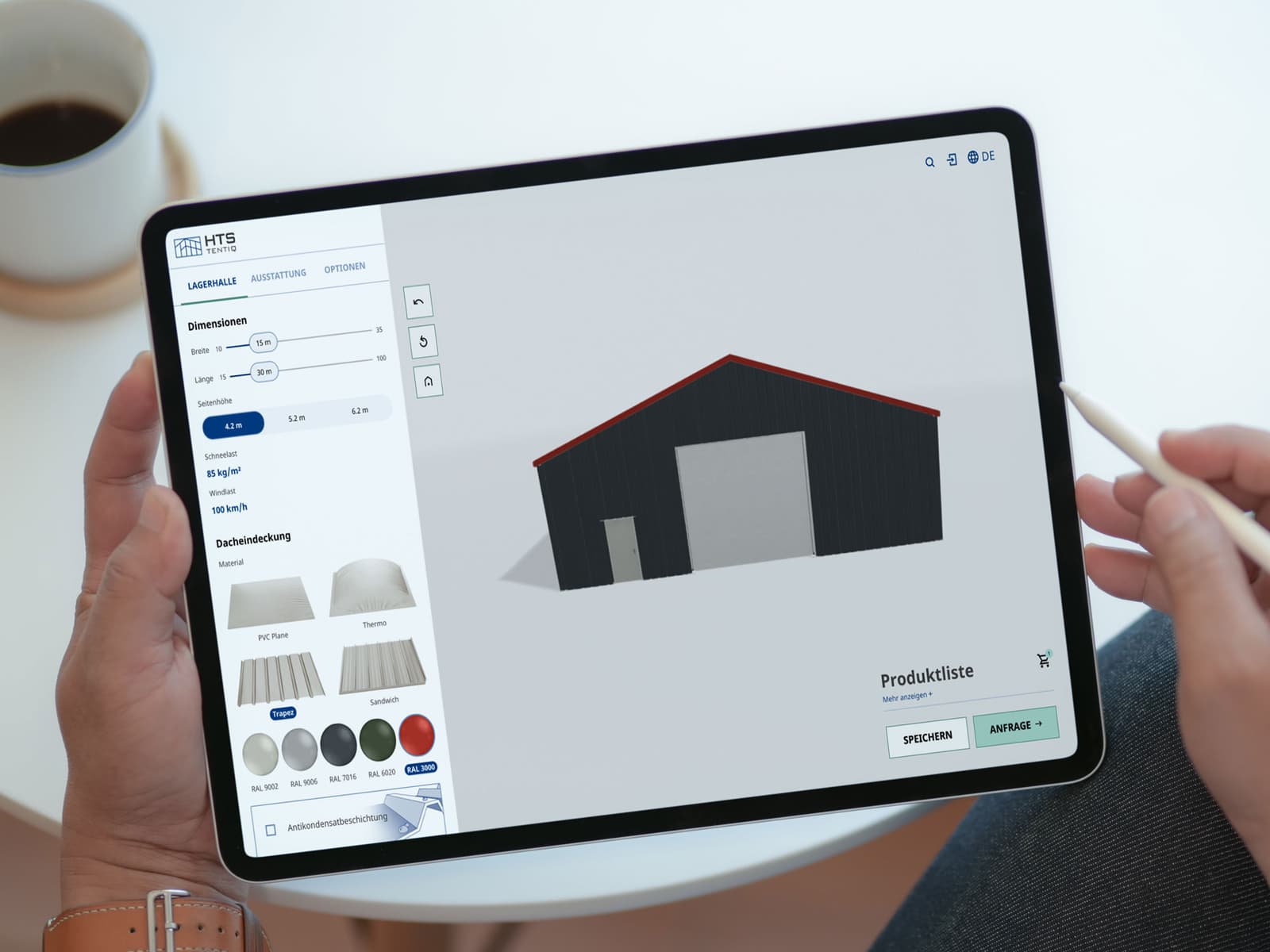
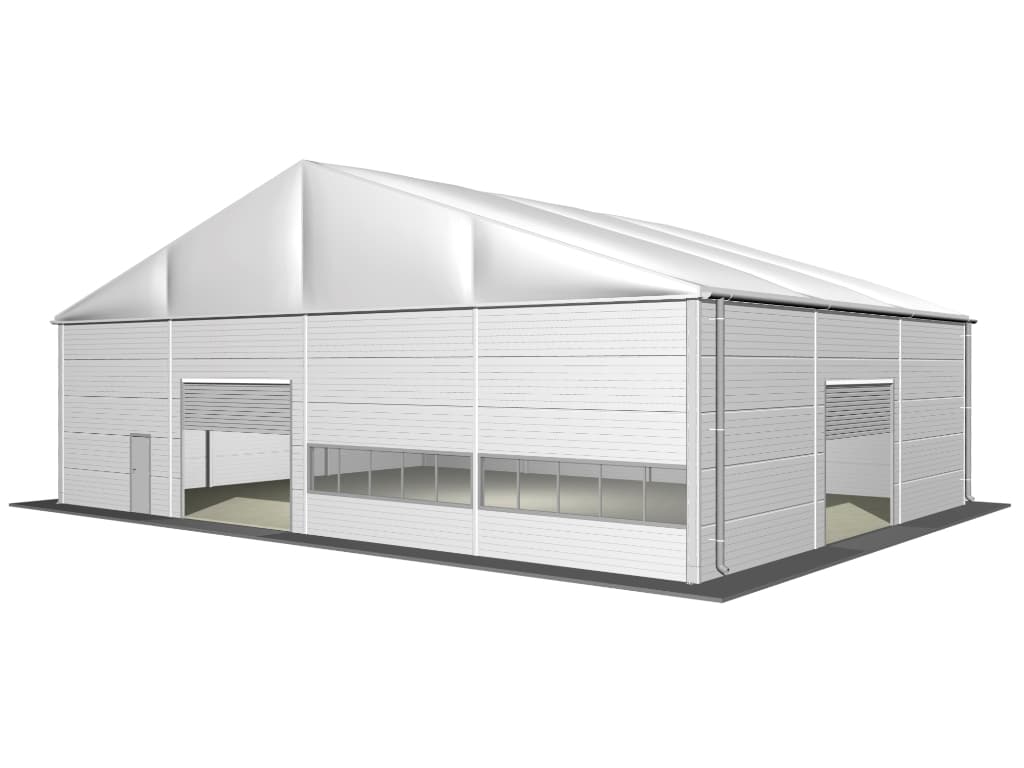
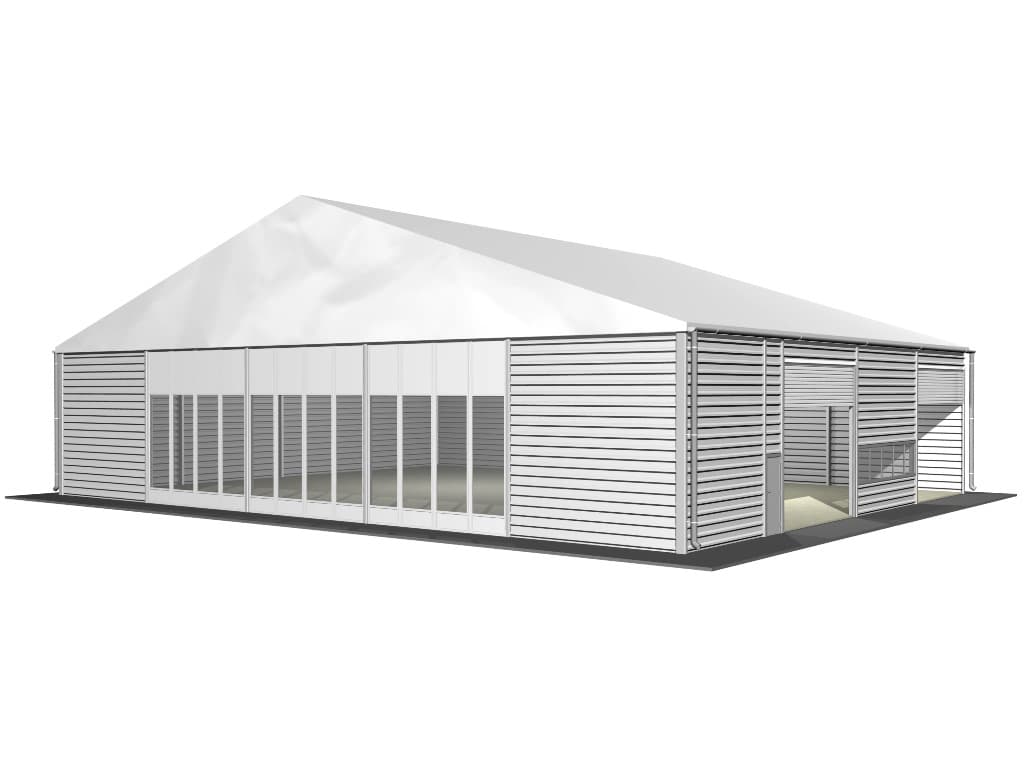
You can even design your own customised temporary building online. This is easy to do with our free 3D building configurator. Depending on your individual space requirements, you can enter the desired dimensions. You can also choose the side cladding and roof shape, and equip your temporary building with windows, doors and gates. If your requirements differ from our modular dimensions or designs, please let us know in the comments. We will be happy to prepare a customised quotation for you.
Conclusion: Temporary buildings as the perfect solution for additional storage requirements
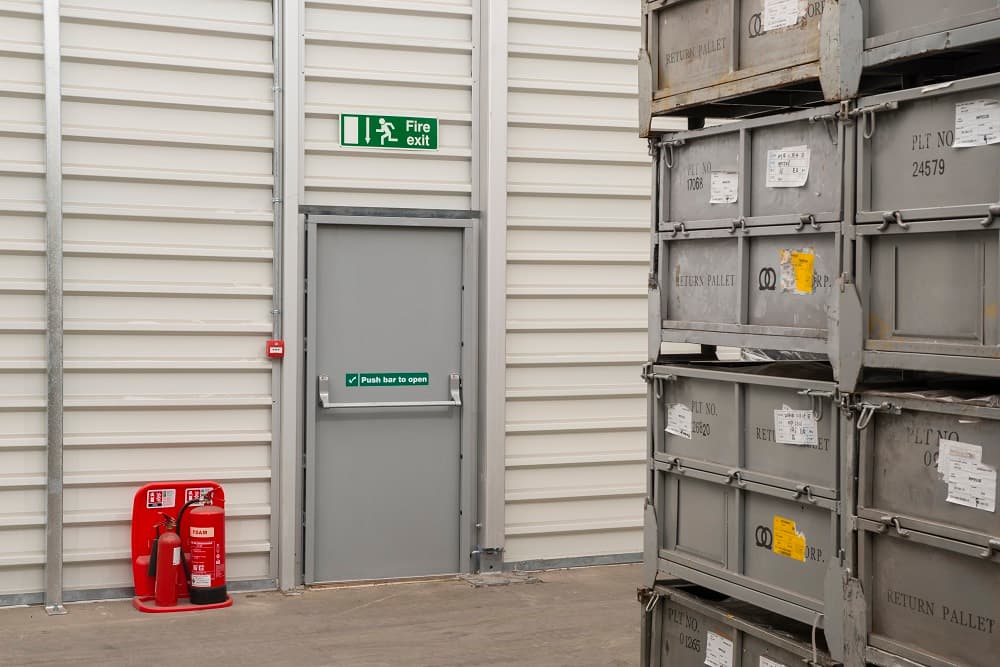
Temporary buildings are the ideal solution when additional storage requirements arise. These mobile constructions offer flexible usage options, quick assembly, and can also be dismantled and reassembled at another location as required. Additional accessories such as gates and doors provide ideal adaptability to the existing operational concept.
Thanks to their robust construction and weather resistance, they are suitable for both temporary and long-term use, without incurring the construction costs of a permanent building.