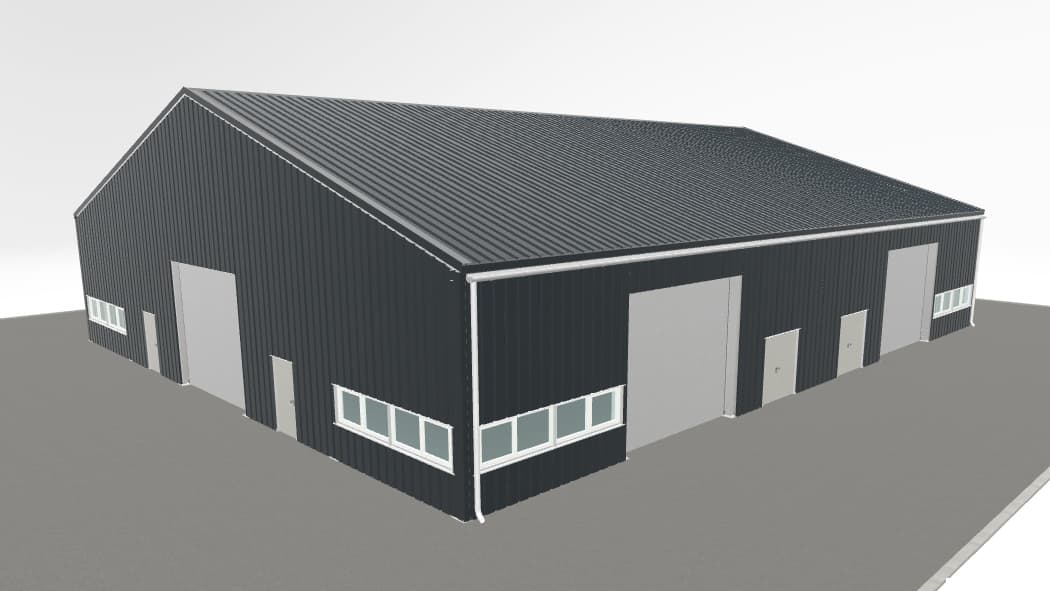
Are rapid-build buildings immediately available?
In connection with temporary buildings, terms such as “rapid-build buildings” or “immediately available” are often used. The term “immediately” would probably be somewhat exaggerated – one blink and a car park becomes a warehouse building! It is not quite that simple after all.
However, when comparing the delivery and construction time of a temporary building with a conventional structure, the term “rapid-build building” is quite appropriate – because if one is able to provide the necessary space for a company’s growth and expansion within just a few weeks instead of 12 months or even longer, this will be reflected in the accounts in the relatively short term.
How long does it really take to acquire a fully operational rapid-build building? Does the fast processing really contribute to generating immediate economic advantages?
Fast functionality, flexible advantages
Mobile buildings have many advantages, however the fast processing is probably one of the most important. Meanwhile everyone has to struggle with delivery delays due to material shortages, but nevertheless a temporary building is much faster ready for use than a permanent building.
Important factors for the rapid availability of these industrial buildings are:
- Normally no foundations are required, and the buildings are anchored to the existing ground.
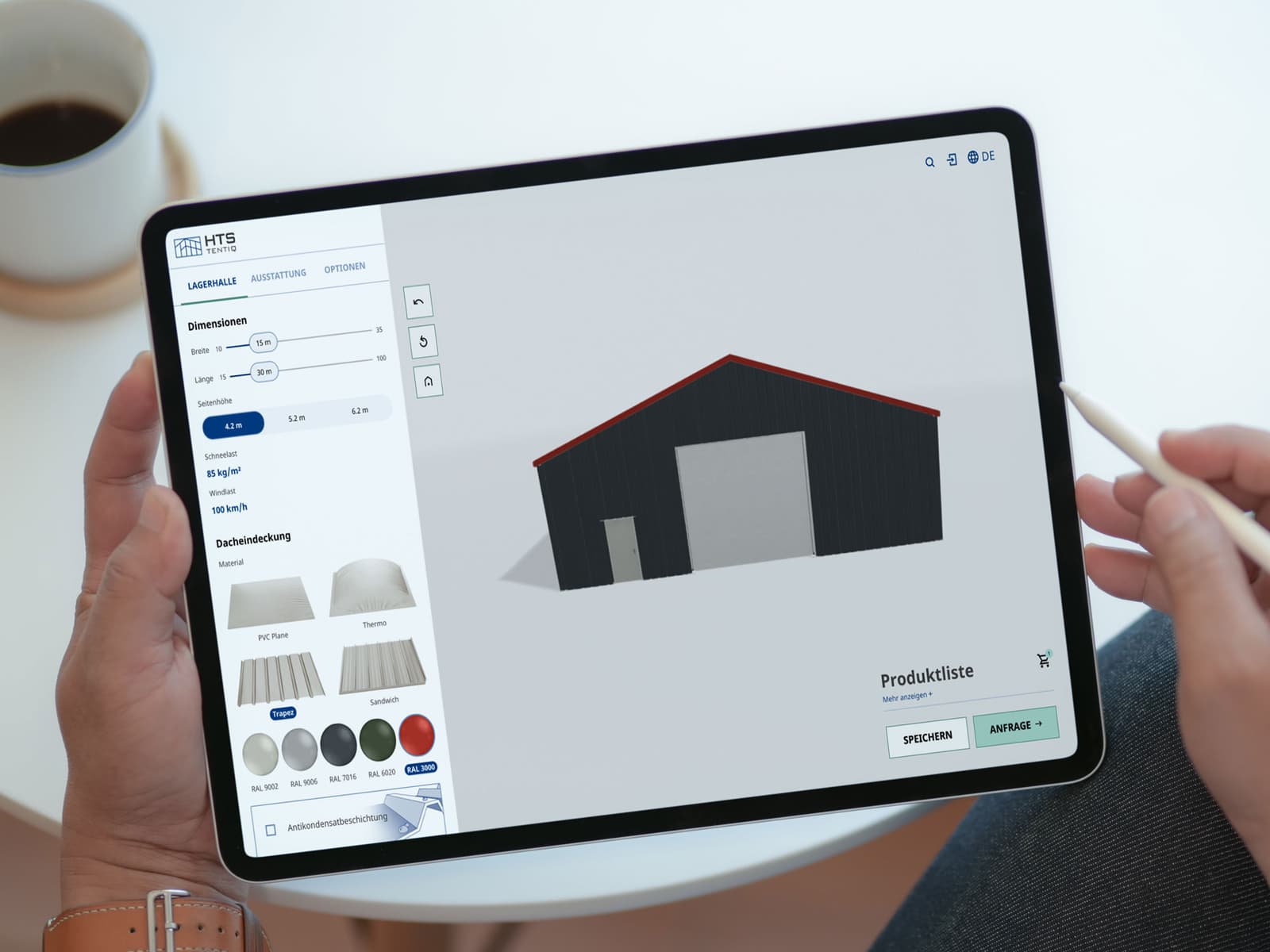
- The buildings have a simple, modular design. No work is required for architectural design.
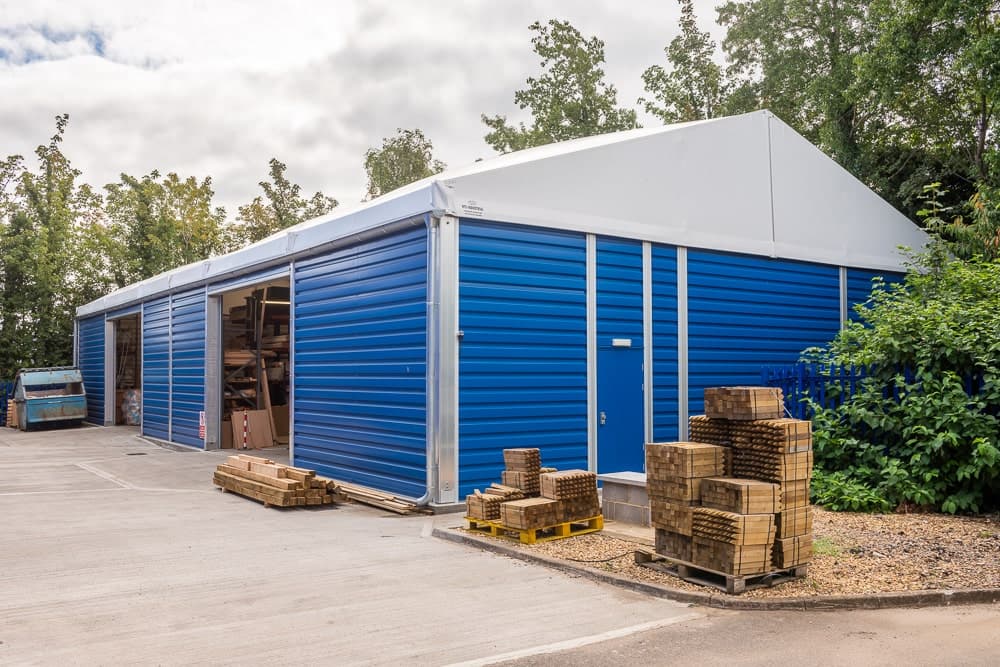
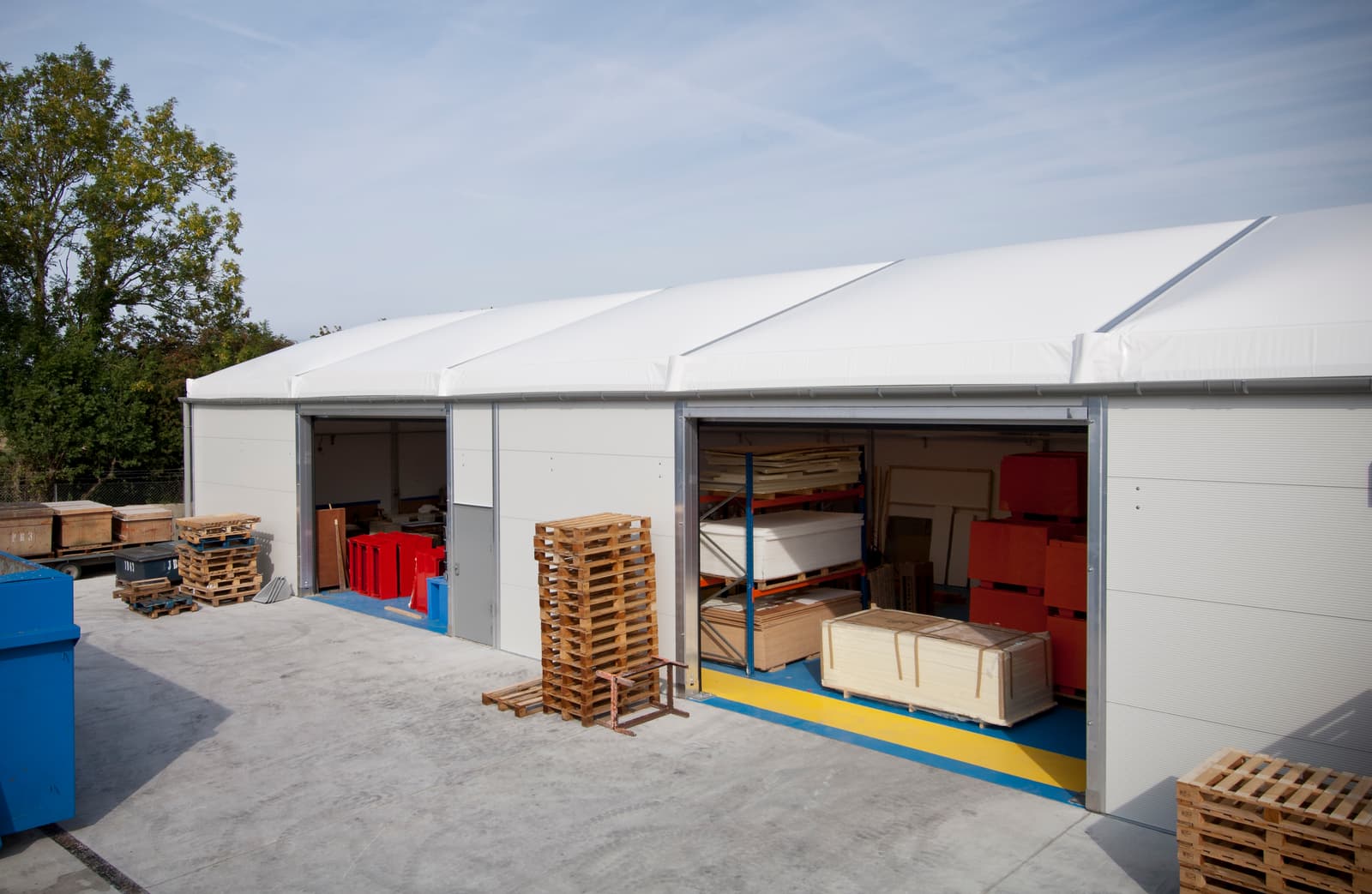
- Temporary buildings have a lightweight aluminium frame. This is quick and easy to handle, transport, and assemble.
- The selection of roof and wall cladding, access options, and additional elements is simple and straightforward, but extremely robust, versatile, and functional.
All the advantages mentioned above transform the “rapid-build” benefit into flexible advantages once the building becomes part of your business: what is decisive is the lightweight aluminium structure, through which the building can be easily dismantled and removed. This makes rental agreements and flexible financing options possible.
There are also significant cost advantages: acquisition costs are reduced by around 75% compared with a conventional construction, and long-term capital commitment is practically non-existent.
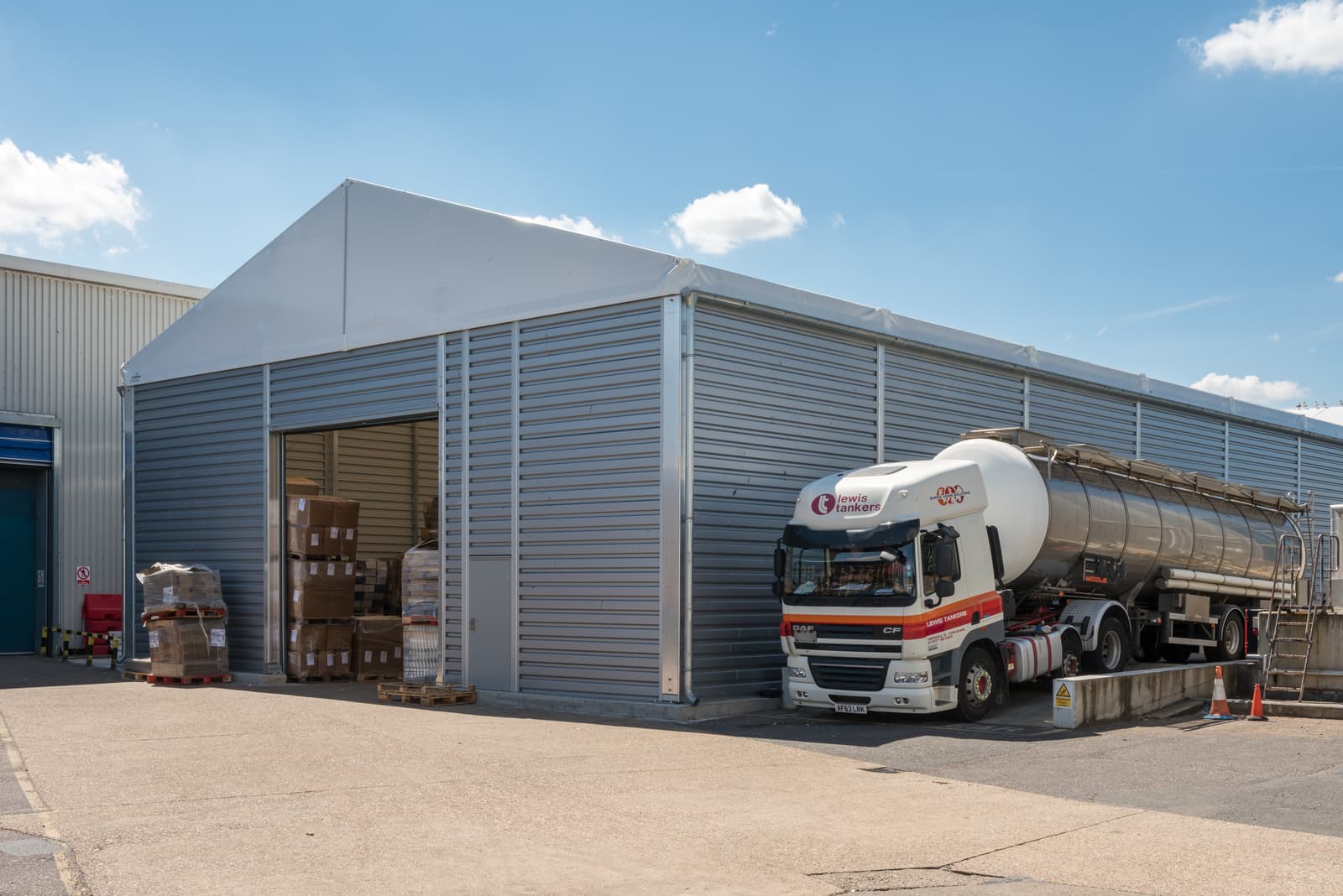
Of course, one can also obtain “immediately available” space through the traditional leasing of external industrial buildings. However, the ability to keep storage and operations entirely under one roof helps to improve the efficiency of operational processes, inventory traceability, delivery times, and customer loyalty, ultimately generating sustainable growth.
In what situations do companies require short-term available space?
Companies often require immediately available space for the following reasons:
- Modernisation projects
- Seasonal demand
- Fire damage
- Necessary consolidation of external warehouses under one roof
- Weather protection
- Temporary storage prior to a site relocation
… and many more. The ability to quickly obtain additional covered space instead of having to wait is readily welcomed by most companies – in order to stay one step ahead of the competition and to meet constantly changing customer needs.
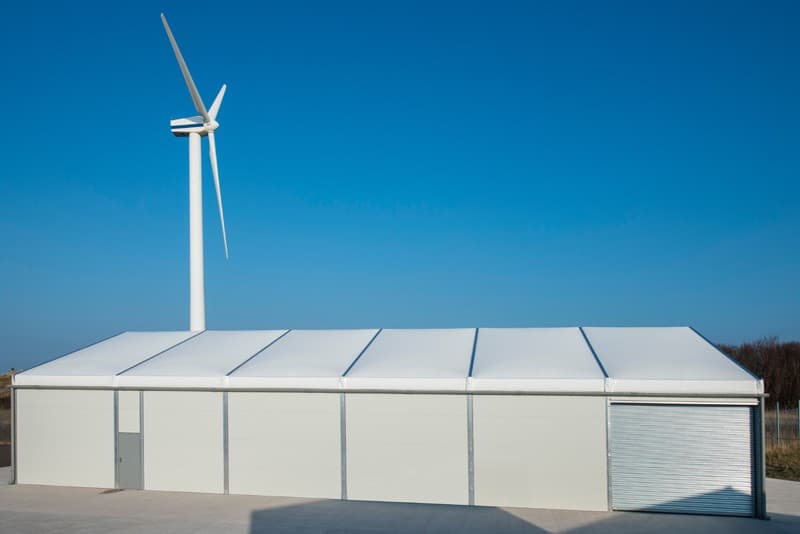
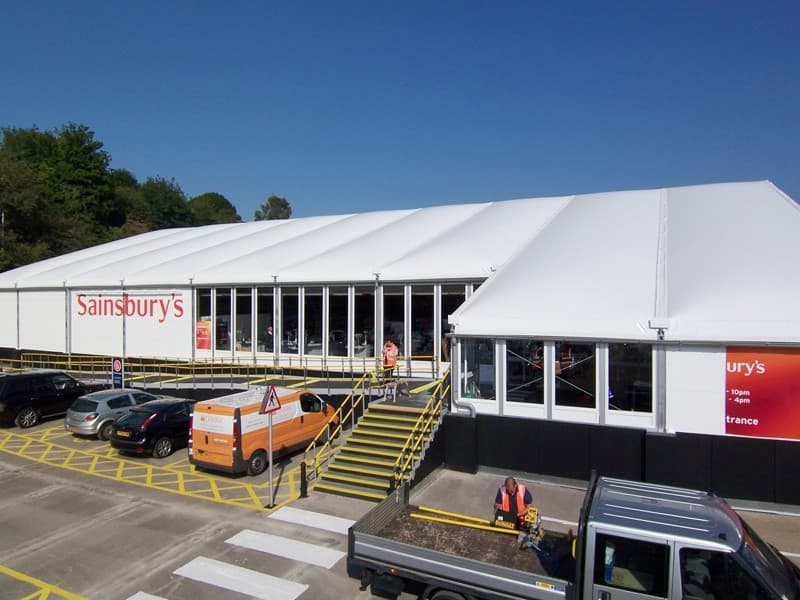
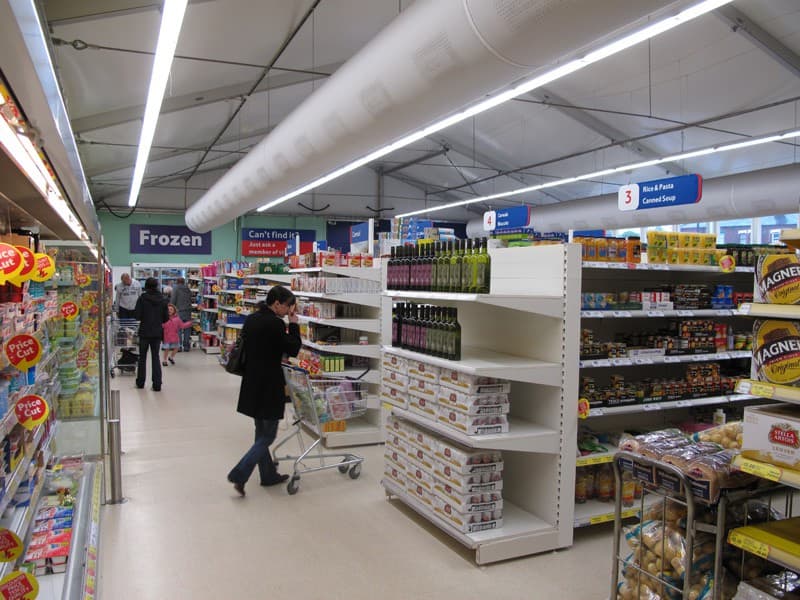
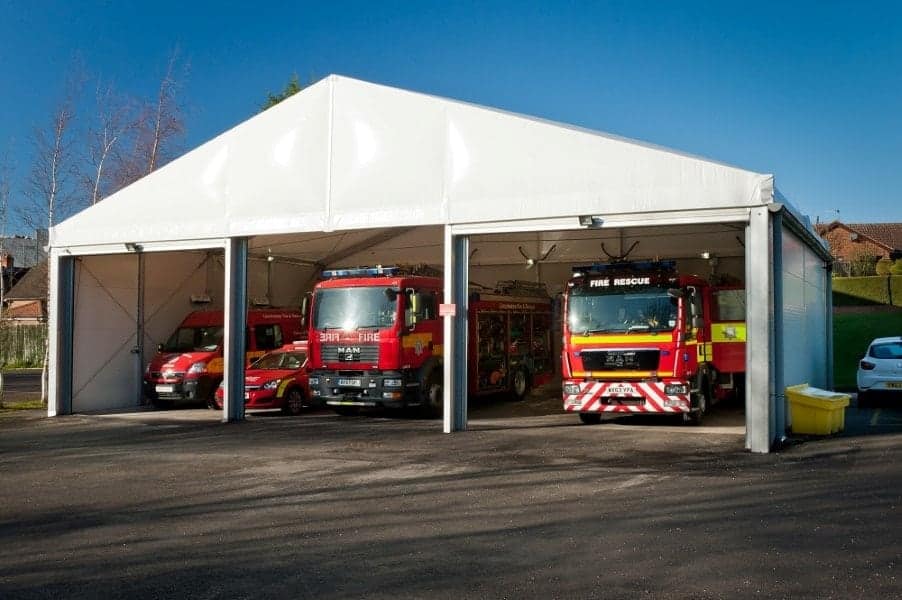
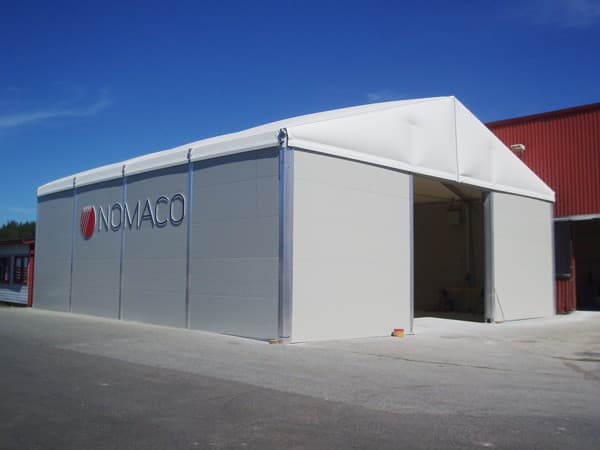
Rapid-build buildings earn their name
Of course, it is somewhat of an exaggeration to speak of “immediately available”. However, when one is talking about something that, from today’s perspective, takes between two and six years (if you are really unlucky!), then the possibility of obtaining a new 1,000-square-metre warehouse building within just a few months is indeed “rapid-build”. Companies that have no experience with temporary buildings quite rightly ask whether the “rapid” construction has any impact on quality and durability.
Interestingly, this is not the case! Reputable manufacturers of temporary buildings design their products so that, in terms of structural stability, they comply with local building regulations. In simple terms, this means they withstand the maximum snow and wind loads required at the site. In practice, many manufacturers do not construct the buildings uniformly nationwide, but instead adapt them to specific site and environmental requirements, thereby making the buildings even more stable.
So, “immediately available” is not meant entirely literally, but compared with conventional buildings, “rapid-build building” is certainly accurate, and in terms of economic advantages: definitely!
Find out more about rapidly available temporary buildings.