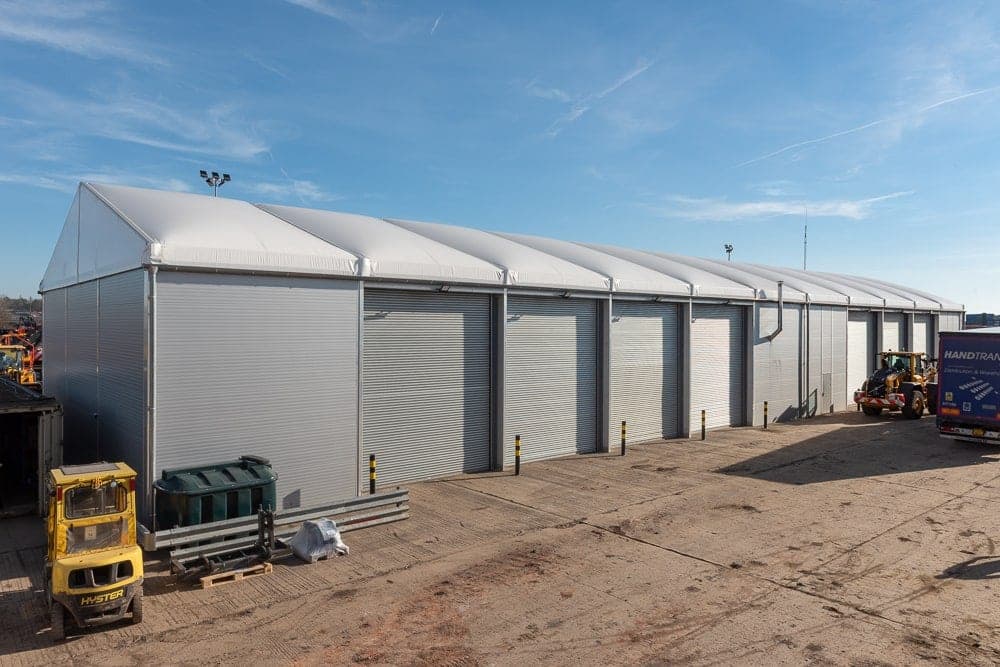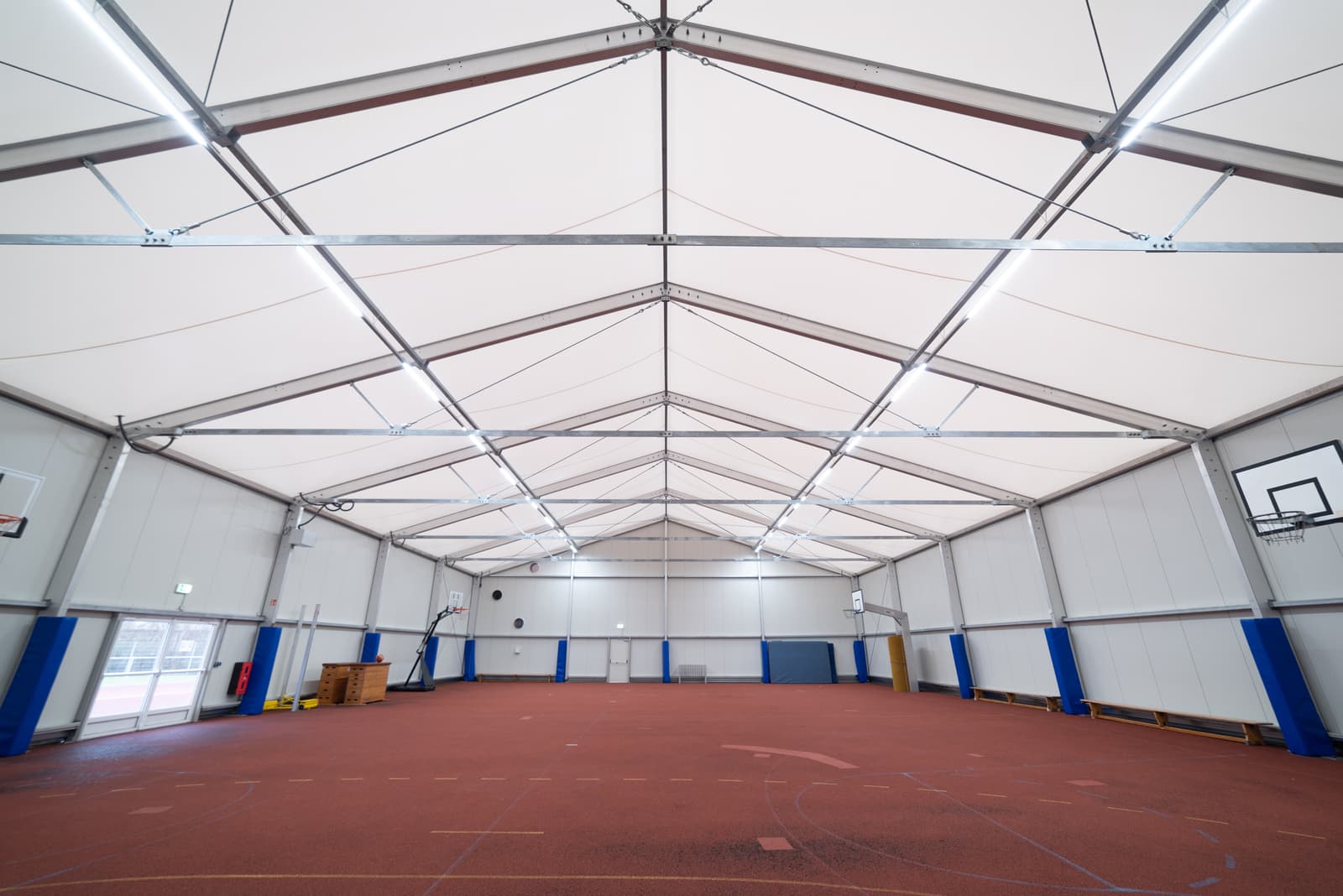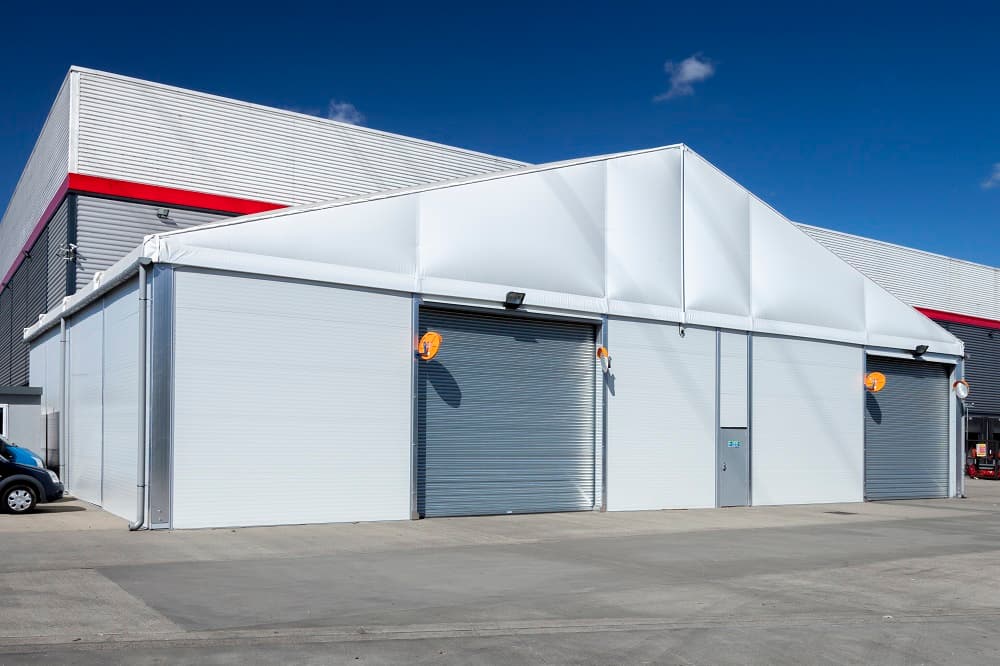
Buying or renting industrial buildings: all advantages and disadvantages as a decision-making aid
Companies that wish to use temporary buildings often initially consider the option of renting when it comes to financing. However, even for limited-term use, purchasing may be more economically sensible. Buying offers great flexibility and many future options.
Alongside renting and purchasing, hire purchase of industrial buildings is also increasingly becoming established. We have examined the various advantages and disadvantages of these three financing options in more detail for you.
Advantages and disadvantages at a glance: rent, lease or buy an industrial building?
Purchase | Rental | Leasing | |
|---|---|---|---|
Advantages | + Increase in company value + many possible applications in the business environment + source of income through renting out or selling + easily reassembled at another location | + Easily predictable and consistent monthly instalment + maximum flexibility in the event of fluctuating storage requirements | + consistent leasing rate + option to purchase at the end of the leasing term + off-balance-sheet treatment leads to no change in the equity ratio |
Disadvantages | – high acquisition costs, reduce equity or require loan financing – maintenance and upkeep are the responsibility of the owner | – the industrial building is not owned by the company – rent increases are possible – cost-intensive for long-term use – some providers use components of varying age which may not be compatible | – the temporary building remains the property of the leasing company – damage to the industrial building may, depending on the leasing agreement, result in an additional payment |
Buy an industrial building: long-term investments for the future
When purchasing an industrial building, you immediately become the owner of the temporary building; any changes can be made without consultation. We show you the advantages this type of financing brings and also examine the disadvantages in more detail:
Advantages of buying industrial buildings
Buying an industrial building is more cost-effective than renting in the case of long-term use and increases the company’s value as part of its business assets. In addition, purchasing opens up many further entrepreneurial opportunities and sources of income.
Some companies initially opt to rent a temporary building and, during its use, discover the many advantages and future utilisation possibilities of the temporary building. Particularly for companies with multiple locations, the application possibilities of a system building are very diverse. Once the building has fulfilled its purpose at one location, it can be dismantled and reassembled at another site. However, young or small companies can also rent out the available storage space after using the system building themselves.
Purchasing therefore does not mean being fully tied to the building. If circumstances within your company change, temporary buildings can be easily dismantled due to their demountable nature and then sold on. This generates additional capital for your company. Thanks to the straightforward dismantling of system buildings, even a change of location is not a problem.
Due to their modular lightweight construction, the system building can be adapted at any time, allowing you to respond quickly and cost-effectively to space requirements. At HTS TENTIQ, we think beyond your current needs and consider the entire project in the short, medium and long term.
In addition, purchasing a temporary building is significantly cheaper than constructing a building in solid construction. Despite the higher initial investment compared to renting, a system building provides you with a highly robust structure. It is quickly ready for use, flexible in adaptation, and designed for a service life of several decades.
Disadvantages of buying industrial buildings
The purchase of an industrial building involves a high initial investment. If sufficient equity capital is not available, the company must factor in high financing costs. This can represent a major hurdle, particularly for young or small companies.
Even though system buildings are largely maintenance-free, when purchasing a temporary building the maintenance and upkeep are the responsibility of the respective company. When renting, manufacturers or landlords can be commissioned with these tasks.
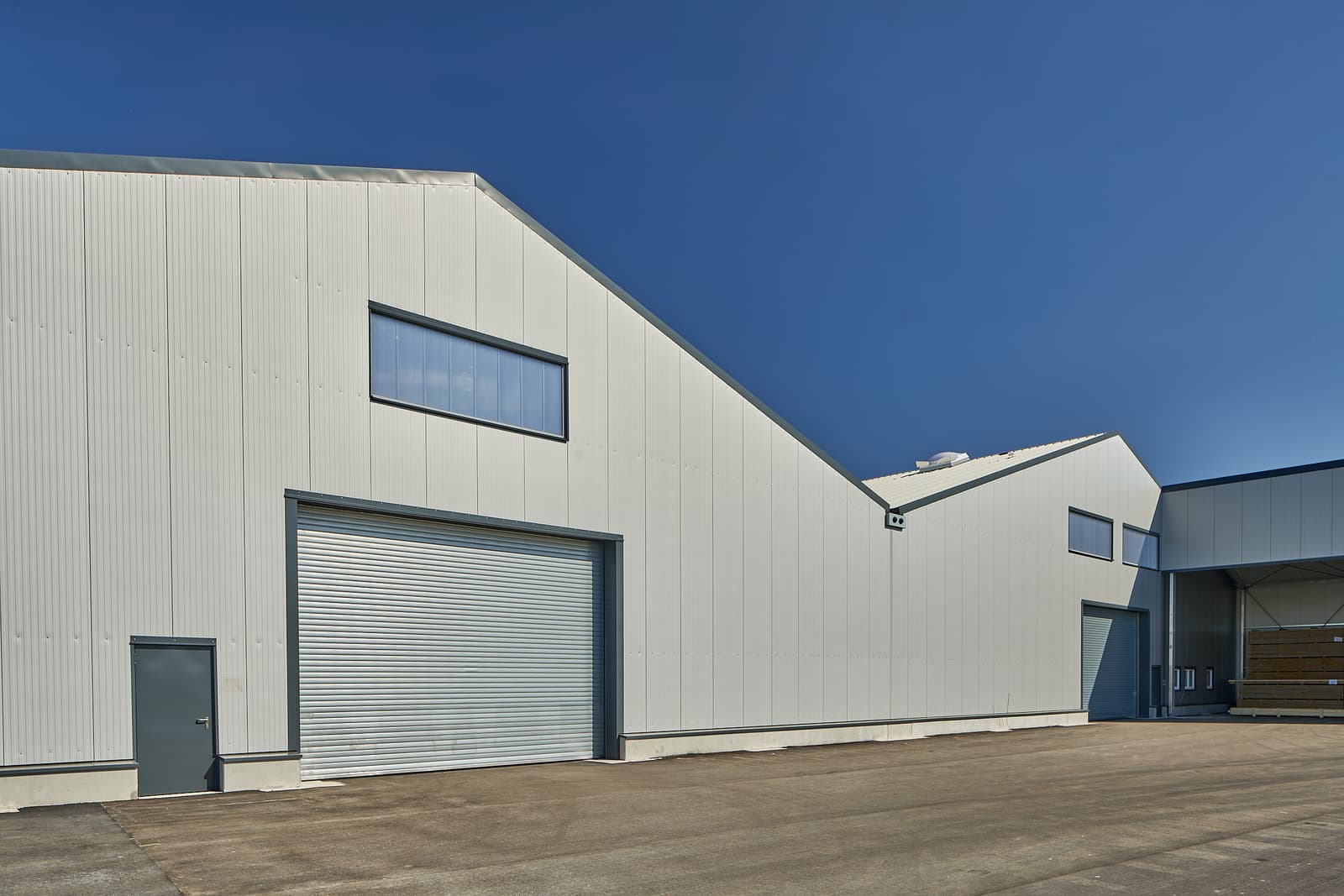
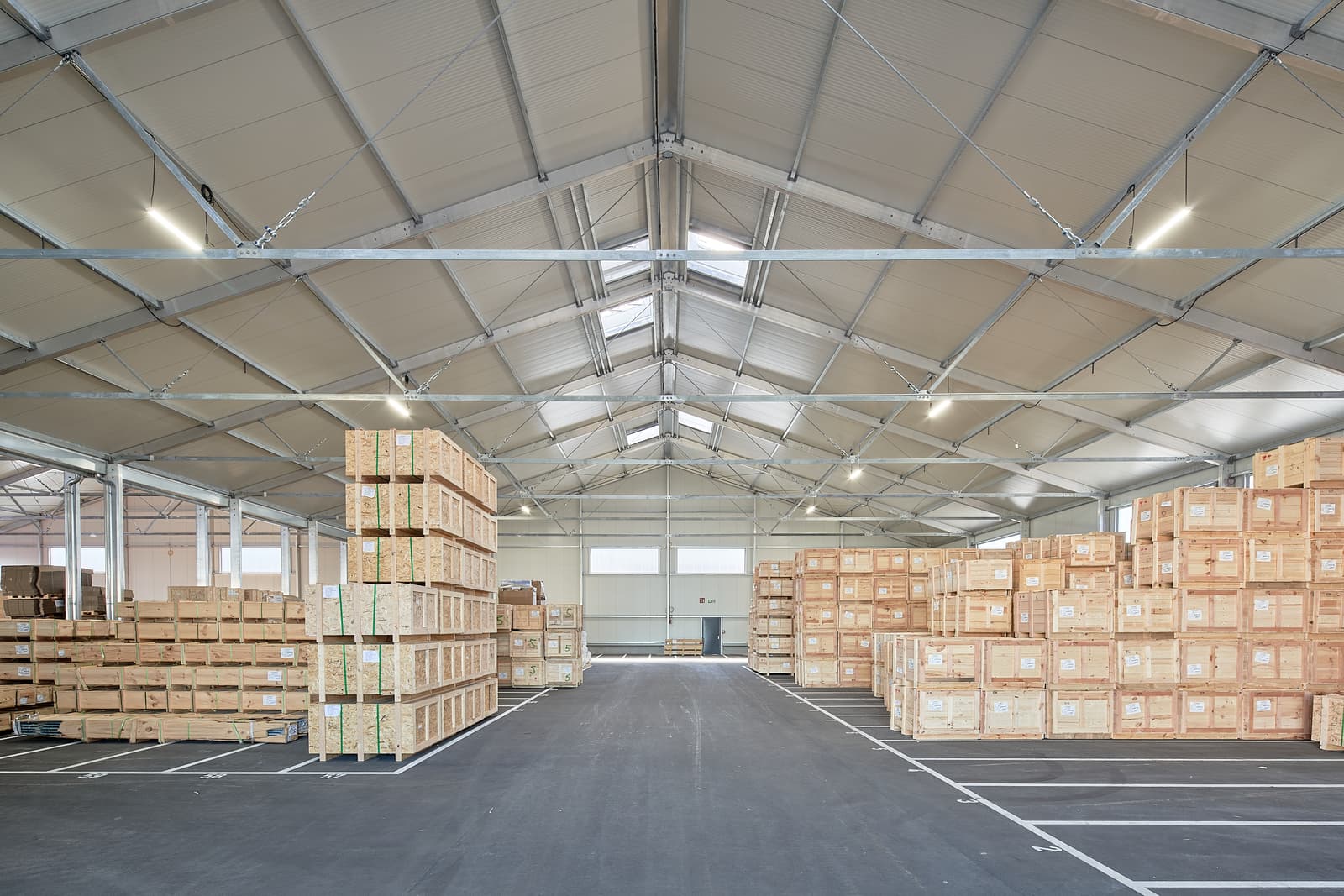
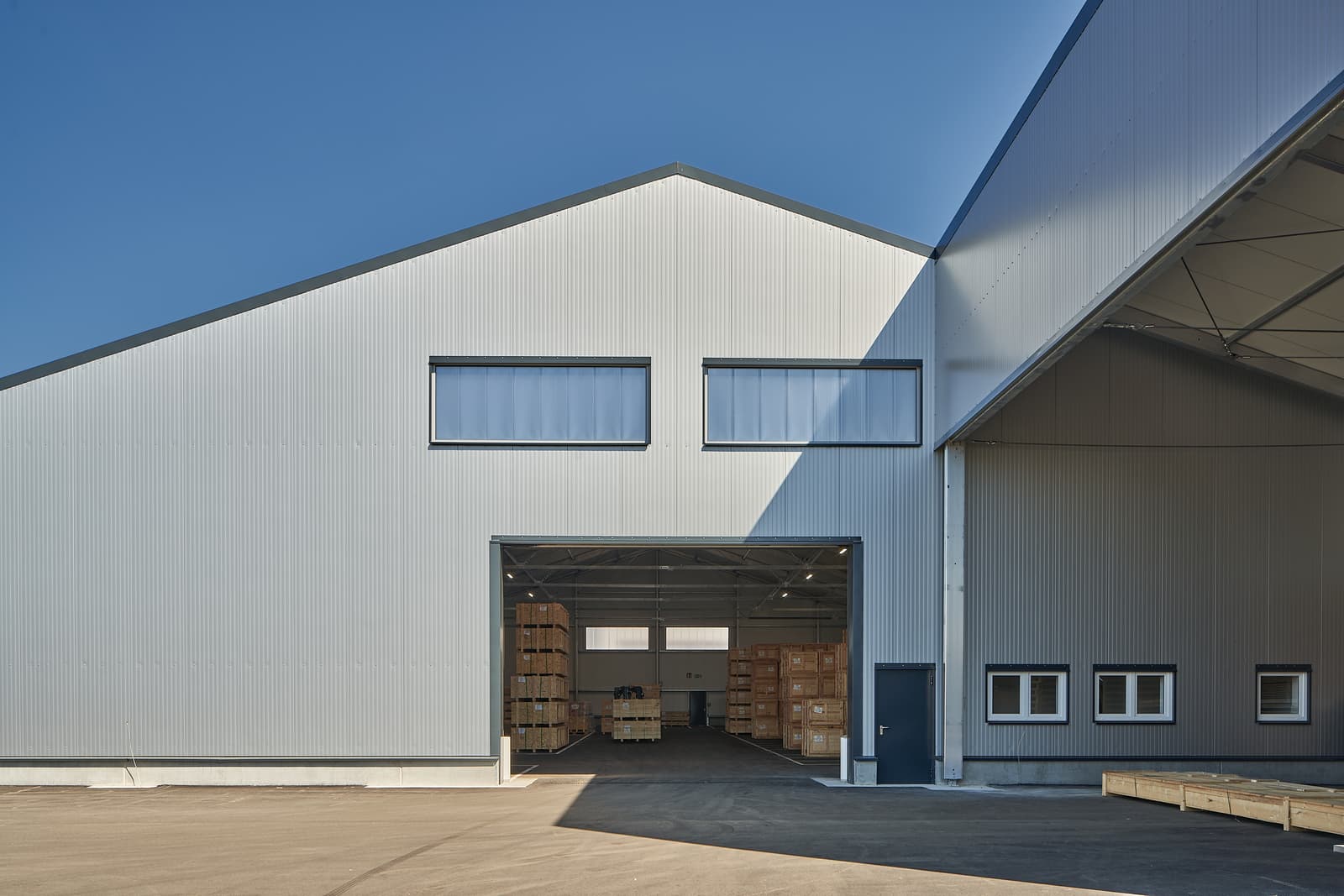
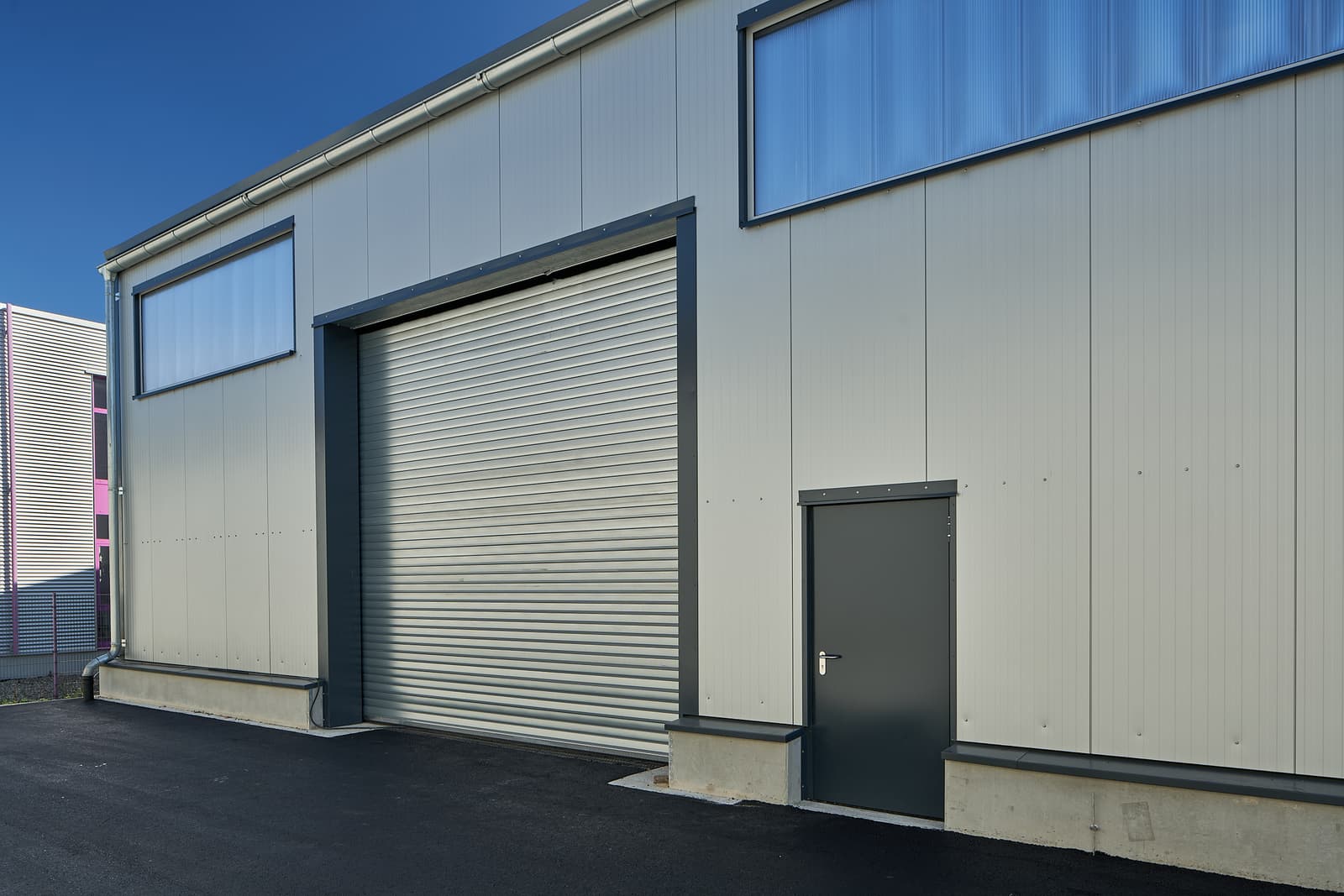
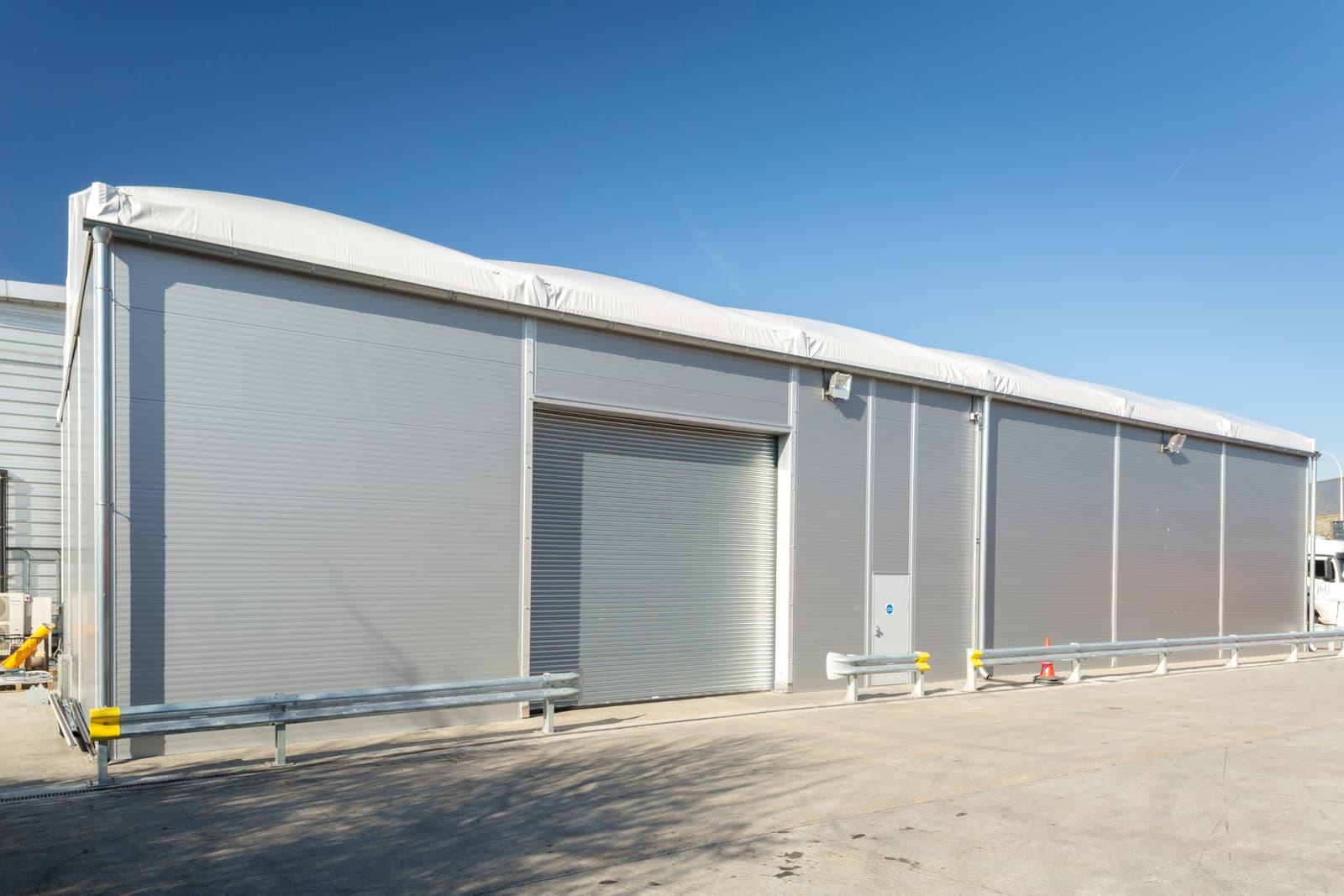
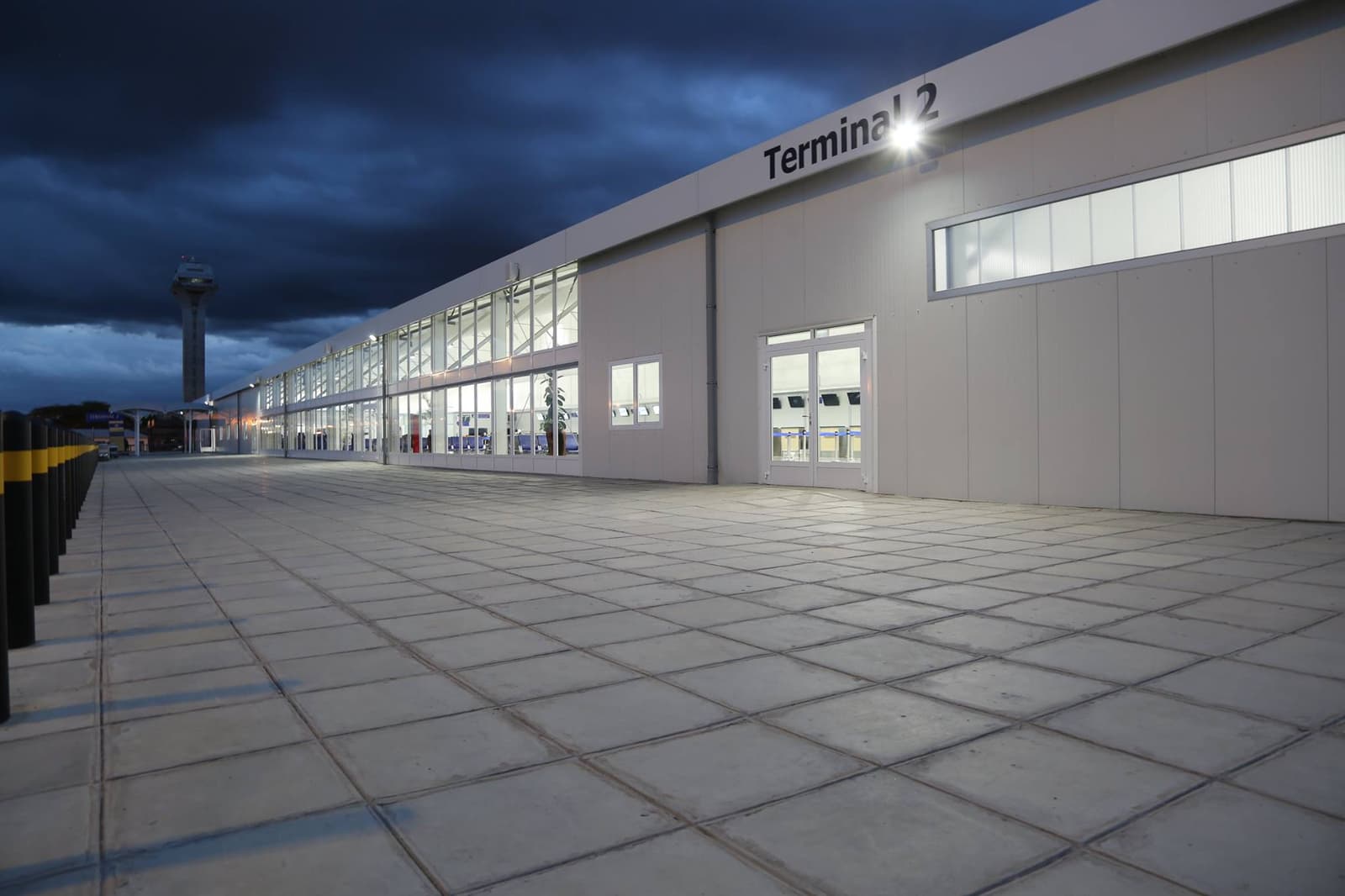
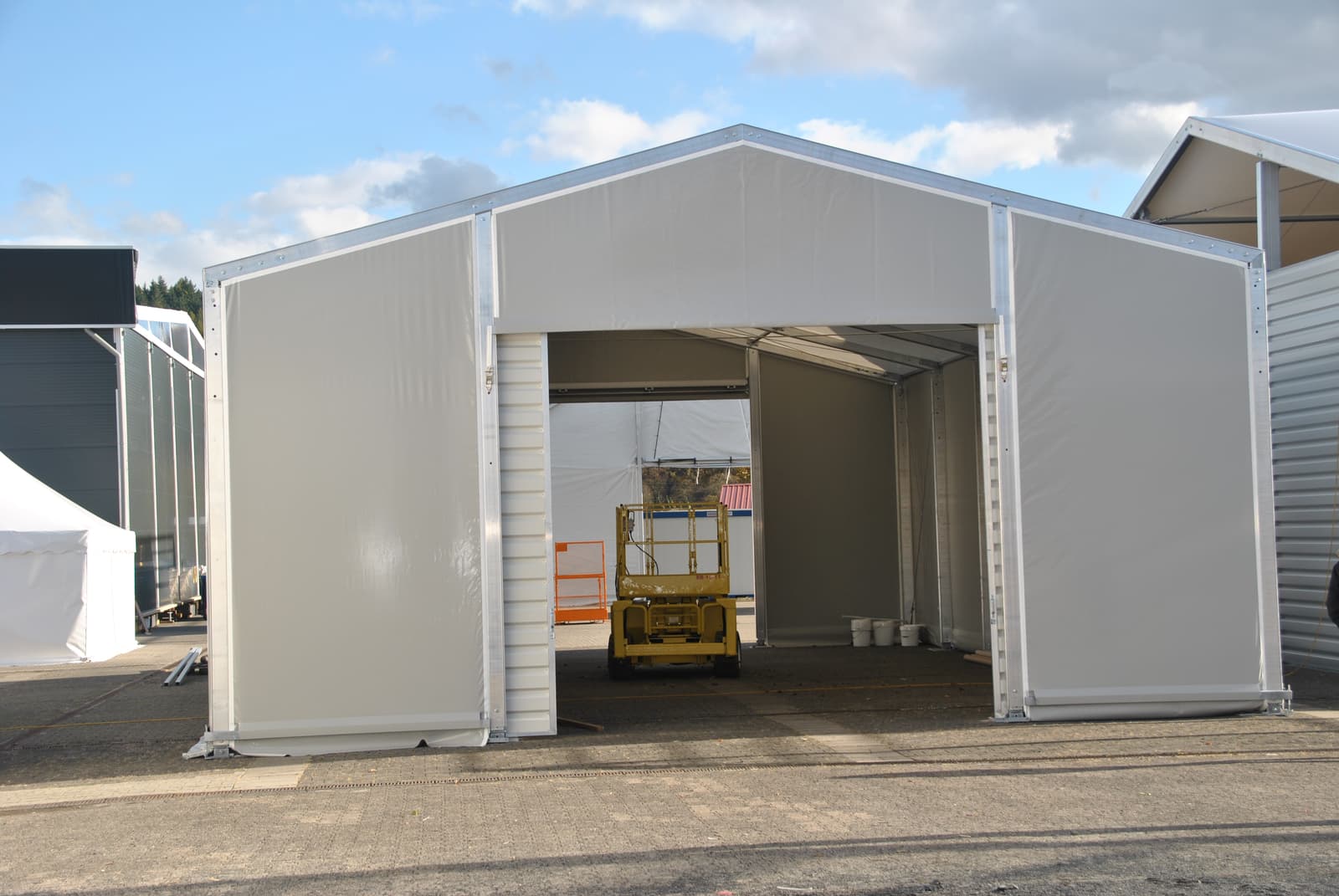
Rent an industrial building: use resources flexibly
With the rental option, you do not take on a major business risk and still receive a temporary building tailored to your needs from HTS TENTIQ. Find out with us when renting an industrial building is particularly worthwhile and what disadvantages it brings.
Advantages of renting industrial buildings
The rental option offers a very clear and manageable cost structure. In addition, it provides companies with fluctuating storage requirements with a very high degree of flexibility.
Renting is the best option if you require additional space at your site for a limited period of time. Based on our experience, we recommend a rental arrangement for a usage period of twelve to 24 months. This is often the case during renovation, maintenance or conversion work.
The space is only needed temporarily while work is being carried out on existing buildings.
Examples of this include:
- Retailers carrying out repairs to sales areas,
- warehouses undergoing renovation,
- as a temporary solution to bridge missing storage capacity in existing warehouses,
- a complete new build after a fire,
- or similar.
Disadvantages of renting industrial buildings
Rent is a constant cost factor, however rent increases cannot be ruled out. With longer-term use, rental costs may therefore even exceed the purchase costs.
When opting for a rental solution, you should carefully assess the provider and the quality of the temporary building. In some cases, used buildings are rented out with components of varying ages that may not even be compatible with one another. This type of building may not meet structural safety standards under building regulations and may also leave a poor visual impression. With us, customers receive exclusively new equipment even with the rental option. Used buildings are only occasionally sold by us as discounted special stock.
Spatial changes must always be agreed with the landlord in the case of rental. If additional space is required, you therefore cannot respond as flexibly and quickly as with a temporary building that forms part of your business assets.
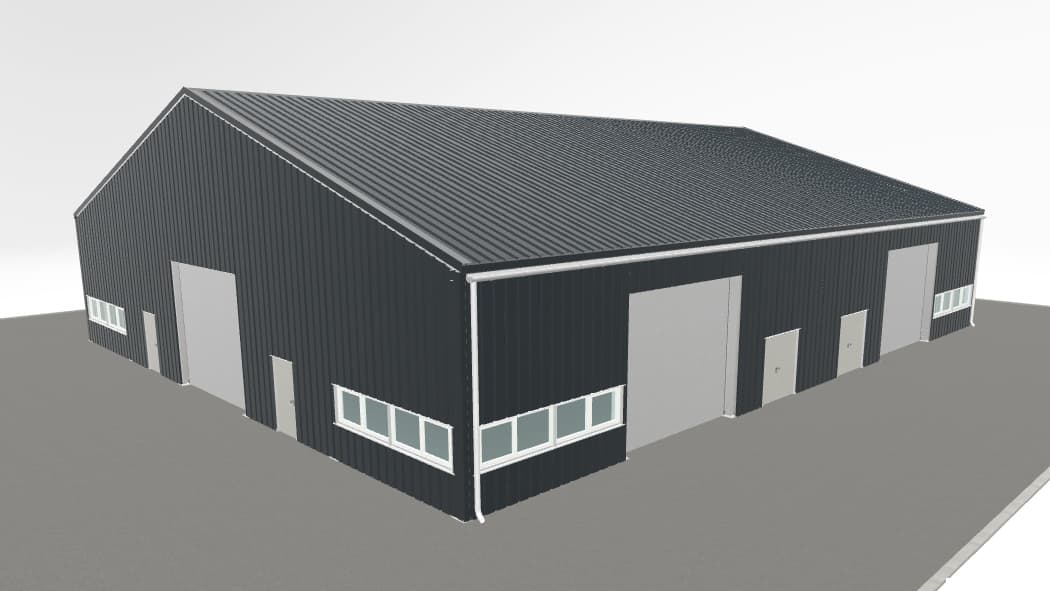
Lease an industrial building: hire purchase as a hybrid form of buying and renting
Leasing is a widely used financing solution that is suitable for many different operating assets and is also applied to temporary buildings. The reason is that the hire purchase option offers great flexibility. Lease term, down payment, residual purchase value – everything is tailored to the company.
At HTS TENTIQ, we have been working for years with a financing partner who is highly experienced in the field of tent and building construction. We show you in detail what advantages hire purchase brings and what you should pay attention to:
Advantages of leasing industrial buildings
Similar to renting, when leasing an industrial building you benefit from a consistent monthly leasing rate. However, at the end of the lease term, you have the option to purchase the temporary building, continue leasing it, or return it. This allows you to avoid high acquisition costs.
Even if the company has sufficient liquidity to purchase a temporary building, hire purchase offers many accounting advantages. Since the temporary building remains on the balance sheet of the leasing company under hire purchase, it is balance-sheet neutral for you as the entrepreneur. Hire purchase therefore also does not affect the equity ratio. From a tax perspective, hire purchase offers companies the advantage of being able to deduct the leasing instalments.
Disadvantages of leasing industrial buildings
In the case of leasing, the temporary building remains the property of the leasing company for the entire duration of the lease. At the end of the term, if a purchase is made, the current market price is payable; the leasing instalments already paid are not taken into account.
When returning the system building after the end of the term, it is important to ensure that the condition of the building corresponds to the leasing agreement. Any damage may otherwise result in additional payments.
Conclusion: buy, rent or lease an industrial building?
All three financing options for a temporary building offer advantages and disadvantages. There is no universally valid statement as to which is the best option. Rather, the decision must take into account the company’s size, business activities, corporate strategies and objectives, as well as liquidity.
Compared to solid construction, temporary buildings offer great flexibility. This allows them to be integrated into the company in a wide variety of ways, relocated to another site, and spatially adapted at any time. In this way, temporary buildings quickly become an indispensable asset for the company and its sustainable success.
Regardless of which financing option you choose, at HTS TENTIQ you will always receive a brand-new building directly from the factory, tailored to your site-specific and project-specific requirements.