Design a prefabricated building in the configurator: design tips & building templates for various applications
With our free and user-friendly prefabricated building configurator, you can quickly and easily design your own lightweight building. To make the planning process even easier, we’ve provided useful design tips and building templates to help you efficiently meet your specific requirements.
Whether you’re planning a warehouse, a machine buildling or an agricultural buildling – the following tips and templates offer the right solution for every prefabricated buildling configuration.
Prefabricated buildling configurator: general information and tips
One of the many advantages of a modular prefabricated buildling is its simple, modular design, which offers you great flexibility even when your requirements change. What’s more, a modular buildling delivers significant savings in terms of construction time, labour costs and architects’ fees. Planning a buildling can be a very demanding and time-consuming task – but not with our lightweight buildling configurator.
These are the benefits of a 3D visualisation of your desired prefabricated buildling:
- Configure it exactly to your requirements: specify the dimensions you require and choose the wall and roof cladding to suit your intended use.
- Customisable fittings: Each wall can be fitted with the right accessories to suit your needs. Position doors, windows, gates and skylights exactly where you need them.
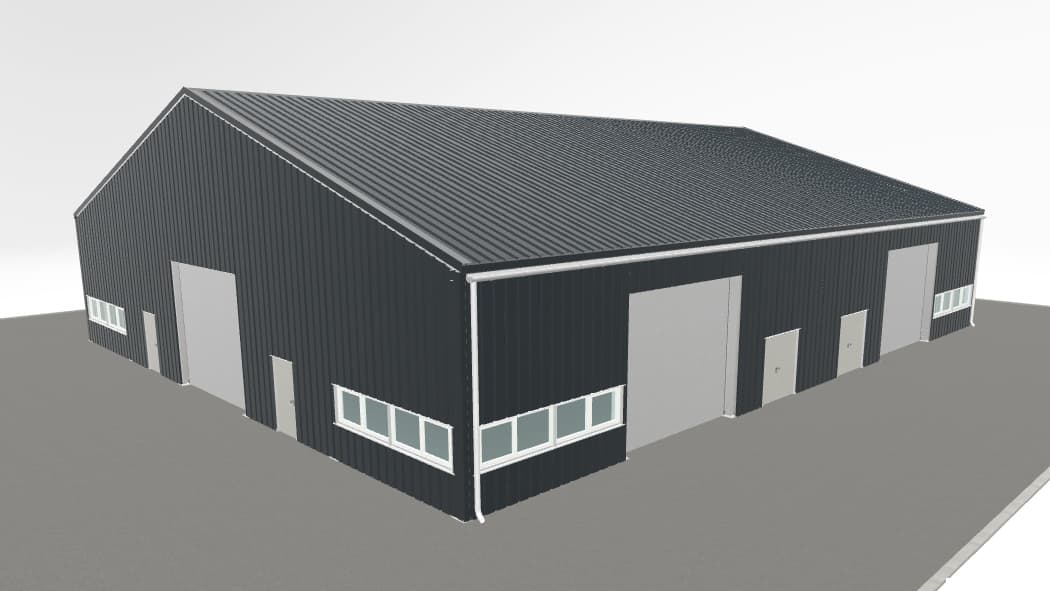
- Instant 3D visualisation: With the HTS TENTIQ 3D buildling configurator, your prefabricated buildling is instantly visualised in 3D – both inside and out – without the need to download any software. Any changes are displayed immediately. The buildling can be viewed against various background settings, such as urban or rural landscapes. The visualisation is also available to download as a GLTF file.
- Free consultation and pricing information: Once your 3D buildling visualisation is complete, the plan can be sent directly to our experts so that you can receive a quote as soon as possible. If you have any questions or concerns, we’ll be happy to help.
Configuring warehouses: Tips for optimal planning and design
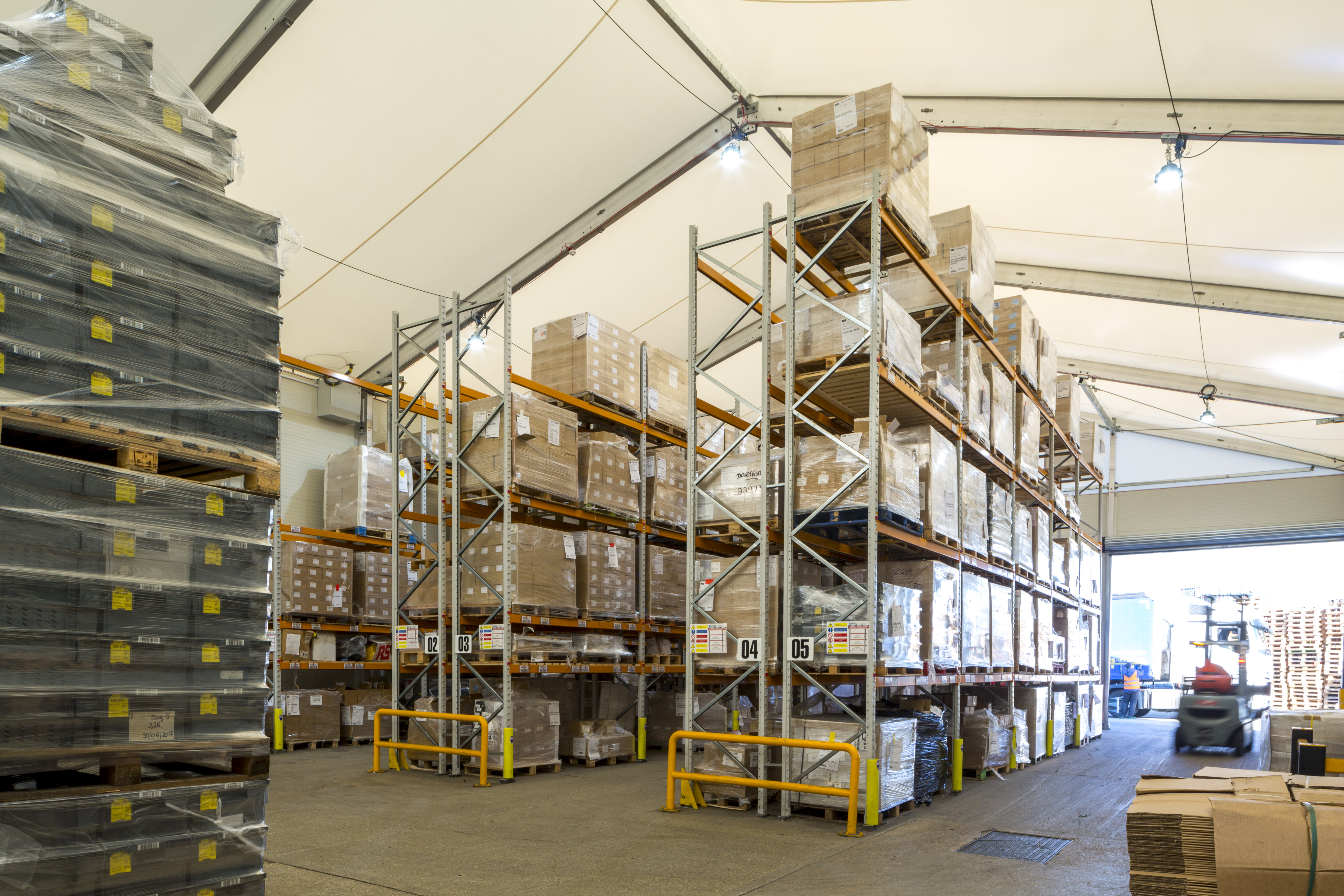
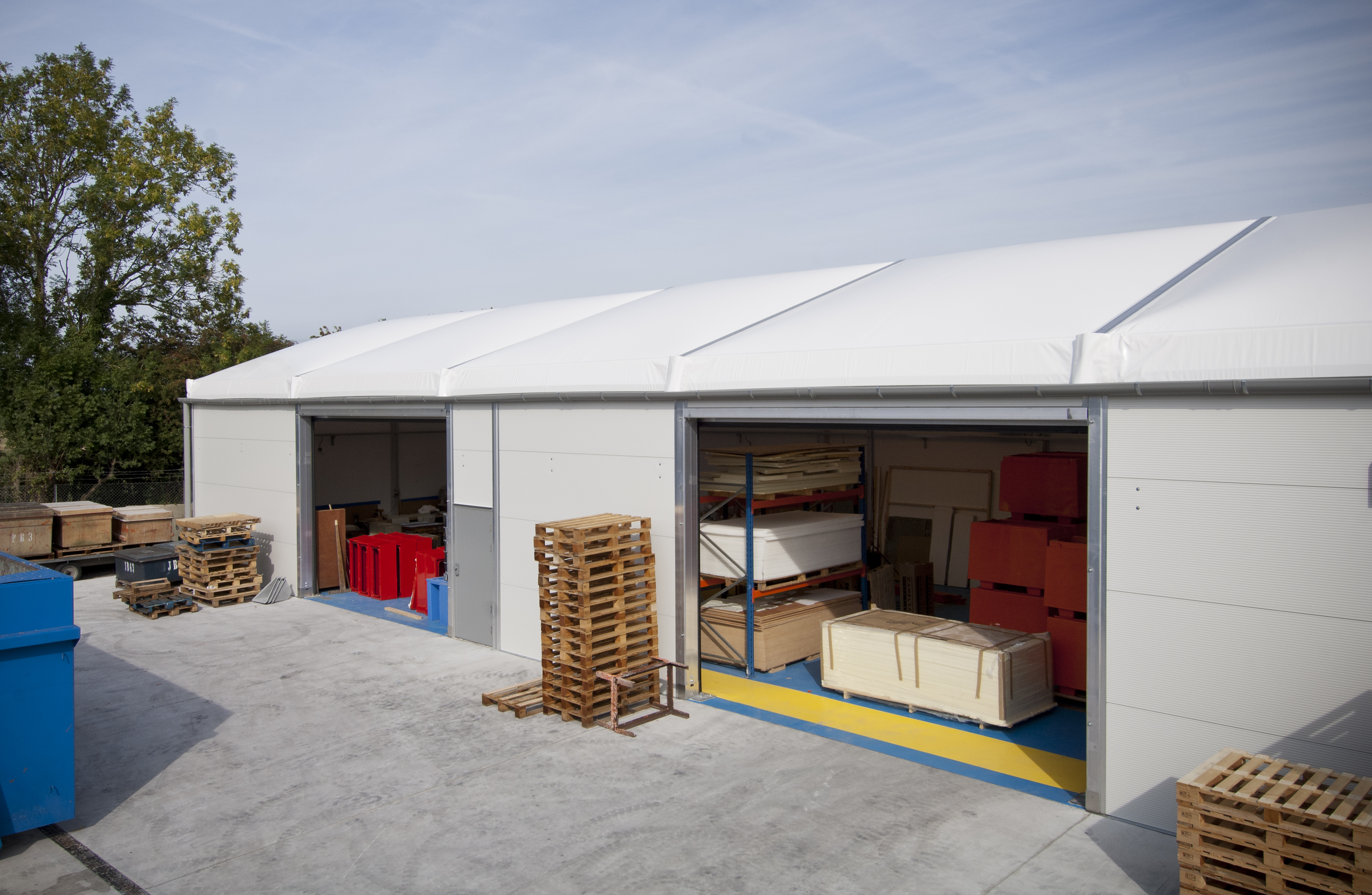
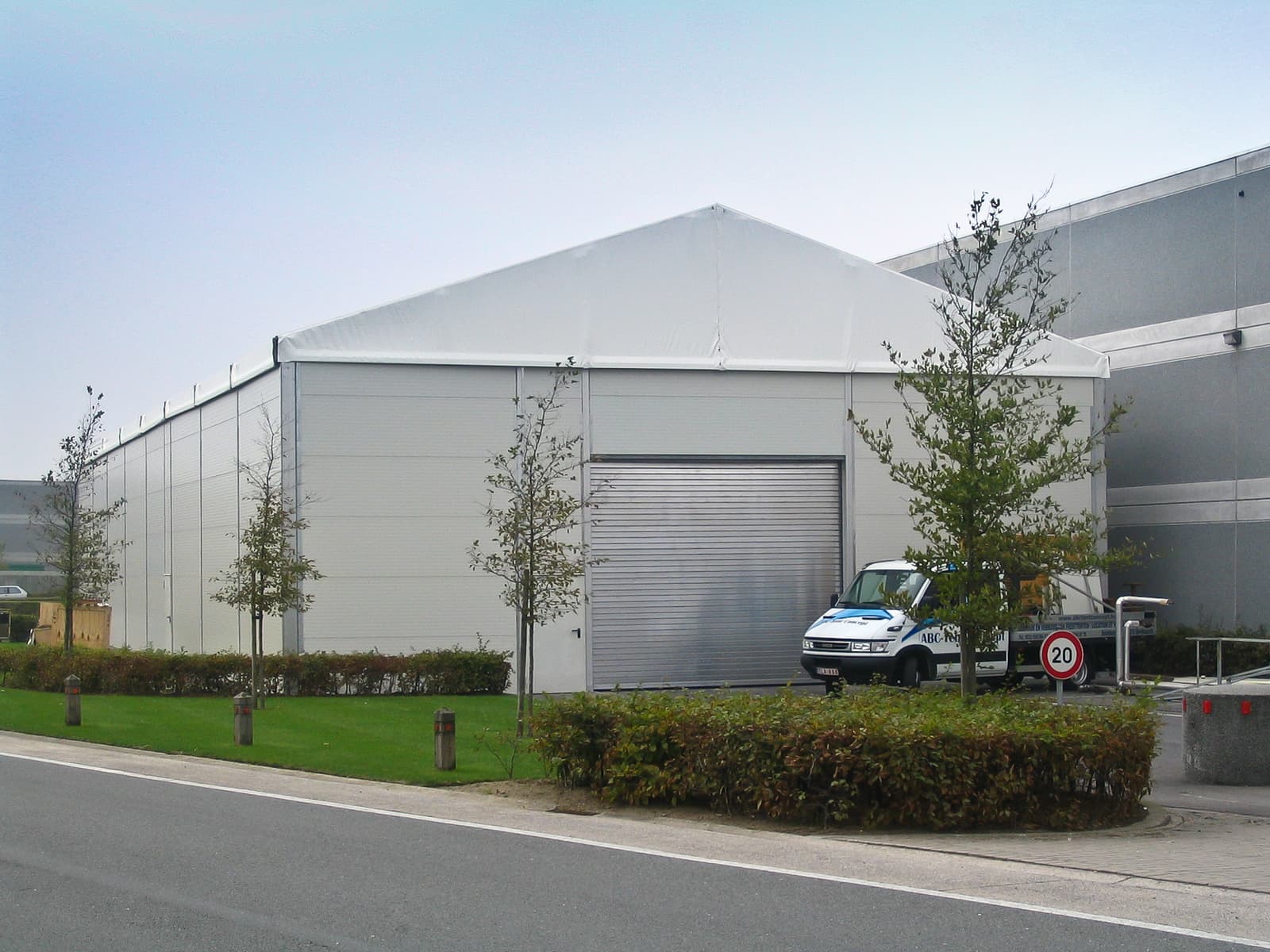
Professional warehouses provide ideal storage conditions for goods, vehicles and machinery. They protect your stored goods not only from the elements, but also from theft. A well-designed warehouse can also help to optimise workflows. We’ll show you which factors you should pay particular attention to when configuring your lightweight warehouse:
- Size and height of the buildling: When determining the dimensions, ensure there is sufficient space for shelving systems and access routes within the buildling. Make the best possible use of the available space and also take potential future growth into account. After all, a lightweight buildling can be extended at any time.
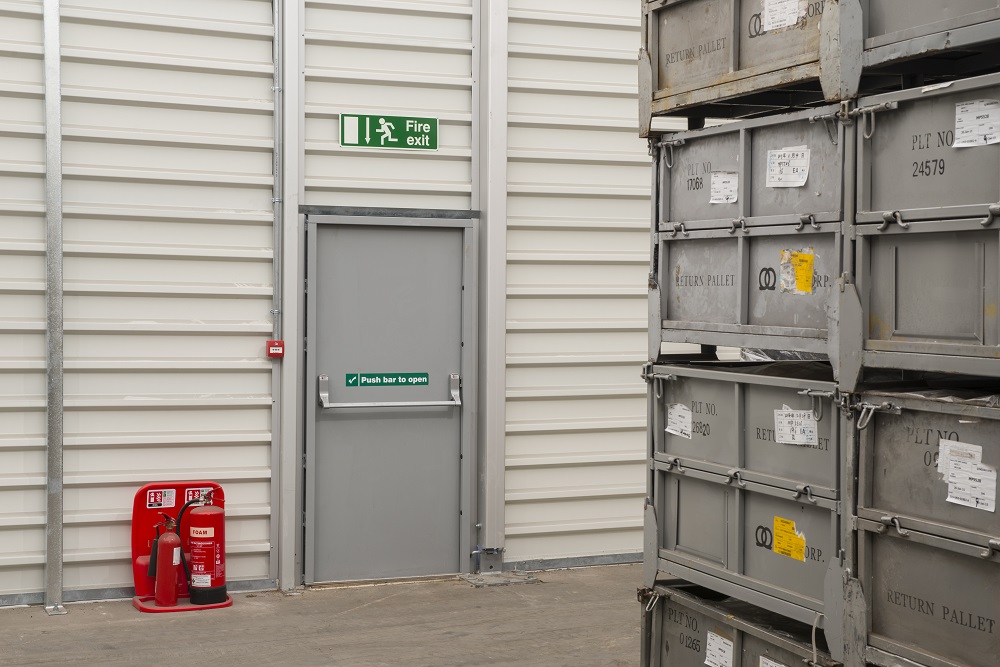
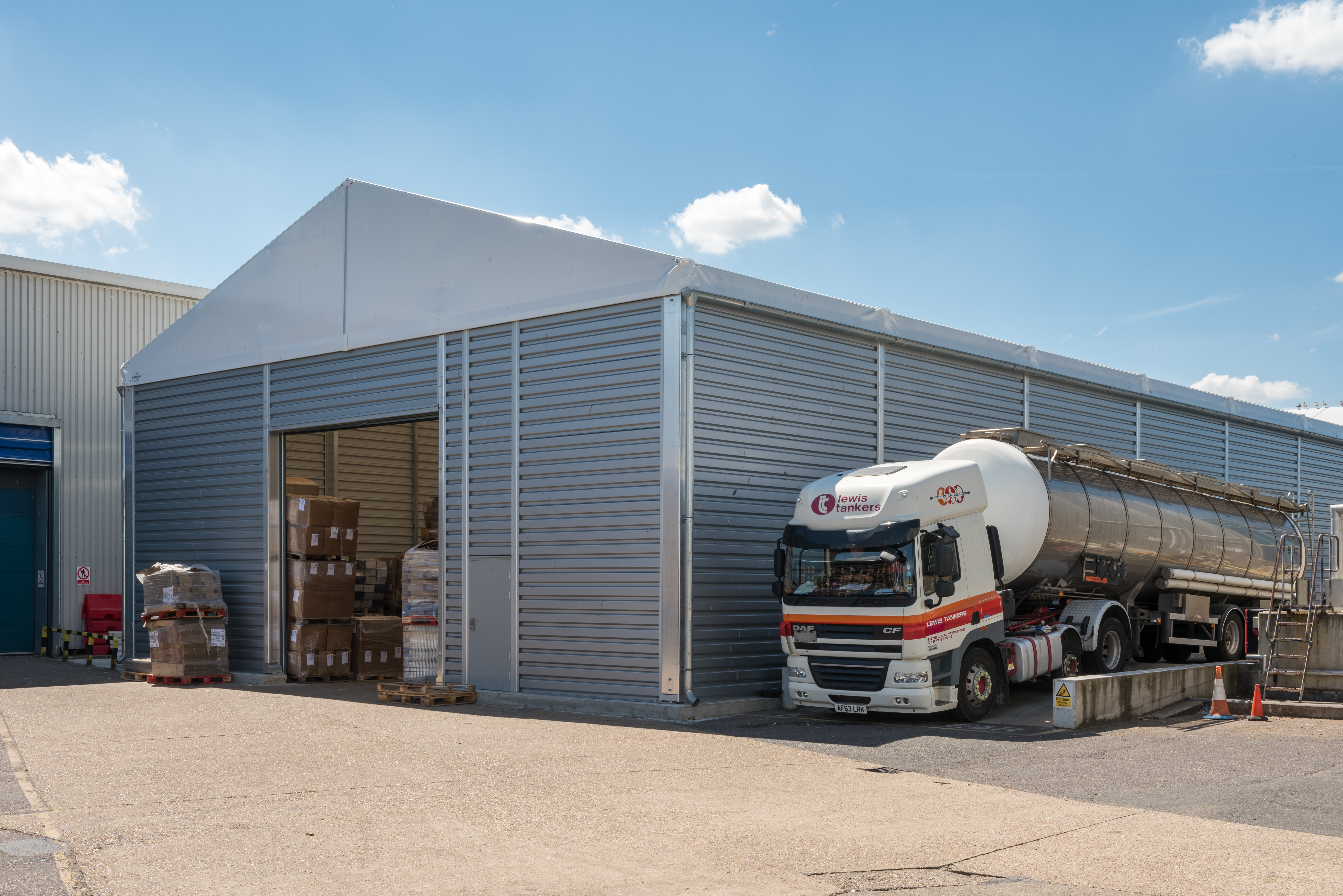
- Accessibility: To ensure the warehouse operates as efficiently as possible, it is crucial to choose the right gates and doors and to determine the appropriate number of emergency exits. Optimal accessibility for staff and vehicles such as lorries is ensured by the correct positioning and sizing of doors and gates.
- Ventilation and lighting: In a professional warehouse, appropriate ventilation and lighting systems are an integral part of the design. In particular, the correct positioning of windows and skylights is crucial to ensuring an optimal working environment for staff.
To make the planning process easier for you, please visit our buildling configurator. Here you can specify the details of your ideal buildling. As you select sizes, fittings and other features, the 3D visualisation on screen will be updated in real time. You can change any details at any time, and only once you are completely satisfied should you send us your fully configured buildling enquiry; we will then send you a no-obligation quote.
Configuring machine buildlings: What you need to bear in mind
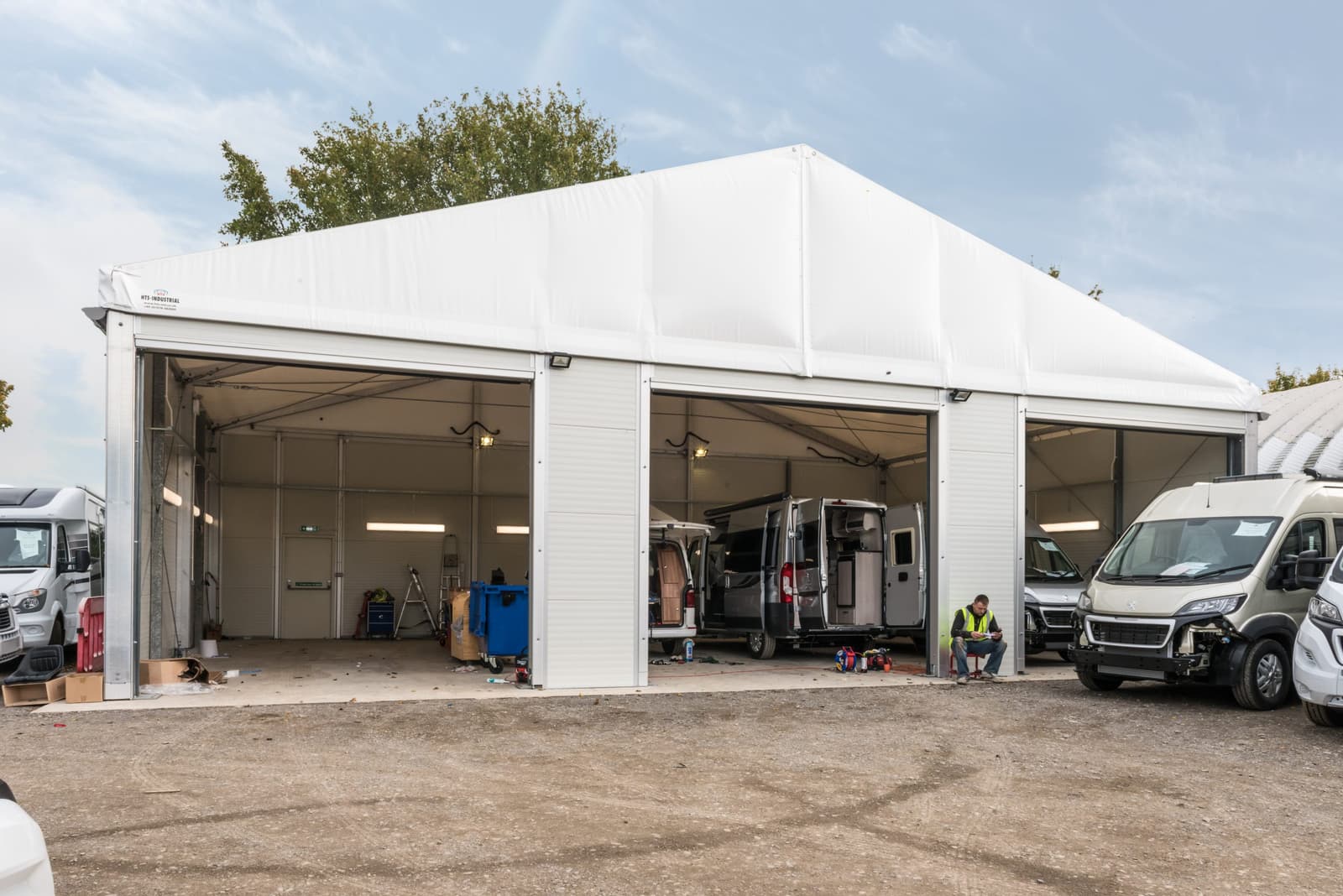
Professional machine buildlings are essential for the safe storage and operation of machinery and production equipment. When designing a machine buildling, several factors must be taken into account:
- Firstly, the size and height of the buildling are important to ensure there is sufficient space for large machines and for operating them.
- The layout of the machines should also be carefully planned to ensure an efficient workflow.
- Factors such as the power supply, ventilation, lighting and safety measures are crucial to creating a safe and productive workspace.
With our free, fast and user-friendly 3D building configurator, you can design your own modular system building or lightweight structure. Be inspired by the real-time visualisation and customise your building to suit your individual requirements.
Configure your agricultural building: Tailor-made solutions for your farm
Modern agricultural buildings play a key role in making farms more efficient. They are used for a variety of purposes, such as storing equipment and crops, sheltering animals, or serving as workshops for agricultural machinery.
When configuring an agricultural building, several factors are relevant:
- Size and layout: Consider the space required for machinery, livestock or stored goods.
- Equipment: Choose the wall and roof cladding that meets the specific requirements of your operation.
- Access and safety: Plan sufficiently large doors and secure access points to ensure easy transport and the safety of equipment and animals.
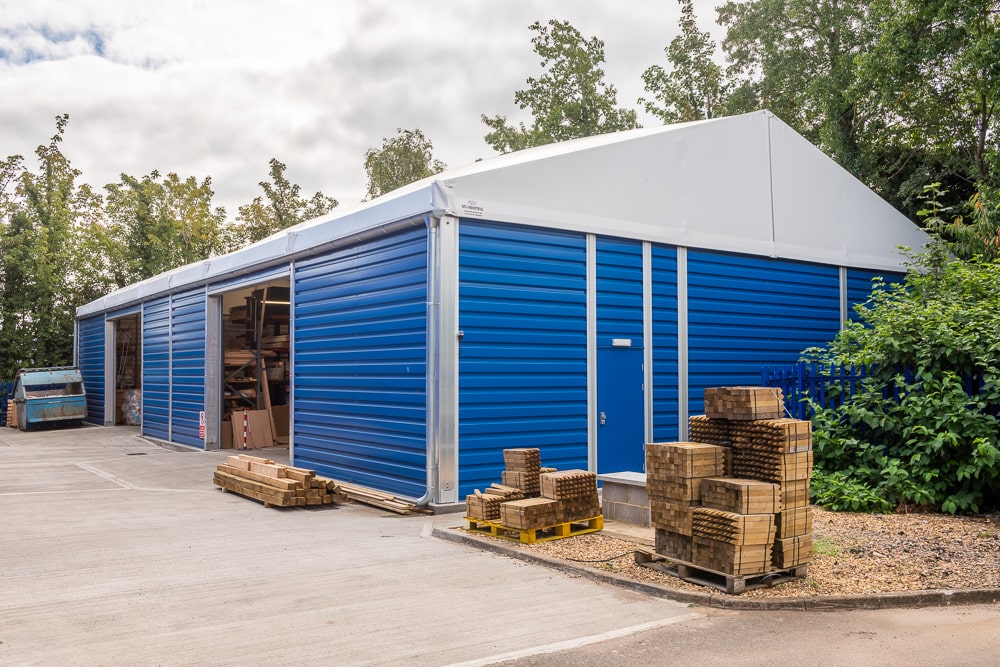
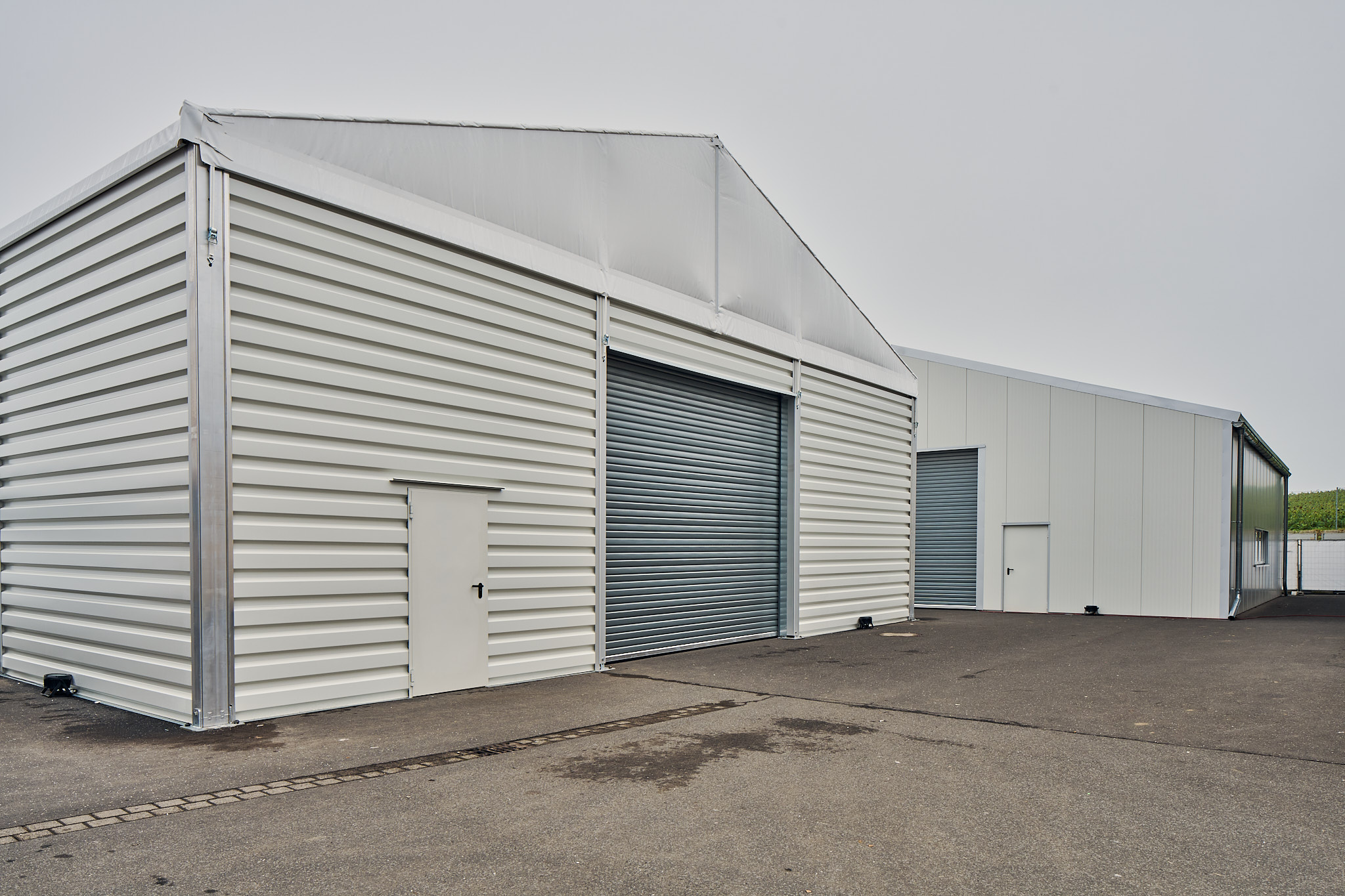
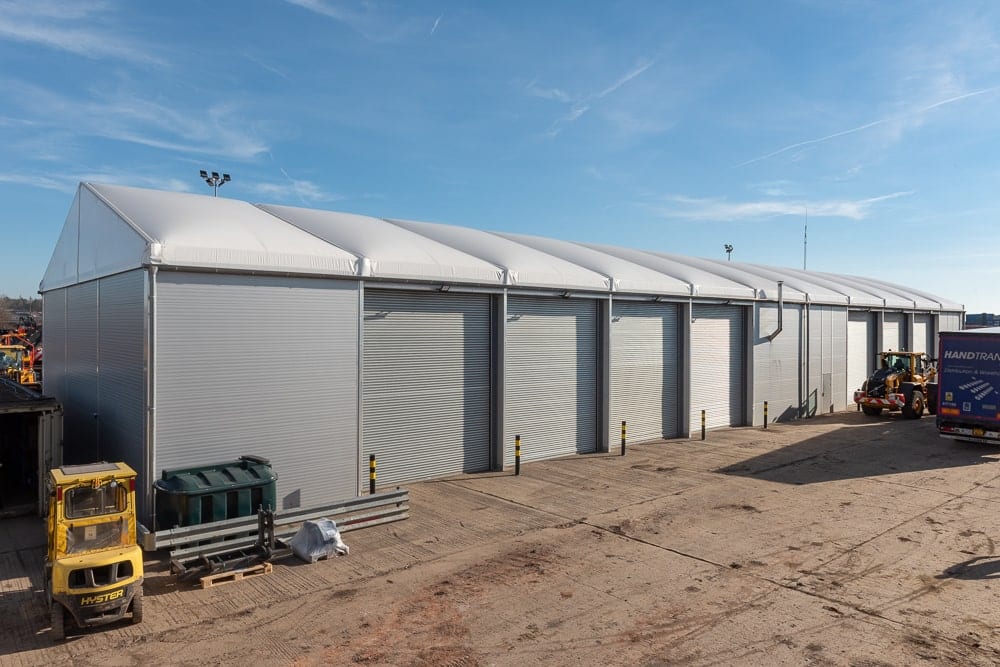
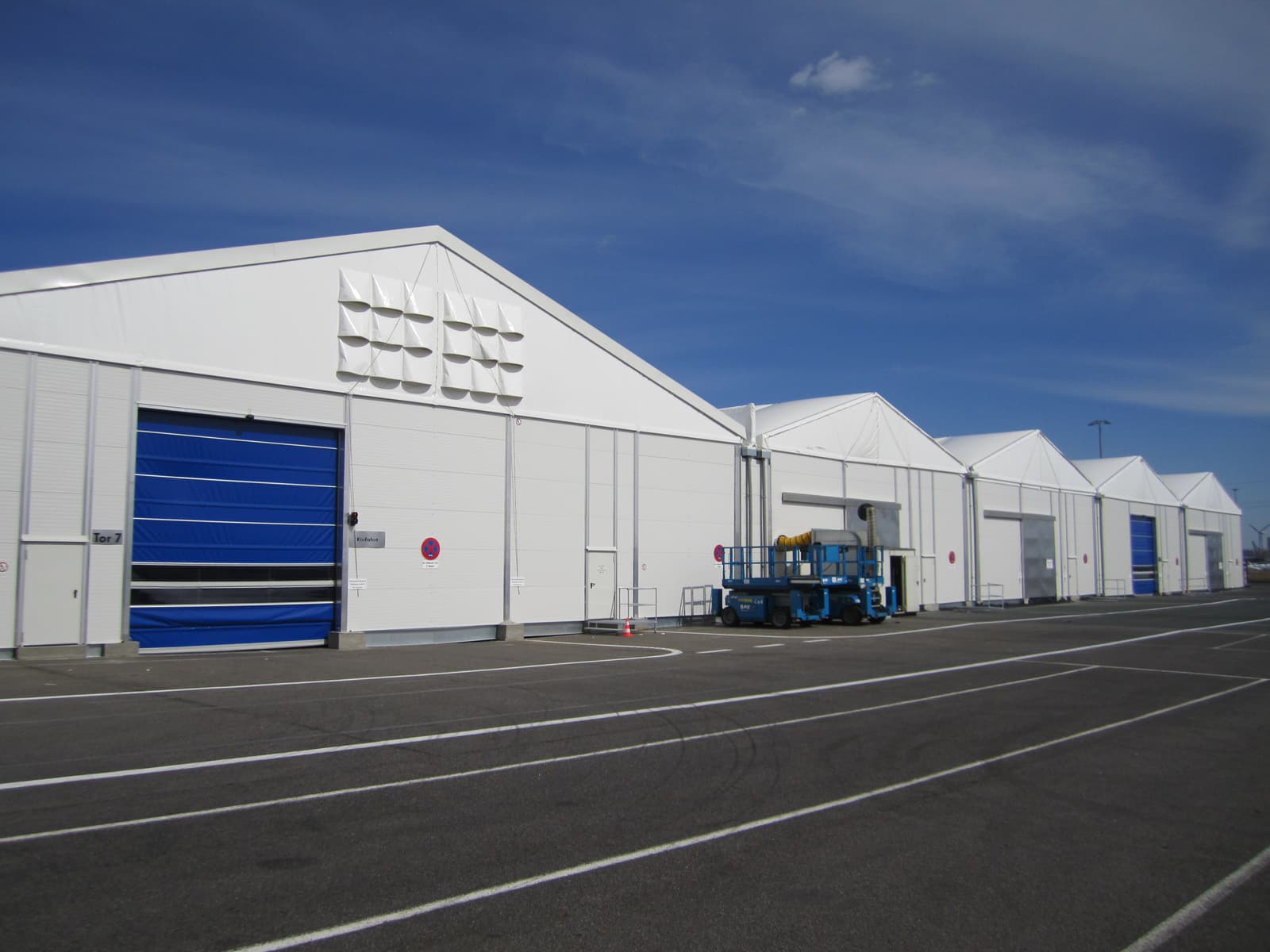
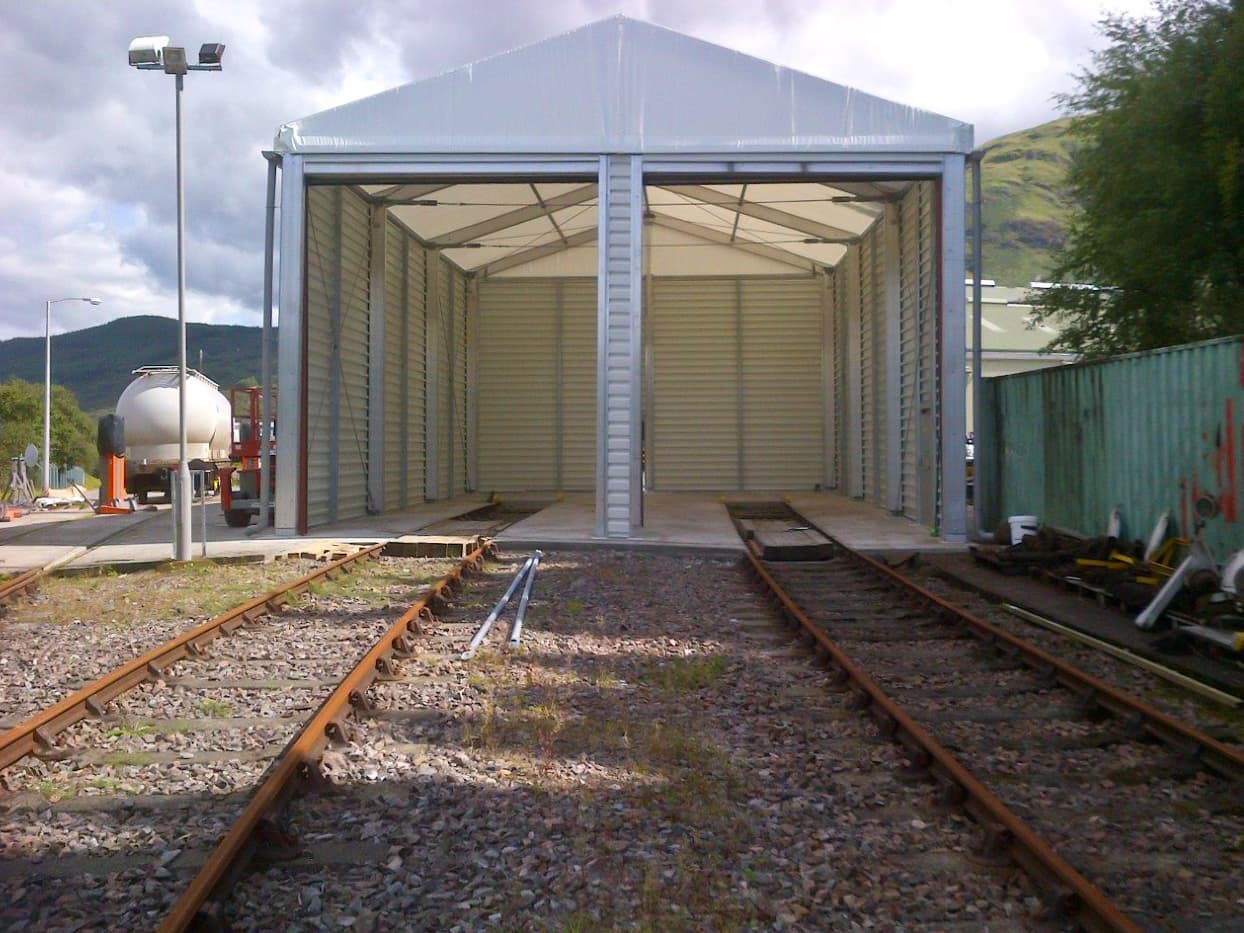
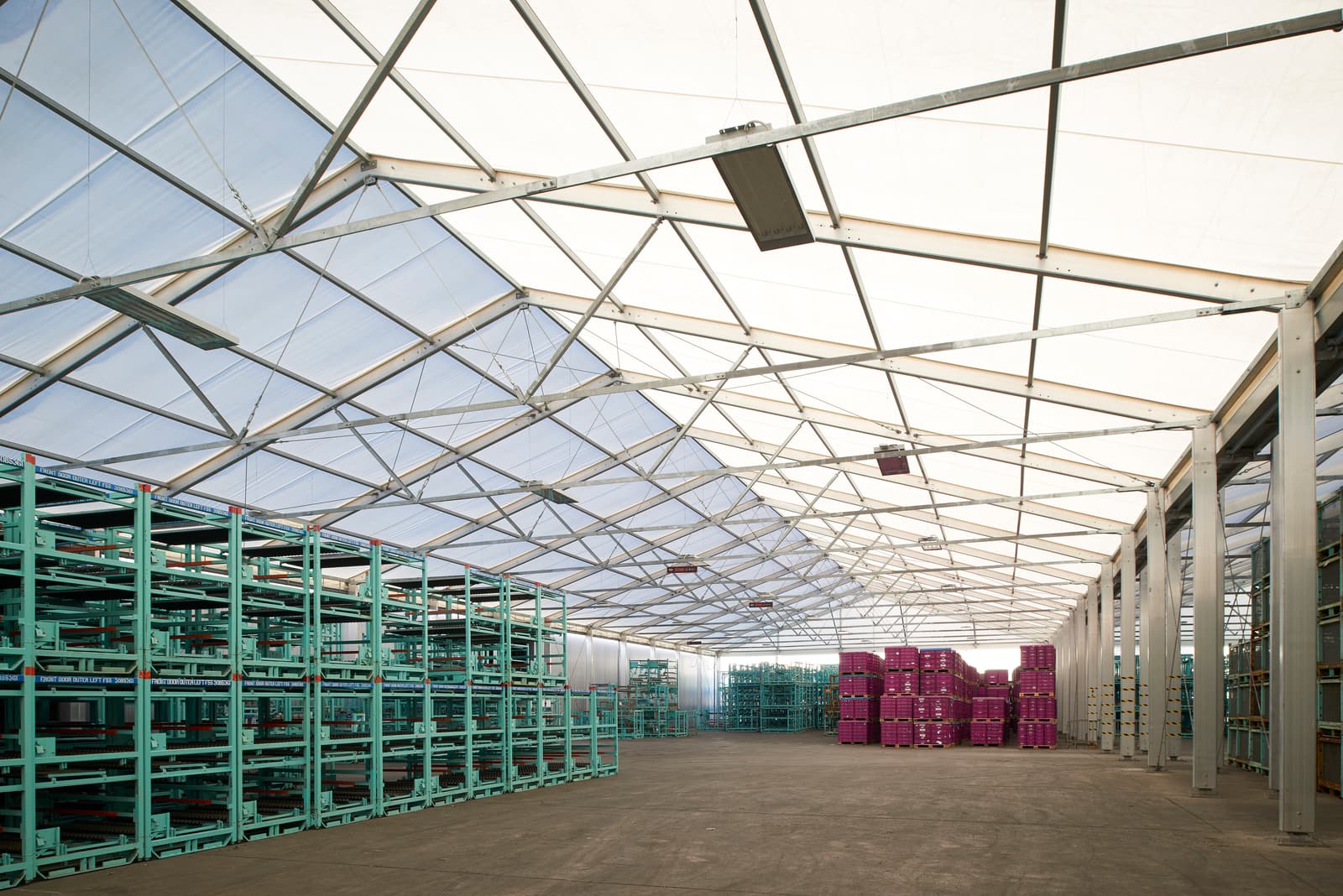
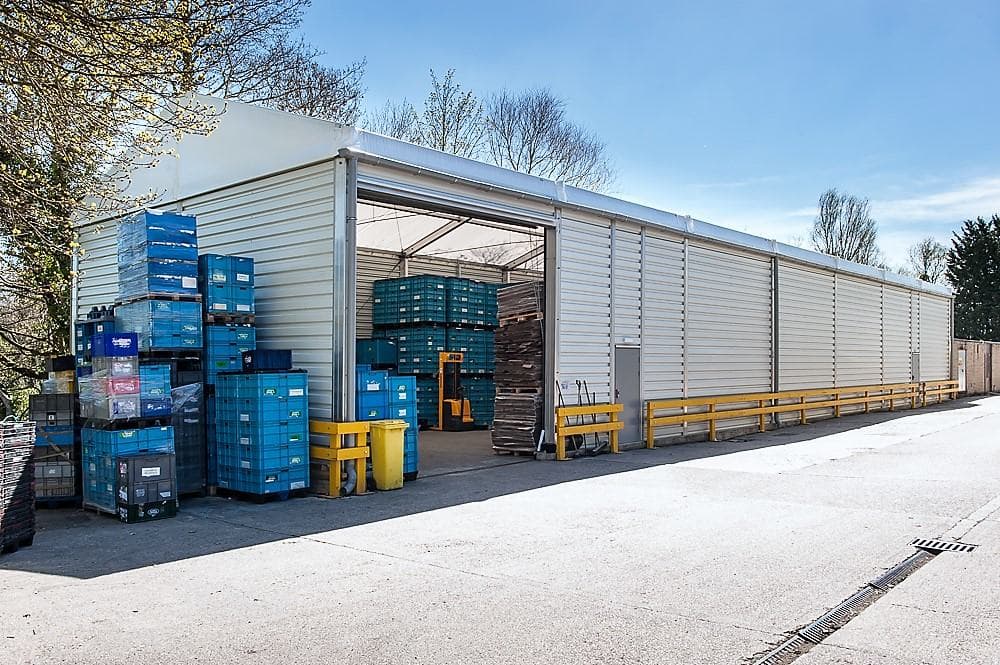
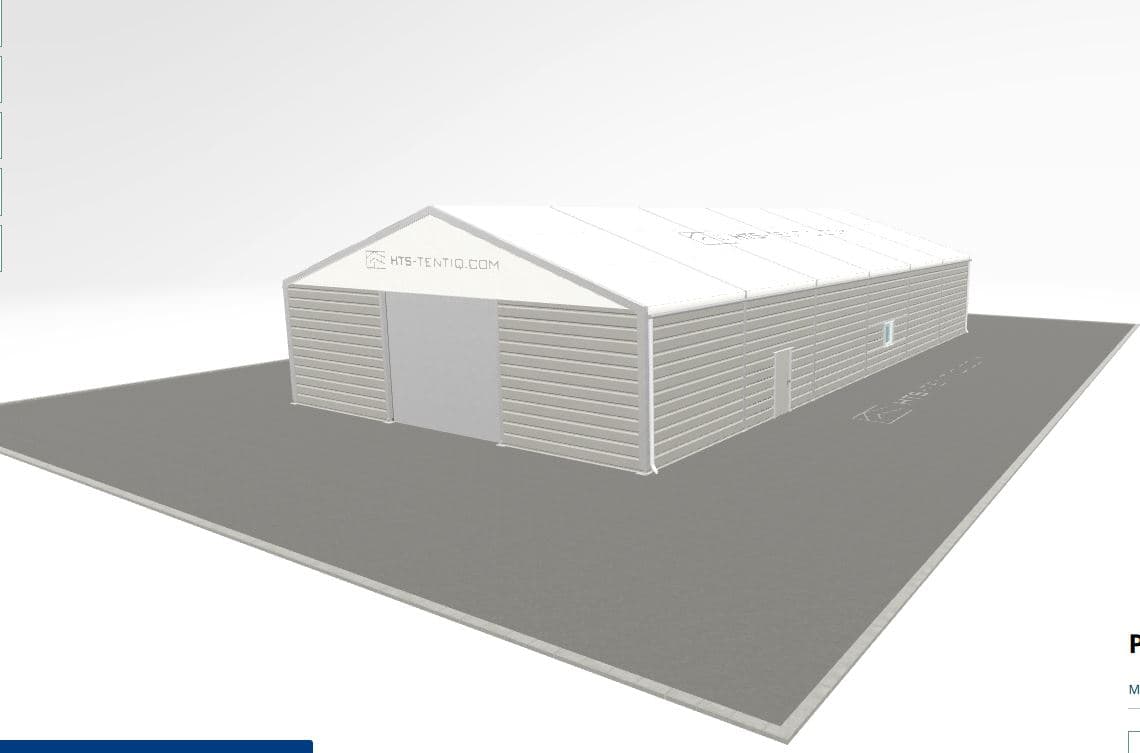
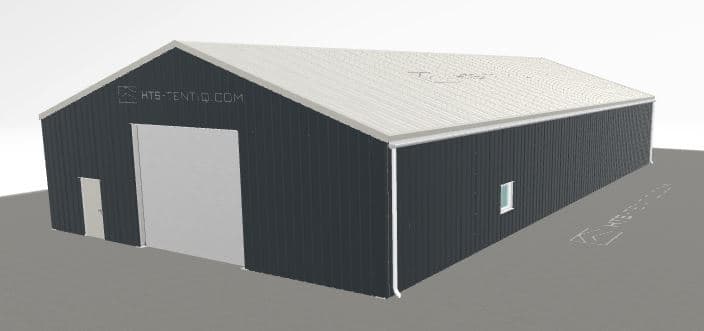
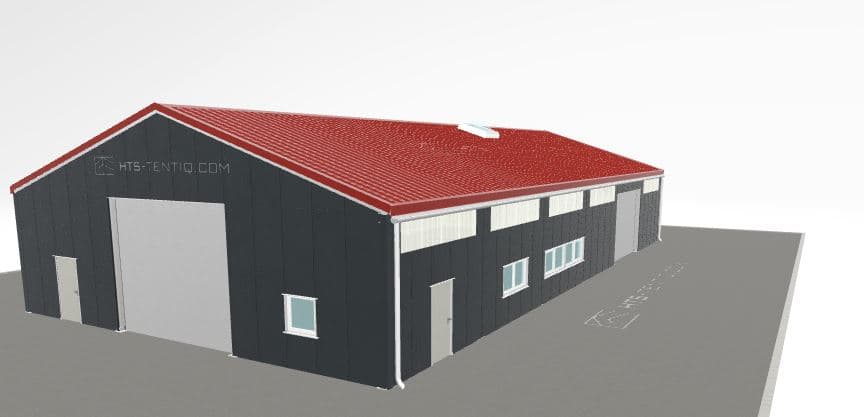
Below you will find images of buildings that have already been realised, which can serve as inspiration for your individual planning. In our building configurator, you can design a building entirely according to your wishes.
Read further information on building construction in the expertise
Building a temporary building raises many questions regarding fire protection, foundations and construction methods, but there is no need to worry – the HTS TENTIQ expertise provides detailed answers on topics such as:
Which building regulations must be observed when constructing a hall?
Which foundation is required when erecting a prefabricated building?
Is planning permission always required when constructing a temporary building?
Comparison of construction methods: steel or aluminium – which is suitable in which case?