Quickly available industrial spaces through temporary buildings
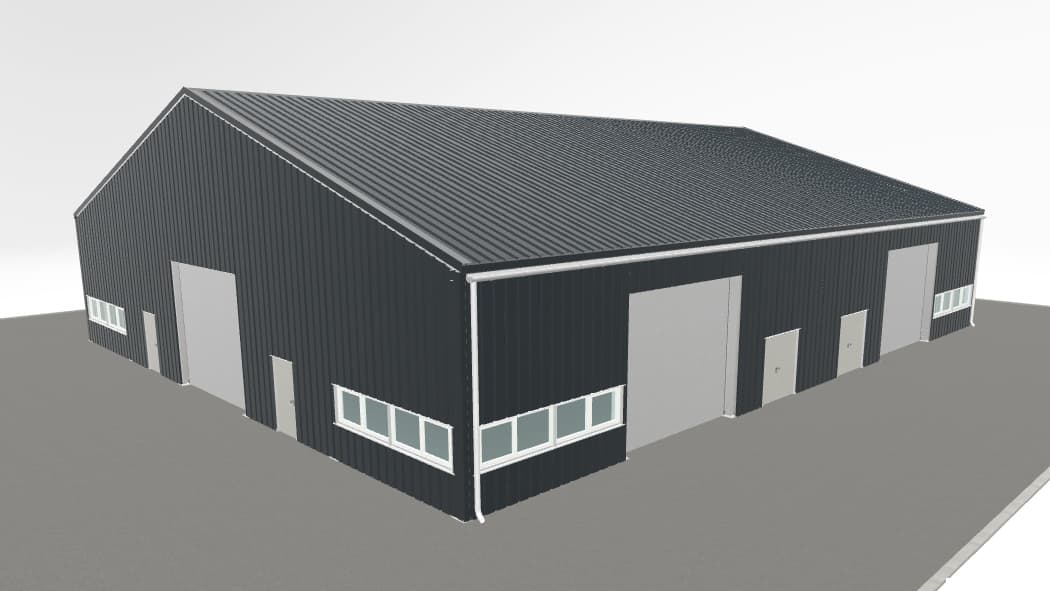
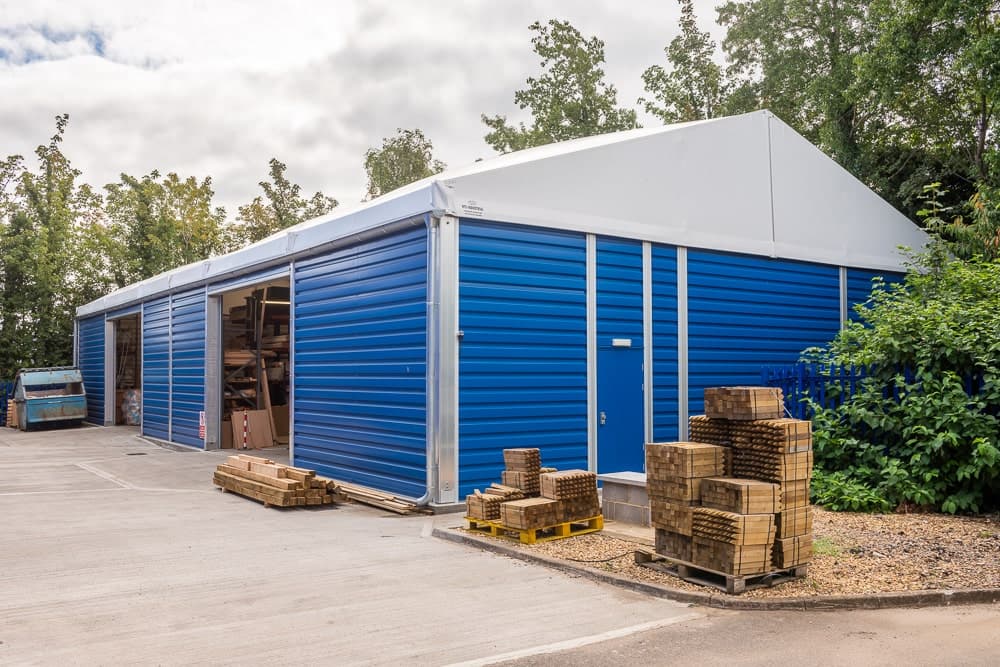
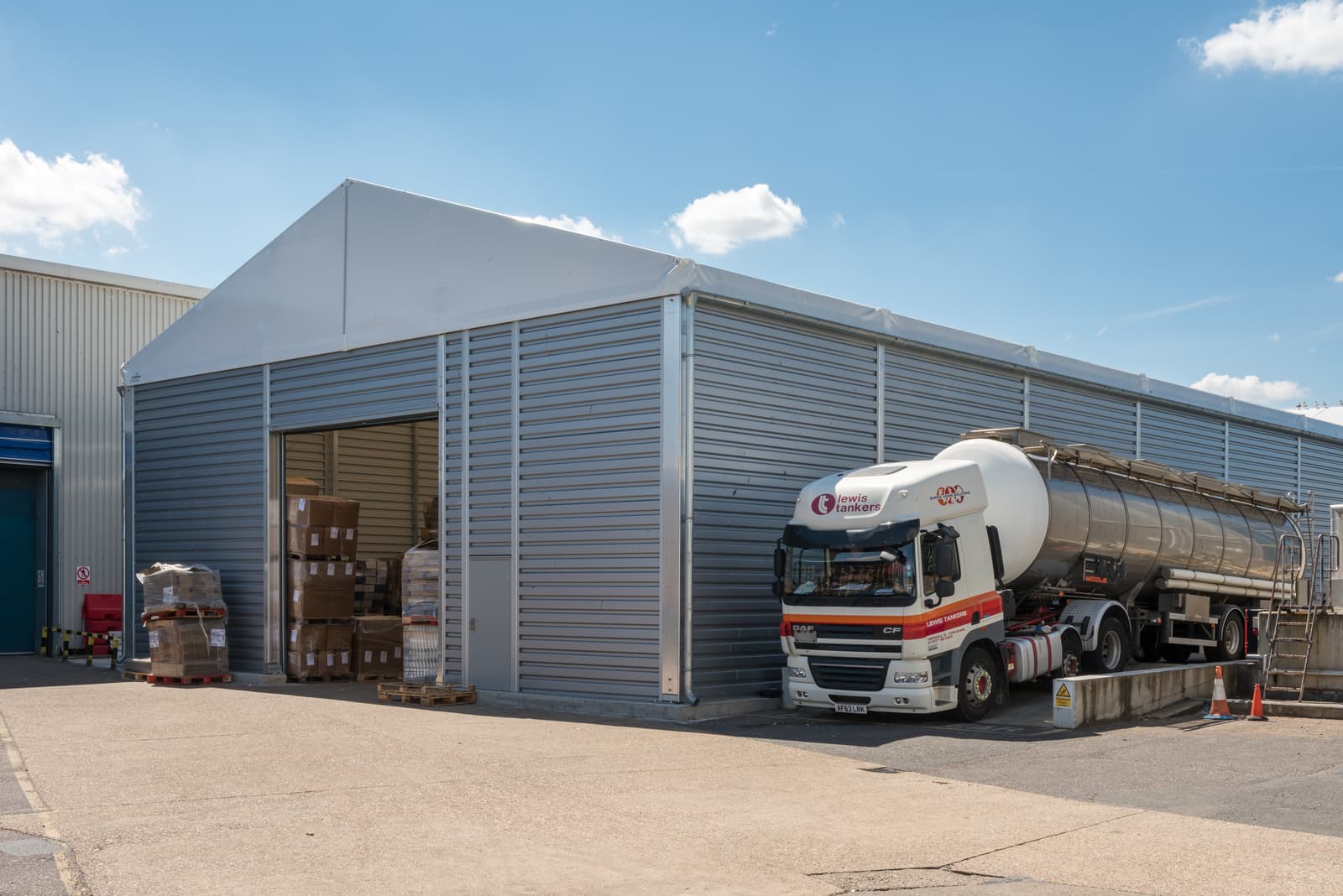
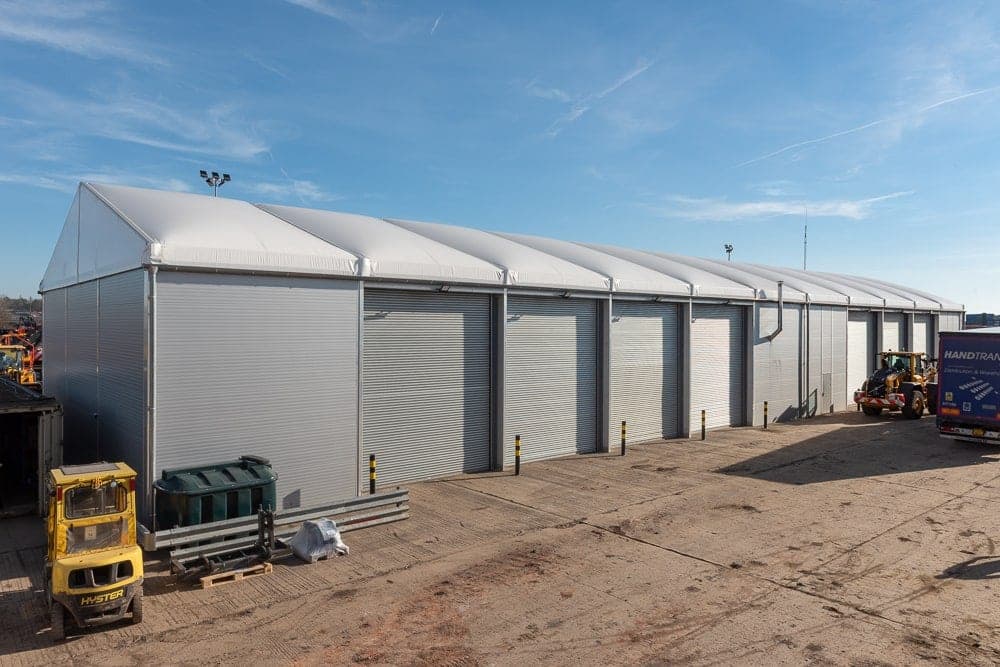
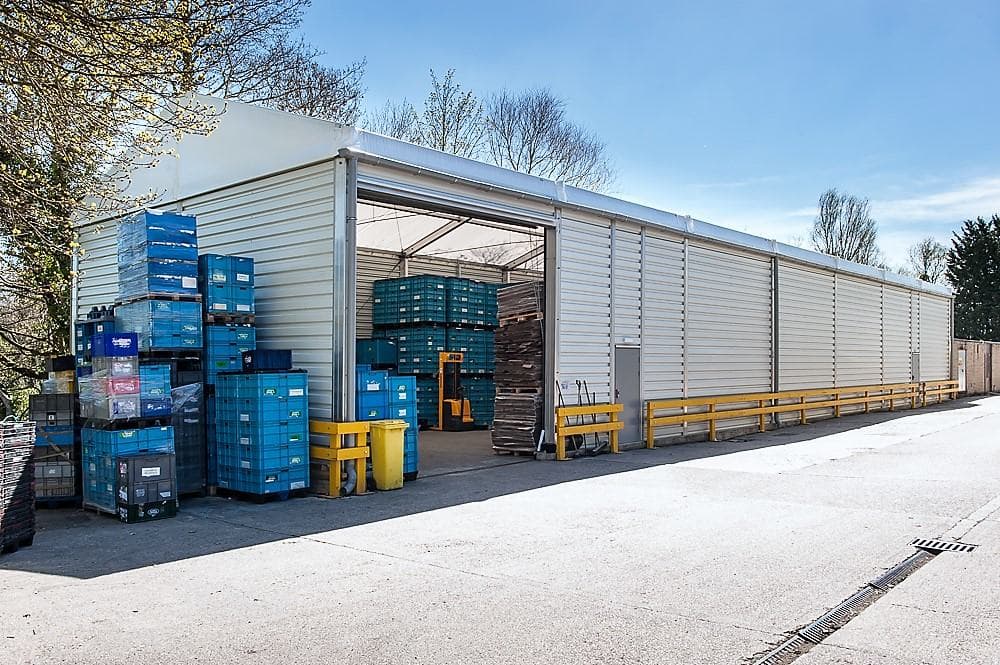
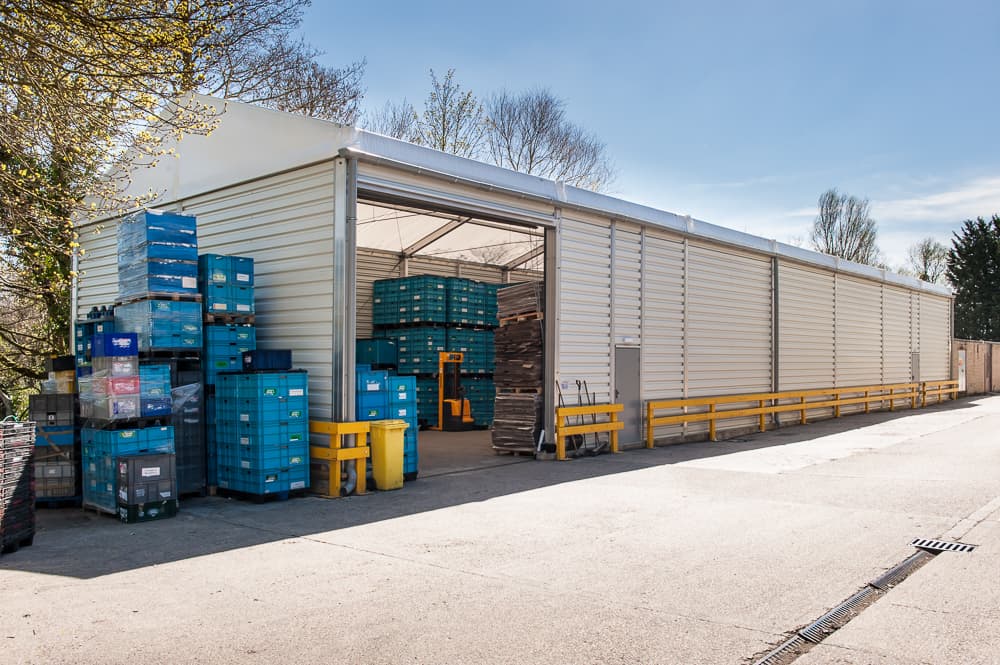
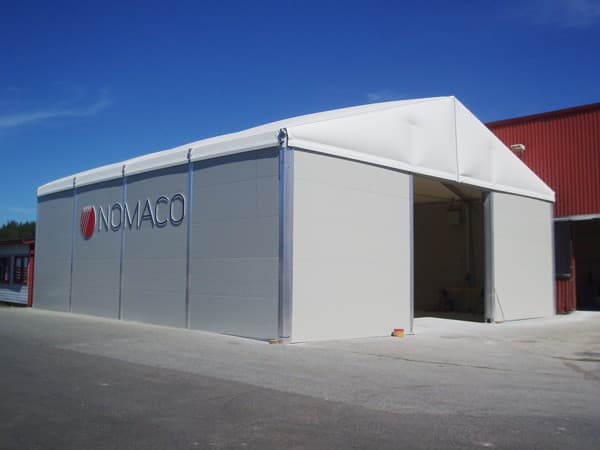
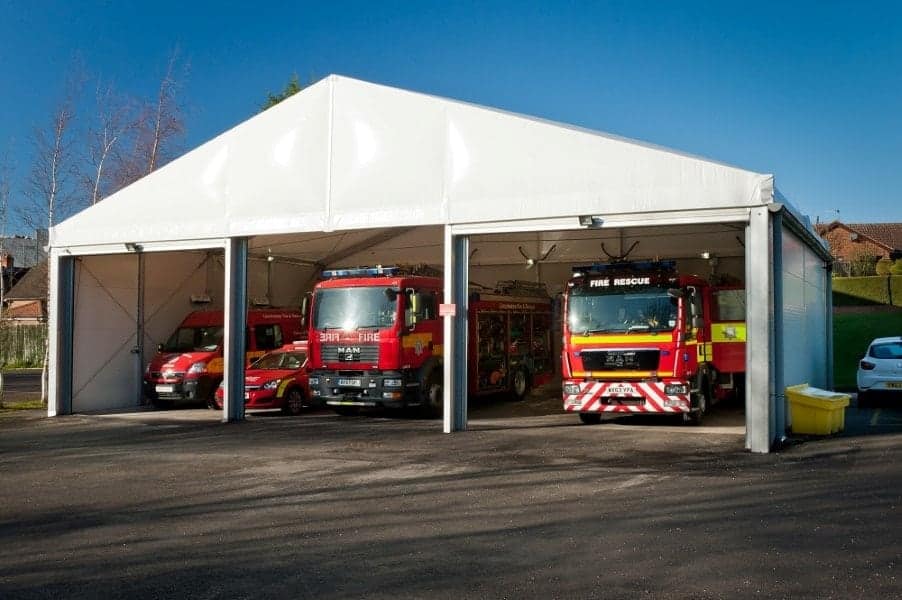
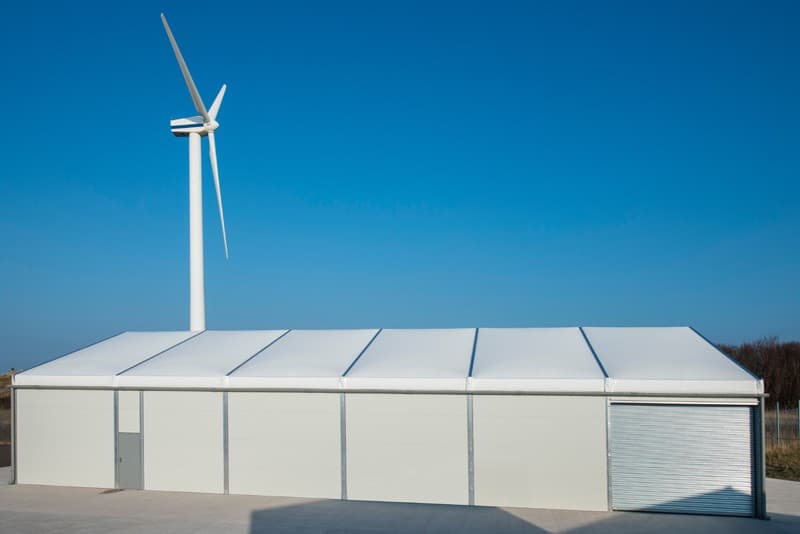
Temporary buildings for industry are available in different shapes, sizes and configurations, whether you wish to rent or purchase them.
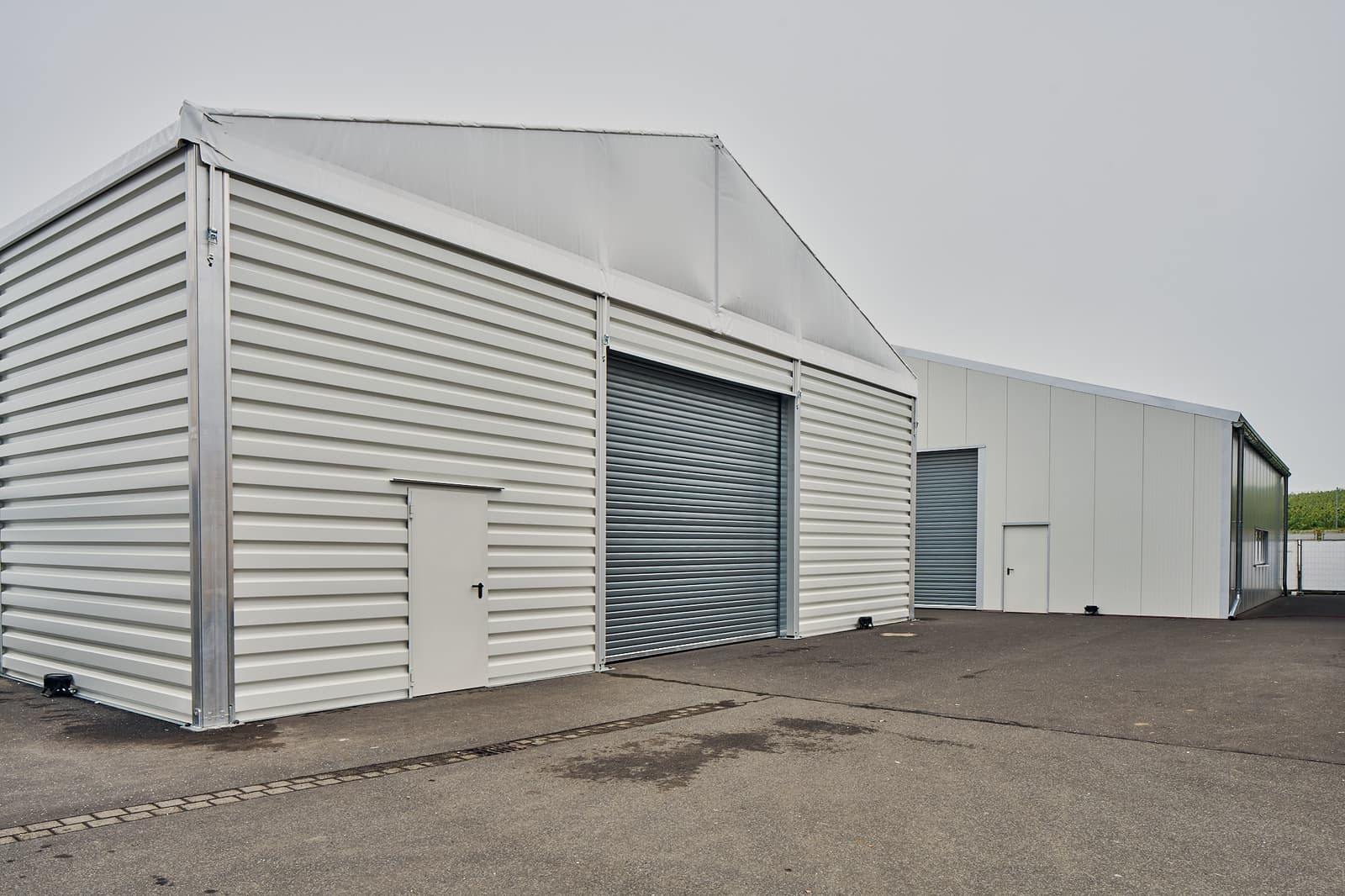
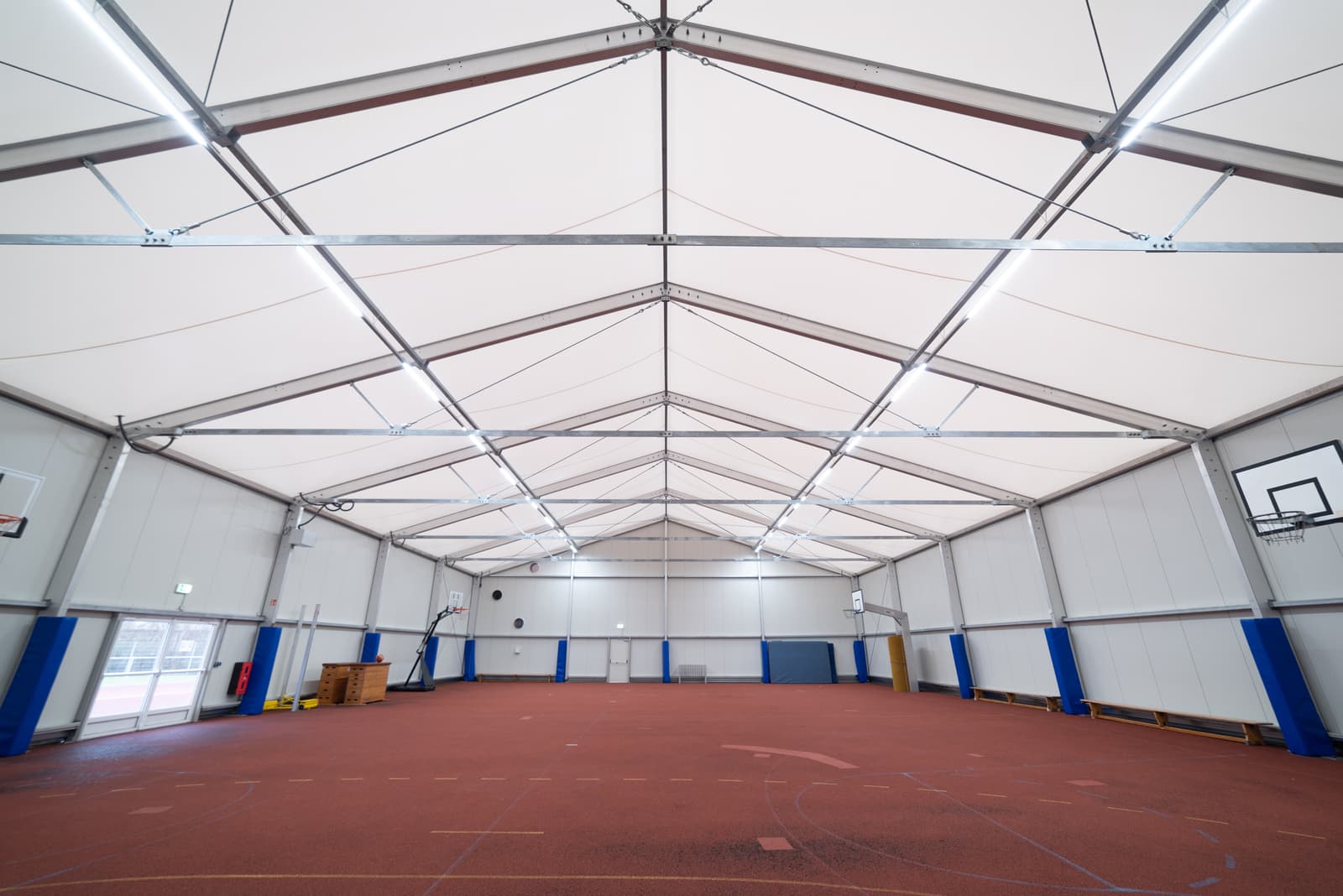
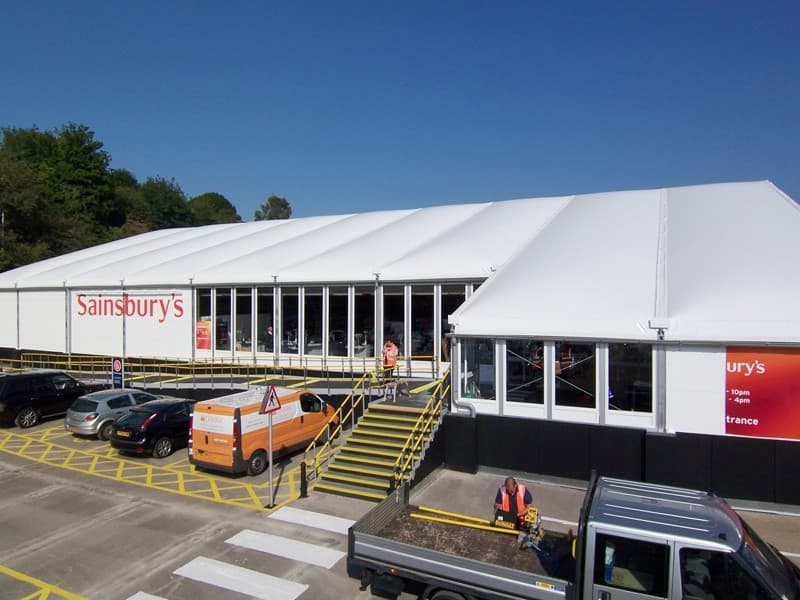
Many refer to temporary buildings with an aluminium frame as industrial tents, as the frame here resembles that of a modern, freestanding large tent. The frame may look like the frame of a large tent, but it has a much larger and stronger profile. This enables it to offer the durability of permanent buildings, as well as flexibility in terms of use and financing.
But what makes aluminium structures so durable and flexible, and how can your company benefit from this?
Strength and durability
In terms of quality, there are many misconceptions about temporary buildings with aluminium frames. And referring to them as industrial tents or as “temporary” does not help, of course. The word “temporary” refers to the fact that the structure can be dismantled and reused – not that it can only be used for 6 months.
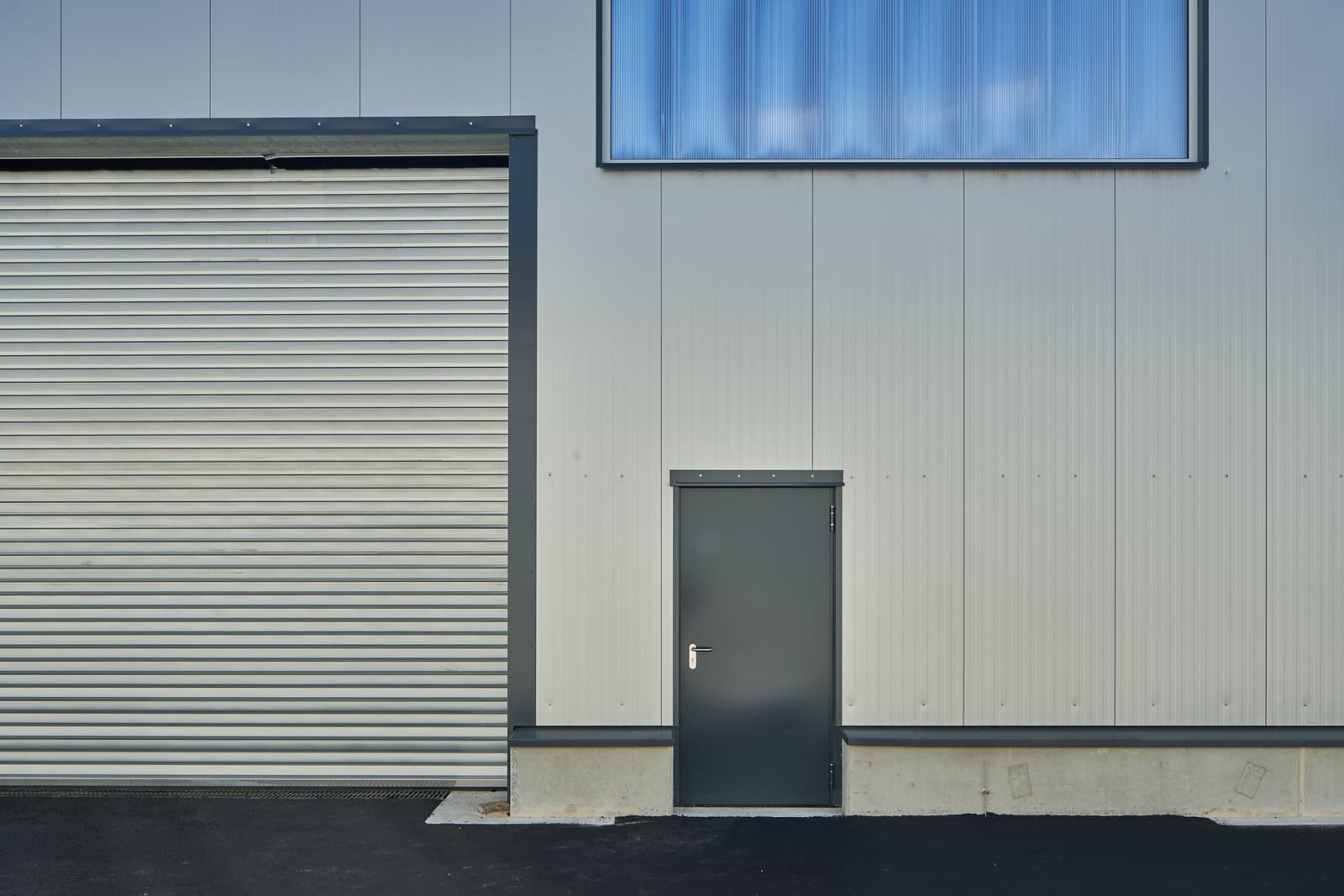
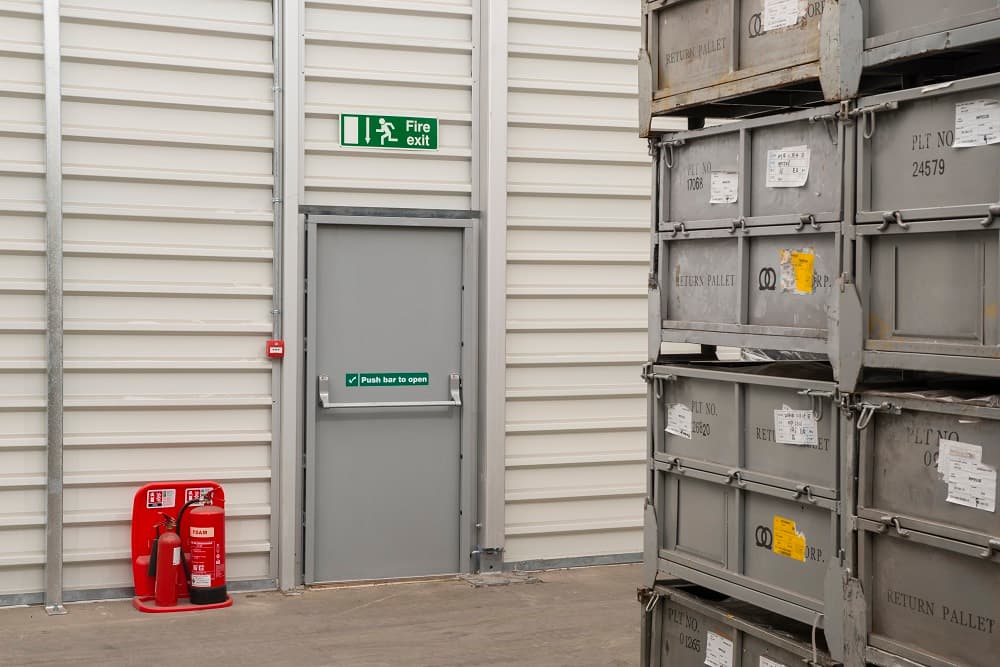
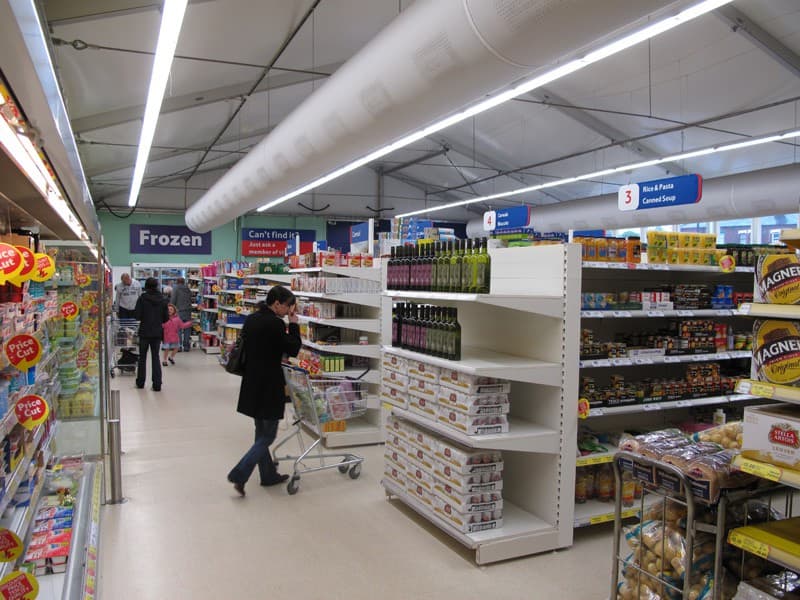
Temporary buildings comply with the country-specific building regulations regarding structural safety, and can be used in the short or long term (many companies have been using their buildings for more than 20 years).
Other misconceptions arise from the assembly technique, which is similar to that of a modern freestanding marquee – in this case, the frame is fixed directly onto existing hard surfaces such as concrete, without the need for a foundation.
However, the lightweight aluminium frame used for temporary buildings can be significantly stronger than the frame of a marquee, while still retaining the lightweight qualities that make it so easy to assemble.
This enables an assembly process that is quick (usually less than a week) and economical, and which hardly disrupts day-to-day operations. Through this installation process, the building can later be easily dismantled, relocated, and modified, making short-term rental contracts possible, while also offering a purchase option for longer-term requirements.
Flexibility
Once companies understand that the buildings can be erected quickly and cost-effectively, while still offering quality and durability, they can take advantage of the benefits in terms of flexibility.
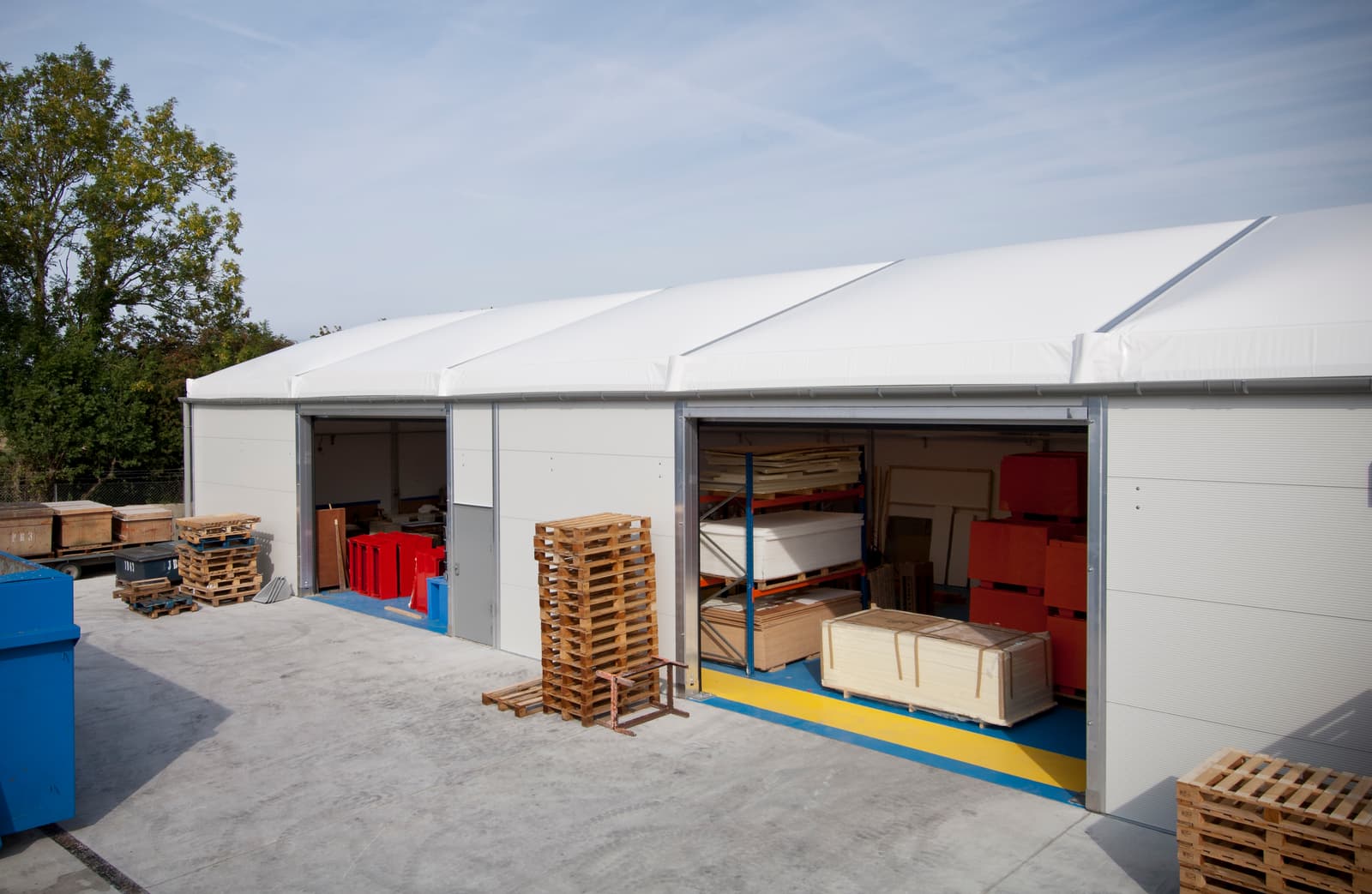
- Imagine being able to expand your storage or operational space on site straight away.
- Imagine being able to accommodate large, unexpected new orders or projects for your customers for which you currently have no space – on time, on site, and at minimal cost.
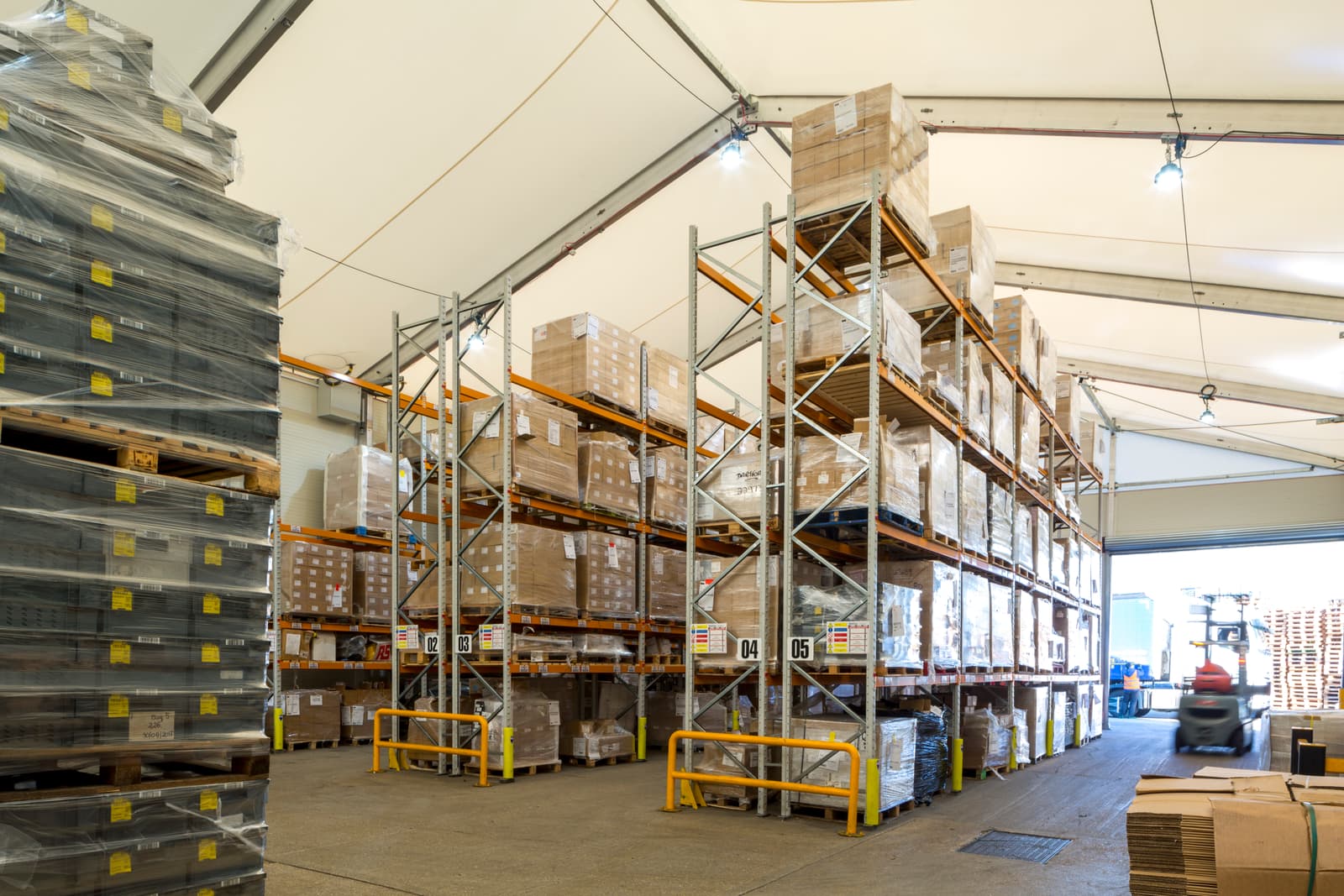
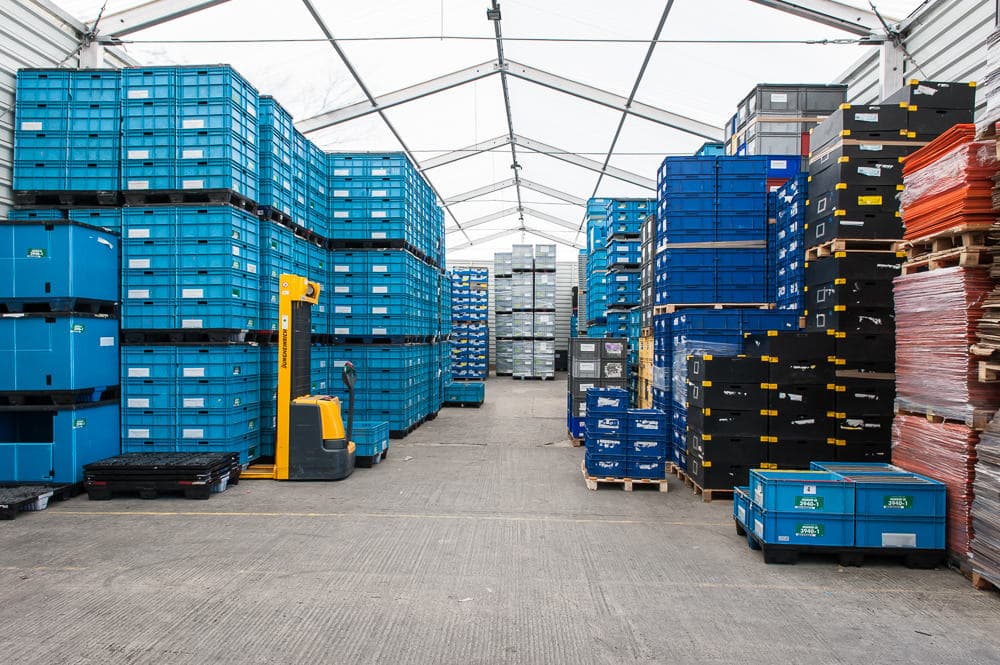
- Imagine being able to bring your external storage space back under one roof within a matter of weeks and for a fraction of the cost of a permanent building. This means consolidating stock, reducing fuel costs, and speeding up ramp-up times.
- Imagine your existing facilities are bursting at the seams and yet you are still able to create additional temporary space on site for certain periods, allowing your project to be carefully planned rather than rushed.
- Imagine you need more production space and some of your stock would need to be moved out of storage… and so on.
The flexibility offers some genuinely strong advantages that cannot be ignored.
And although temporary buildings will not be suitable for every company, those that do use them cannot deny that their operations have never been so efficient, economical, and flexible – and all in a completely straightforward way.
Here you can learn more about temporary buildings and find out whether your company can also benefit from them.