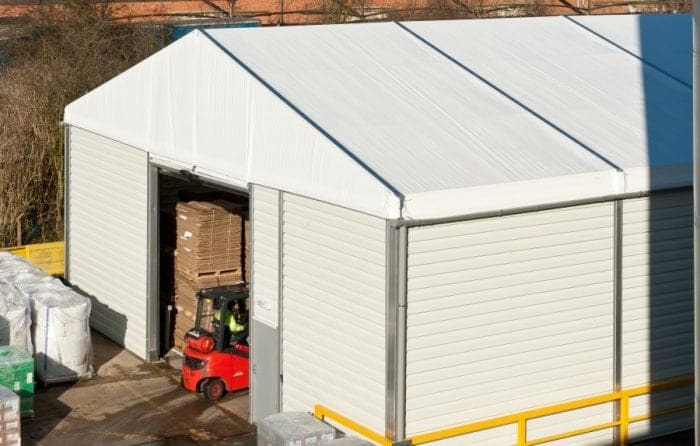
Roof coverings for temporary buildings
Depending on the required insulation, there are various options for roofing for temporary buildings.
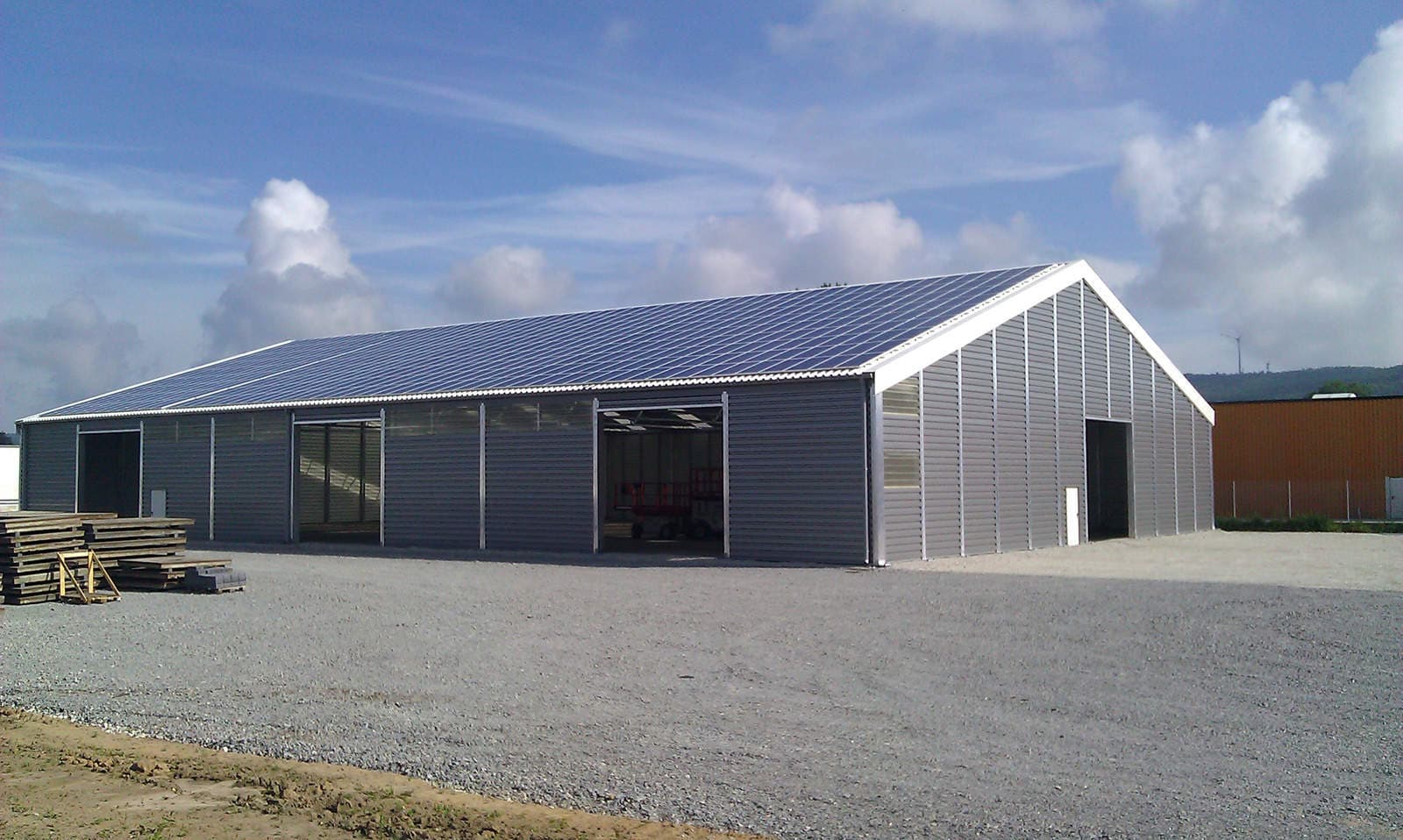
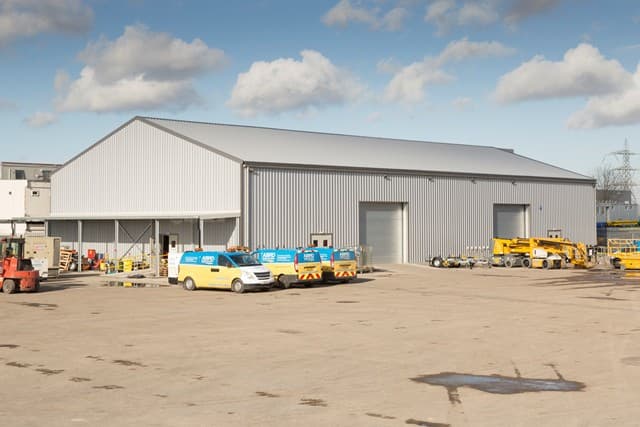
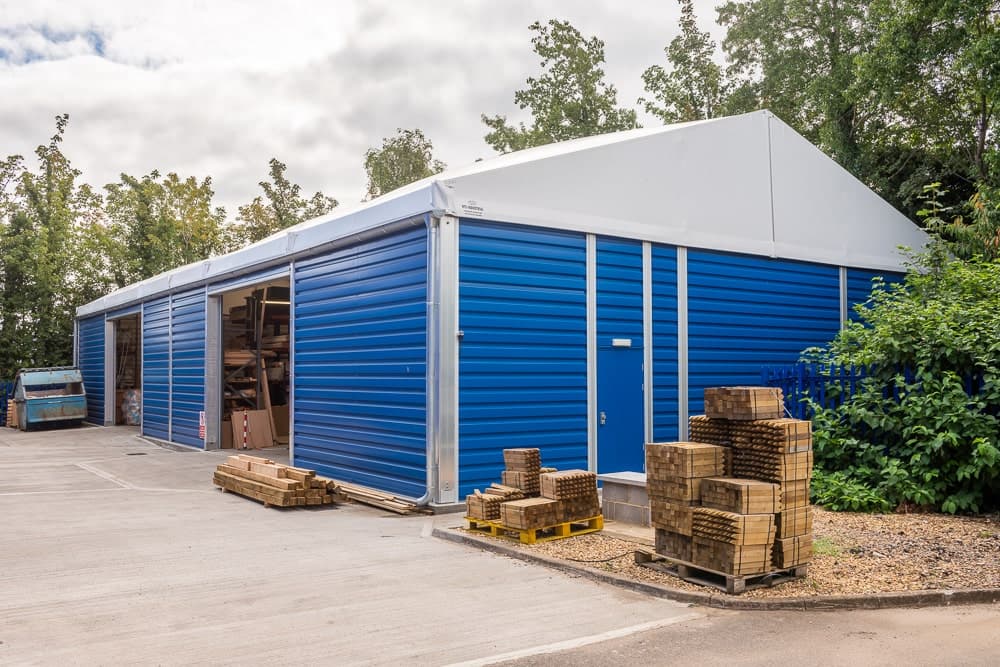
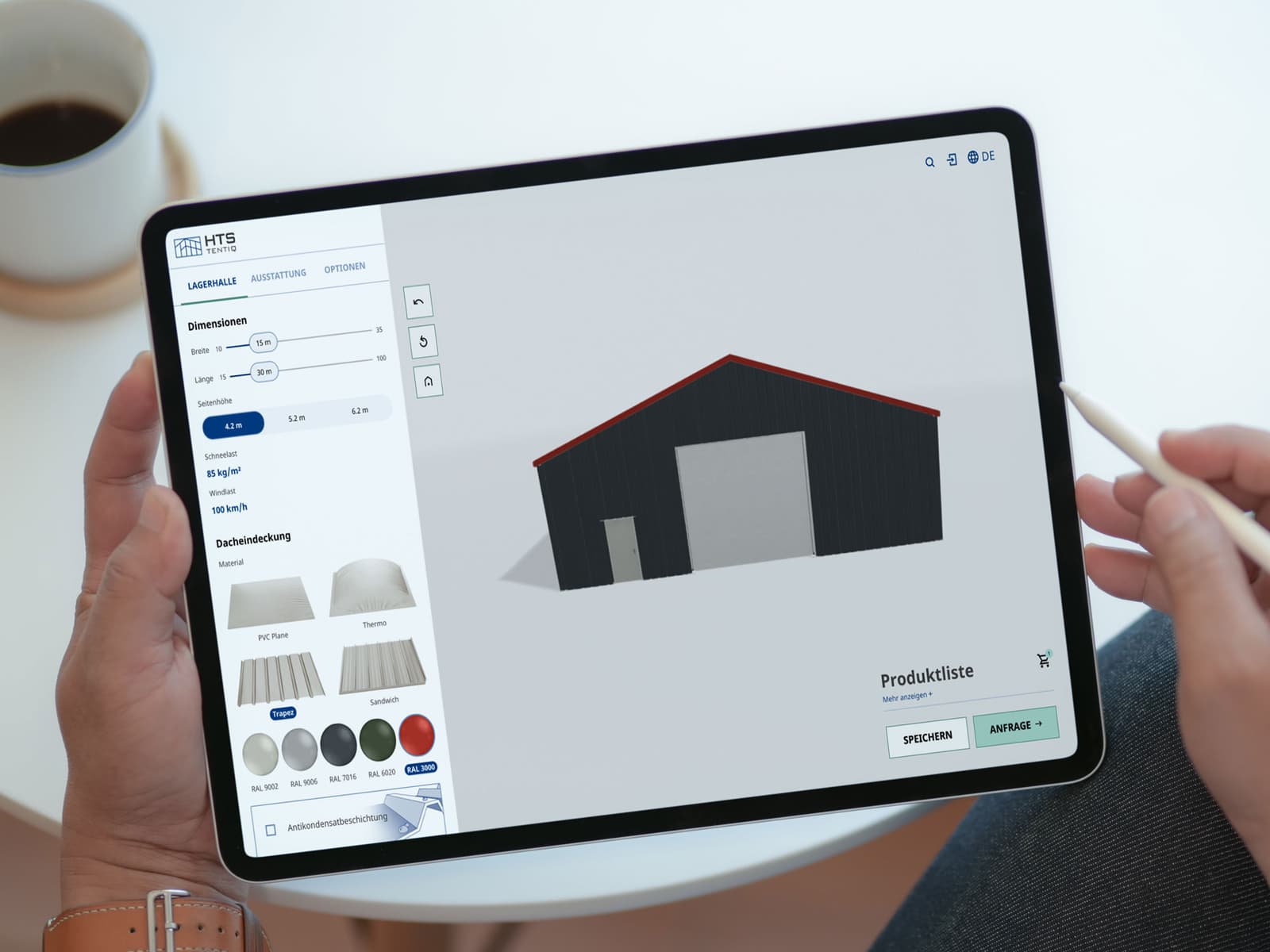
Most commonly, a high-performance, flame-retardant PVC roofing system is used. This material can consist of single-layer roofing sheets or double-layer thermal roofing sheets, the cavities of which are filled with air to enable better temperature regulation and minimise condensation. Another option is a fixed roofing solution, either with trapezoidal sheets or insulated panels made of steel composite materials.
There are repeatedly reservations about PVC roofs, as they are said to be insufficiently durable and not to meet requirements. However, this type of covering offers numerous advantages and is very well suited for long-term commercial use.
PVC roof systems
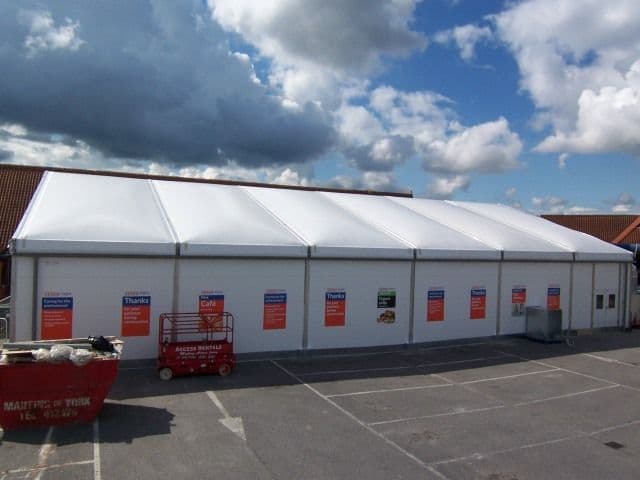
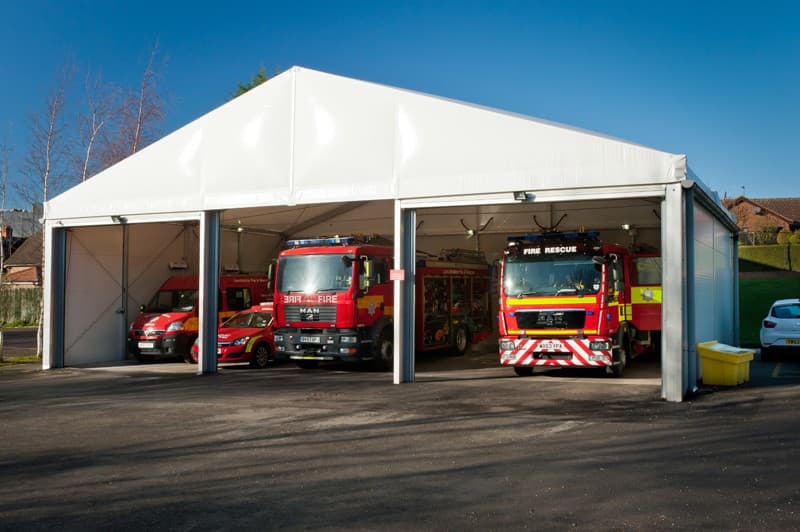
PVC roof systems are manufactured from high-quality PVC materials. Compared to permanently installed roof systems, PVC tarpaulins are extremely easy to install and require no maintenance.
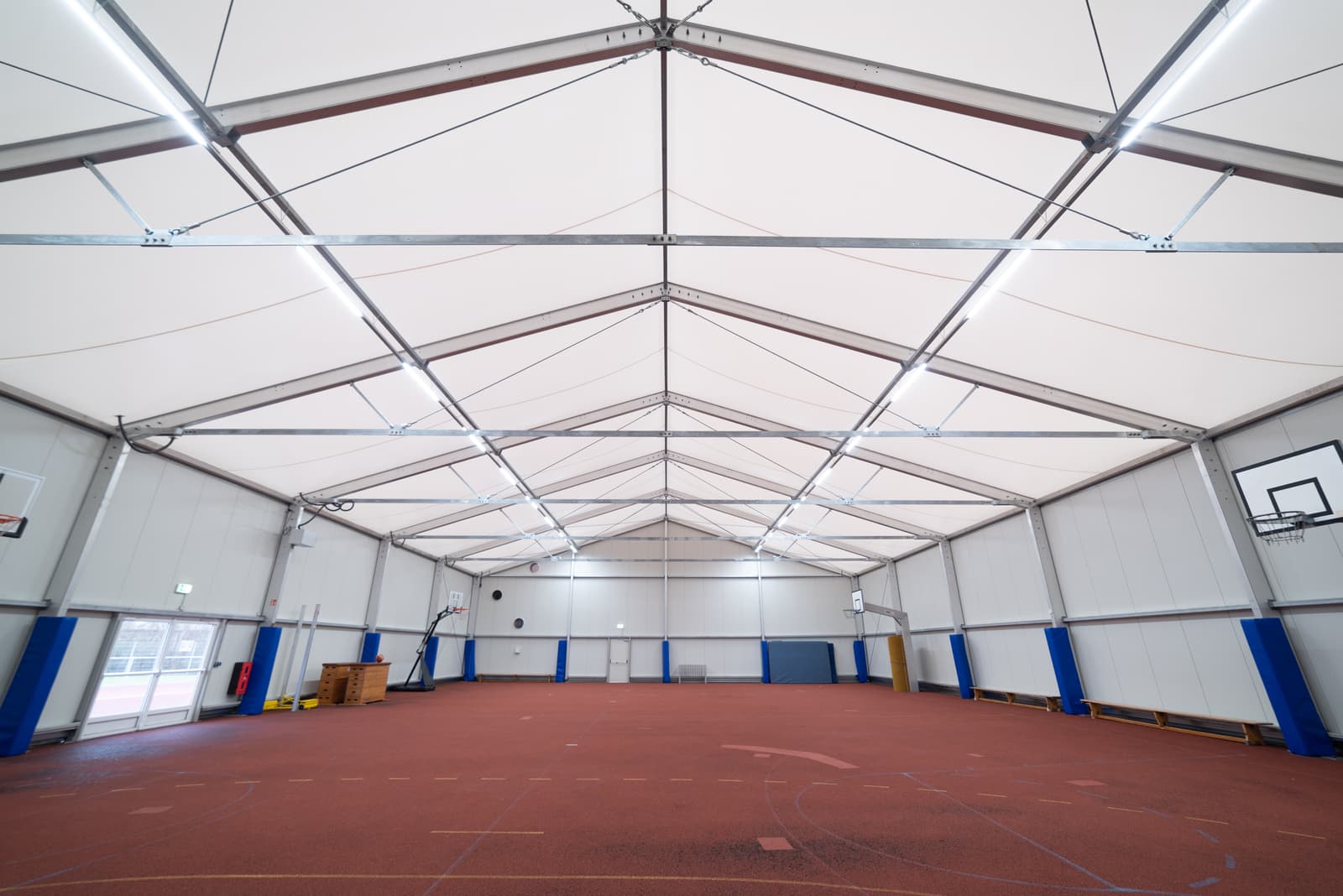
Although they are exceptionally durable, PVC coverings can be installed within one day. The process does not require special access to the roof structure and involves only a low level of labour. The individual tarpaulins are drawn between the frames and tensioned at the eaves. In addition, several intermediate purlins are installed in the roof structure. This prevents water pooling during heavy rain and avoids sagging. Should they become damaged for any reason, they are easy to replace.
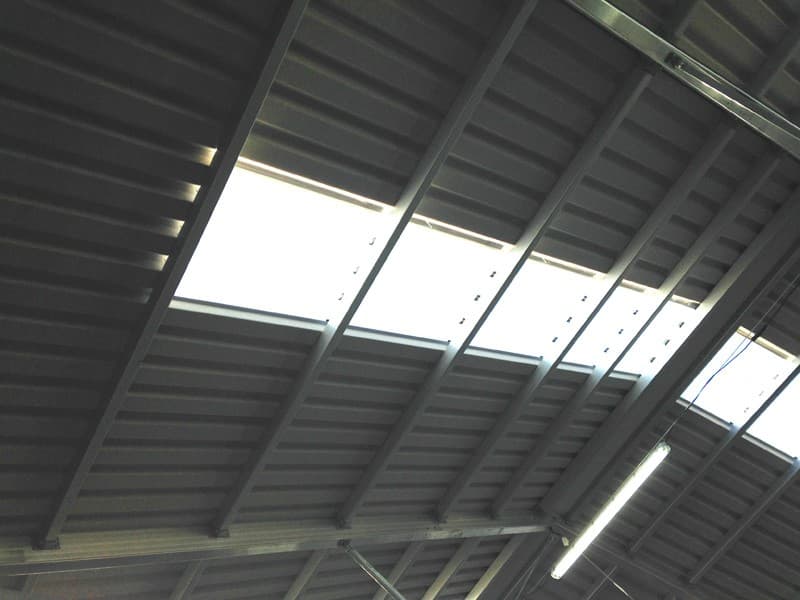
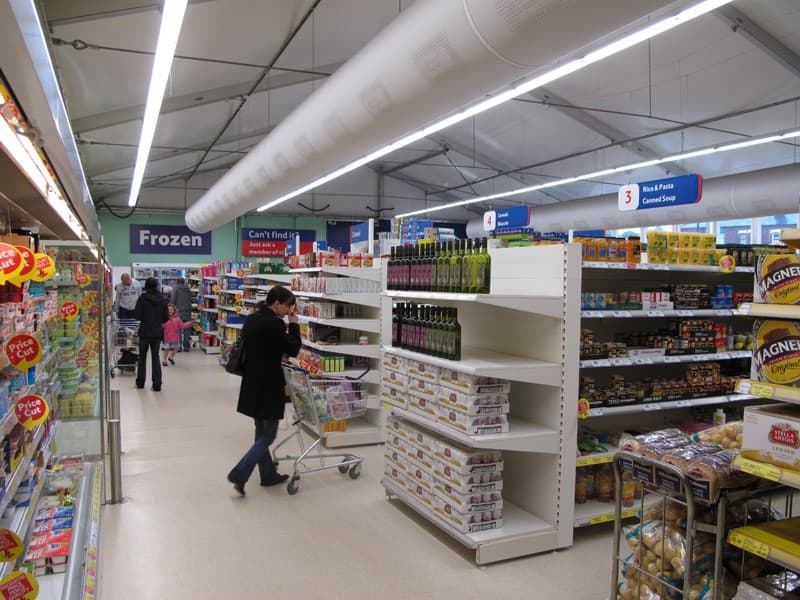
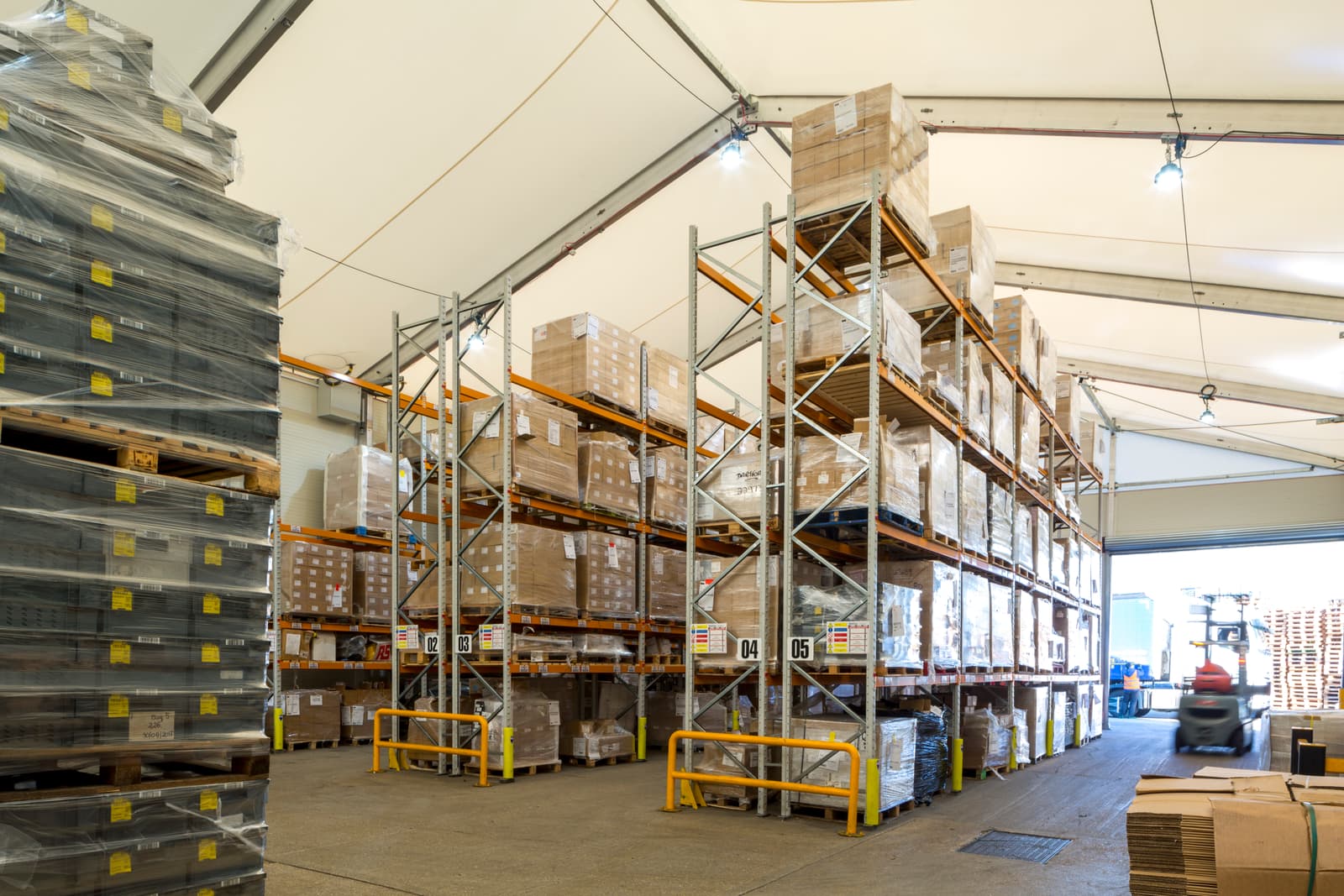
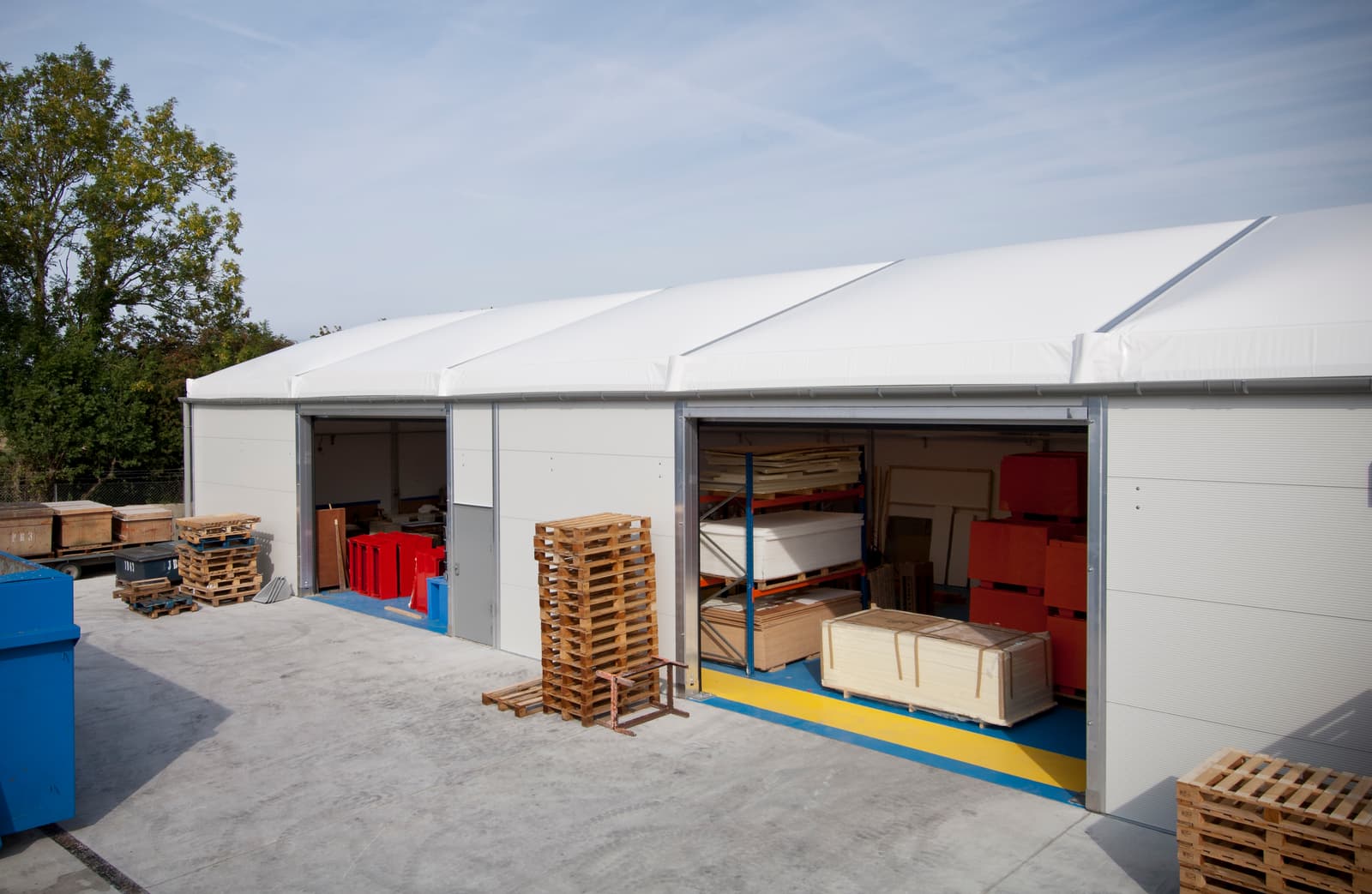
The material complies with international fire protection regulations and is standardly translucent, allowing a high level of natural light into the building. This in turn results in significant energy savings.
The standard colour of the PVC sheets is white. However, the roof can also be produced as opaque and in any other colour in order to comply with local authority building regulations or to match corporate branding. All PVC roof tarpaulins from HTS are treated to prevent fungal growth and are UV-protected.
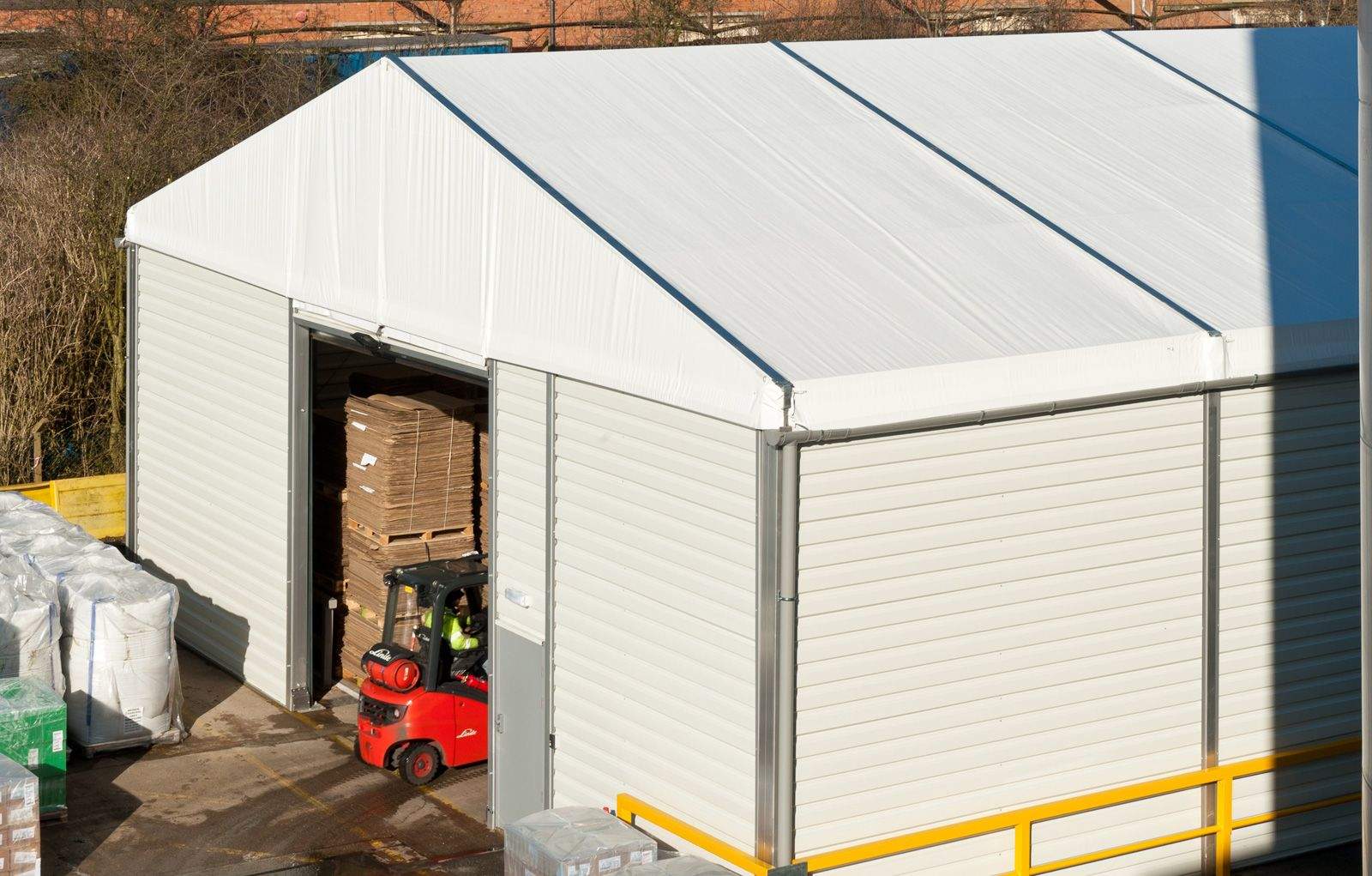
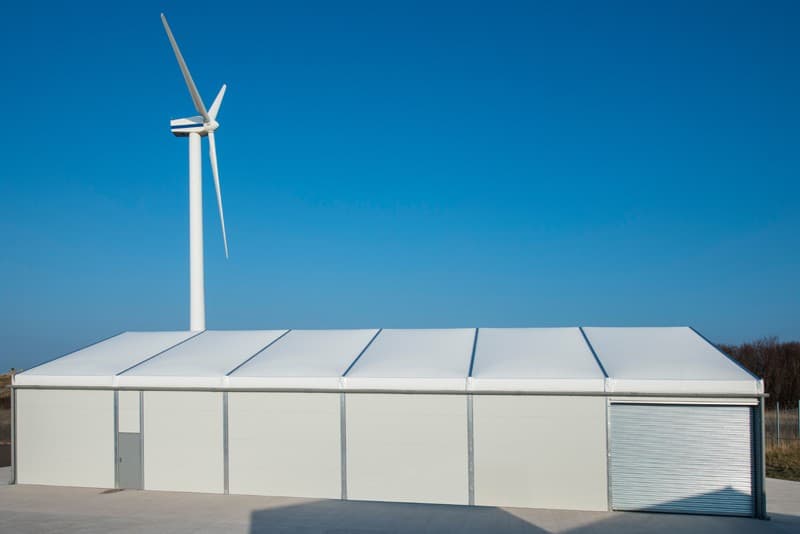
For companies that require a simple on-site storage area to protect goods from weather conditions and theft, single-skin PVC roofs offer an uncomplicated, fast, cost-effective, functional and durable solution.
This type of roof covering does not allow for temperature regulation and provides no protection against condensation. However, these features are often not required for storage areas, making the additional expense of a higher-grade roof unnecessary. Alternatively, an additional inner liner can be installed to prevent condensation dripping.
Simple coverings for protecting goods outdoors or for loading bays are also examples where single-skin roof tarpaulins are ideally suited as roof coverings.
Anyone who is sceptical about PVC roofs compared to fixed roof coverings should bear in mind that many customers of temporary building systems have been using them without problems for several decades.
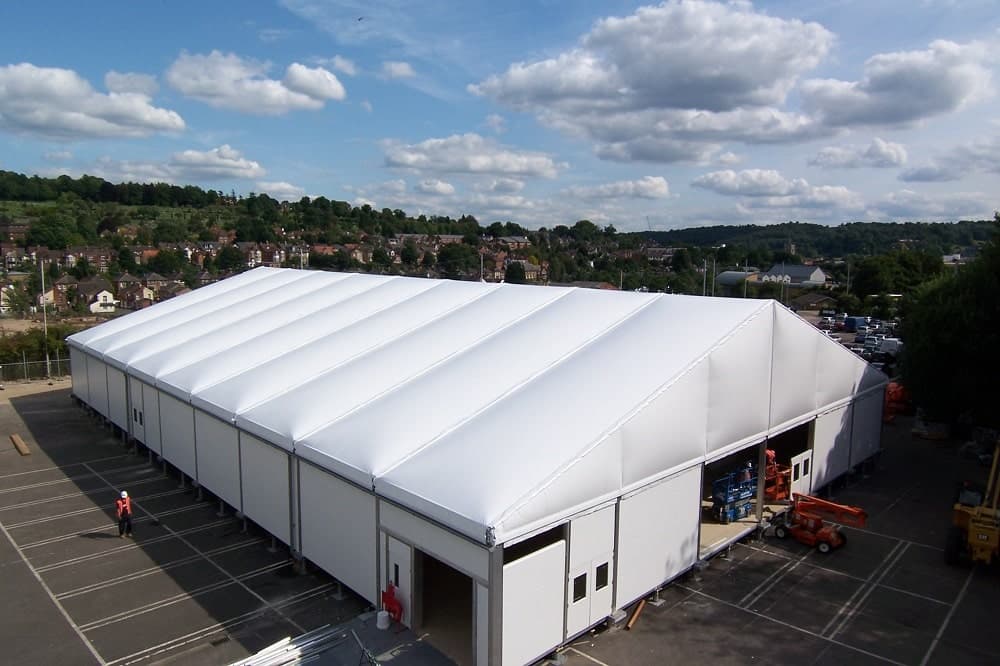
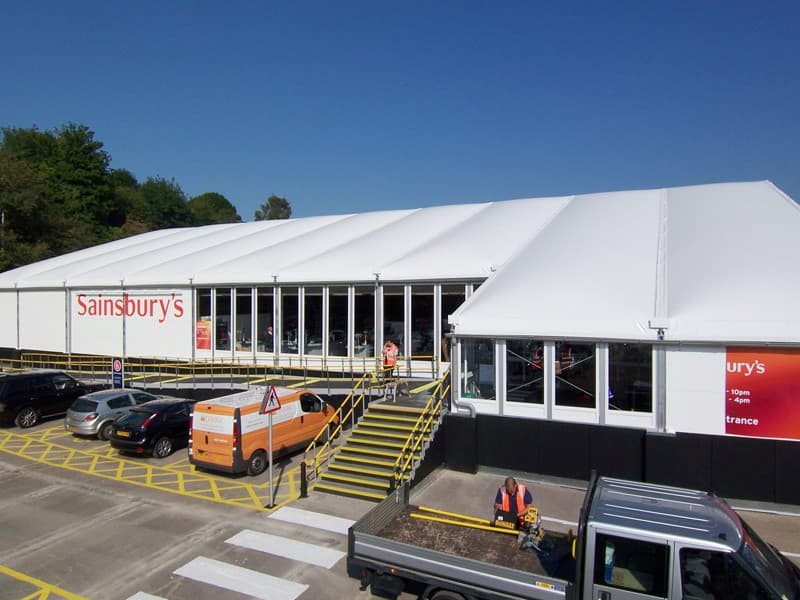
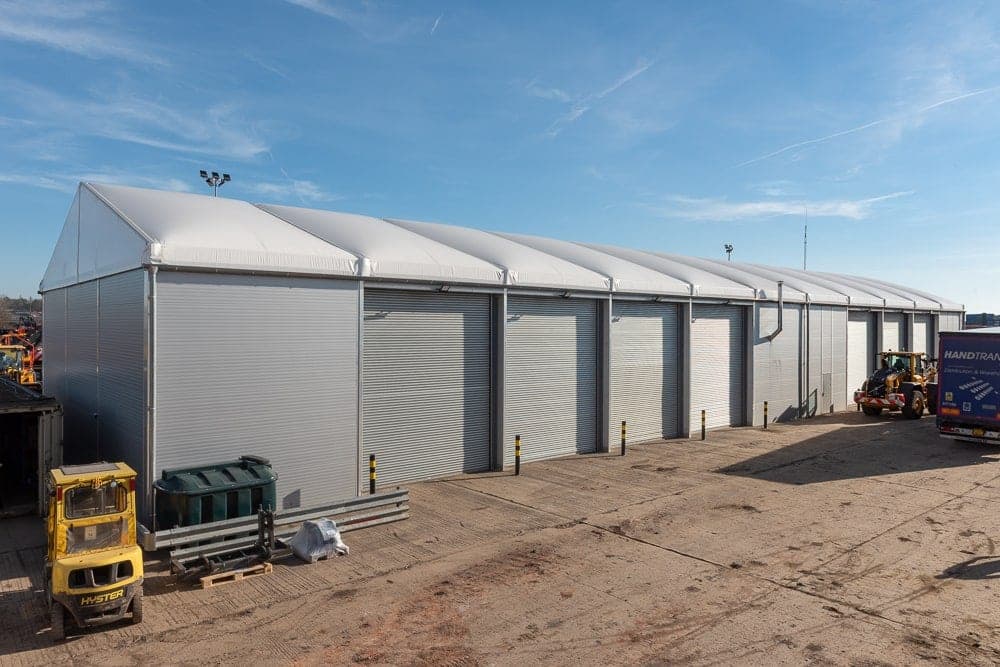
Double-skin PVC roofs are manufactured from the same high-quality PVC materials but feature a second layer.
Each roof section is then inflated using an automatic low-pressure compressor. An air-filled roof reduces noise levels and minimises condensation inside the building.
These double-skin thermal roof tarpaulins require only minimal ongoing maintenance, as the air pressure is maintained by a pressure pump.
This type of roof for temporary buildings is better suited when goods and equipment require additional protection against cold or condensation.
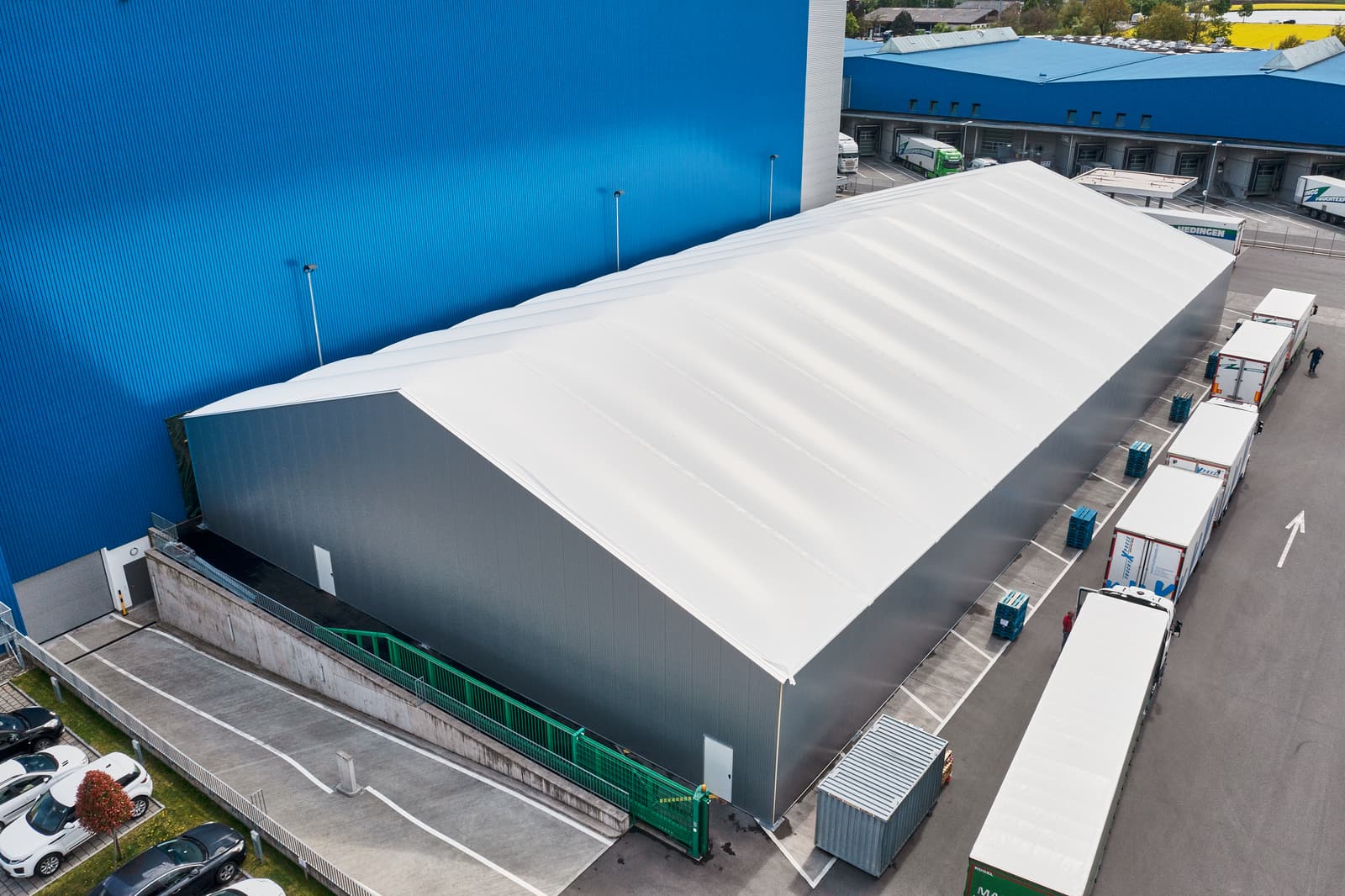
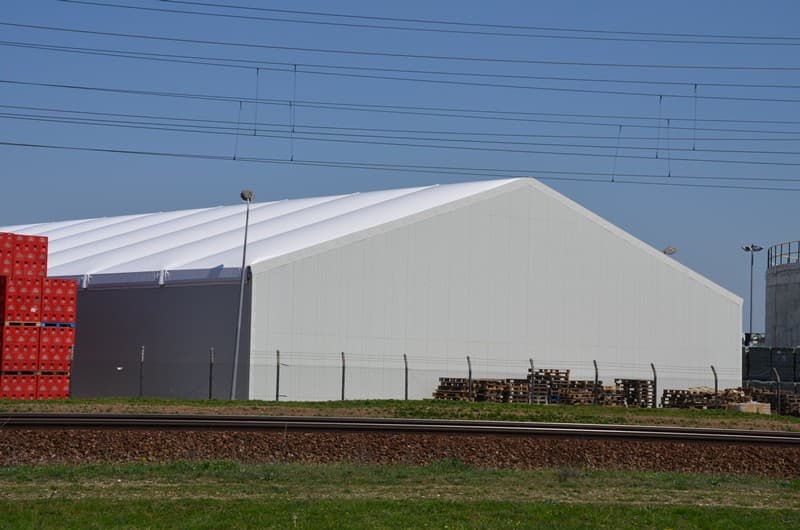
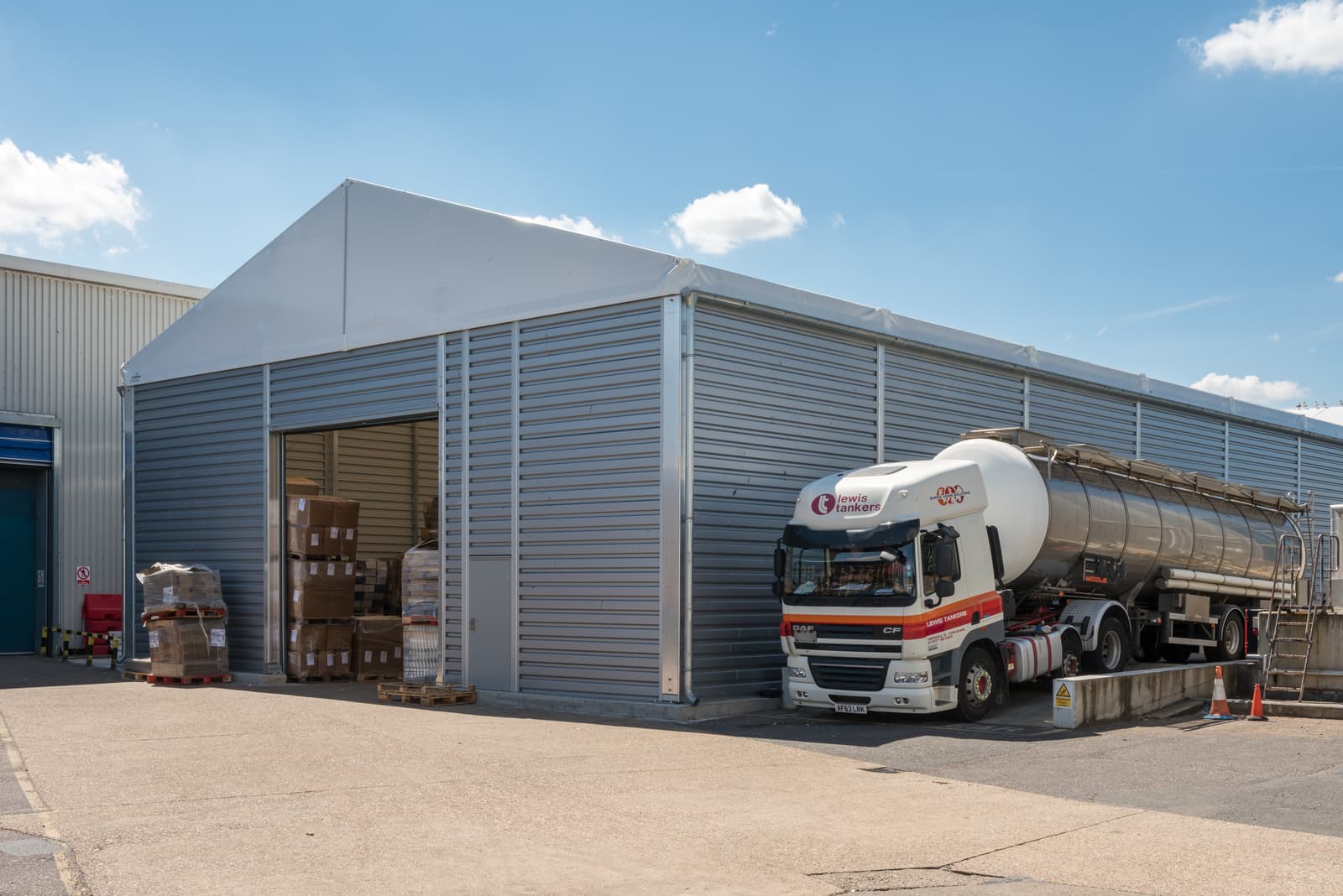
For functional or aesthetic reasons, the gable ends of temporary buildings may have different cladding from the roof itself.
Gable triangles made of double-skin thermal tarpaulins have no major impact on temperature regulation or the reduction of condensation. A combination with a single-skin gable triangle can lead to significant cost savings, without affecting performance or appearance.
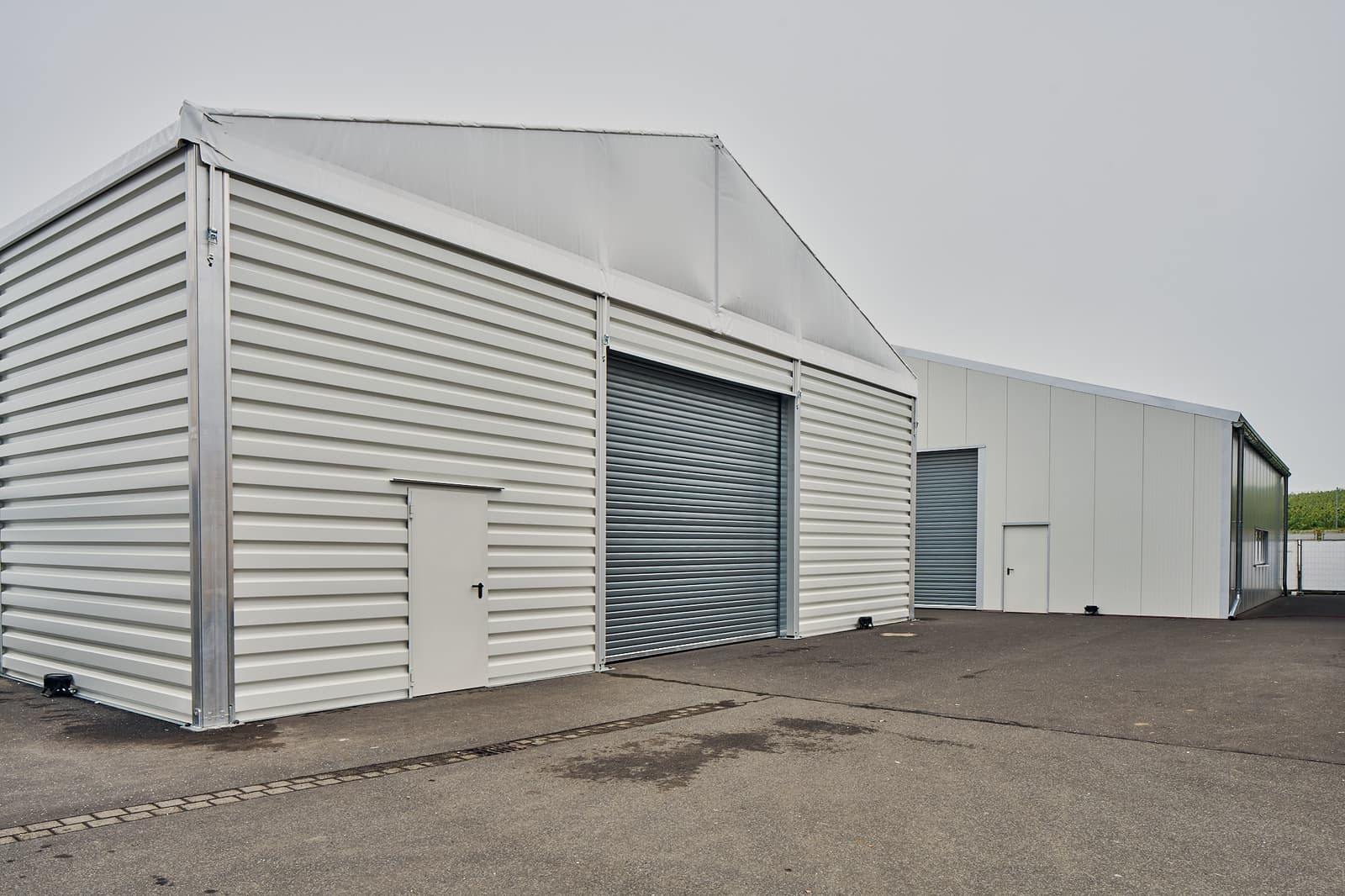
A combination of PVC tarpaulins and solid walls is also possible – in this case, the wall panels, whether insulated or not, must be installed horizontally to prevent water ingress at the junction.
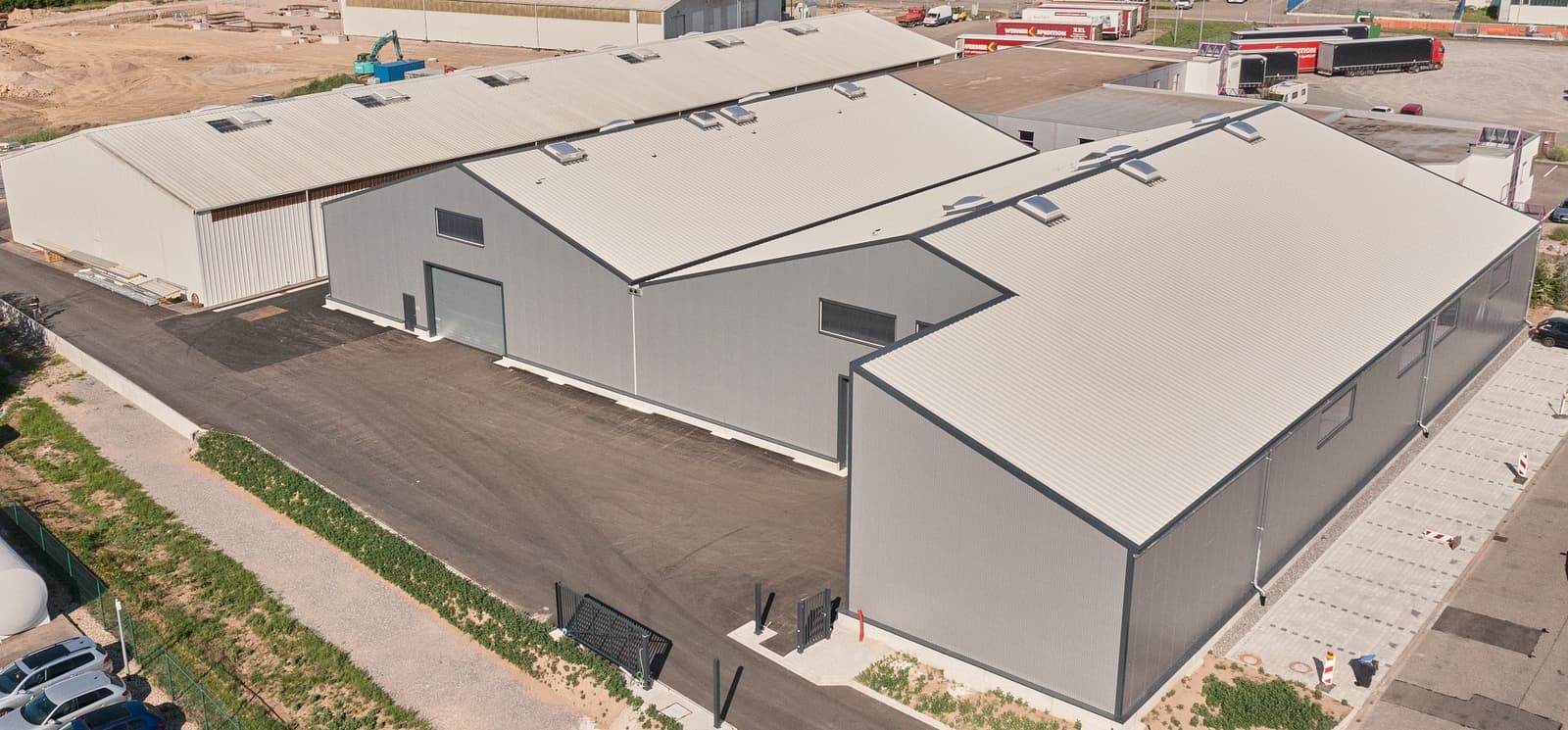
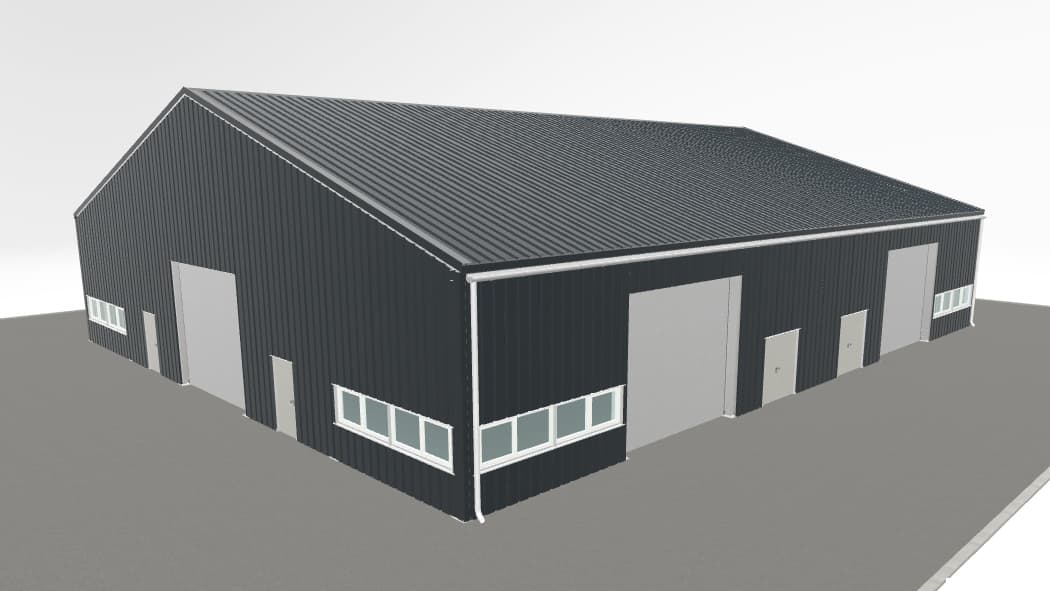
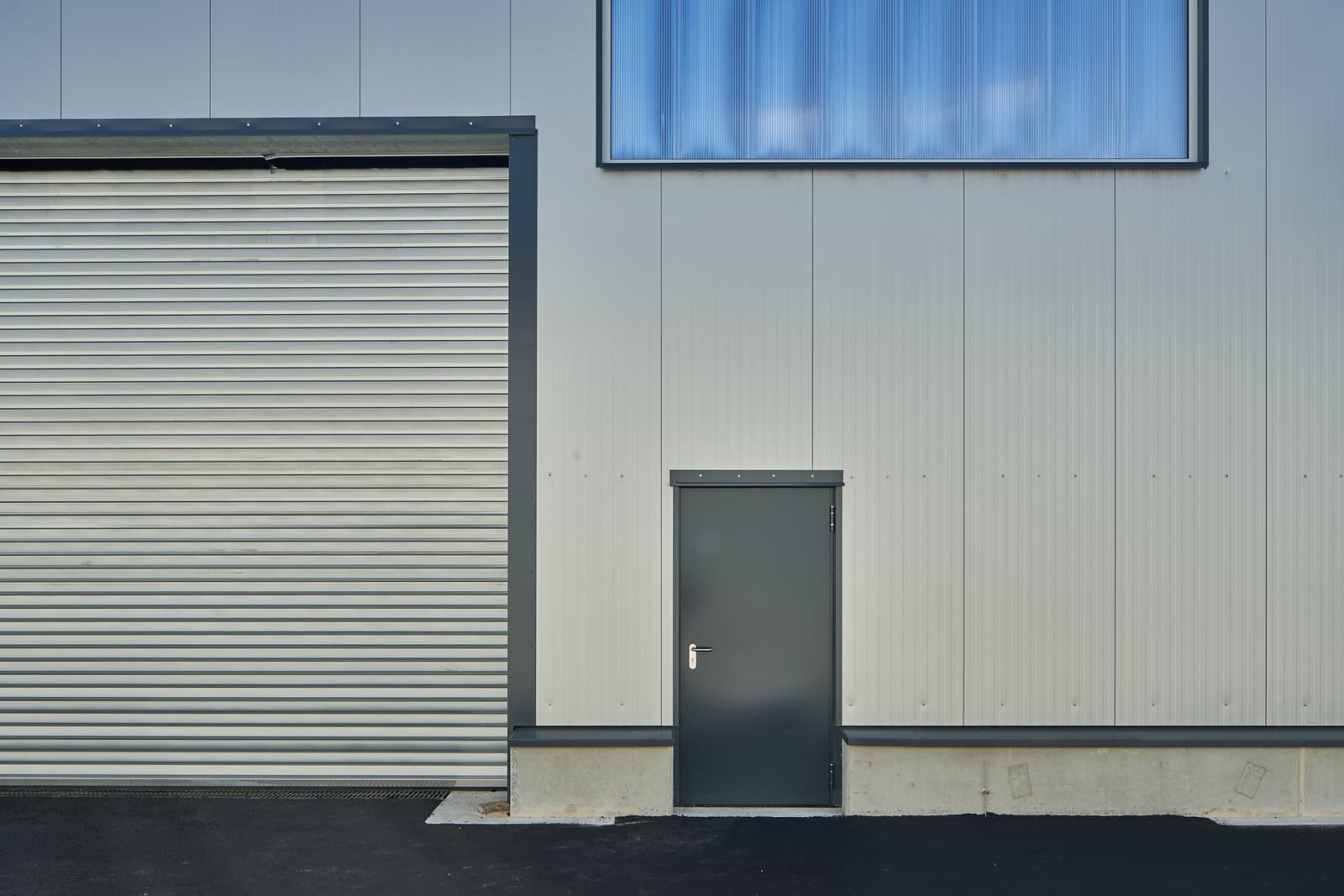
To create a space with more permanent full insulation, roof panels made of steel composites with sandwich filling can be installed on the framework of the temporary building. The panels are available in different thicknesses and colours.
The main advantage of roof panels made of steel composites is that they provide a more permanent solution for temperature regulation, while the installation as well as the dismantling or reassembly of the building at another location remains quick and straightforward.
How should I decide?
By far the most popular roof is the double-skin PVC roof. Temperature regulation and the minimisation of condensation are sufficient for most temporary buildings, while also offering long durability as well as lower installation and maintenance costs.
Viewing buildings with PVC roof systems is a good opportunity to gain a better impression of this roof type (and to realise that you are not investing in a tent!).
This allows you to see for yourself how these roofs are mounted and secured to the framework and wall systems. You will also have the opportunity to observe the amount of natural light entering and the difference between single- and double-skin roofs on site, enabling you to make a balanced decision between your requirements, budget and preferences.