Mobile storage buildings: These are the advantages and disadvantages of temporary lightweight construction buildings
Mobile storage buildings are a popular solution for companies that require temporary additional storage space. These flexible structures offer a wide range of advantages. However, there are also some disadvantages that should be taken into account when deciding for or against mobile storage buildings.
We take a closer look at the advantages and disadvantages of these mobile storage solutions.
What are mobile storage buildings in lightweight construction?
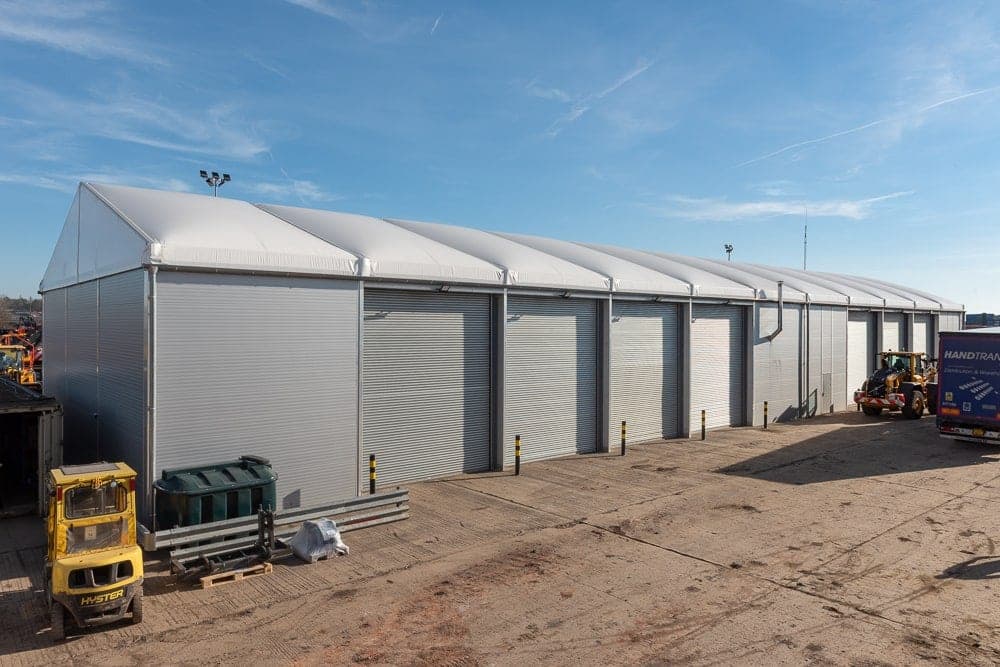
Mobile storage buildings in lightweight construction are temporary structures that can be erected quickly and flexibly. They are therefore particularly suitable for short-term requirements for additional storage space. Temporary storage buildings in lightweight construction are modular in design, enabling simple assembly and the ongoing expansion of the existing structure.
Using a lightweight building as a mobile storage building: what types of buildings are there?
The requirements for mobile storage buildings vary depending on their intended use. For this reason, different types of buildings have become established:
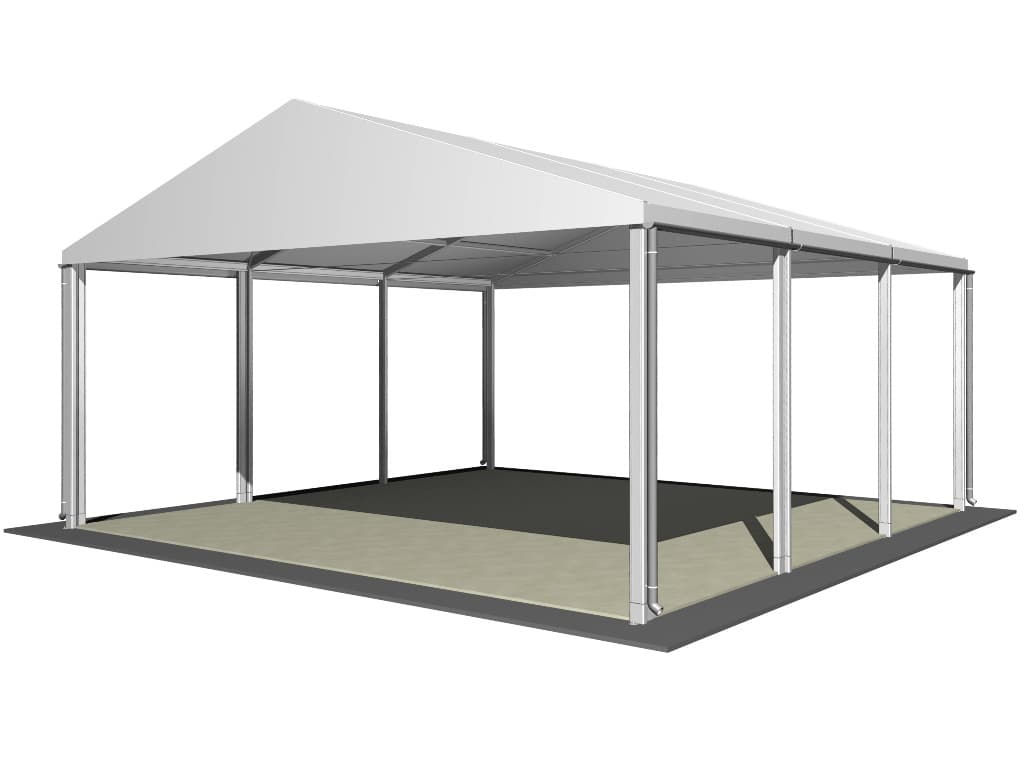
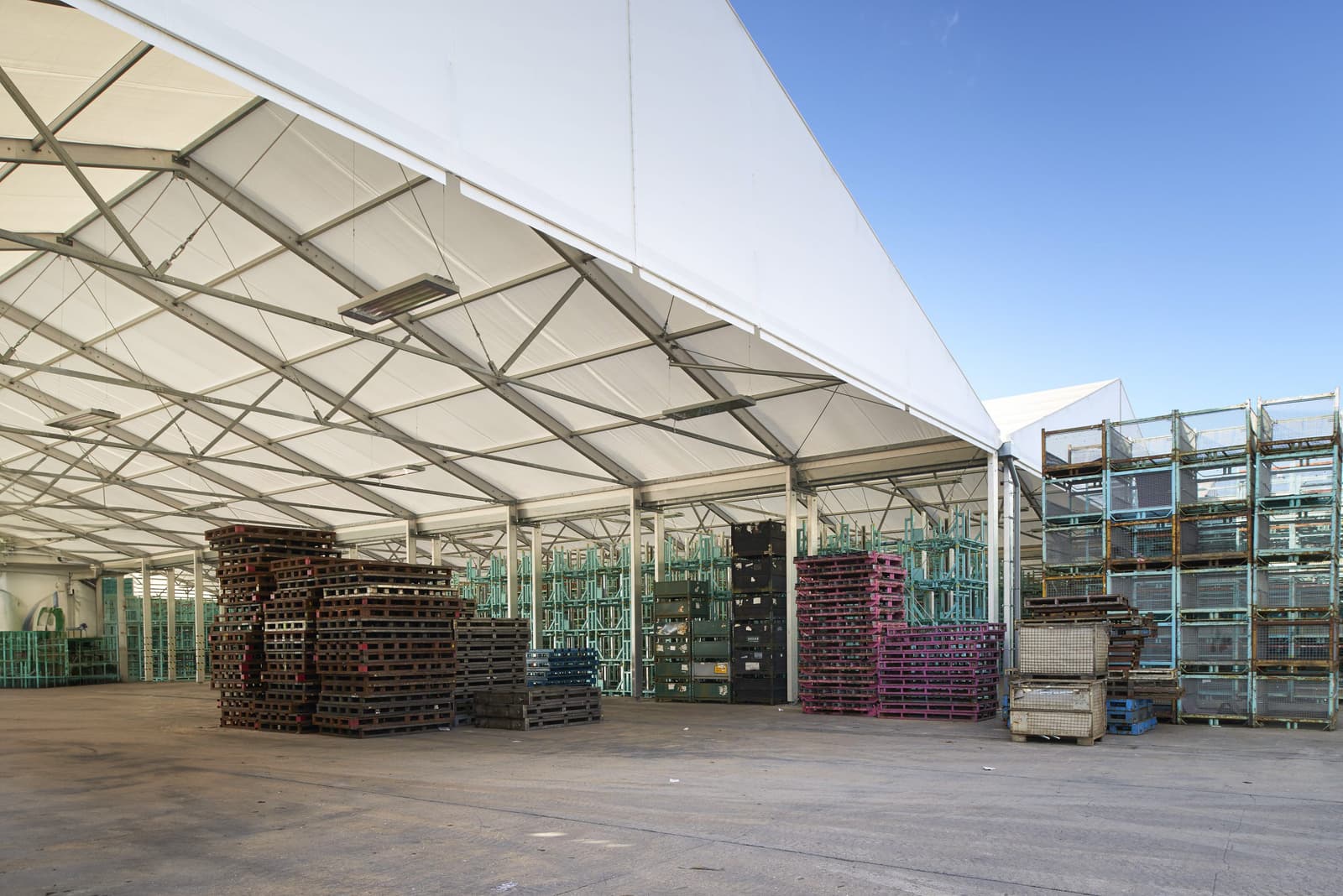
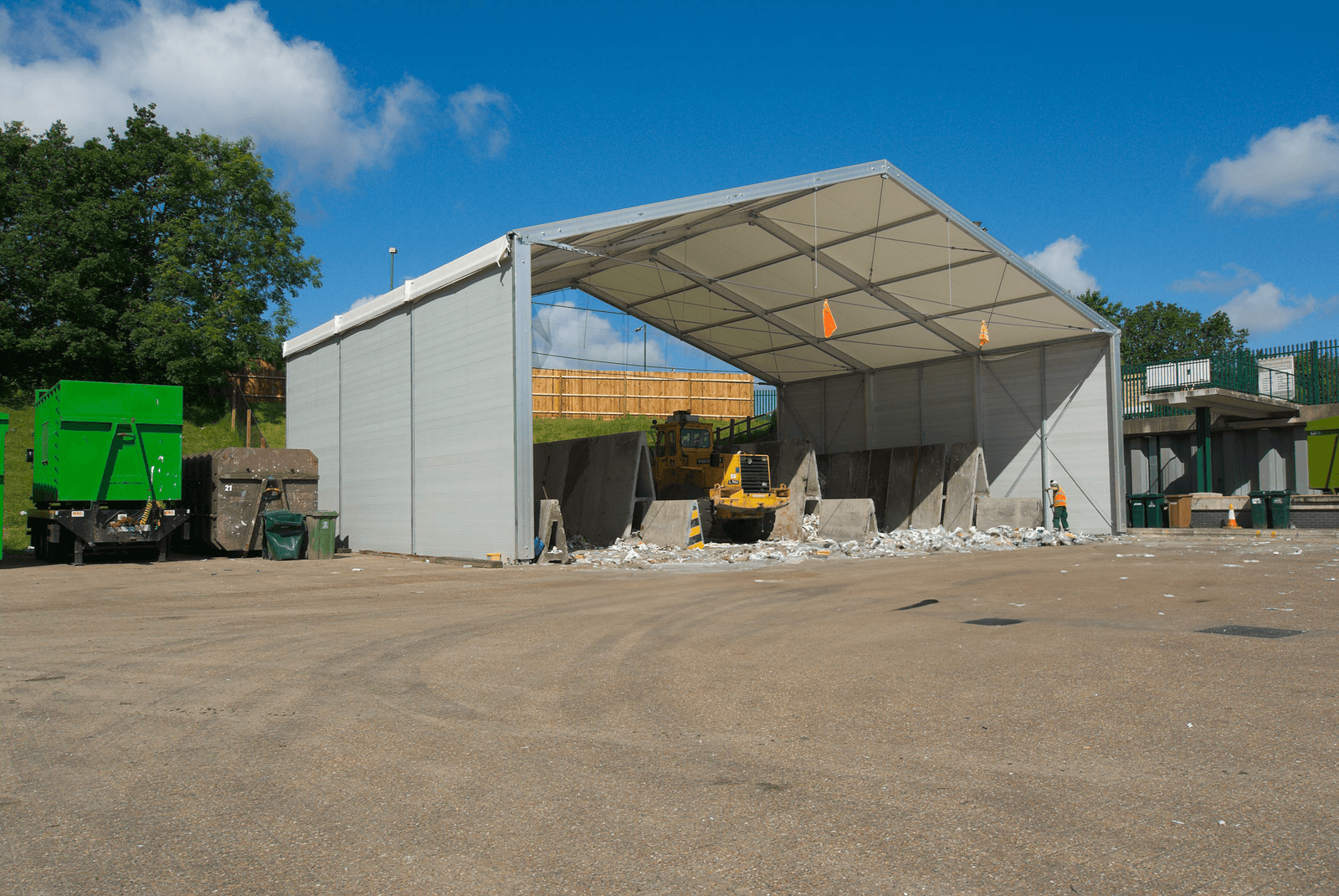
A temporary canopy protects insensitive goods and materials from weather influences such as wind, rain, snow and sun. Due to its open design, it is ideally suited for loading and unloading processes, but can also be used to protect machinery. A canopy is the simplest and most cost-effective option.
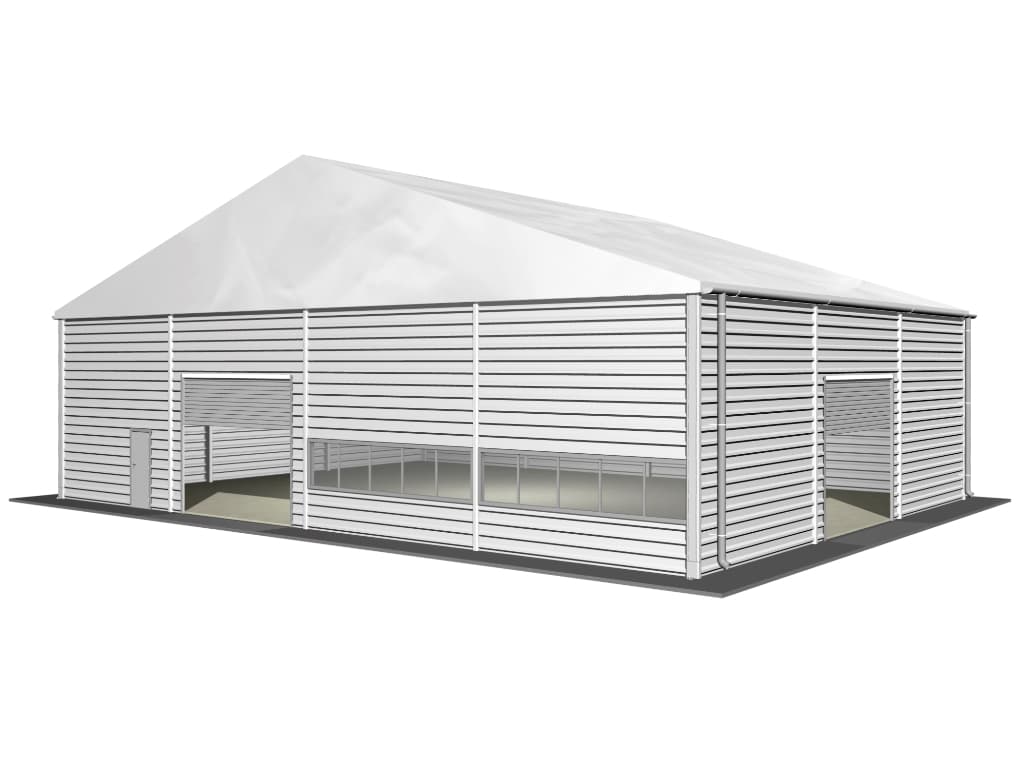
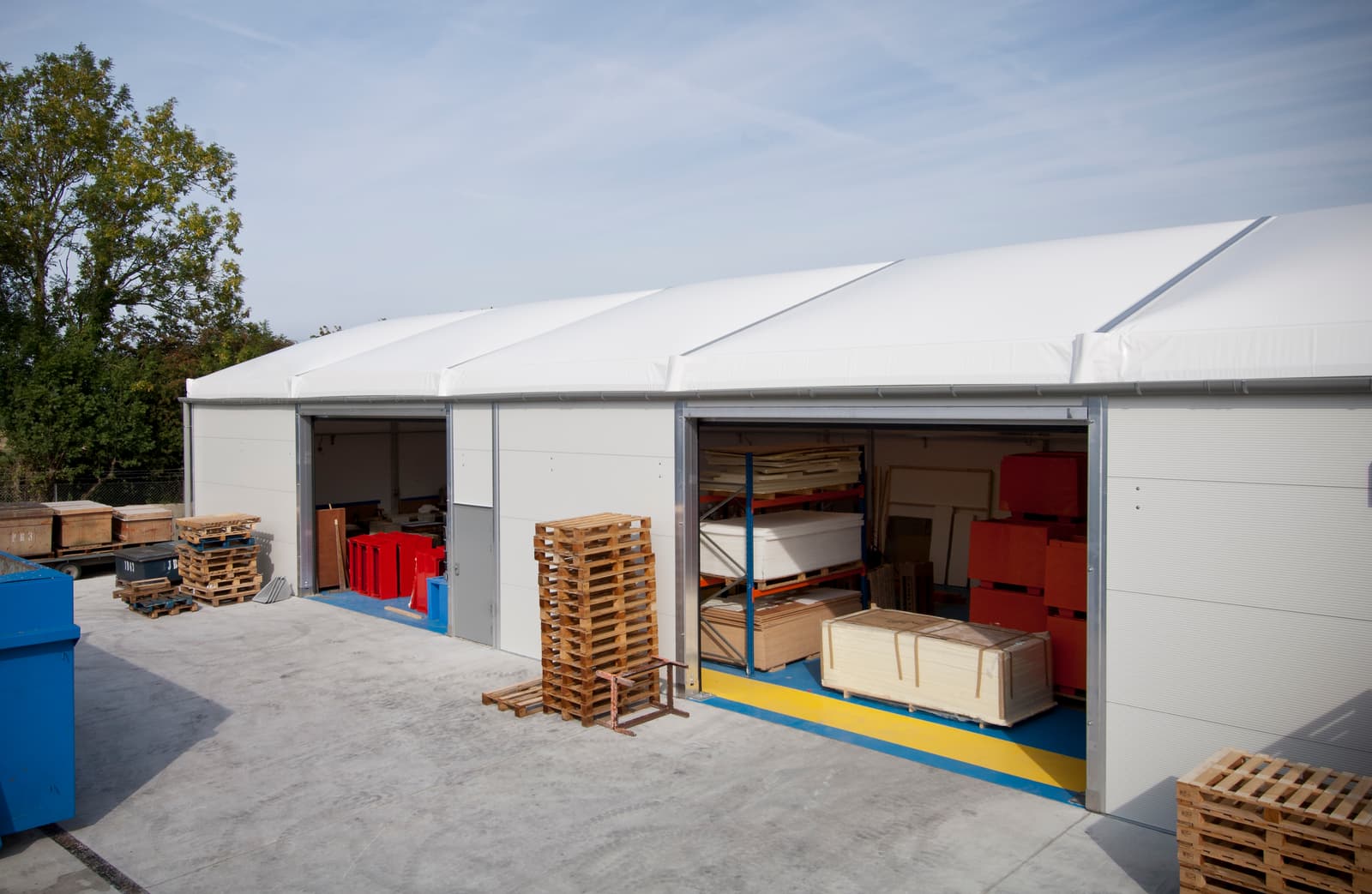
Non-insulated storage building
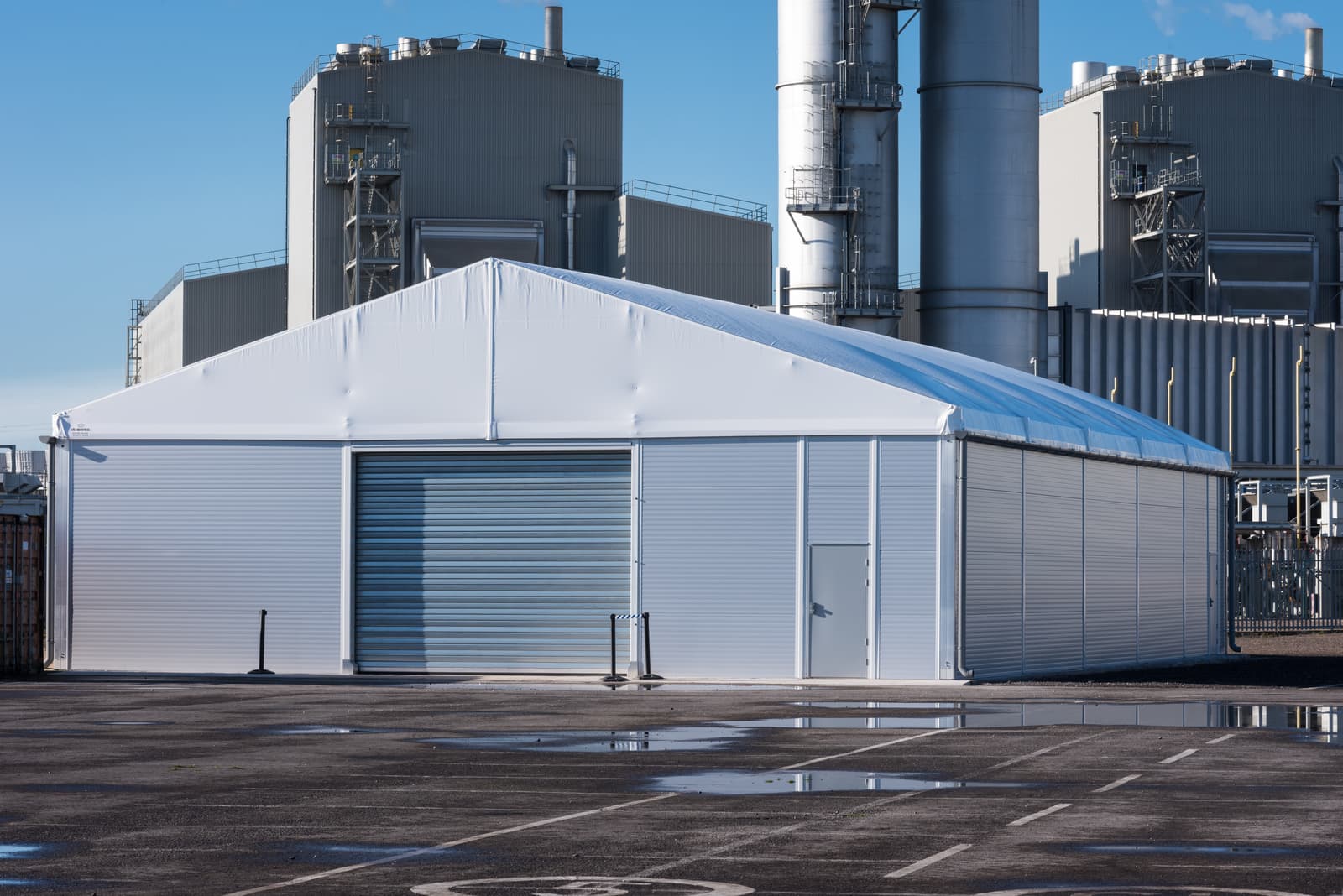
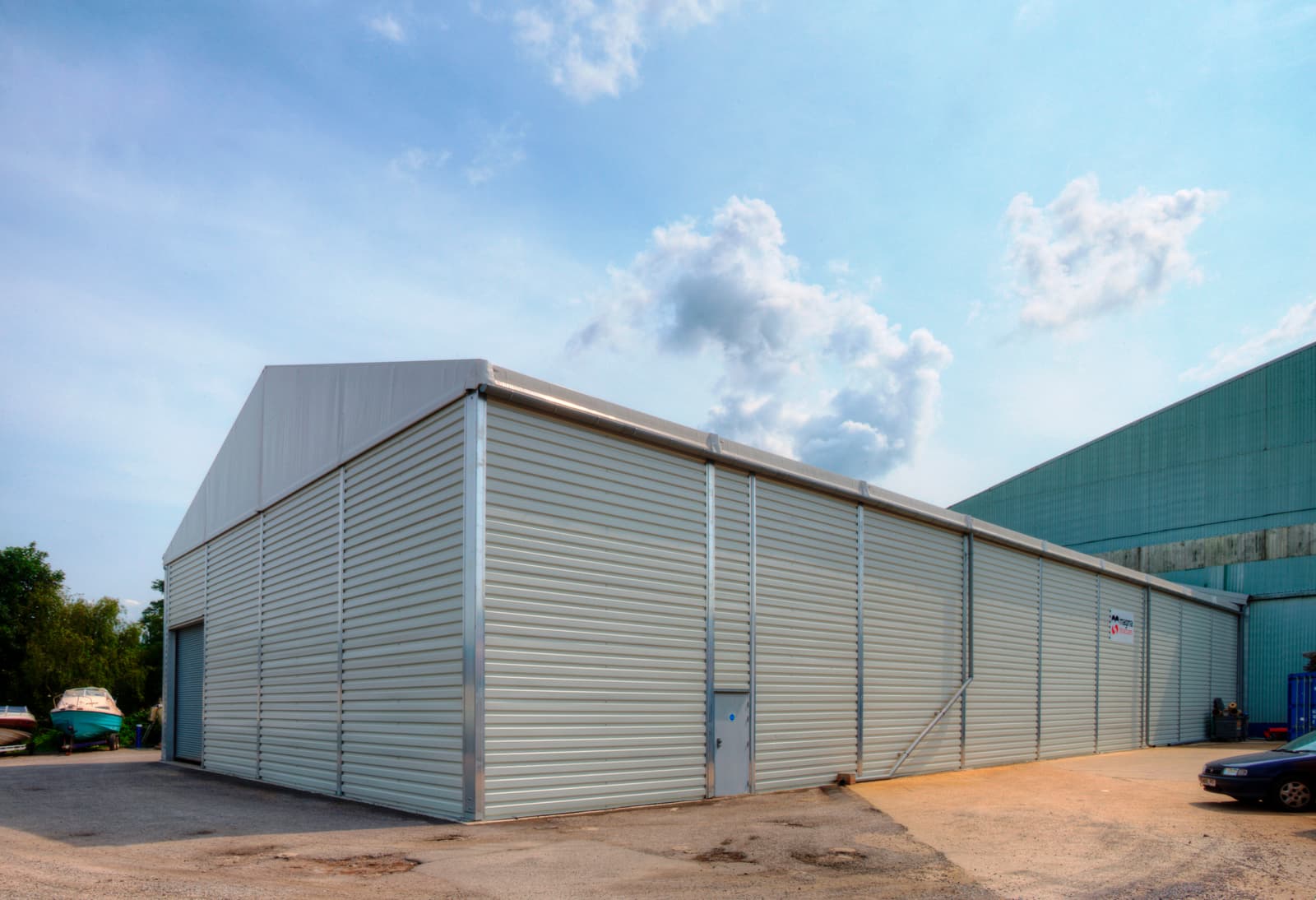
Mobile storage buildings that are not insulated are also referred to as cold storage buildings. They are the perfect place for goods and products that are not sensitive to temperature.
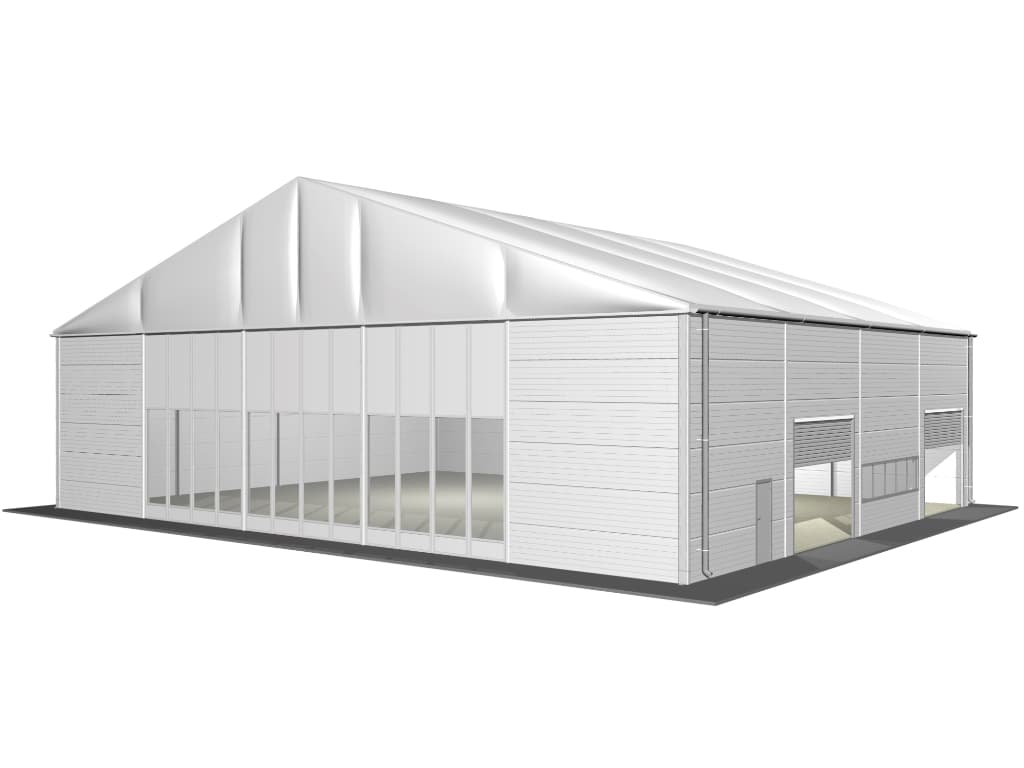
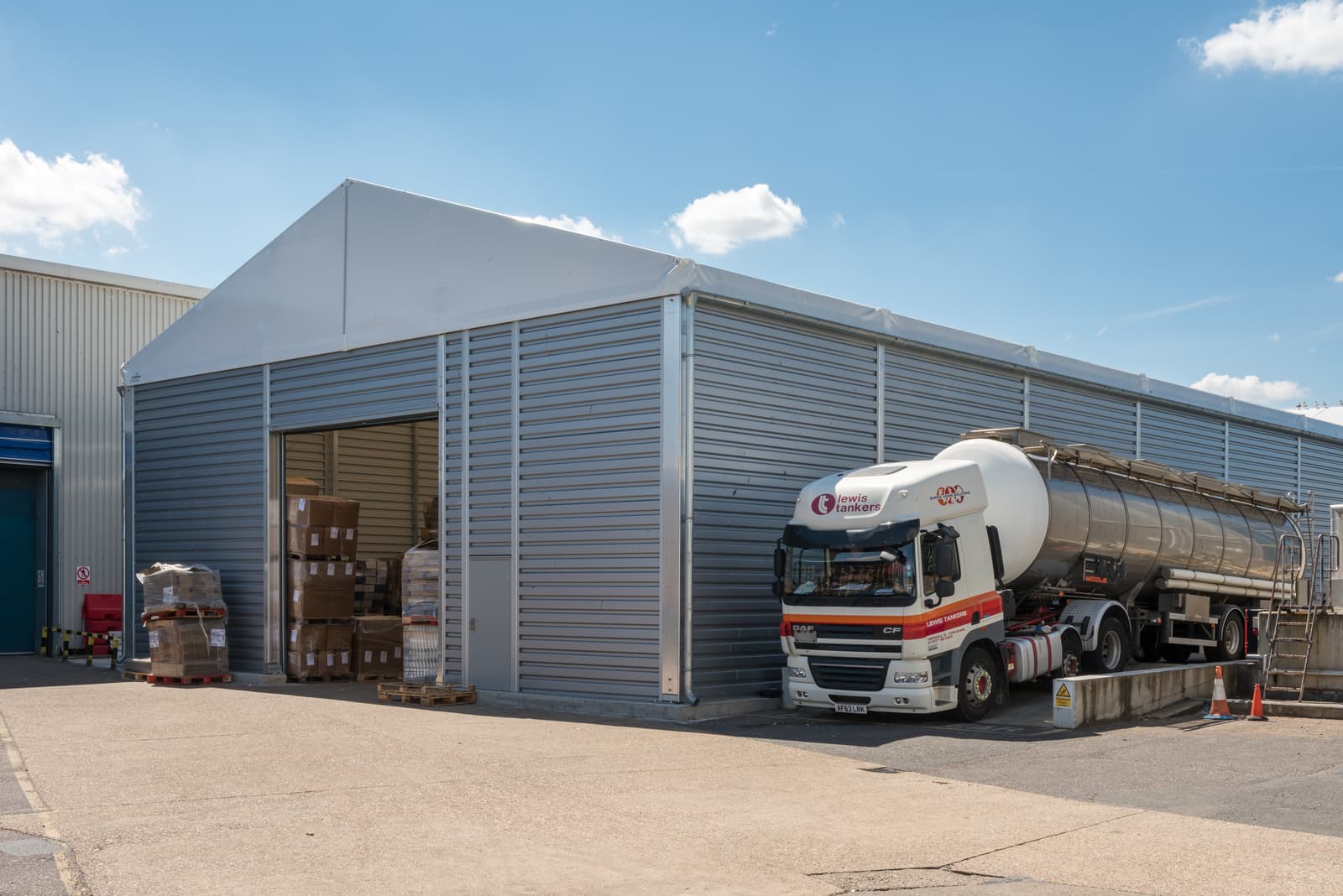
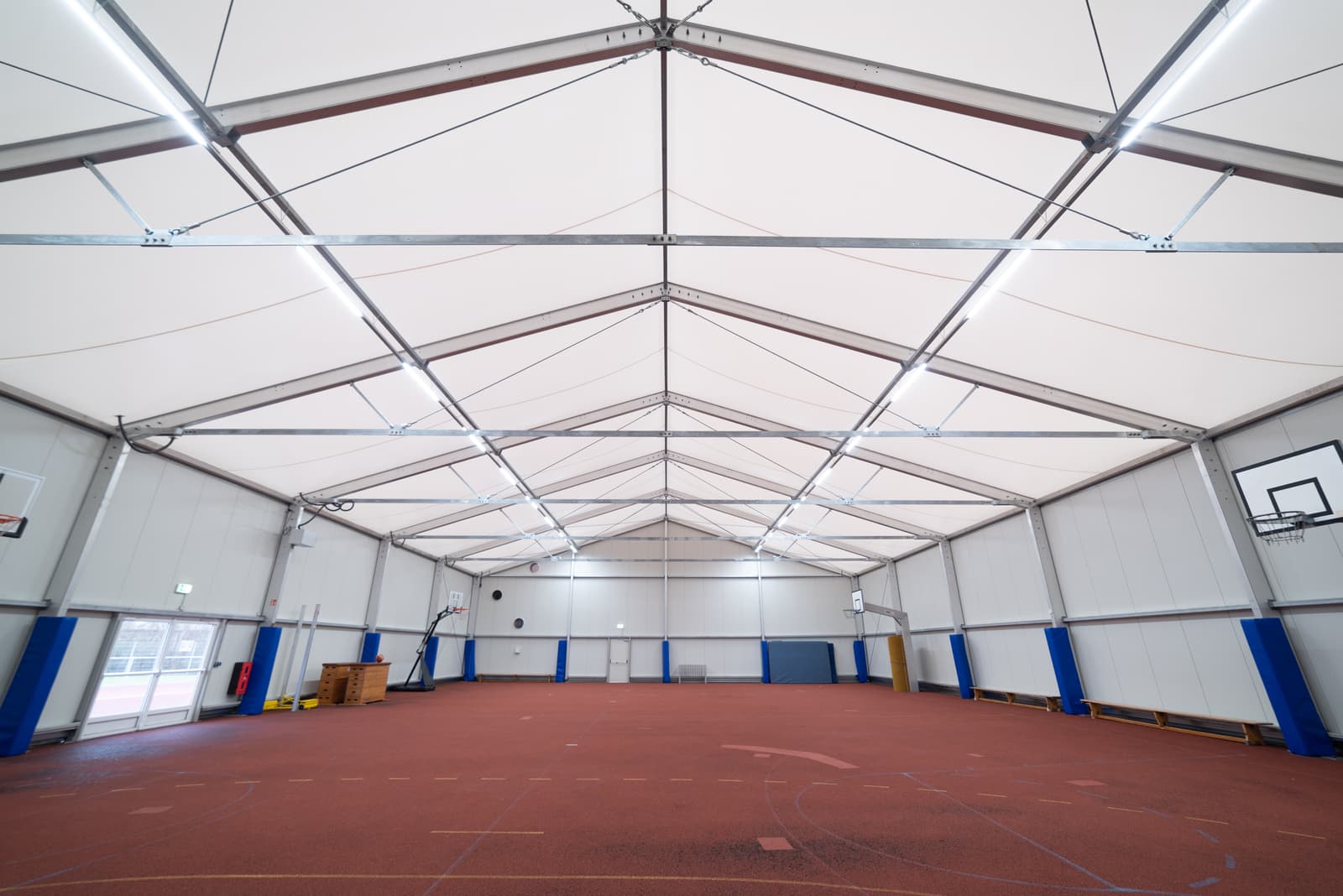
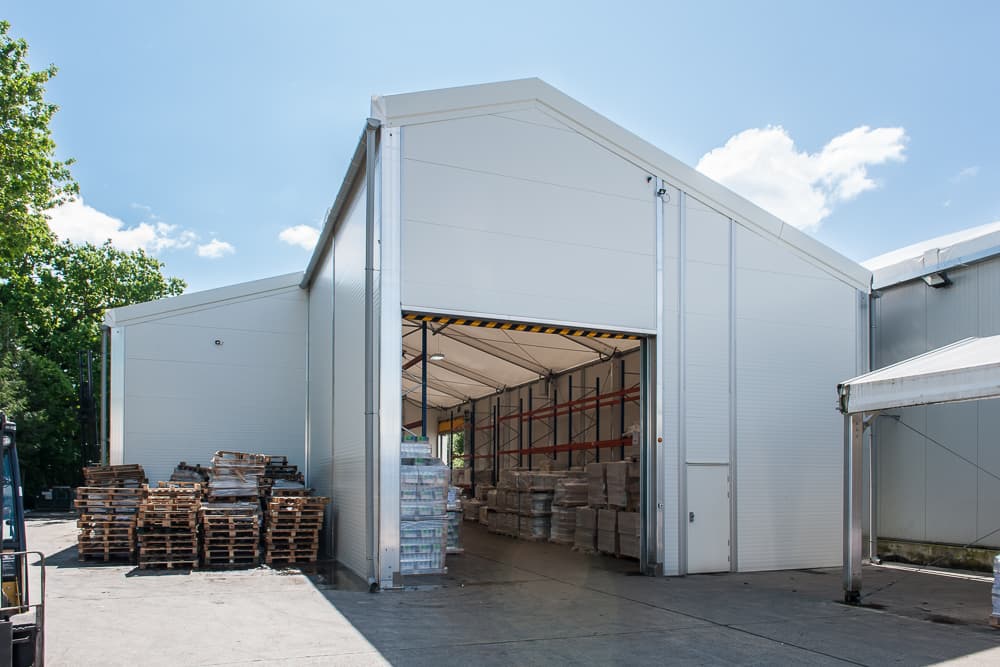
If a temporary storage building is to maintain consistent temperatures, the insulated storage building is the ideal choice. For this purpose, thermally insulated panels are used as side cladding and roofing. Alternatively, thermal roof sheeting can also be used as roofing for the building. Insulated storage buildings also provide optimal protection for temperature-sensitive goods, products and operational processes all year round.
When are mobile storage buildings used?
Changes in storage requirements are often due to rapid company growth or external factors at the existing storage location. In such cases, mobile storage buildings are the perfect solution, as they allow very quick responses to unforeseen new storage needs.
Thanks to the modular system in lightweight construction, changing space requirements can be implemented quickly without disrupting ongoing operations. Therefore, mobile buildings are also ideal for storing seasonal goods. Due to their quick and simple assembly and disassembly, additional space requirements can be provided easily and made available rapidly. When not in use, the materials can be easily dismantled and stored.
Temporary storage solutions are also frequently used during renovation and refurbishment work or in the event of building damage.
Using mobile storage buildings without planning permission – is that possible?
The process of obtaining planning permission is usually laborious, demanding and time-consuming. However, mobile storage buildings in lightweight construction do not always require planning permission. We show you which factors determine whether a demountable storage building can be erected without approval.
The first criterion is the construction method. If a storage building is erected in lightweight construction, it can be installed as a so-called temporary building in accordance with DIN EN 13782. To do so, the storage building must meet certain requirements. One of these is the duration of use. A storage building can be erected without planning permission as a temporary building if it is in place for a maximum of 3 months. This is often the case with mobile storage buildings. Another requirement is that the storage building must not exceed a certain floor area. The specifications vary depending on the federal state and can be obtained from the regional building regulations or your local building authority. More information on the construction of lightweight buildings without planning permission can be found in our expertise article on planning permission for lightweight buildings.
However, even if you do need to submit a building application for your storage building, our expertise will support you through every step.
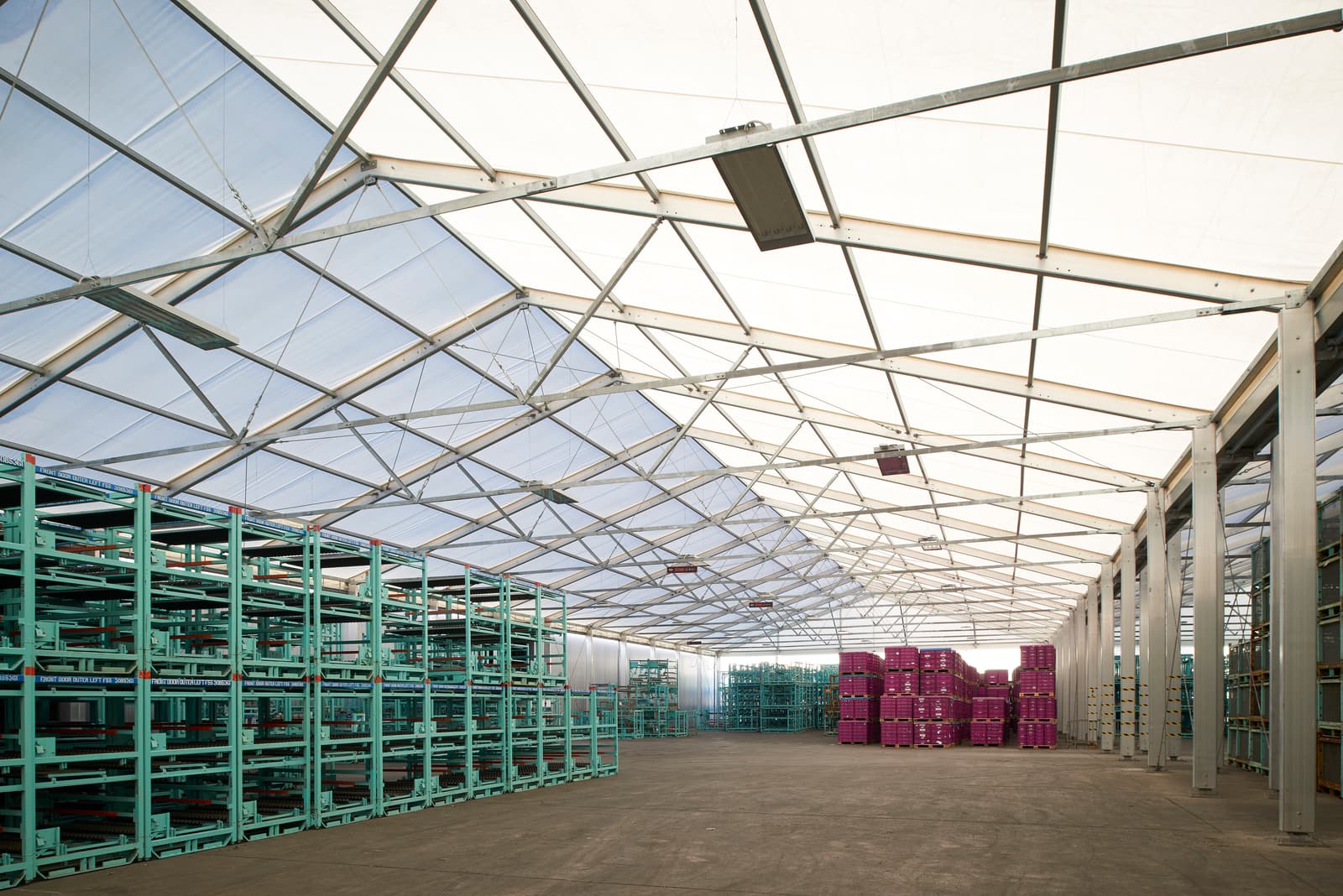
The advantages of mobile lightweight storage buildings
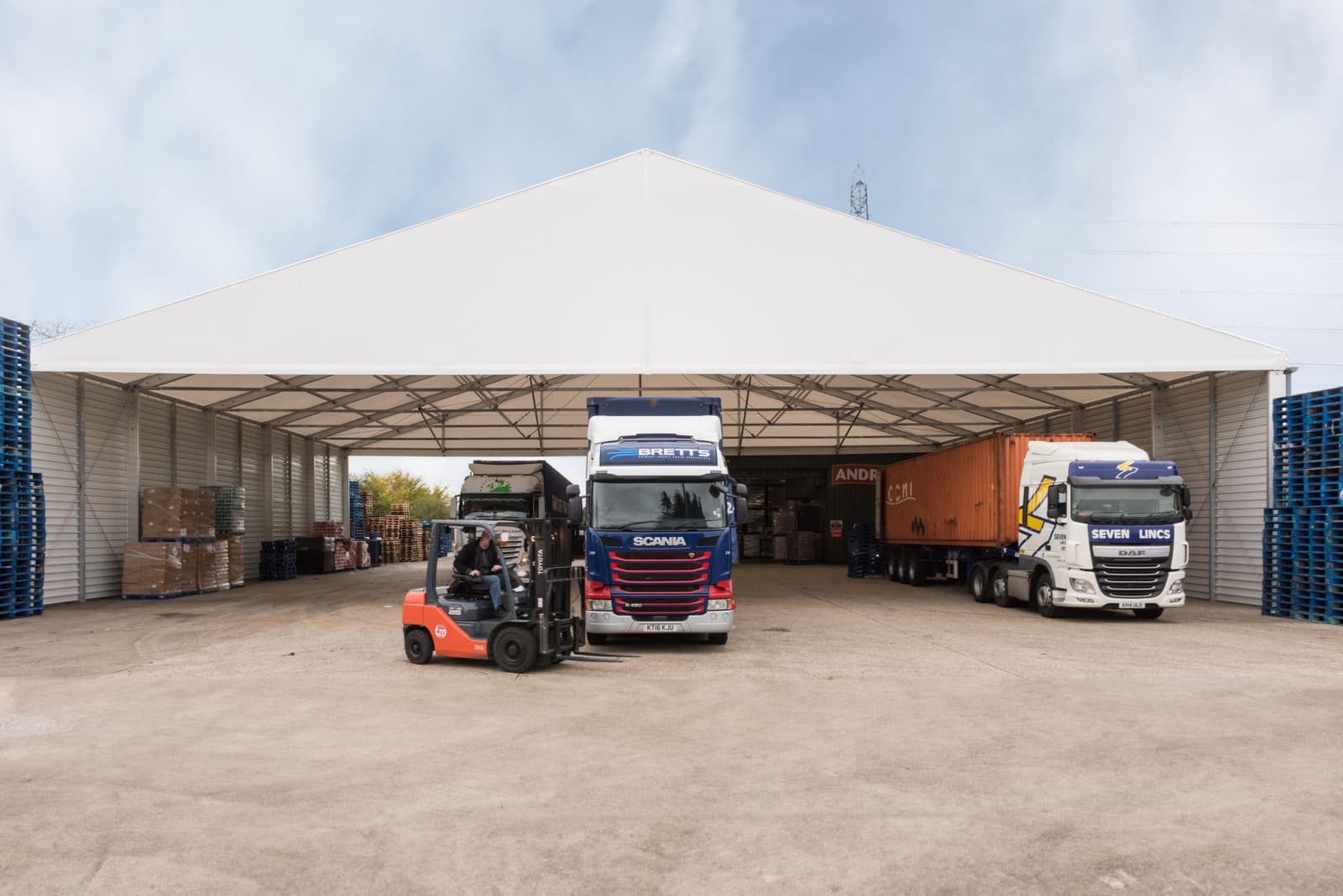
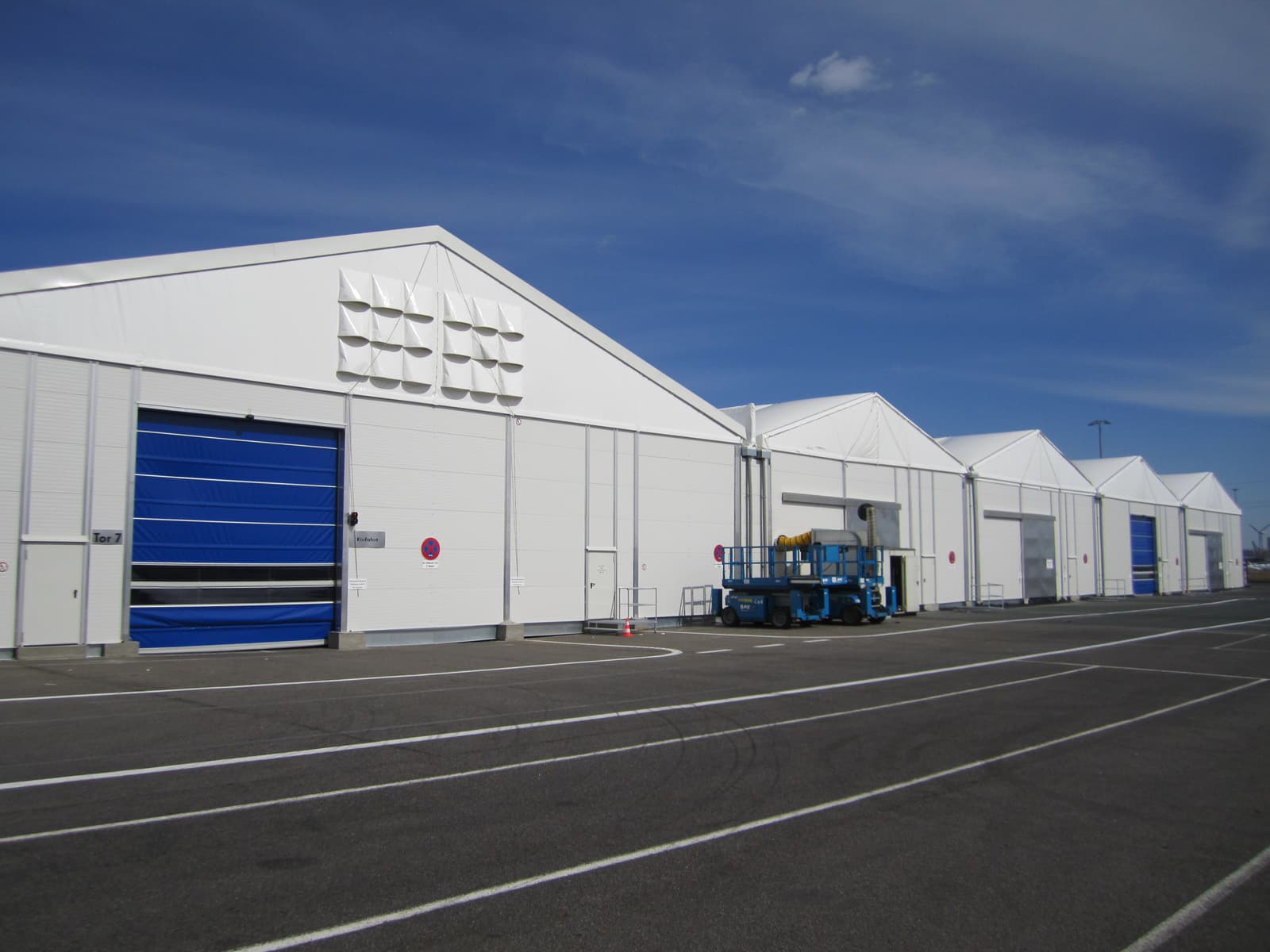
The advantages of mobile lightweight storage buildings are multifaceted and include areas such as cost, time, quality, impact, environmental friendliness and flexibility.
1. Costs
The modular design enables a straightforward installation process that requires only a minimal amount of tools. Costs are also saved, as the rapid and simple erection on site requires less personnel and time. In addition to the option of purchase, our lightweight buildings are also available for hire. Through all these aspects, lightweight buildings achieve a very good price-performance ratio.
2. Time
The construction of a storage building in lightweight construction brings significant time savings, due to two factors: on the one hand, lightweight buildings have a very short delivery time, and on the other hand, a mobile storage building can be assembled in a short period of time. The entire construction phase can therefore be reduced to a minimum.
3. Quality
Our storage buildings are fully manufactured at our site in Germany using computer-aided systems. Through regular inspections and strict quality controls, quality is consistently maintained at a very high level.
4. Impacts
A complex construction project can have an impact on operational efficiency and ultimately on customer loyalty. Due to the short installation time of a temporary storage building and the low requirement for personnel and equipment, disruptions and negative impacts are reduced to a minimum.
5. Environmental friendliness
As the individual components of lightweight buildings are prefabricated in our production facility and therefore away from the construction site, less waste is generated. A large part of the waste reduction is based on the development and implementation of systems that continuously work towards improving economies of scale.
6. Flexibility
In order to respond to ongoing changes in the economy and industry, companies must be dynamic and flexible. This is exactly where temporary storage buildings excel. The low weight and modular components enable simple dismantling, storage and reuse – also for other purposes. This allows storage buildings to be quickly and cost-effectively expanded, reduced in size or relocated.
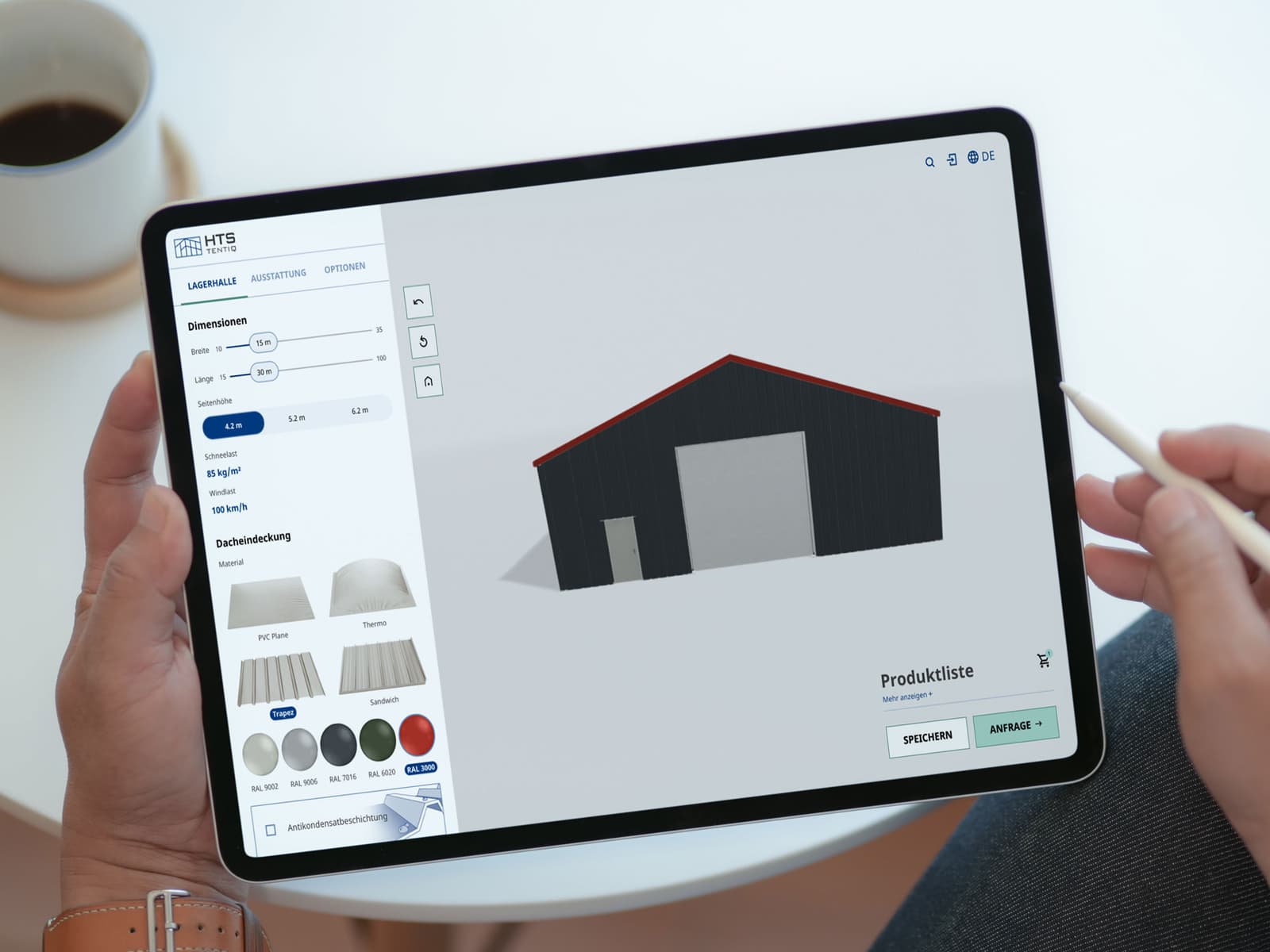
You can even design your own customised mobile storage building online yourself. This is easily done with our free 3D building configurator. Depending on your individual space requirements, you enter the desired dimensions. You can also choose side cladding and roof shape and equip your storage building with windows, doors and gates. Should your requirements differ from our modular dimensions or specifications, simply let us know in the comments. We will be happy to provide you with a tailored quotation.
The disadvantages of mobile lightweight storage buildings
After having examined in detail the many advantages of mobile lightweight storage buildings, such as their flexibility, cost efficiency and rapid installation time, it is equally important to consider the other side of the coin. Despite their numerous benefits, mobile lightweight storage buildings also present certain challenges that should not be overlooked when making a decision.
1. Size
Storage buildings in lightweight construction can cover both small and large areas, especially as they offer an unlimited length option. Nevertheless, there are limits to the size of lightweight buildings, particularly when very large floor areas are required. Simply speak with our expert planning team to receive optimal expertise for your individual requirements.
2. Design
Lightweight buildings offer various customisation options such as rain gutters, interior lighting, colour selection, as well as the placement of doors, gates and windows. Extensions or annexes are also possible. If you require a completely different design, lightweight buildings still offer a wide range of options. However, these are more limited than when constructing a traditional building. For example, we cannot build round storage buildings.
3. Planning
Only through precise planning and design does a storage building fit exactly to operational processes. Therefore, temporary storage buildings must also be planned. However, professional providers of lightweight buildings offer a planning service. At HTS TENTIQ, you receive a comprehensive planning service that ensures your storage building is optimally tailored to your specific requirements.
4. Roofing
The standard roofing system for a temporary storage building consists of industrial-grade PVC sheeting. This is a durable, functional and highly economical system that can provide different levels of insulation. Nevertheless, some prefer the visual appearance of a traditional rigid roof, which is available for mobile storage buildings both uninsulated in the form of trapezoidal metal sheeting and insulated in the form of sandwich panels.
5. Custom-made lightweight buildings as a flexible solution
Standardised storage buildings are not suitable for all operational processes. In many cases, mobile storage buildings can be adapted to the respective requirements, but in such cases custom-made lightweight buildings or structures in solid construction offer more options. However, higher costs must be expected in this case.
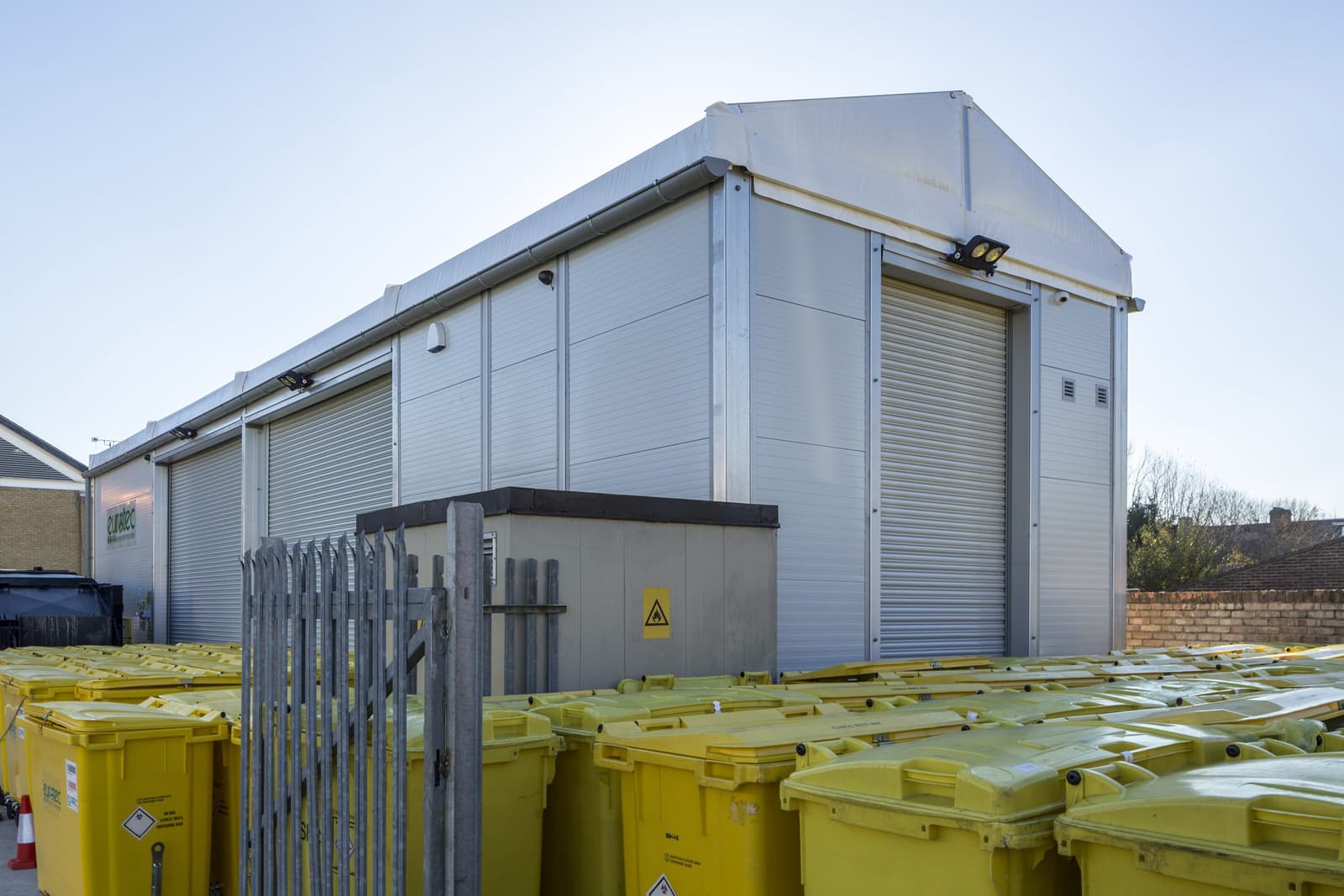
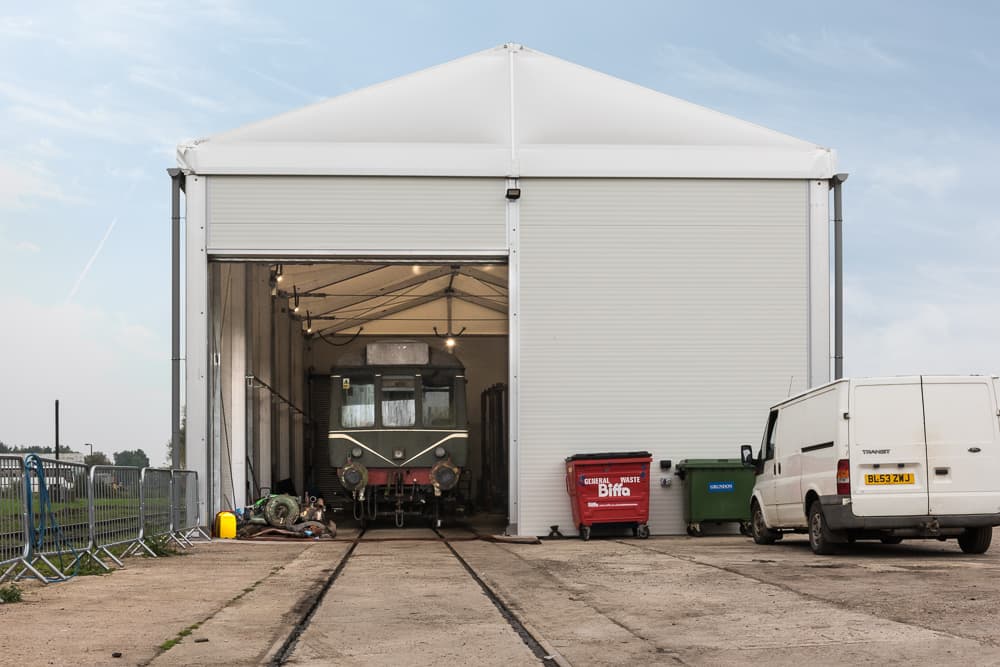
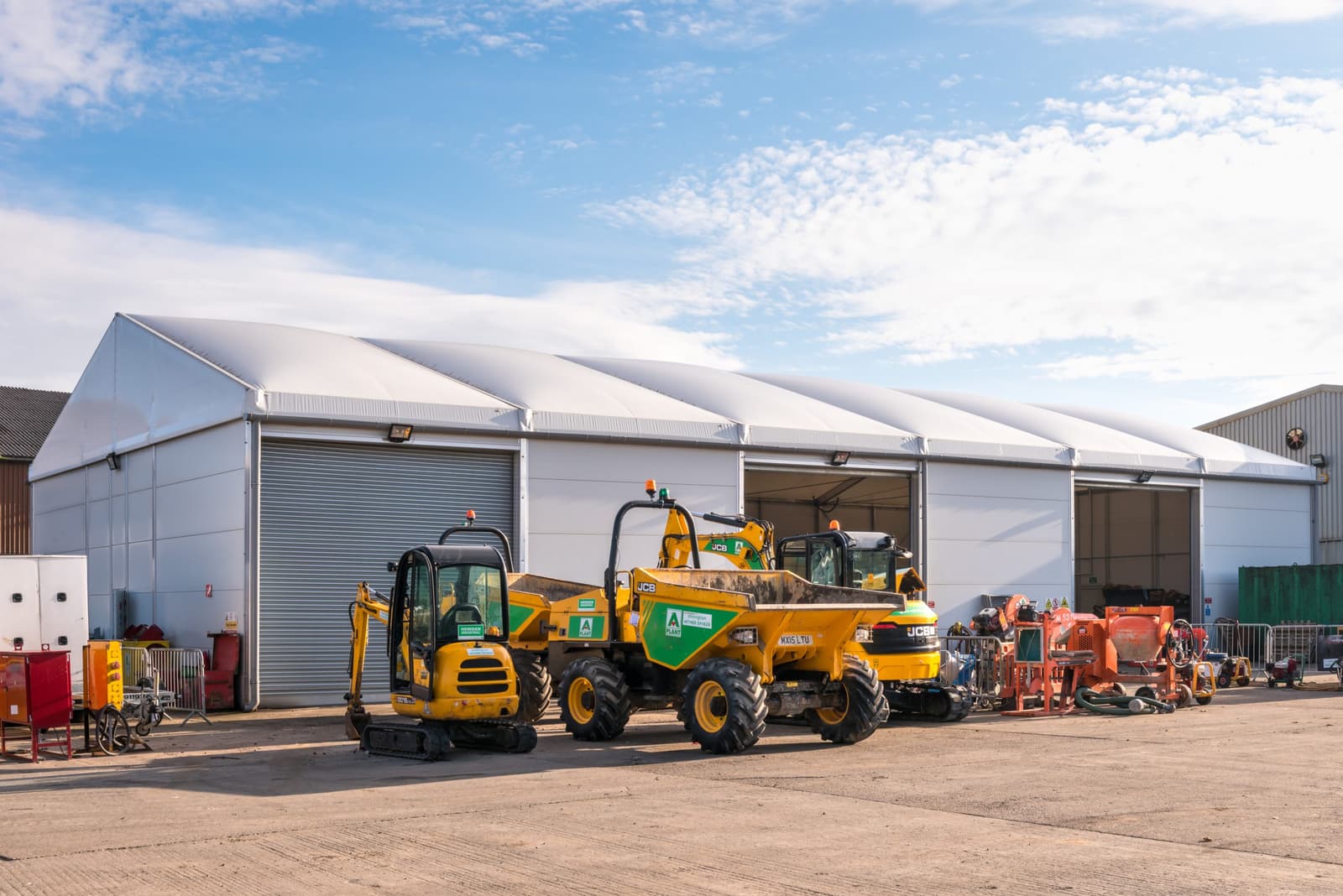
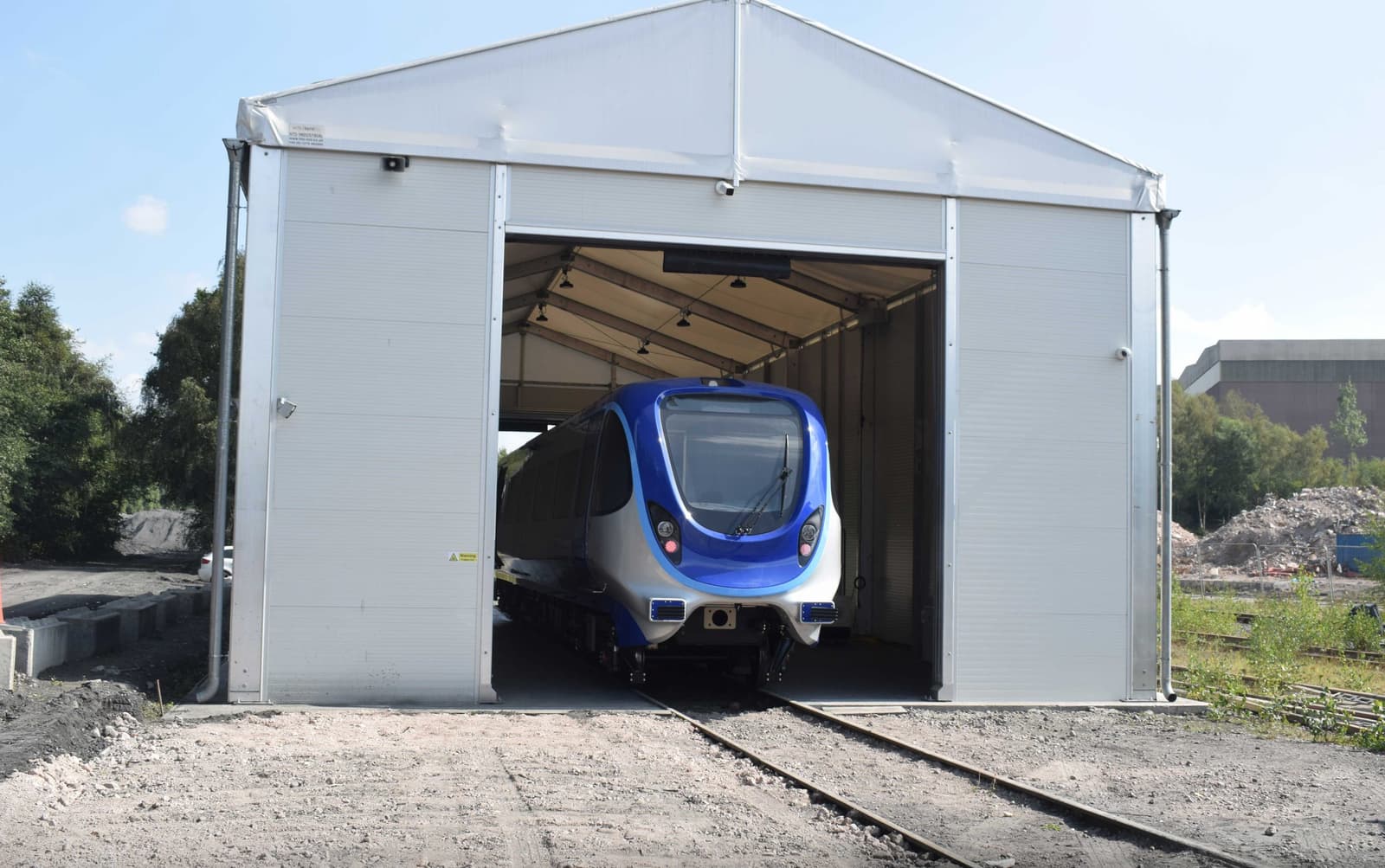
Case studies on storage buildings
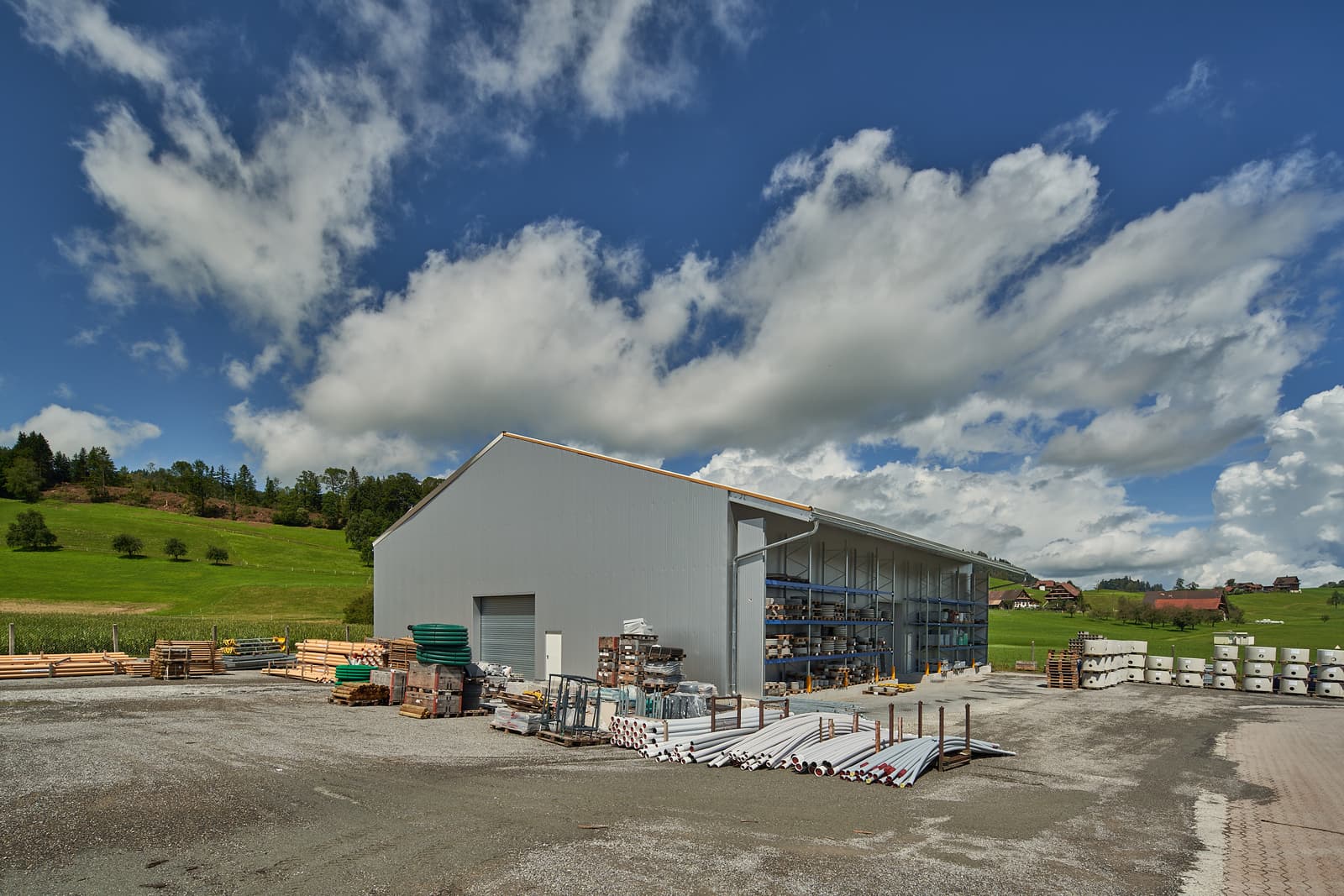
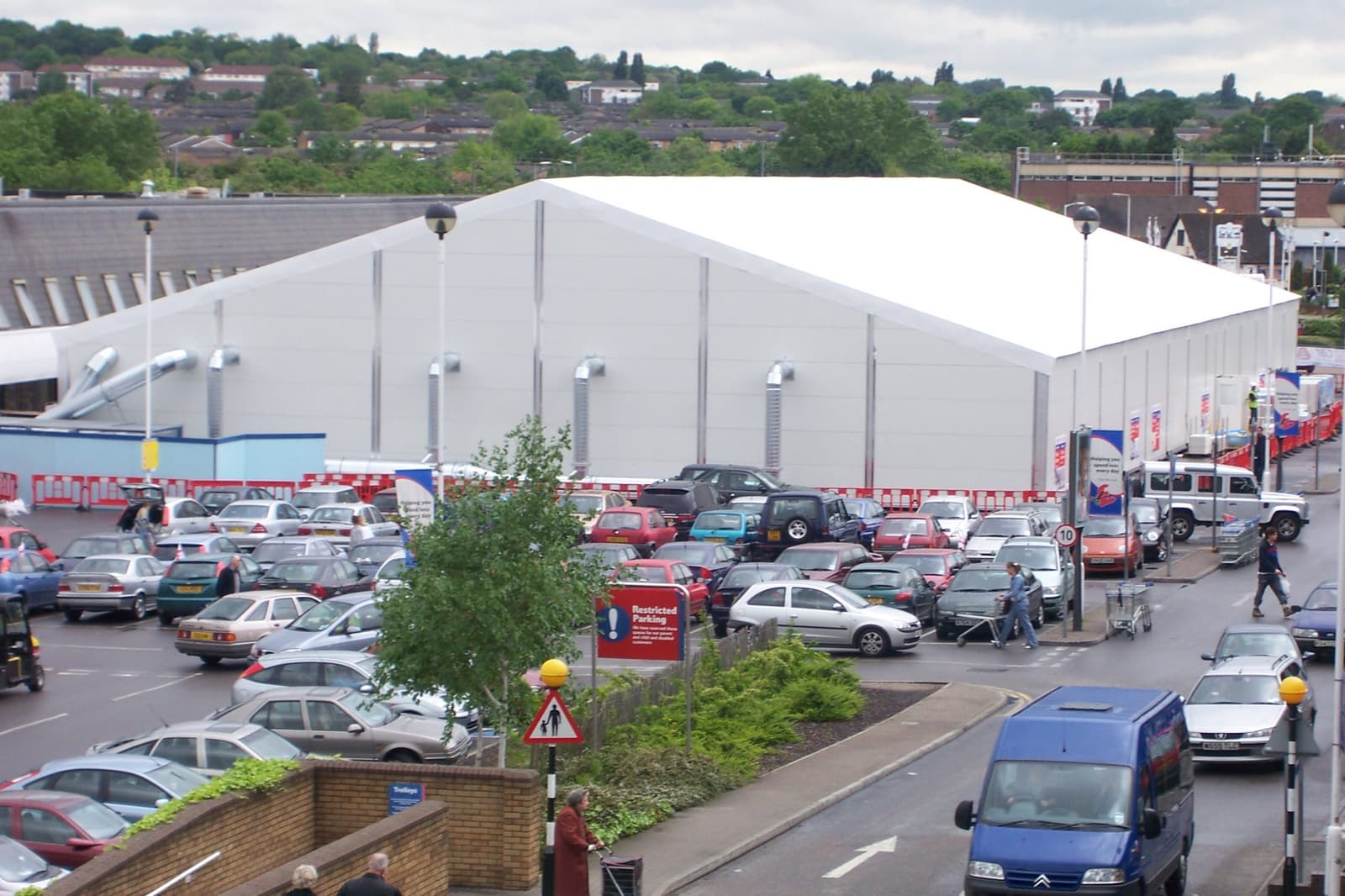
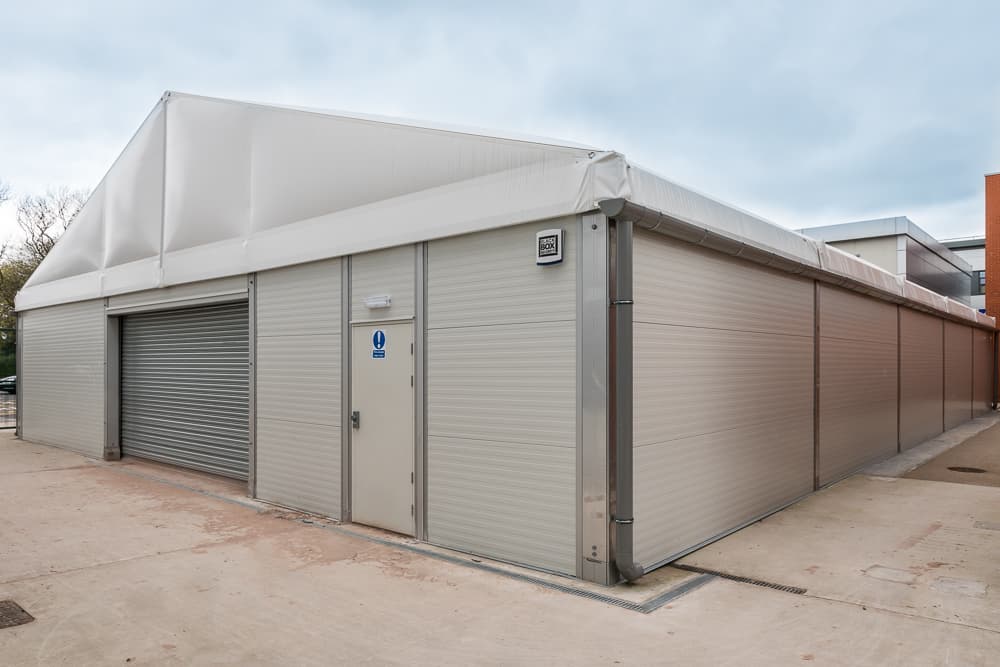
Our case studies take you into the world of the many different applications of mobile building systems.
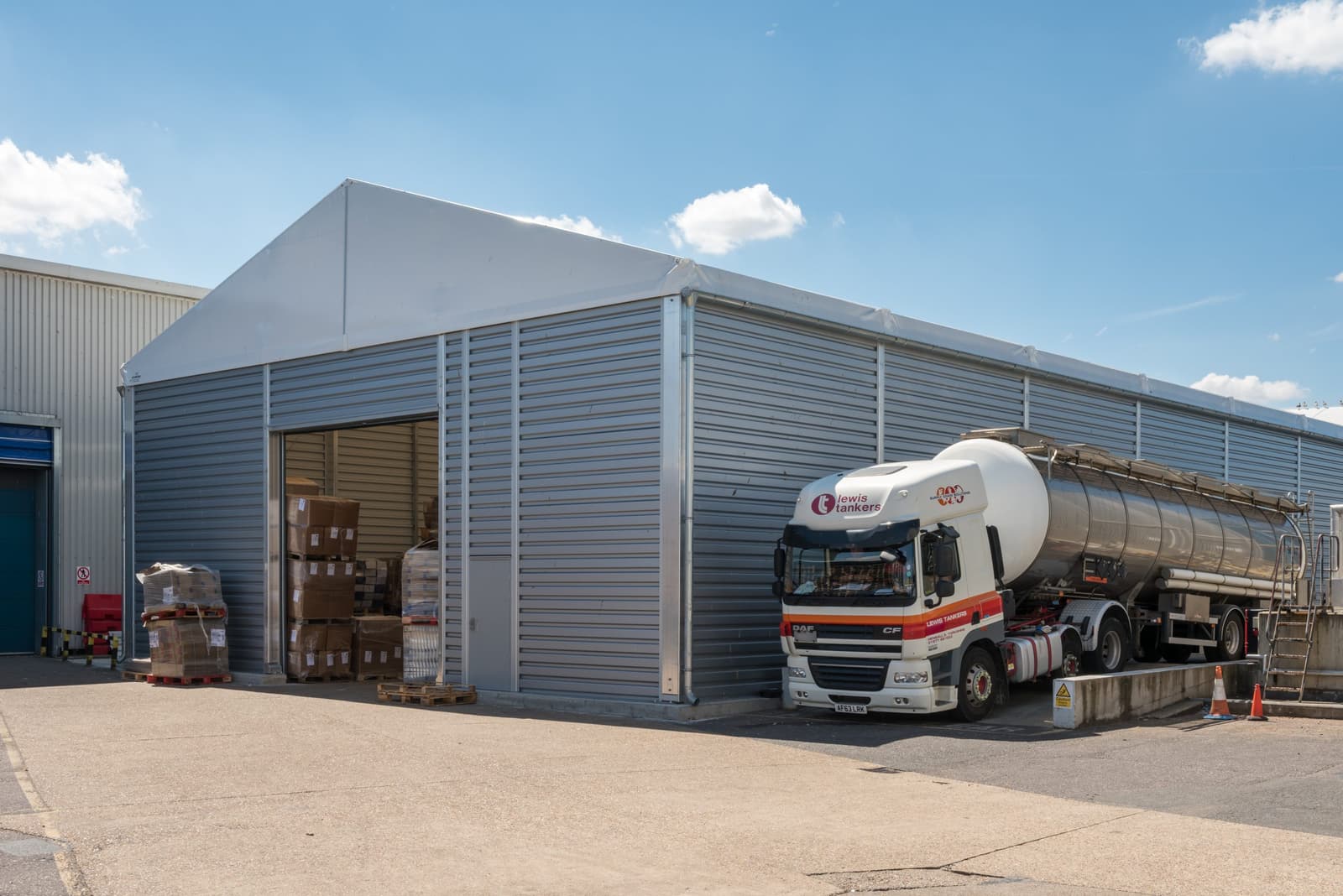


Conclusion: Flexible storage solutions with HTS TENTIQ lightweight storage buildings
Due to their simple assembly, flexibility in size and rapid availability, mobile storage buildings enable your company to respond quickly to changes in storage requirements. This also allows existing storage capacity to be expanded at short notice. In addition, mobile storage buildings offer a robust and secure storage solution for goods and products.
Mobile storage solutions therefore provide companies with an efficient and cost-effective way to meet their temporary storage space requirements. Thanks to the versatile applications of mobile storage buildings, they are suitable for numerous industries.
Overall, mobile storage buildings are a flexible, practical and effective way to adapt storage space requirements and thereby overcome logistical challenges.