The history of tents: from minimalist residential tents to ornate festival tents
The tent is one of the oldest building forms of humanity. Due to its high practical usefulness, it is still used in many ways today: whether as an isolated production facility, storage building, exhibition tent, wedding location or tent landscape for festivals. However, the origins of our modern tent constructions date back thousands of years.
Historical tents were continuously adapted over this time to the respective ways of life and conditions. Today we take a journey through the history of tents and explore how their construction has changed over time.
Historical tents of the past: the beginnings of tent construction 40,000 years ago
Tents in the past had primarily one function: they served nomadic peoples around the world as accommodation and were therefore used for living. They were also used as tents for hunting.
The first tents date back to the Upper Palaeolithic period and were already in use around 40,000 years ago. Historical tents were mostly cone-shaped and made of animal hides stretched over a wooden frame. Many peoples across the world used tents of this kind. The reasons were simple: historical tents were quick to set up, easy to transport, and provided ideal protection against wind and weather. When humans became settled and began building permanent houses, tents were used for long journeys by merchants or nobles.
The historical tent is still regarded today as a structural model for modern tent constructions: from simple constructions for camping to complex structures for industry and commerce. Over time, tent constructions continued to evolve and changed in size, shape, material, weight and comfort.
Animal hides, stones & co.: what were historical tents made from?
Historical tents had to be above all lightweight so that nomads living as hunters and gatherers could easily transport them and move on. At the beginning of tent history, therefore, durable materials found in nature or the animal world were used. These include animal hides, leather, stones, cotton, branches, animal bones and animal teeth. The materials used for tents in the past depended on the region, time period and also the temperature.
From Native Americans to Asians: tent variations across different cultures
One of the best-known historical tents is the tipi used by the Indigenous peoples of North America. For the frame, around 10 to 30 branches or thin wooden poles were used per tipi and set up in a backward-leaning cone. The covering was made of bison hide, which was stretched over the poles. This meant the tent was made from only a few lightweight materials that were easy to transport – an important feature for nomadic life at the time. The tipi was always erected with the entrance facing east. The size of a tipi already depended on its use back then. Tipis for children had a diameter of around 2.5 m². For adults, tipis were built with a diameter of up to 5 m².
In contrast to the tipi, the also very well-known wigwam of eastern Indigenous tribes is characterised by a dome-shaped design. Mats or grass were used as covering.
In Central Asia, the so-called yurt is considered the traditional tent of nomads. This type of tent is still widespread in countries such as Mongolia, Kazakhstan and Kyrgyzstan. The structure of a yurt consists of flexible wood held together with leather cords to form a circular wall. Animal hides or leather served as covering.
The Berber tent is a traditional tent used by the indigenous peoples of North Africa in the southern Maghreb states of Morocco, Algeria, Tunisia and Libya, and continues to be used today. It is made of black goat hair or brown camel hair stretched over wooden poles. Compared to the tents of other peoples, it usually has an elongated shape. The Berber tent serves as protection against extreme heat, wind, sand and cold.
The Romans used tents for military purposes, both for their soldiers and their leaders. They built tents from leather or fabric, which were rectangular or square and often had several rooms. In this way, tents could also be combined into larger structures to create camps or fortifications.
.jpg&w=1600&q=75)
Tents today: the diversity of modern tent solutions
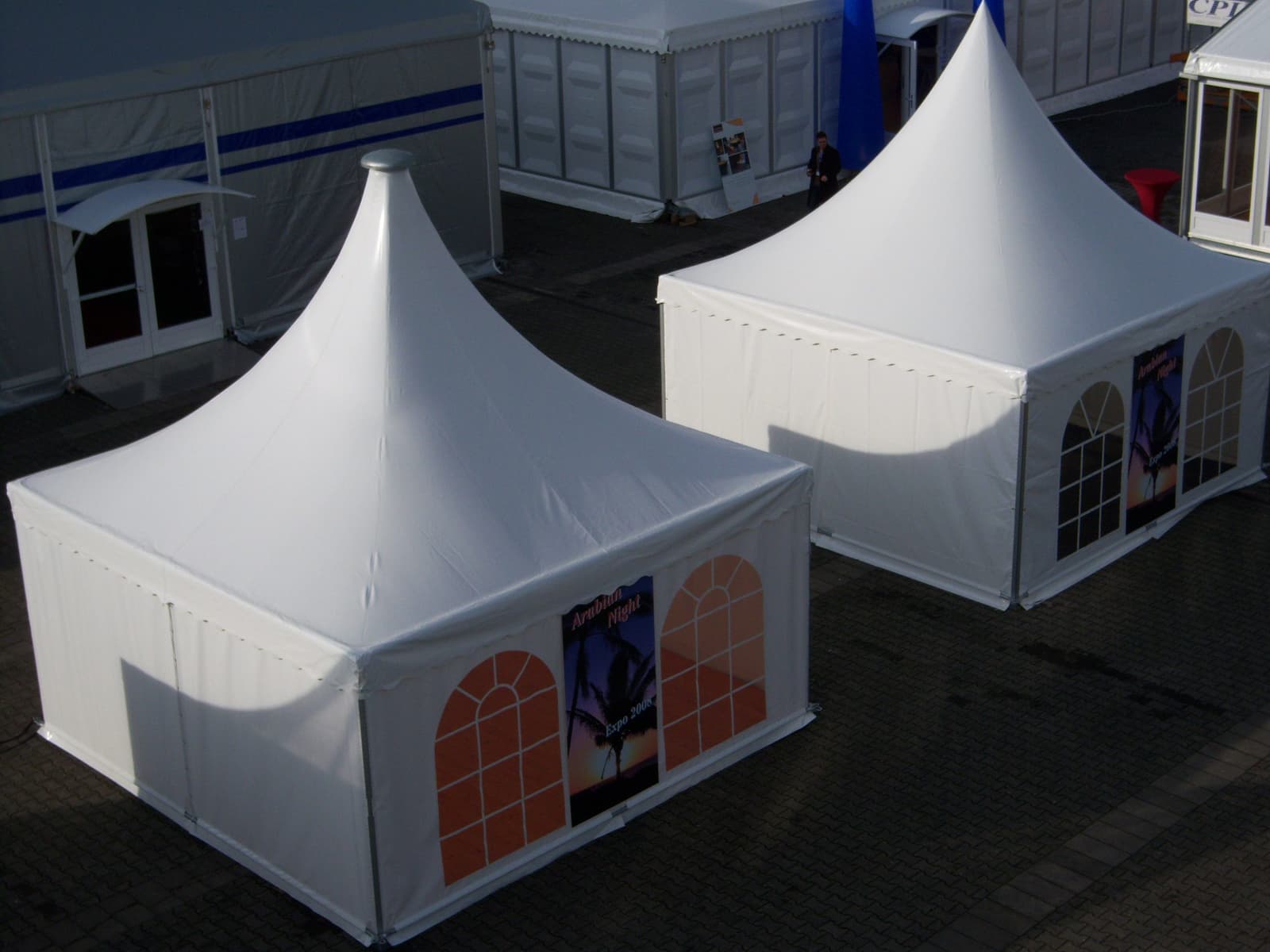
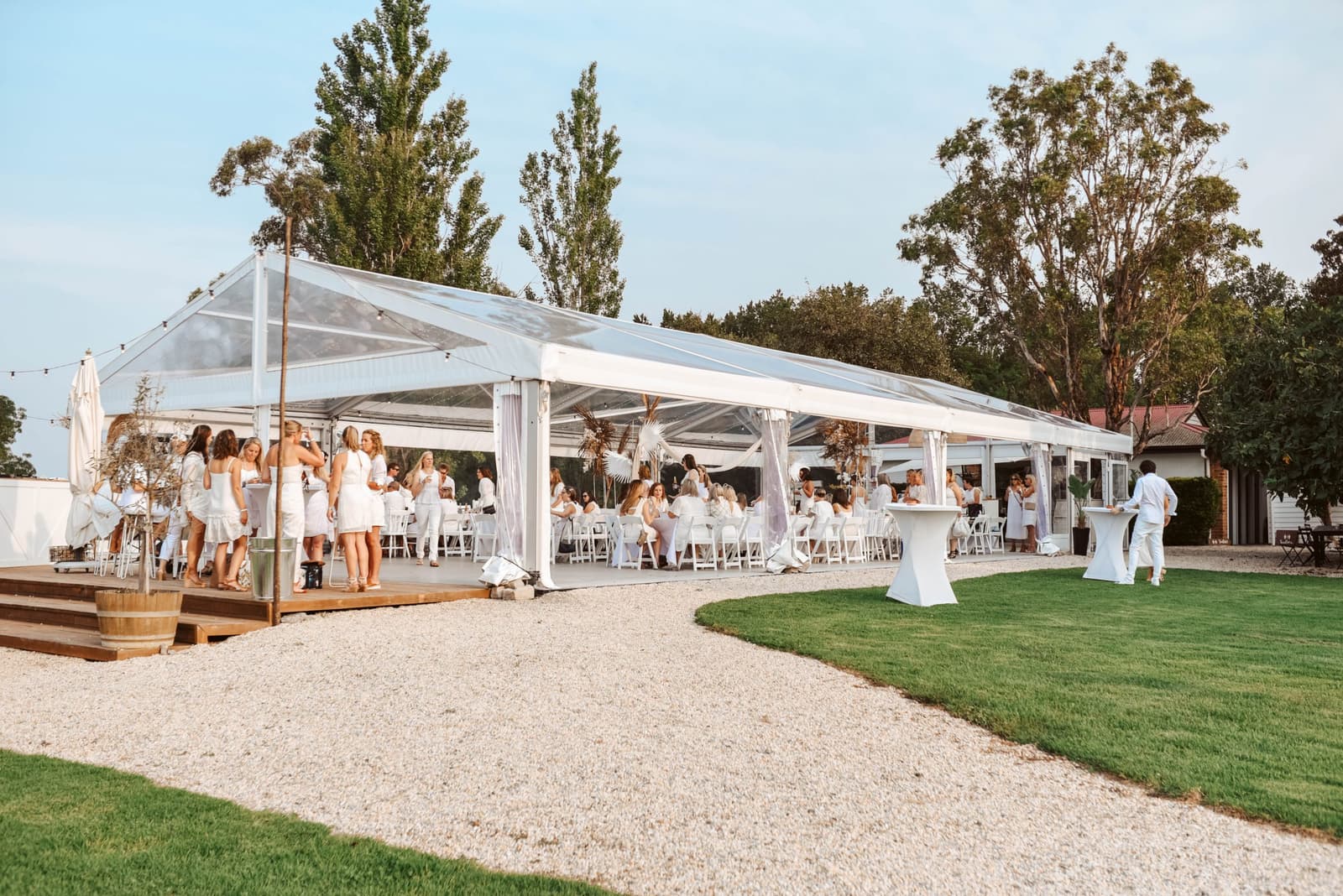
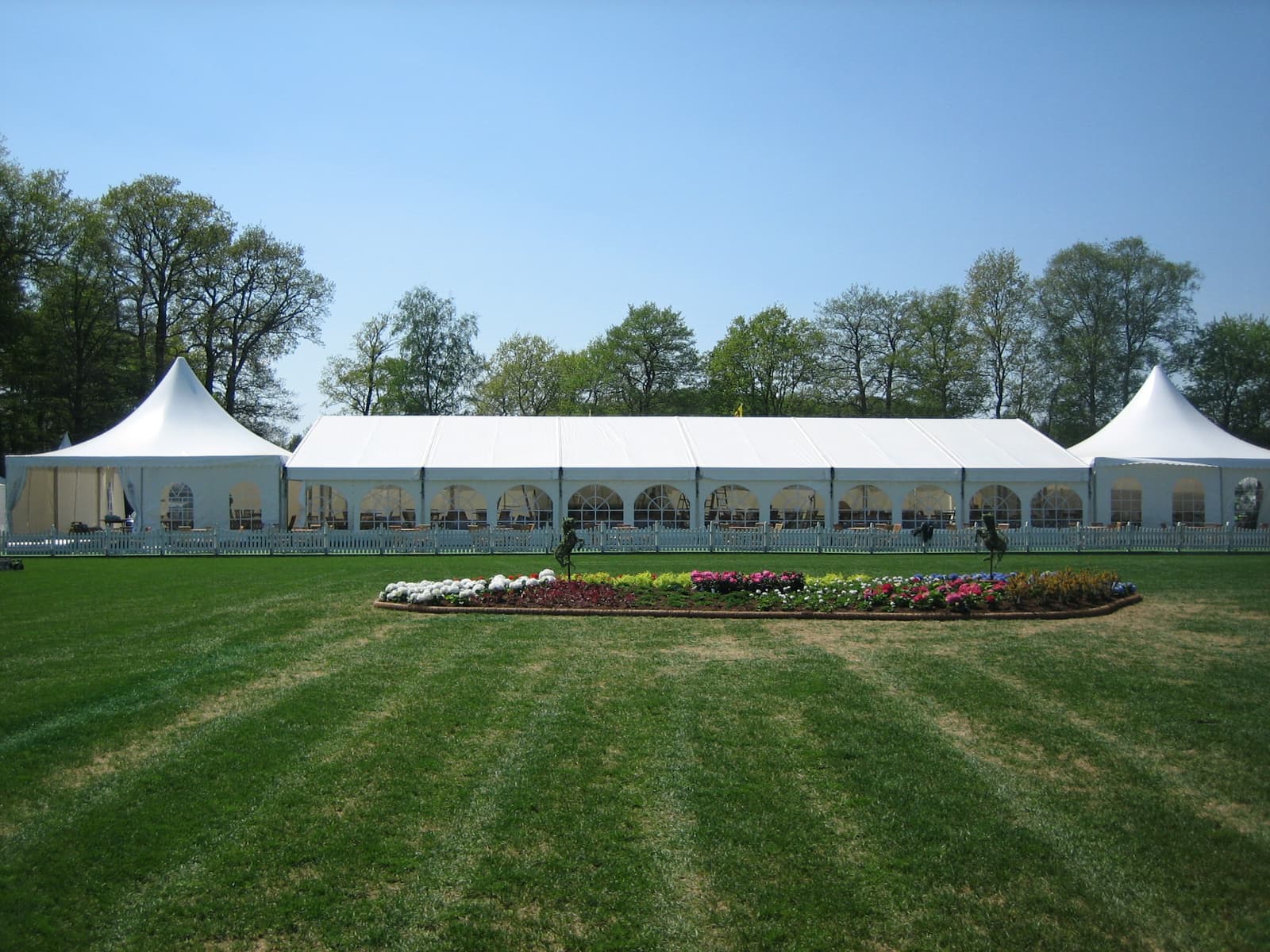
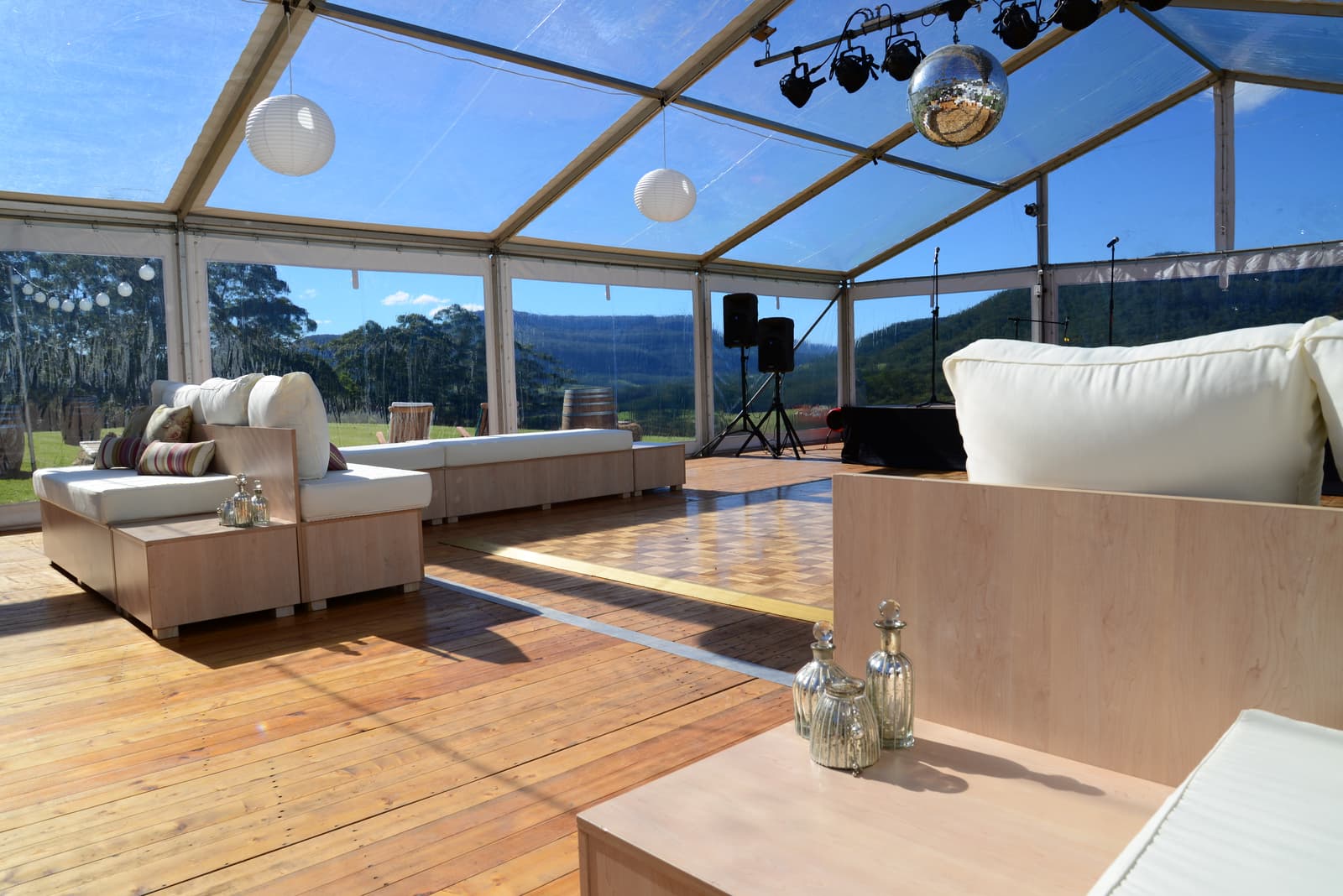
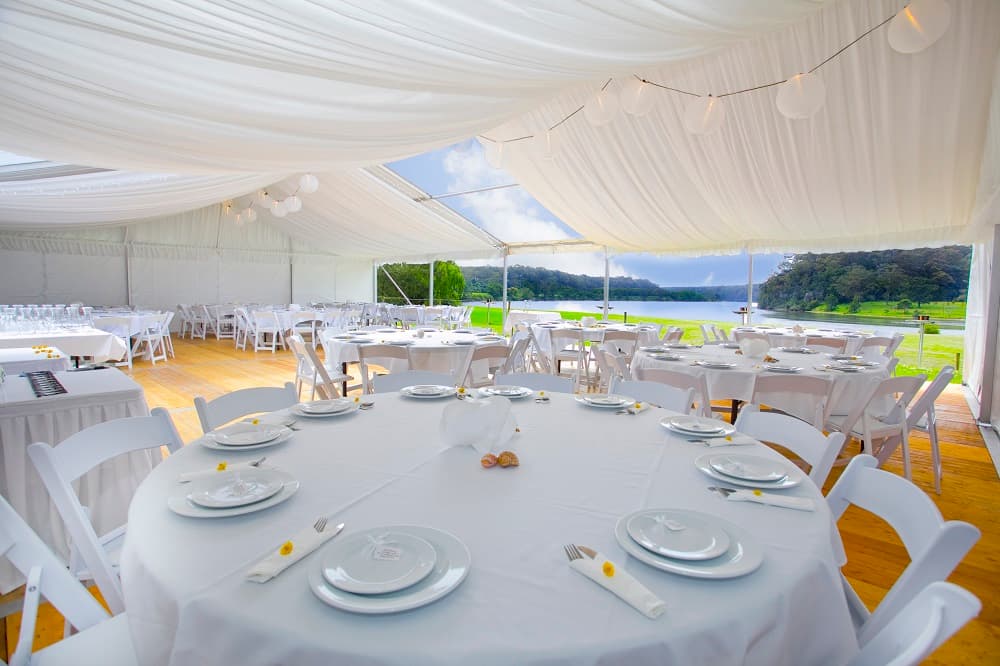
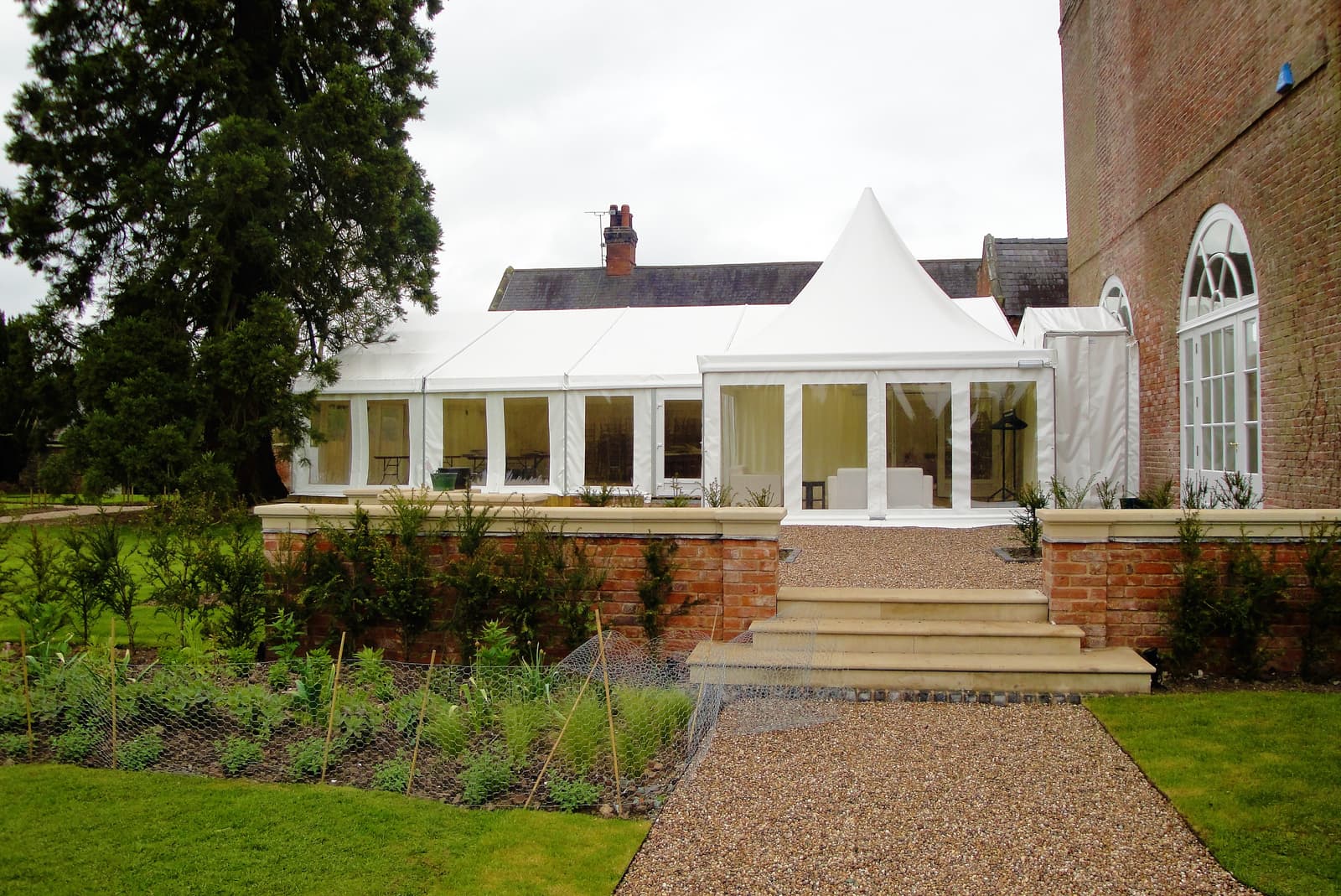
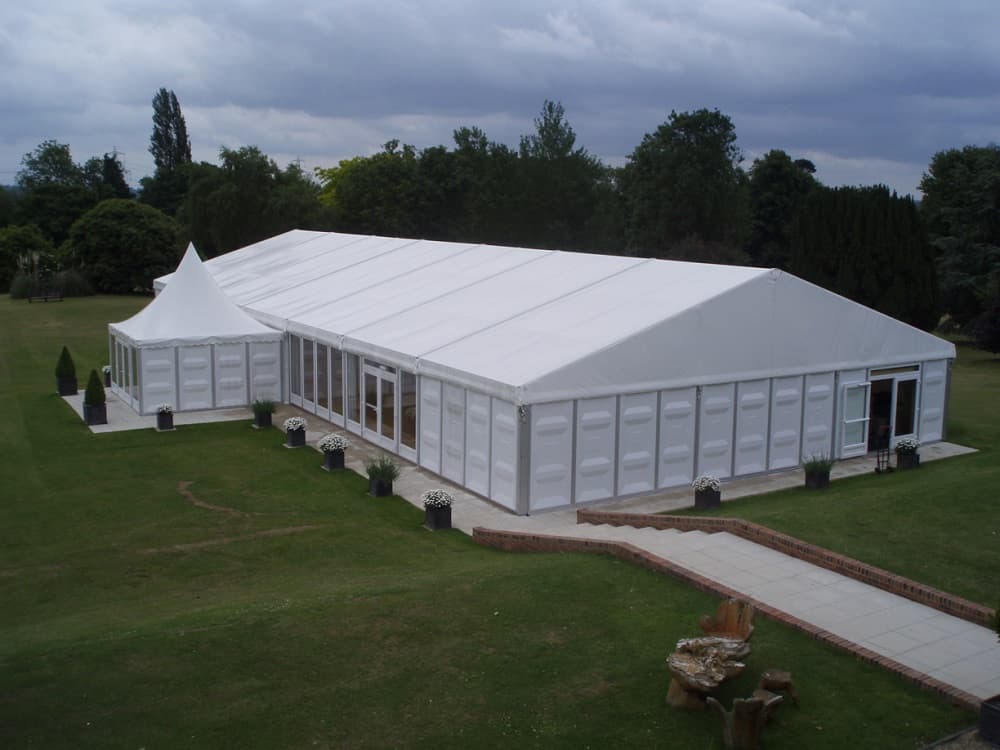
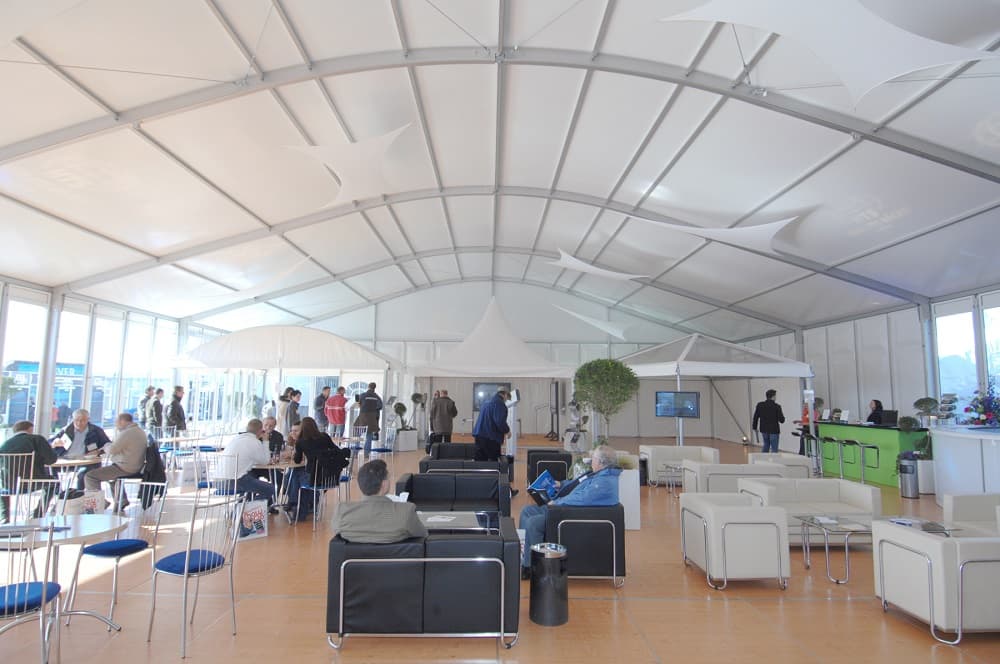
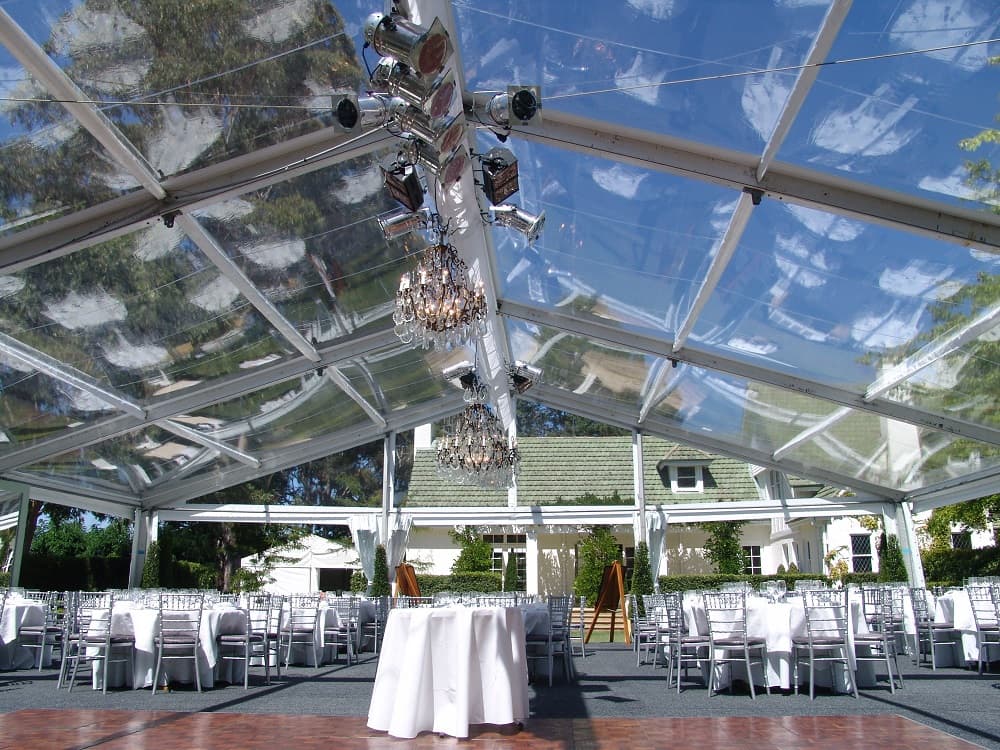
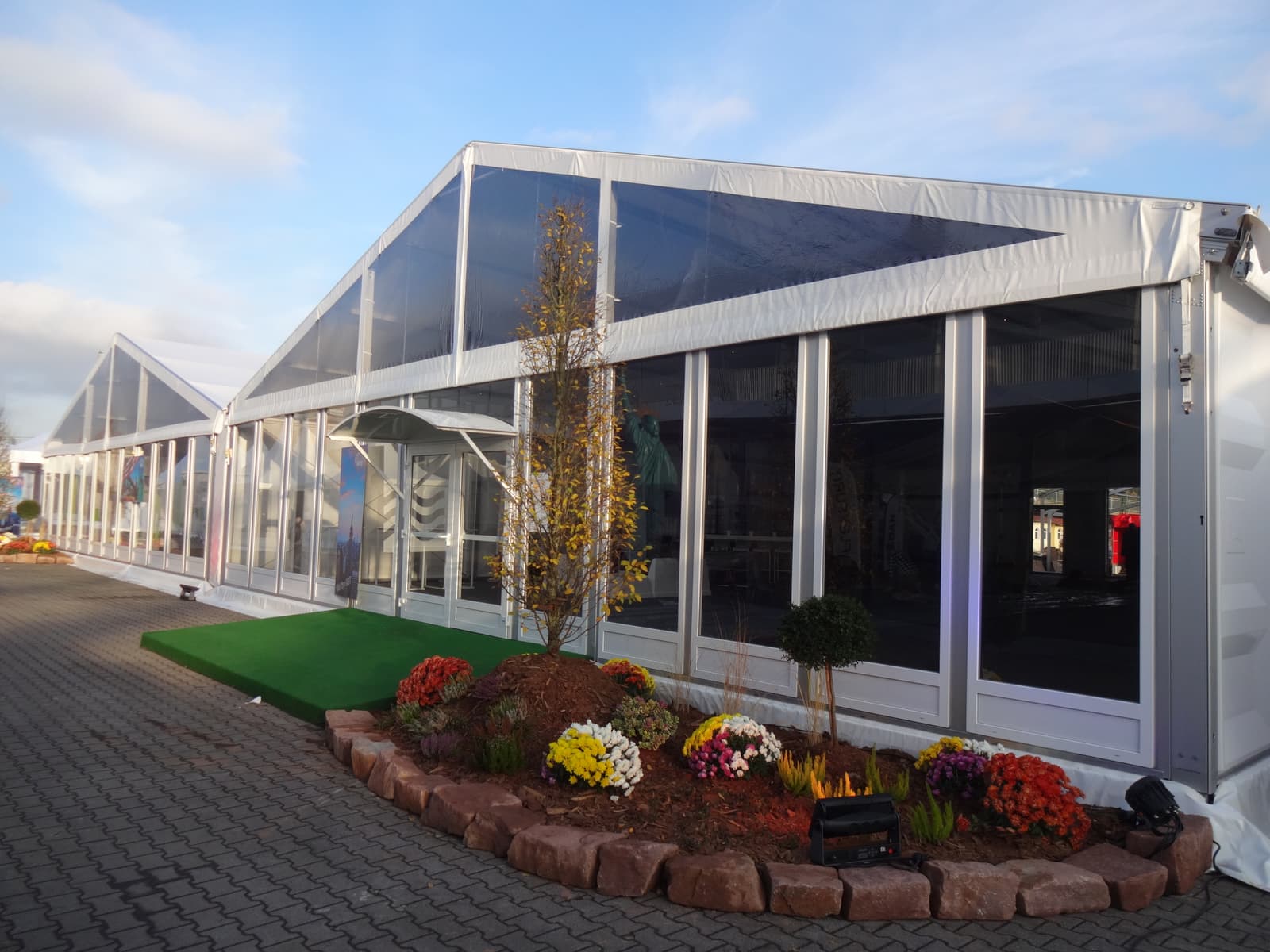
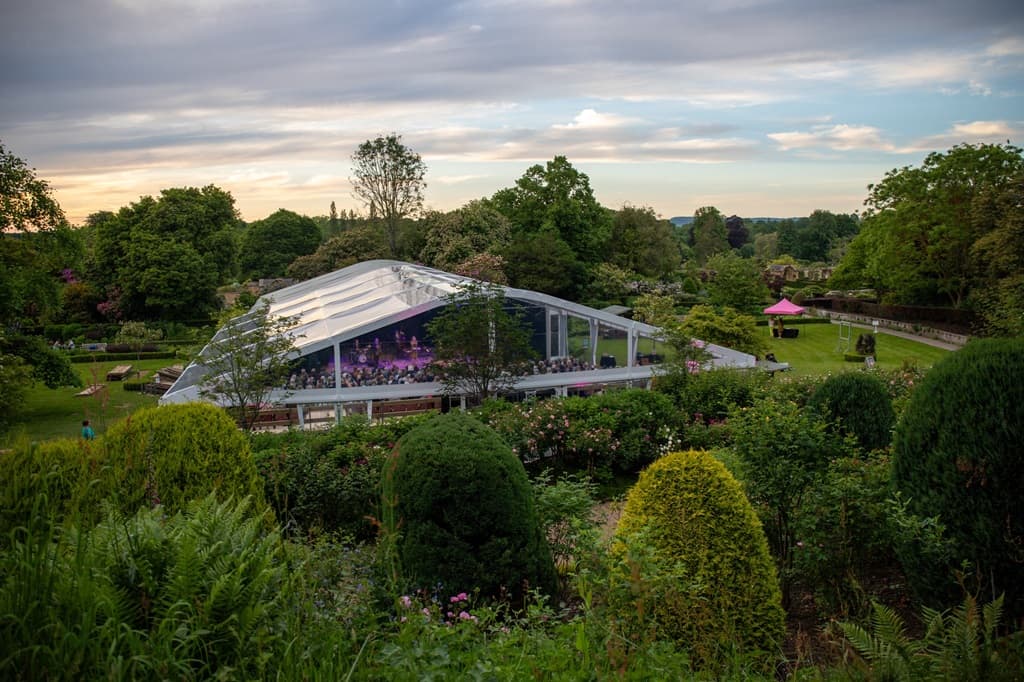
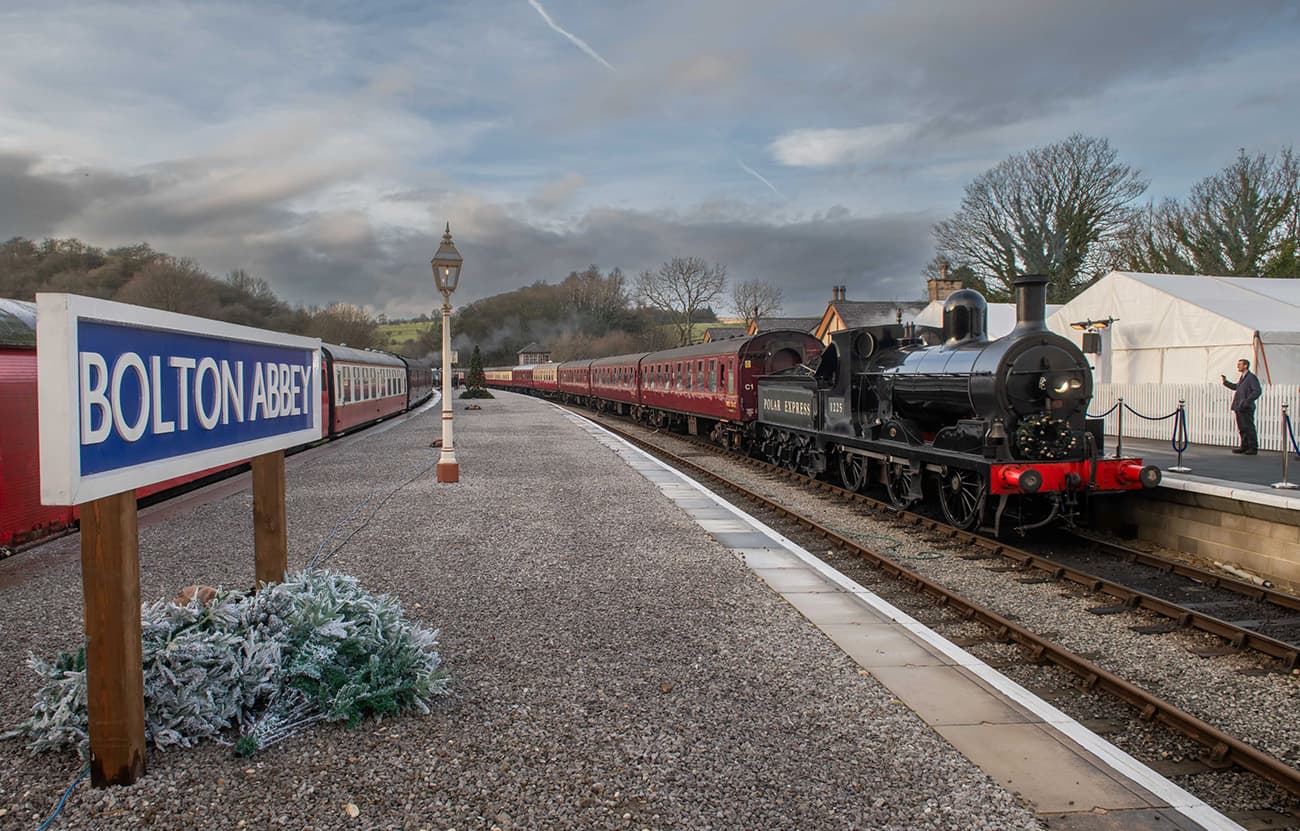
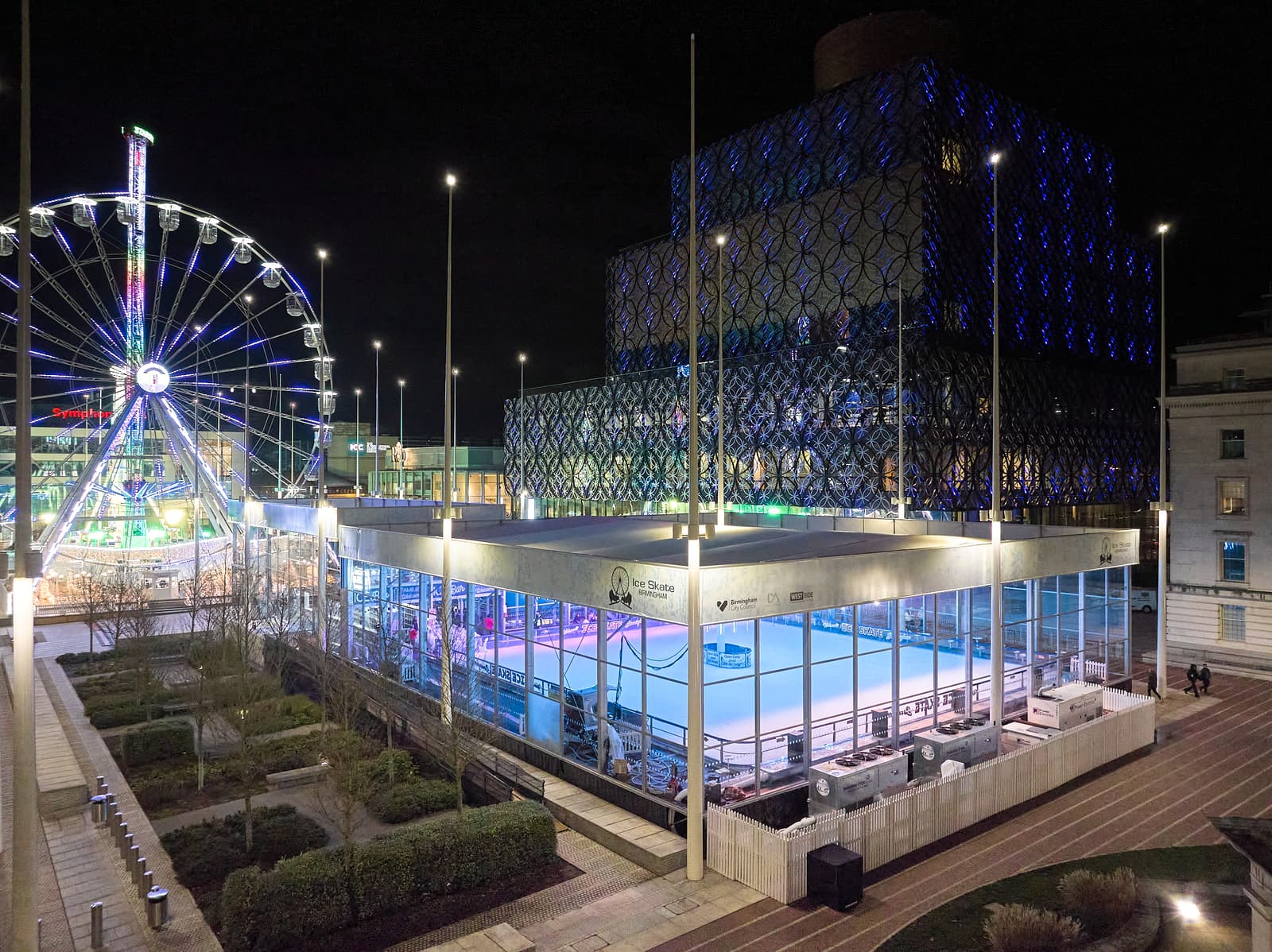
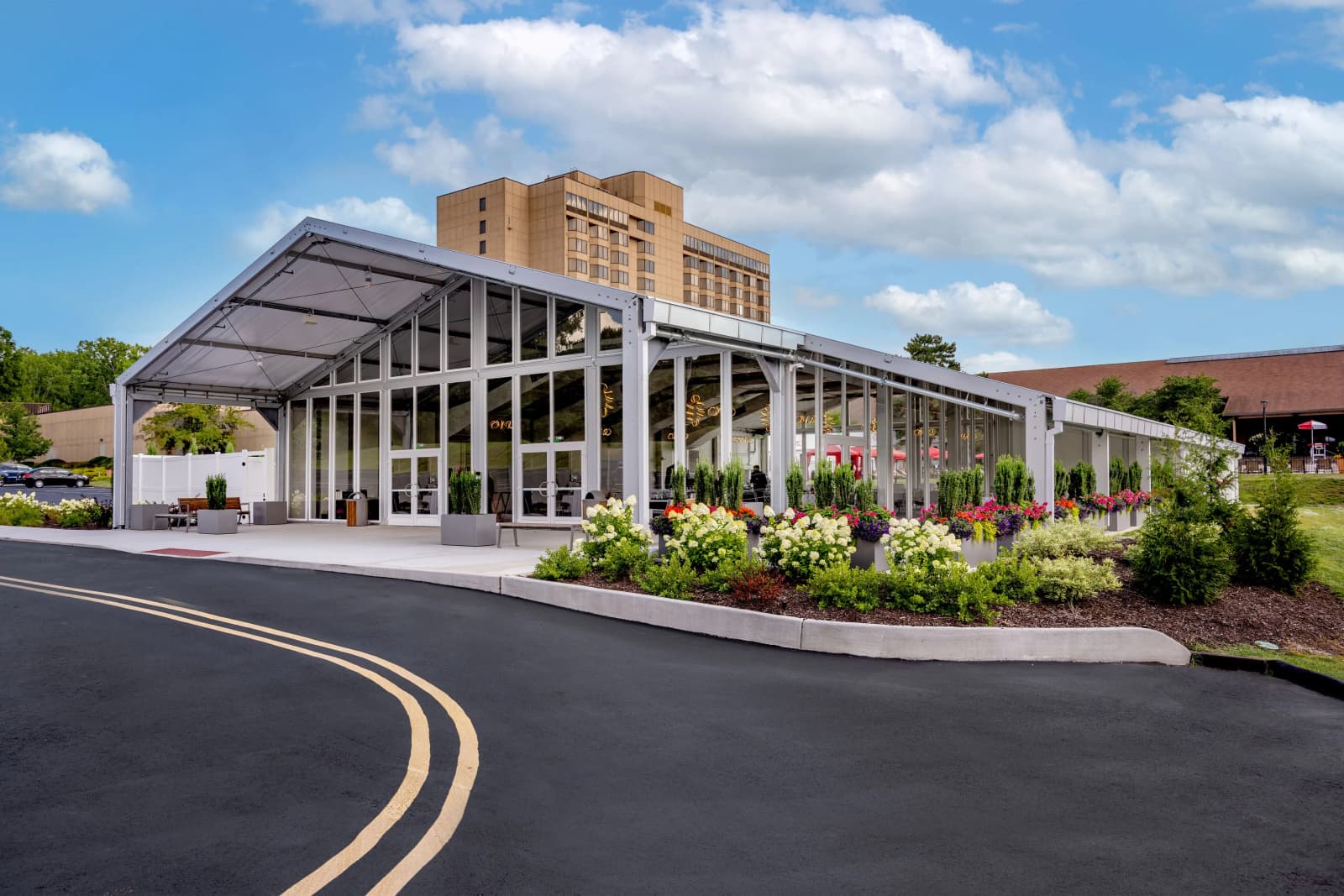
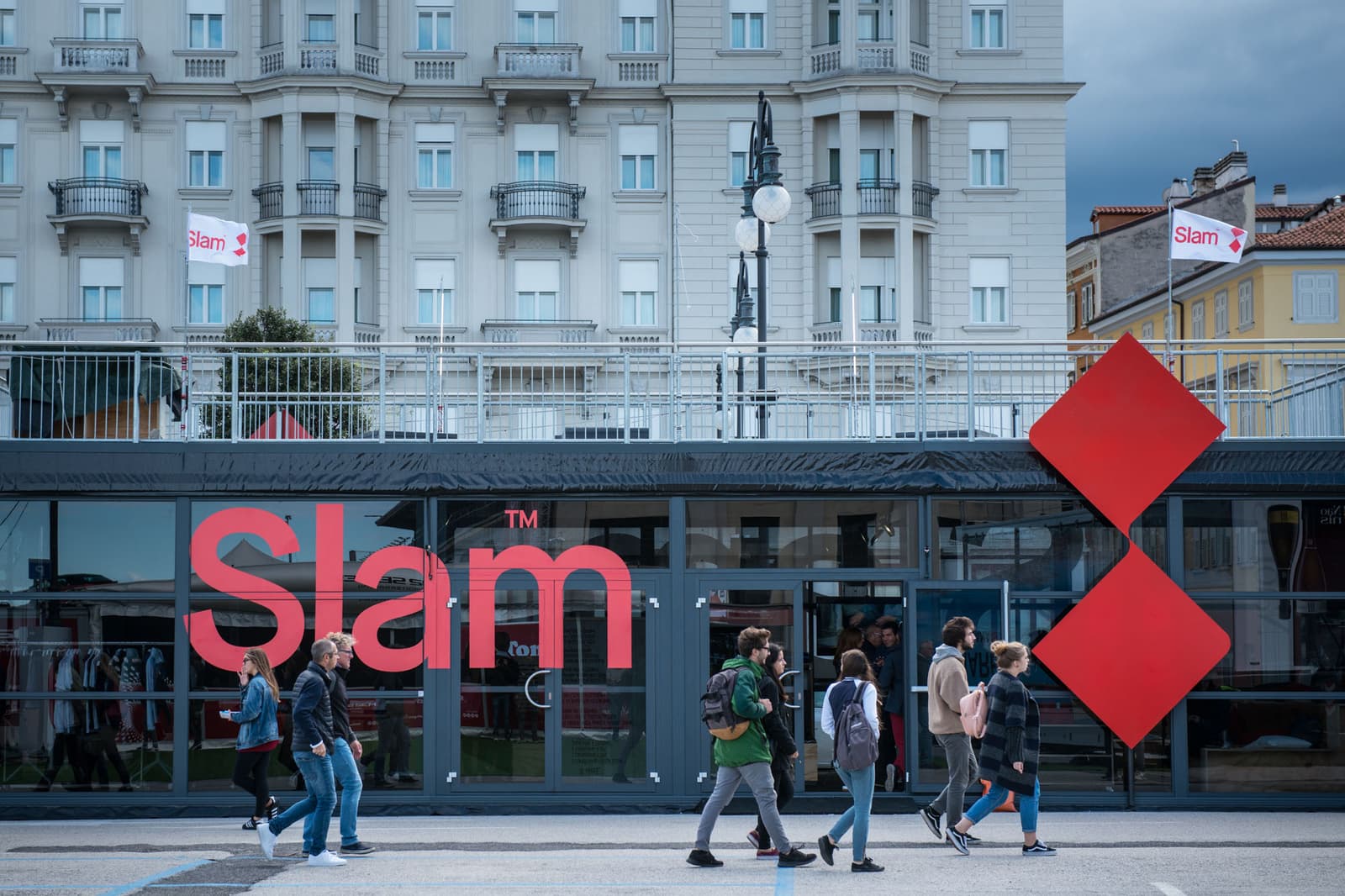
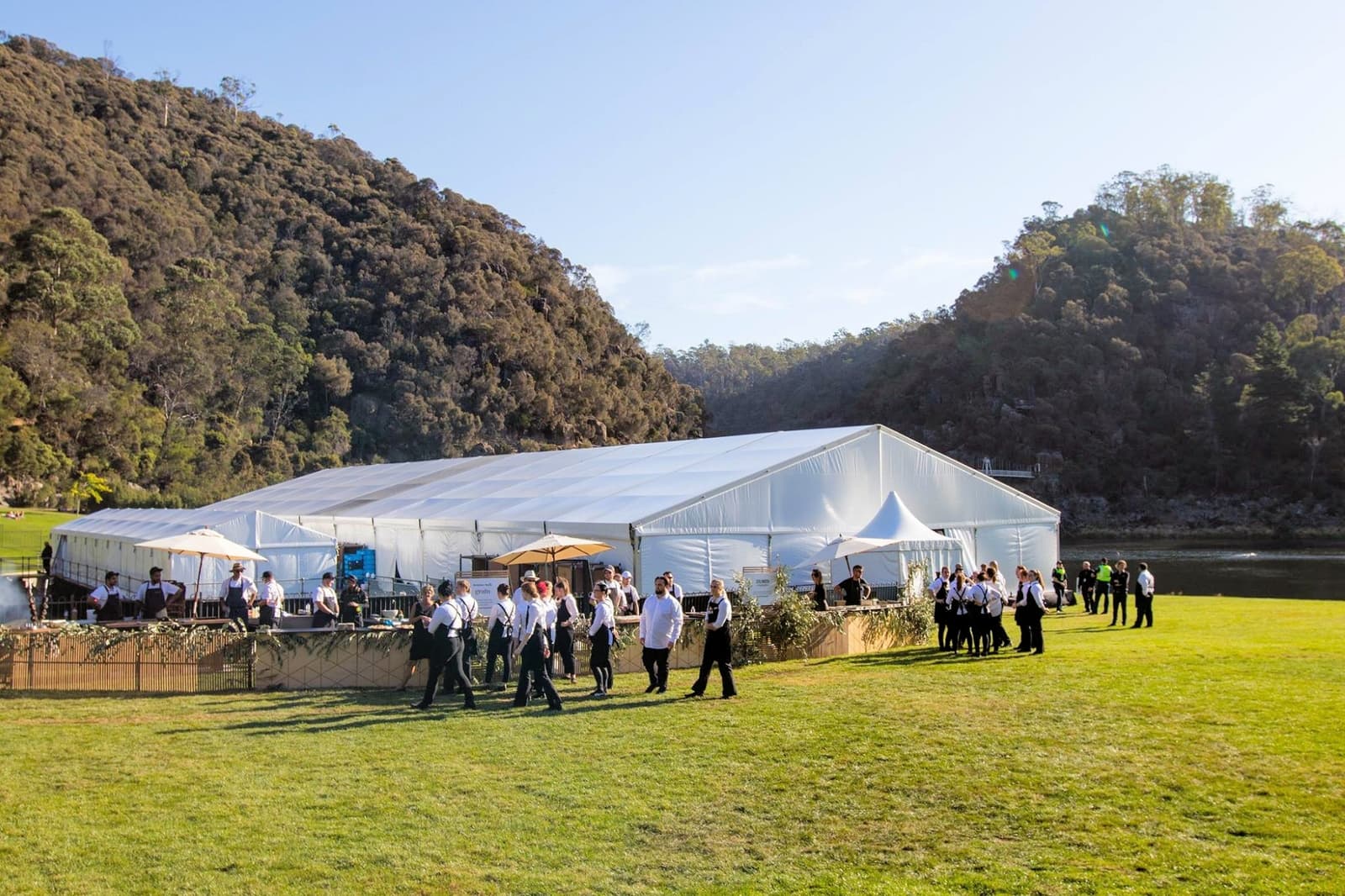
Today, tents are an indispensable component in many areas of application. Especially in the event and exhibition sector, they are an essential companion for creating unforgettable temporary spaces – from small party tents to large and insulated tent halls. They are used at weddings and garden parties just as much as at trade fairs and exhibitions or as terrace coverings. Thanks to the many different equipment options and flexible systems, tents are also an ideal solution for military purposes, as medical facilities and as research laboratories.
Event and exhibition tents from HTS TENTIQ
Today, tents are not only practical structures; through the continued development of their construction and materials, we also use our modular building system to realise vast and impressive buildings.
The development of HTS TENTIQ tents over time
The beginnings of HTS TENTIQ consisted of the rental and sale of tent systems made from wooden frames and tarpaulins. This company start dates back more than 60 years.
Through the use of steel as frame components, the product range could quickly be expanded. The beginning of today’s flexible modular system was marked by the transition to extruded aluminium. From 1975 onwards, the framework was made from this lightweight metal instead of wood or steel. This led to a significant reduction in construction weight, thereby also increasing ease of use. The aluminium frame with keder system proved itself in practice, and from these tent systems we developed various design constructions.
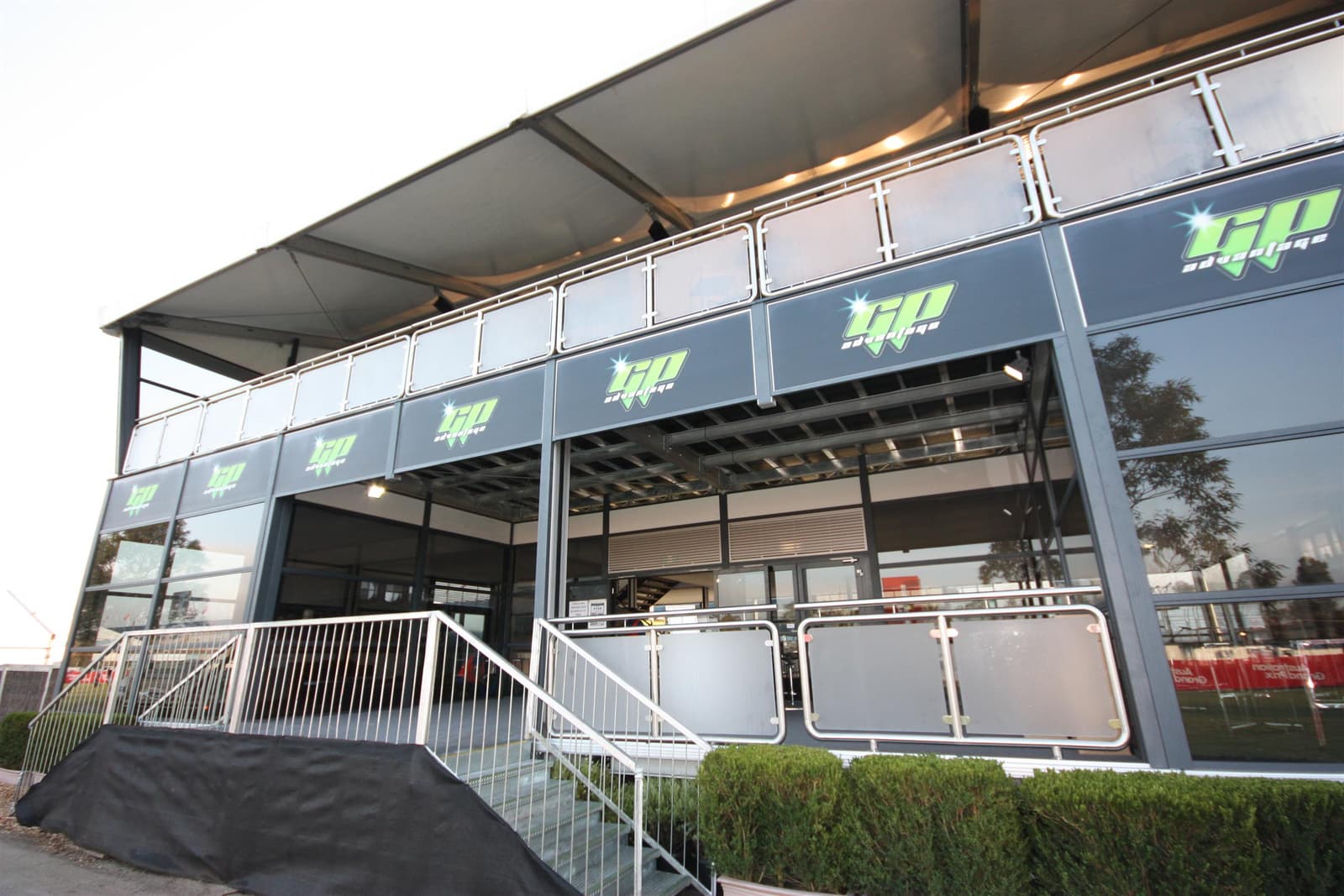
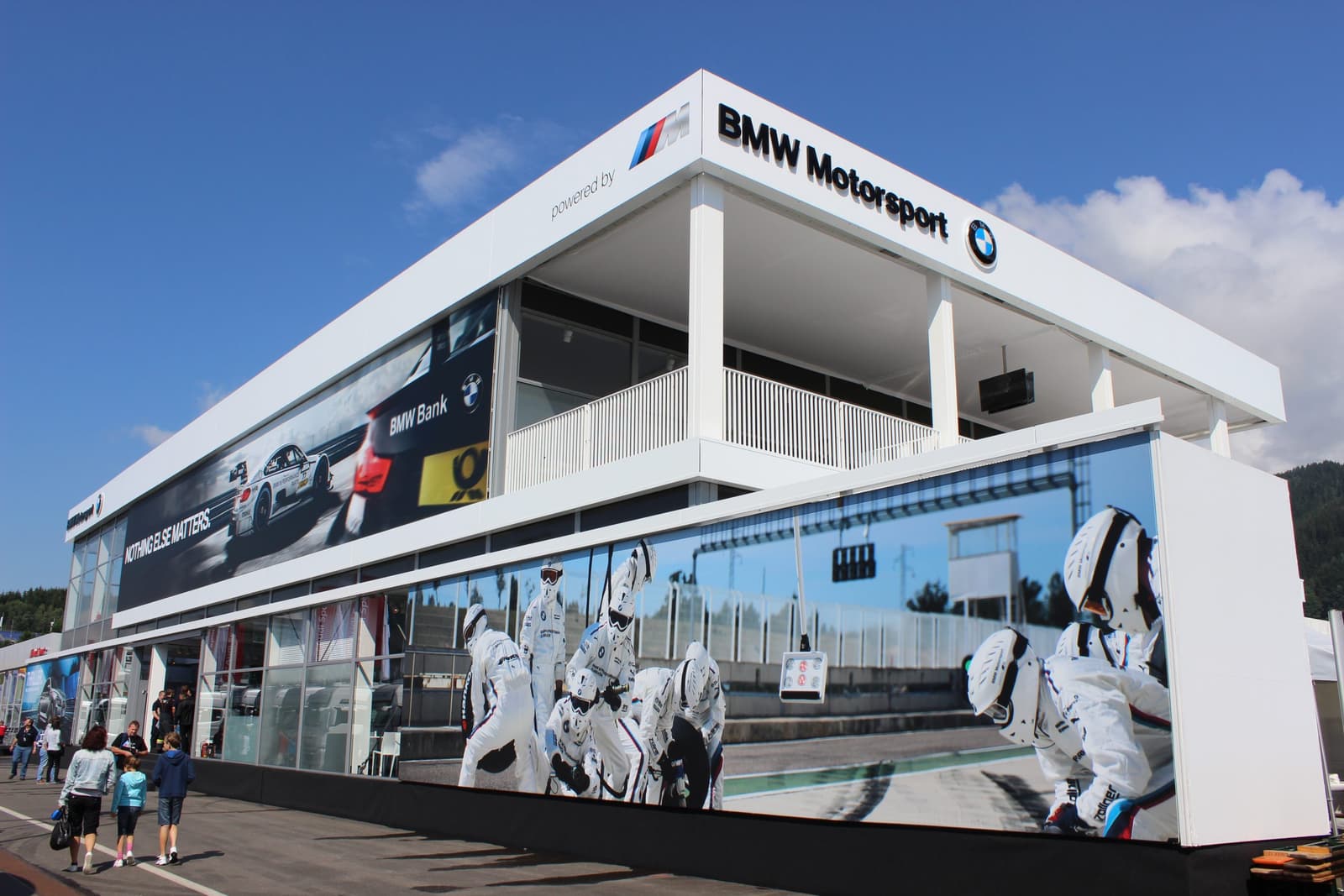
The first construction of a two-storey, multi-level modular tent that could also be dismantled was considered particularly revolutionary in the 1980s.
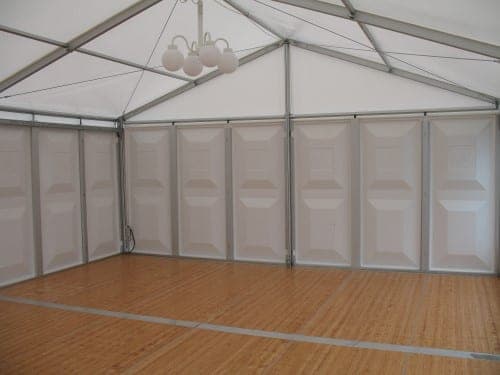
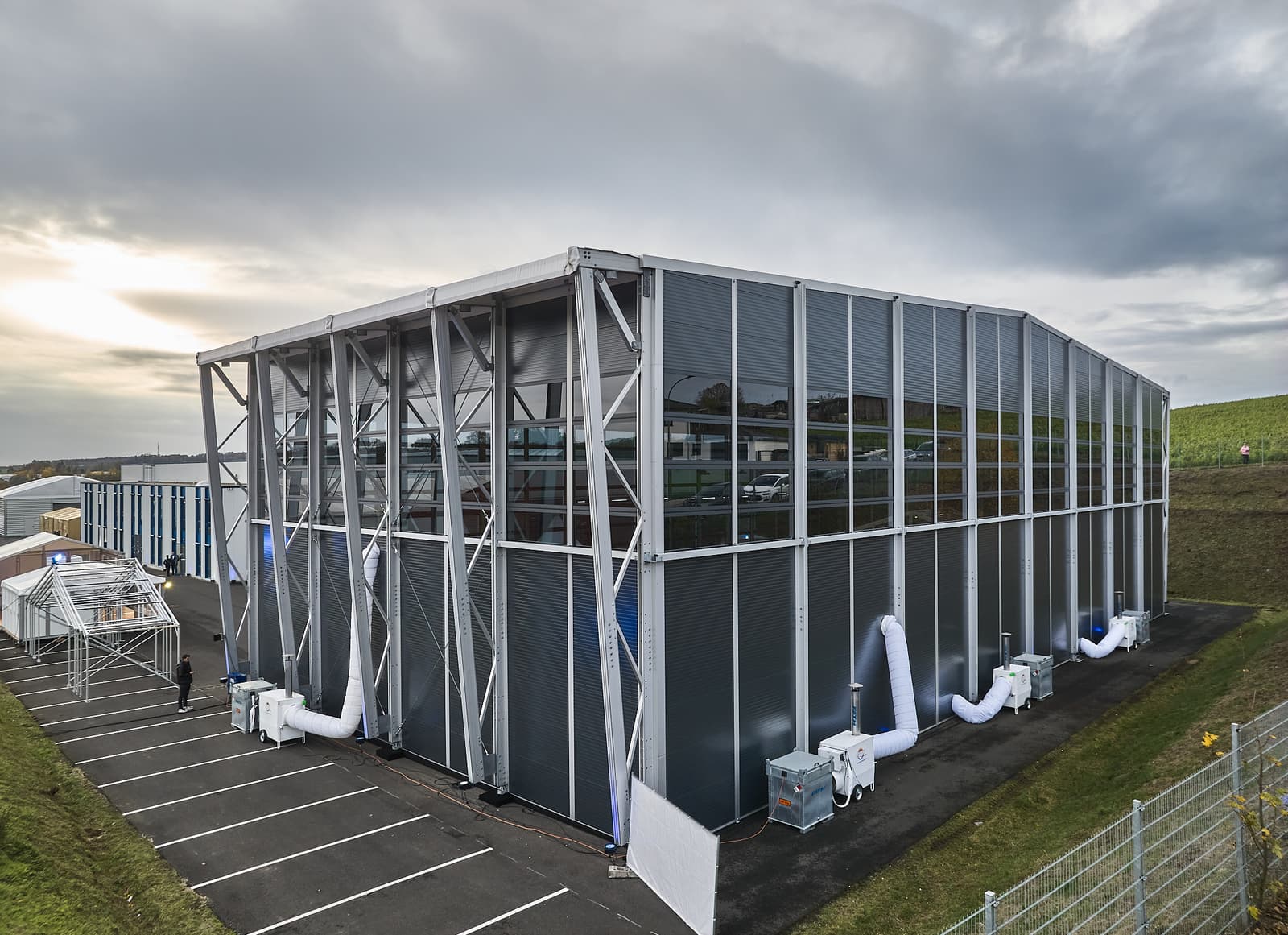
In addition to sheeting, insulated tents could be produced from the 1990s onwards thanks to the use of sandwich panels.
HTS TENTIQ developed the ultimate lightweight among modern tent systems using carbon and metal alloys. These ultra-light, flexible and quickly assembled structures are ideally suited for extreme environmental conditions and are therefore optimally designed for military and aid organisations.
HTS TENTIQ is globally known for its high-quality and well-engineered system buildings for industry and commerce – enabling production buildings, mobile sports facilities, railway maintenance halls, logistics halls and many other applications to be realised.
Tents from HTS TENTIQ today
Tents of today are the most advanced stage of development of historical tents. They offer maximum flexibility and can be used in the event sector for any occasion. Our modern tents in lightweight construction offer a number of additional practical features:
- They are quick and easy to assemble, as they consist of prefabricated modules that are connected to one another. This also makes dismantling easier. In addition, our tents can be stored simply and safely. If they are needed at another location, they can be reassembled there without any problems.
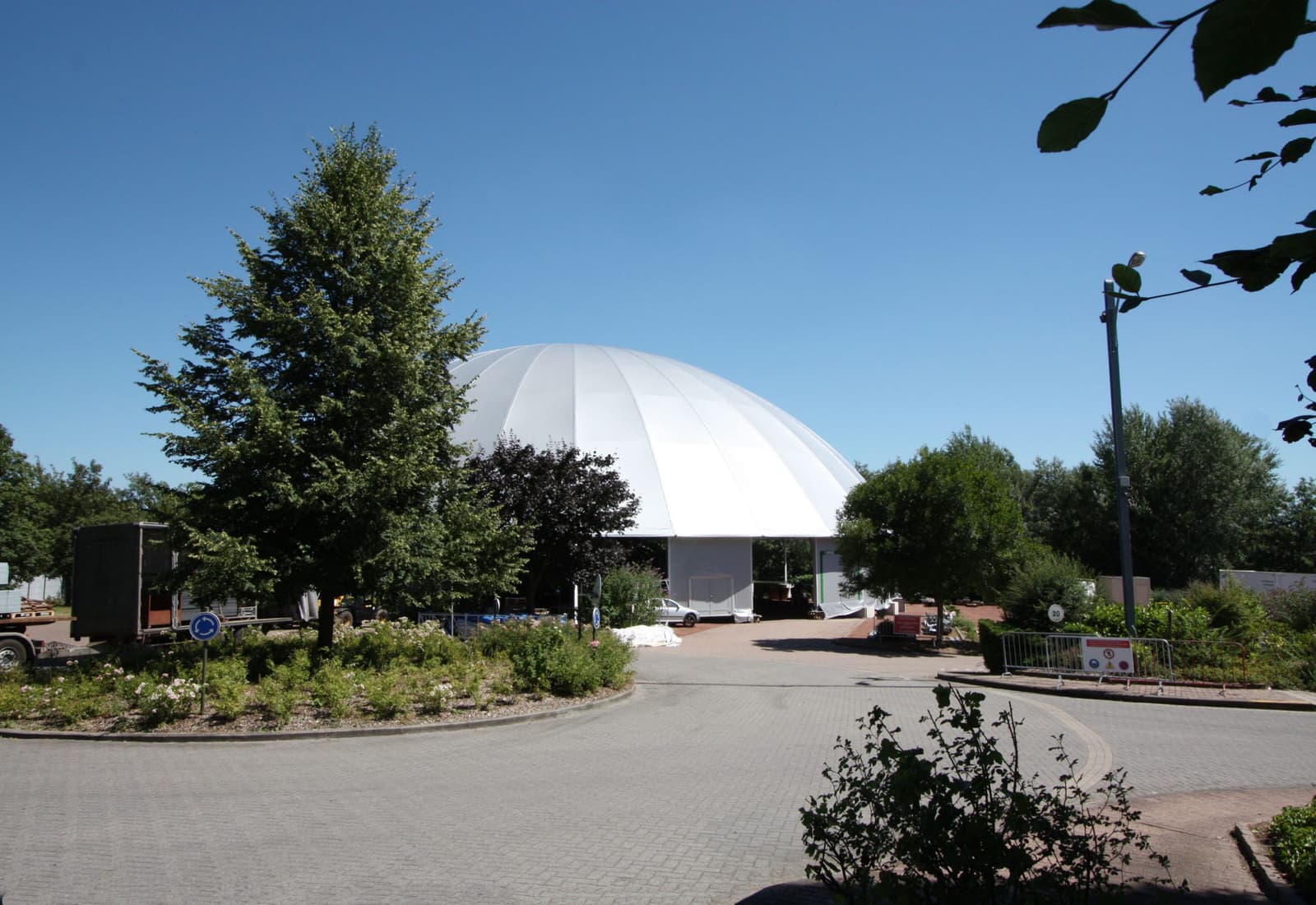
- Tent systems from HTS TENTIQ are highly economical due to their low acquisition costs. They can also be flexibly adapted to the respective requirements. If your space requirements change, adjustments can also be made retrospectively thanks to the modular kit system. With our event tents, there is no maximum length, as they can be extended endlessly in a 5.00 m grid. The maximum free-span width is 60.00 m. This flexible adaptation option is also simple, fast and cost-efficient to implement. With a tent, you therefore have space solutions for many occasions and can respond immediately to changes in your space requirements without incurring high costs. In addition, our tents can be easily connected to one another.
- Quality is a key criterion when it comes to the durability of a tent. Our tents are stable and safe, as they are made from high-quality materials. In the production of the frame, we use high-quality aluminium, noting that anodising is generally associated with an additional cost, while the standard finish is mill finish. Corrosion-resistant hot-dip galvanised steel is used for the connecting parts. We pay attention to regional sourcing and manufacture our products in Germany. We also place great importance on ensuring that our products comply with current standards and regulations. Thanks to their high quality, our tents are suitable for long-term use over several decades.
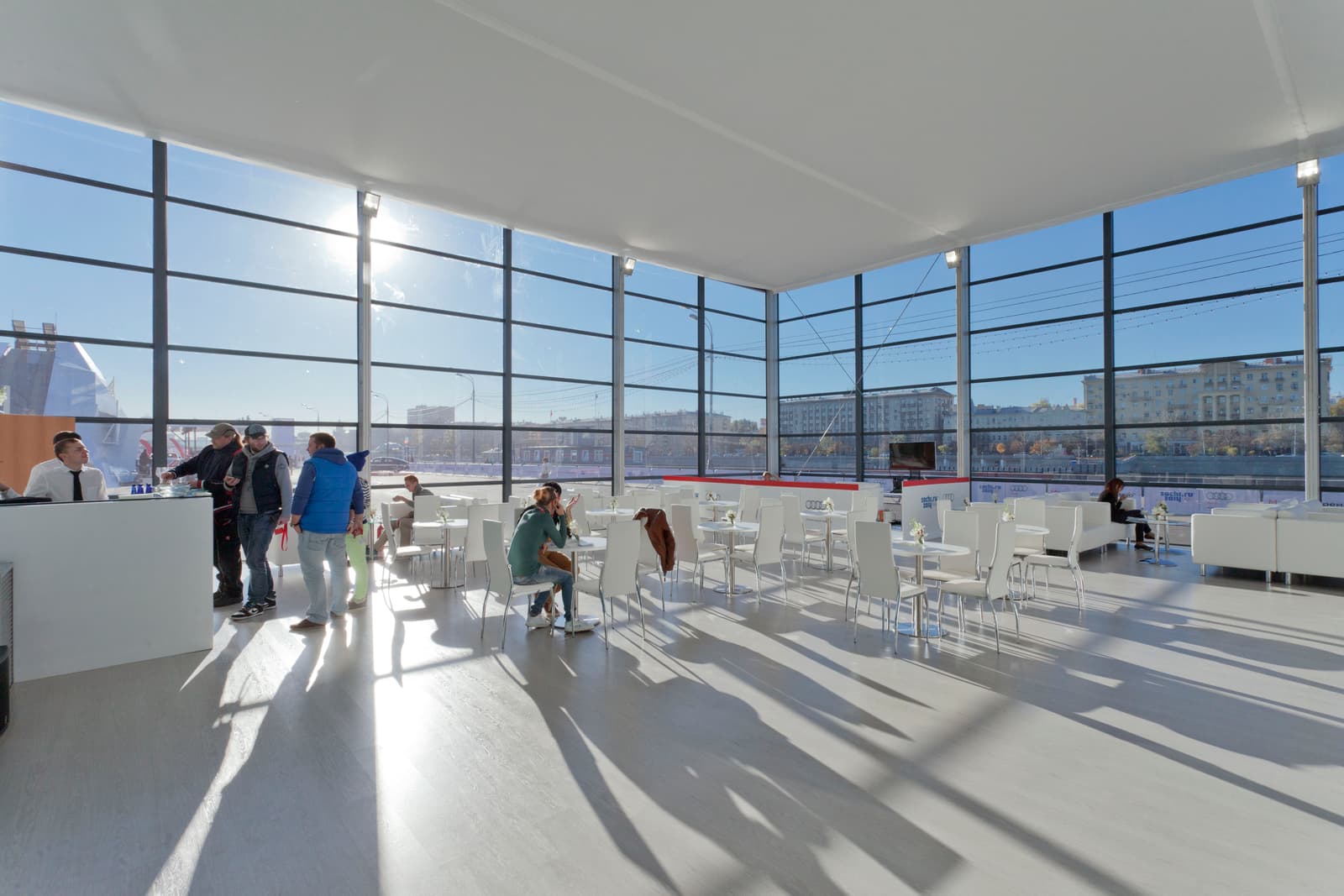
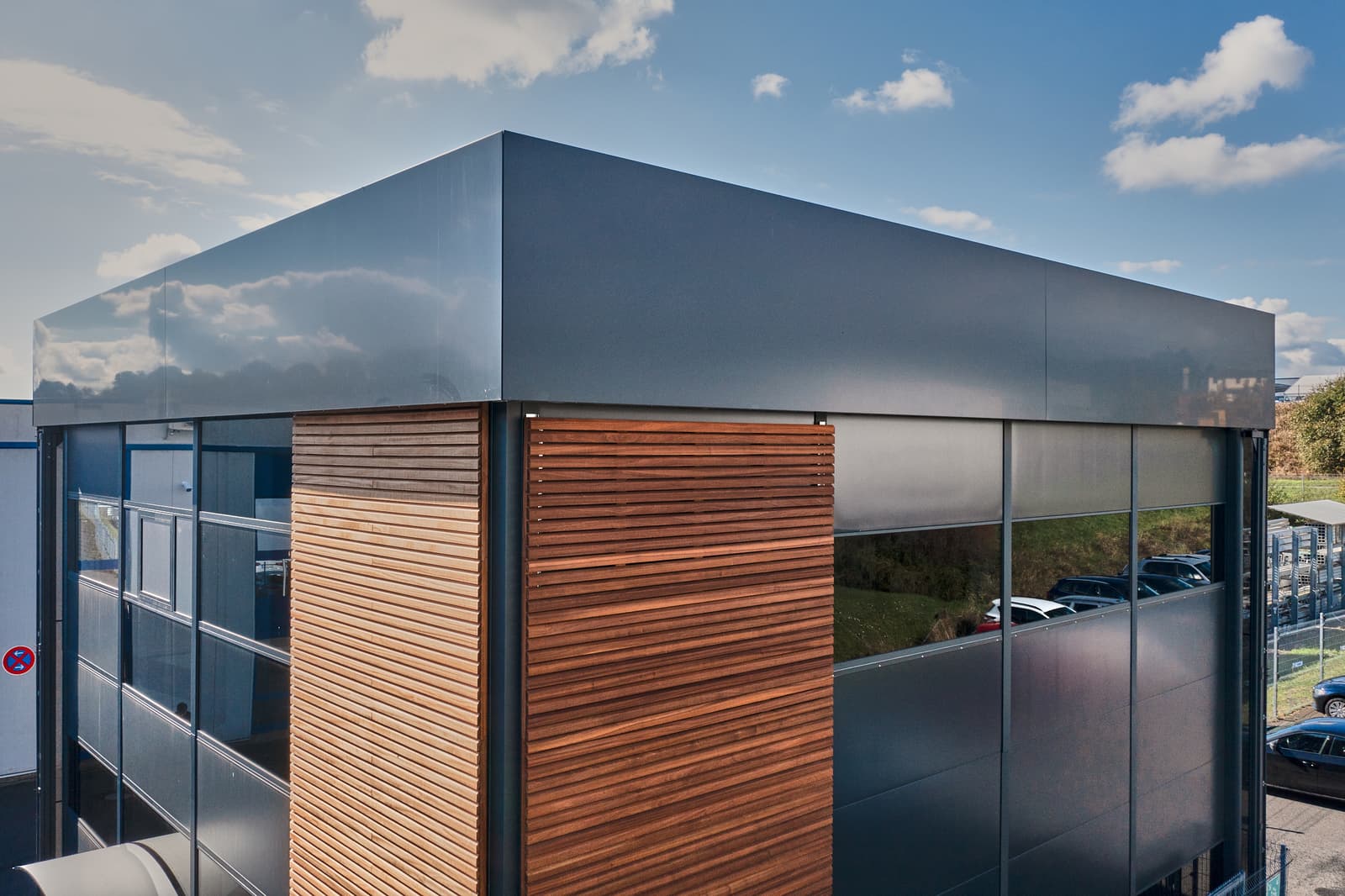
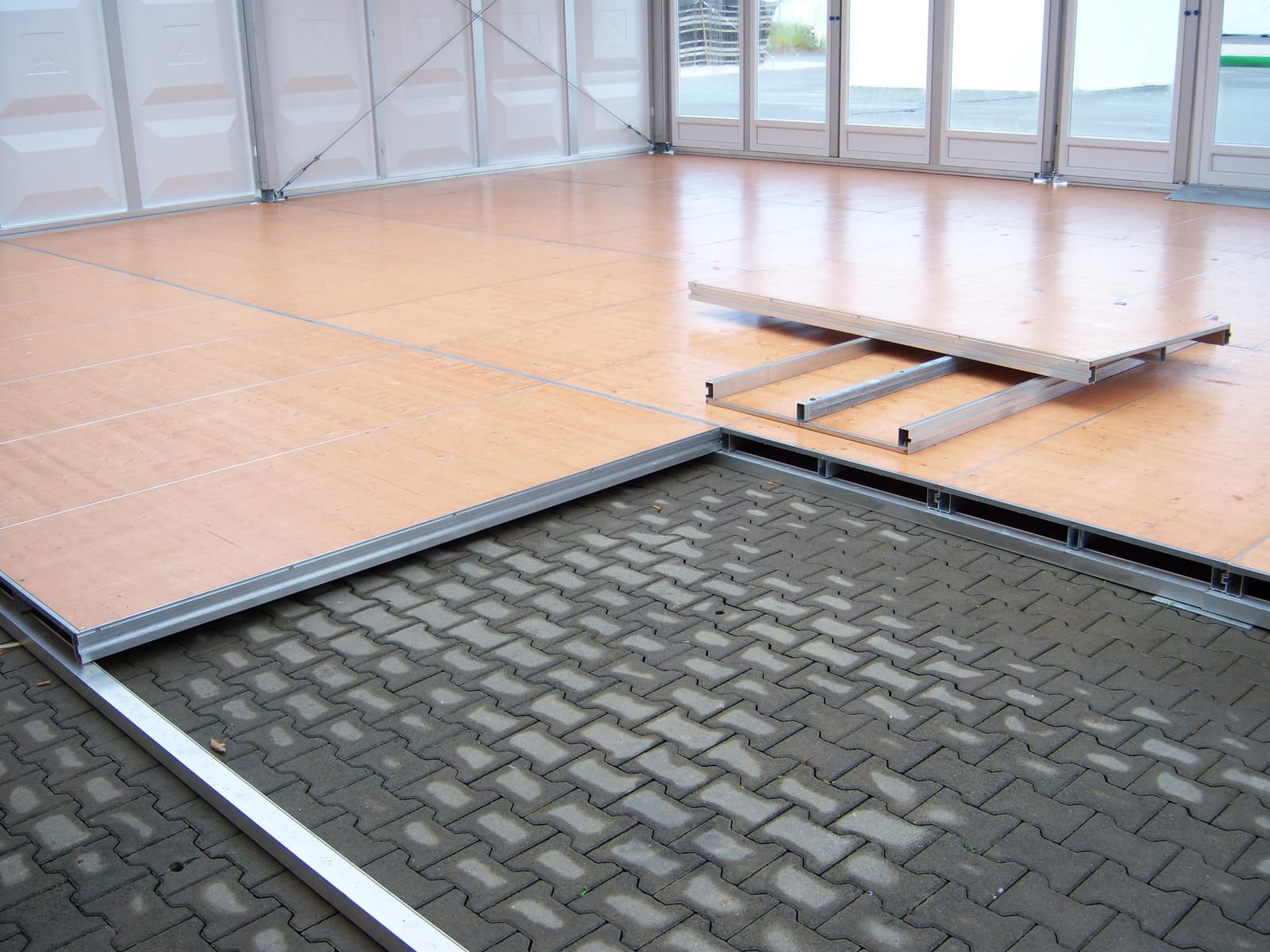
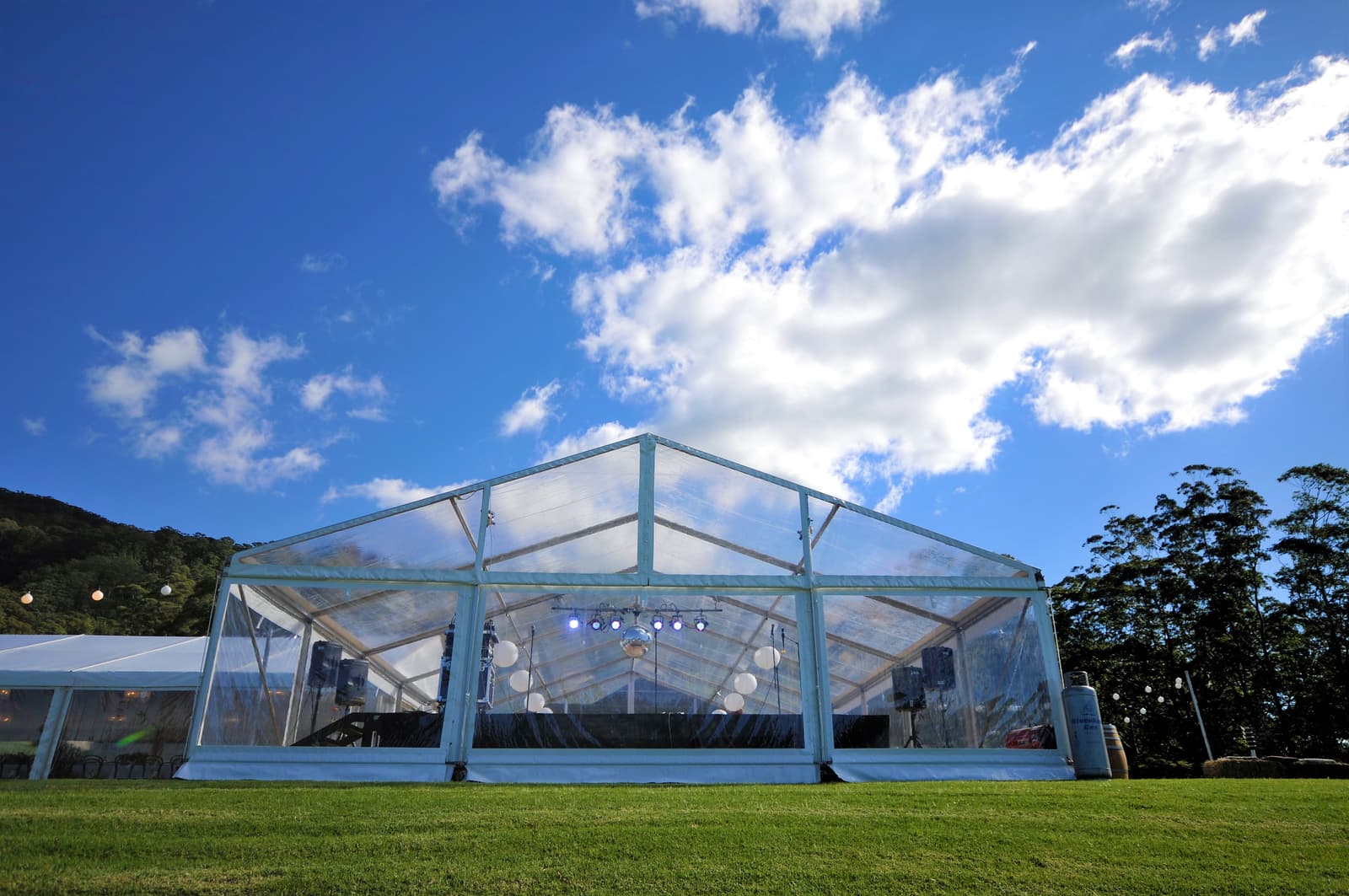
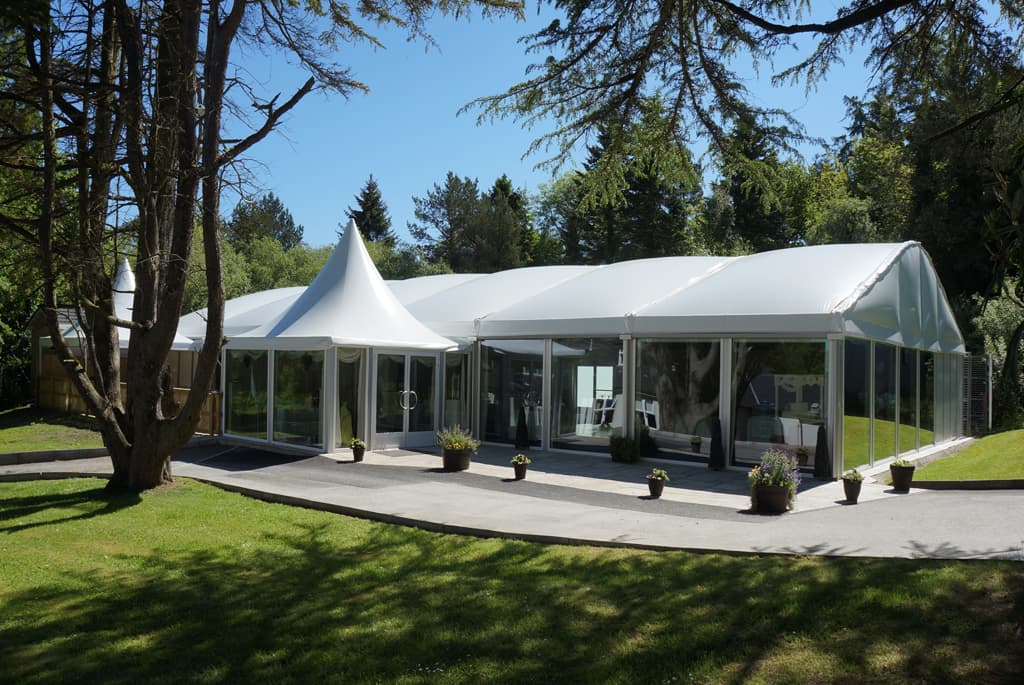
- Modern tents are versatile and individually customisable. In addition to various sizes and shapes, we offer a wide range of equipment options with which you can adapt your tent individually to your requirements and ideas. For the side walls, it does not always have to be a PVC covering; glass panels or sandwich panels can also be selected. The roof shape is also freely selectable. There are equally extensive design options in the interior of our tents: ranging from a wide selection of floor coverings to individually adjustable interior and exterior lighting as well as energy-efficient heating and air conditioning systems. It is also possible to divide the interior of the tent using partition walls to create different areas.
Case Studies

Conclusion: The development of the tent from living spaces to event tents
The tent is one of the oldest and most versatile forms of construction in human history. Over time, it has been adapted to different needs, cultures and regions. From the first tents made of animal hides and bones, which served as protection and shelter, the military tent developed, which was used as a mobile and flexible form of accommodation.
Today, there are virtually no limits to the use of tents. In addition to camping, tents are now regarded as practical and flexible space solutions in the event and exhibition sector. They can be used as a small party tent for a garden party, as an impressive event building for a large wedding celebration, or as an entire tent landscape for a festival.
With tents from HTS TENTIQ, you receive individually customisable space solutions that can be used for a wide range of occasions. Should your space requirements change, modern tents can be easily extended – in a cost-effective and straightforward manner. Repeated dismantling and reassembly at different locations can also be carried out quickly with high-quality tents.
Would you like to contact us? Then use either our contact form – this is the fastest way to reach our experts.
.jpeg&w=1600&q=75)